Summary: Since January, the Trump administration’s EPA has initiated about 66 deregulatory actions that critics say will harm air and water quality, increase toxic exposures and accelerate climate change. Key moves include Clean Air Act exemptions, narrowing Clean Water Act protections, weakening PFAS safeguards, canceling rural toxicology grants and proposing to rescind the 2009 greenhouse-gas endangerment finding. EPA defends the changes as modernizing rules and aligning with legal precedent, but public-health and environmental experts warn of serious risks to communities and the climate.
Trump’s EPA Rollbacks: 66 Actions That Threaten Air, Water and the Climate
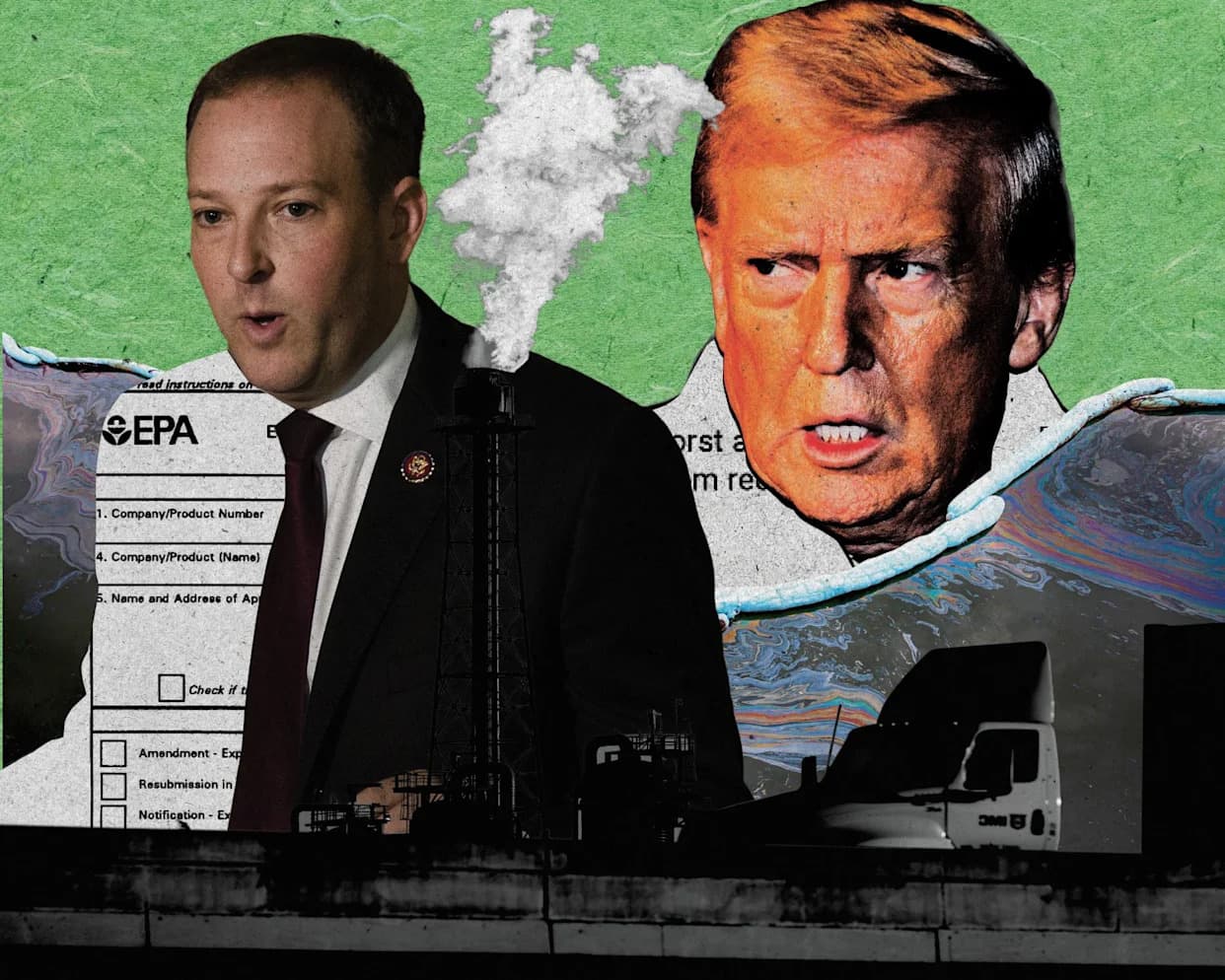
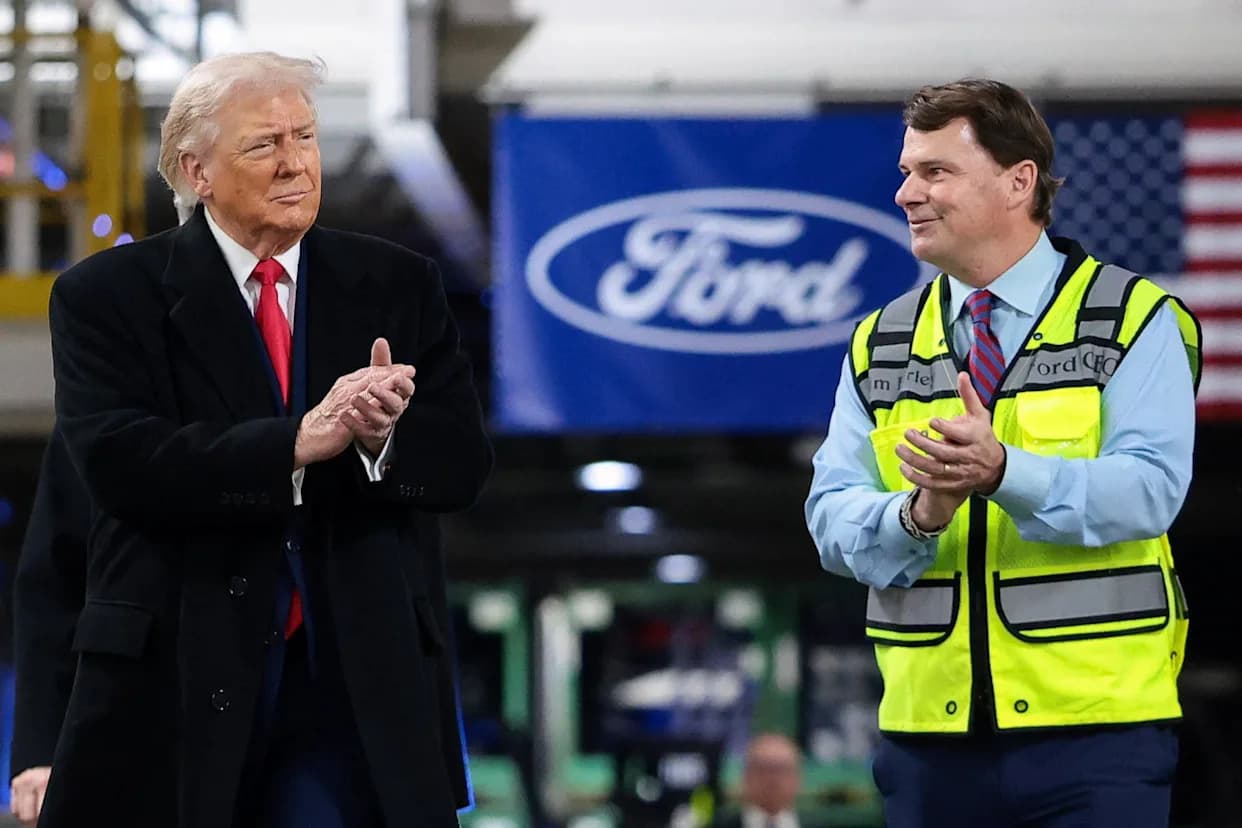
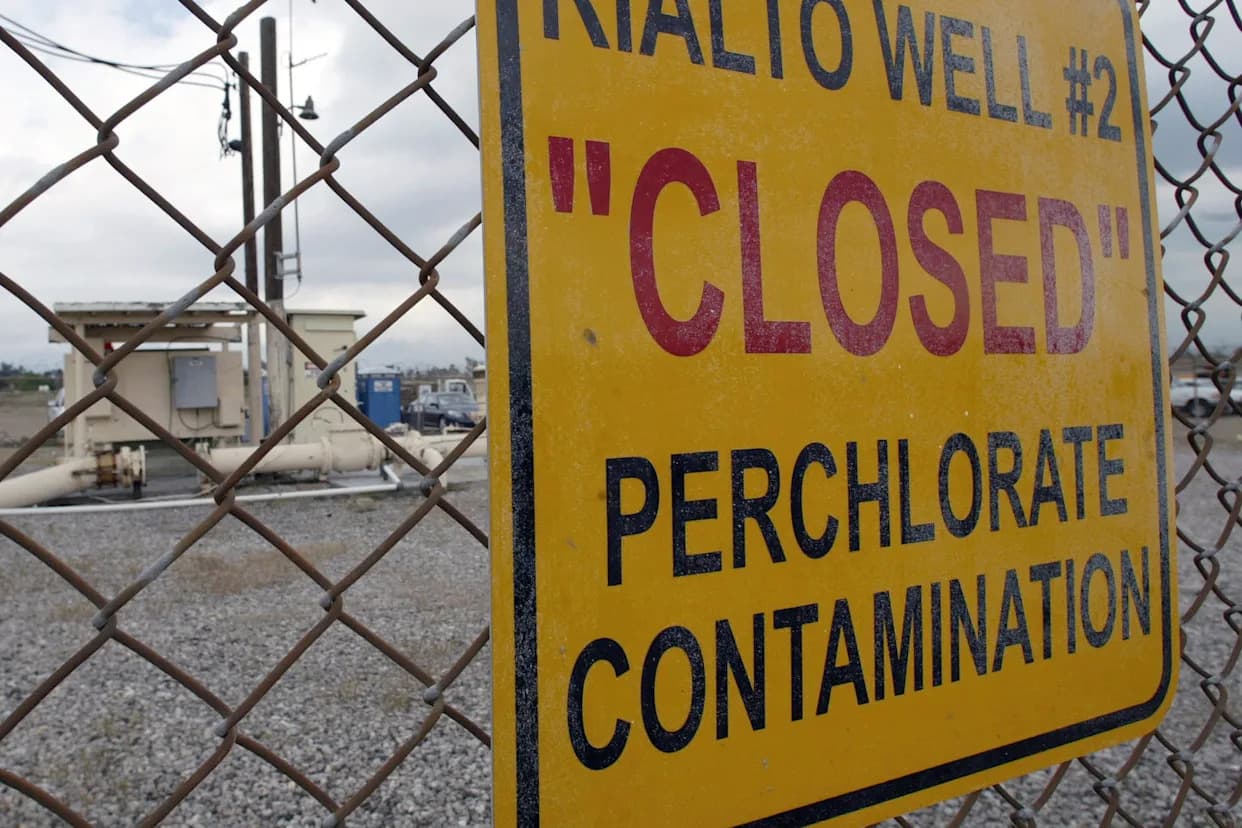
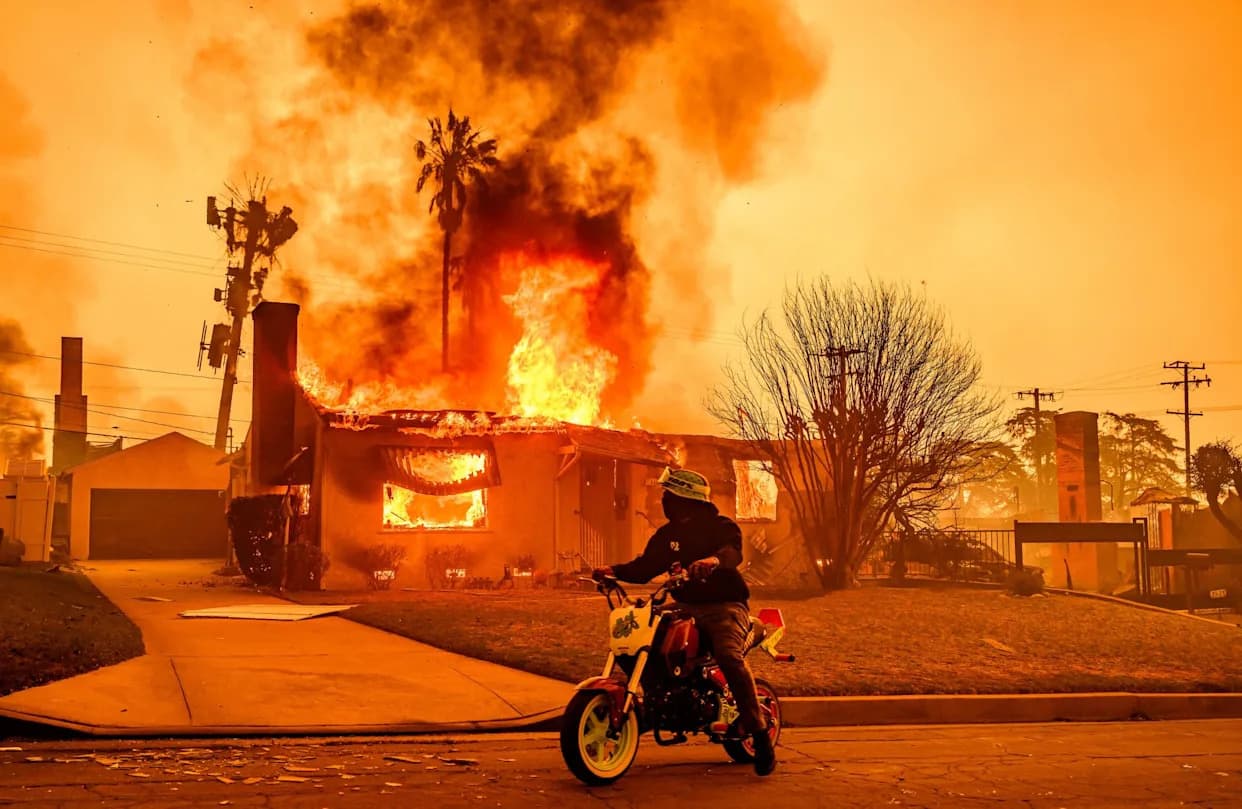
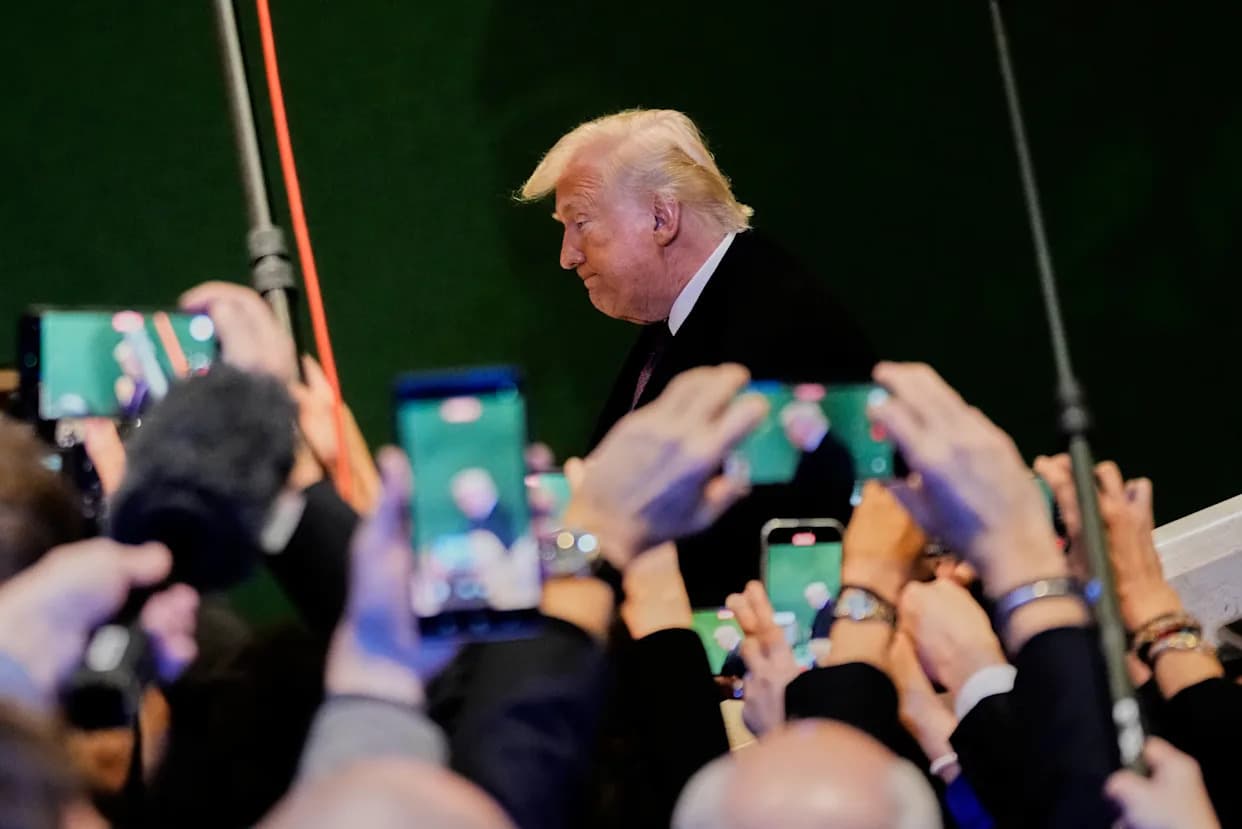
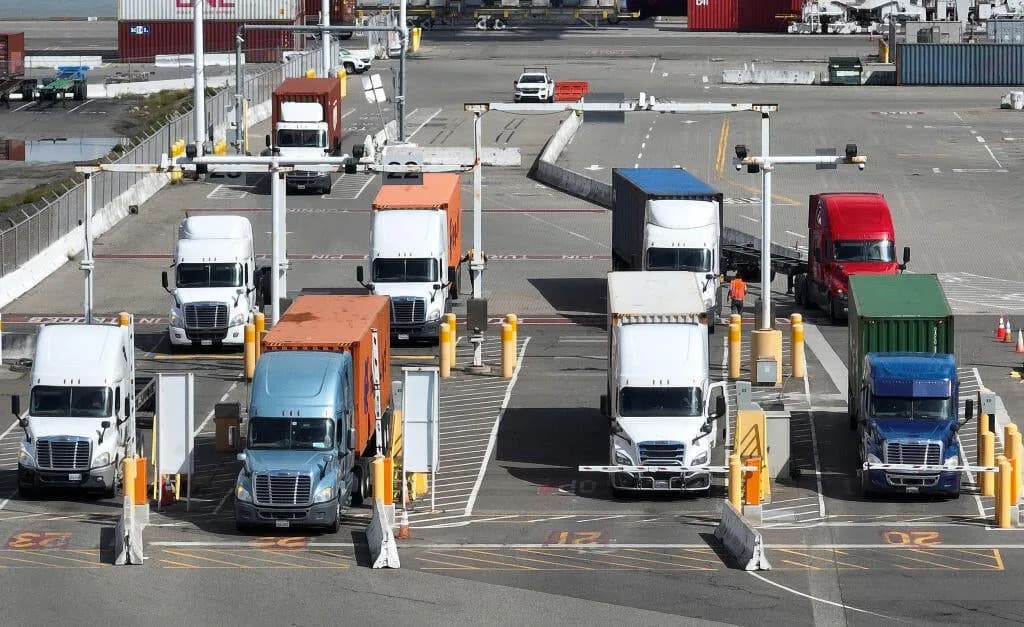
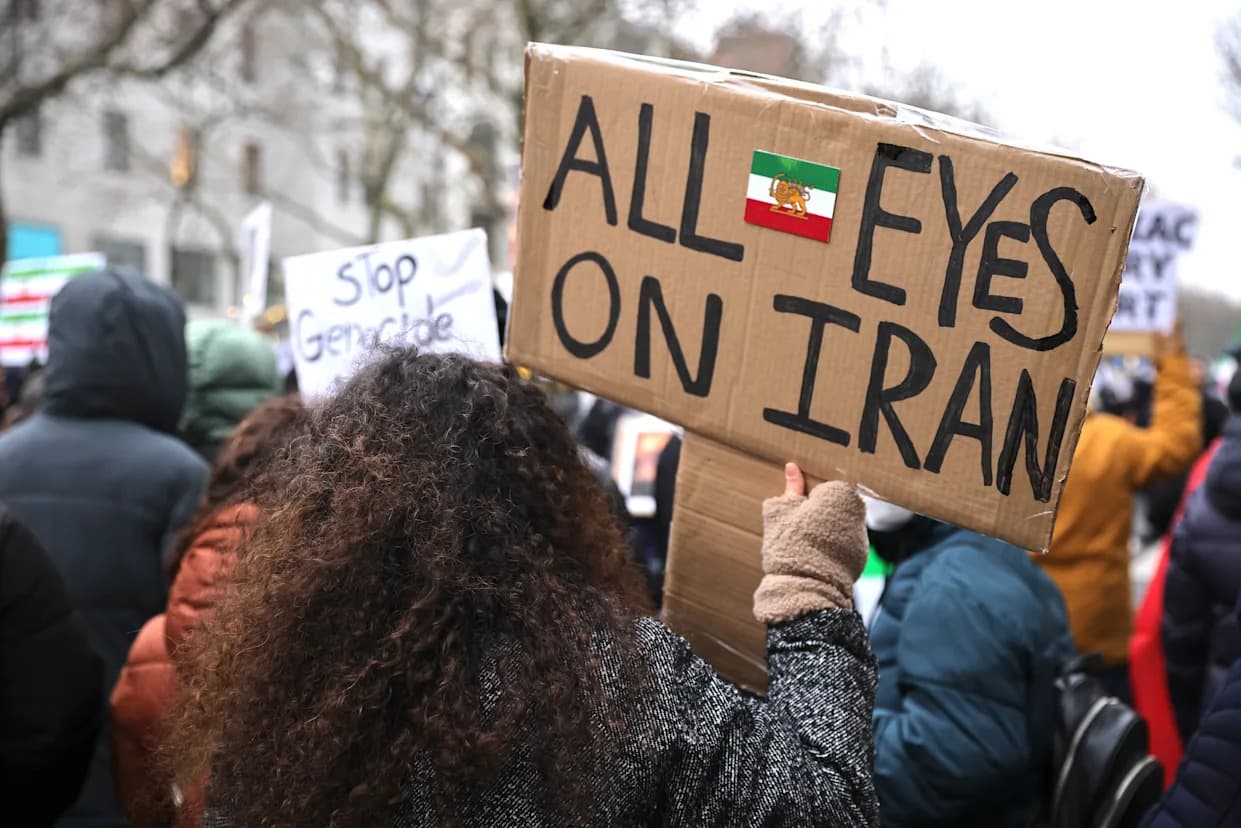
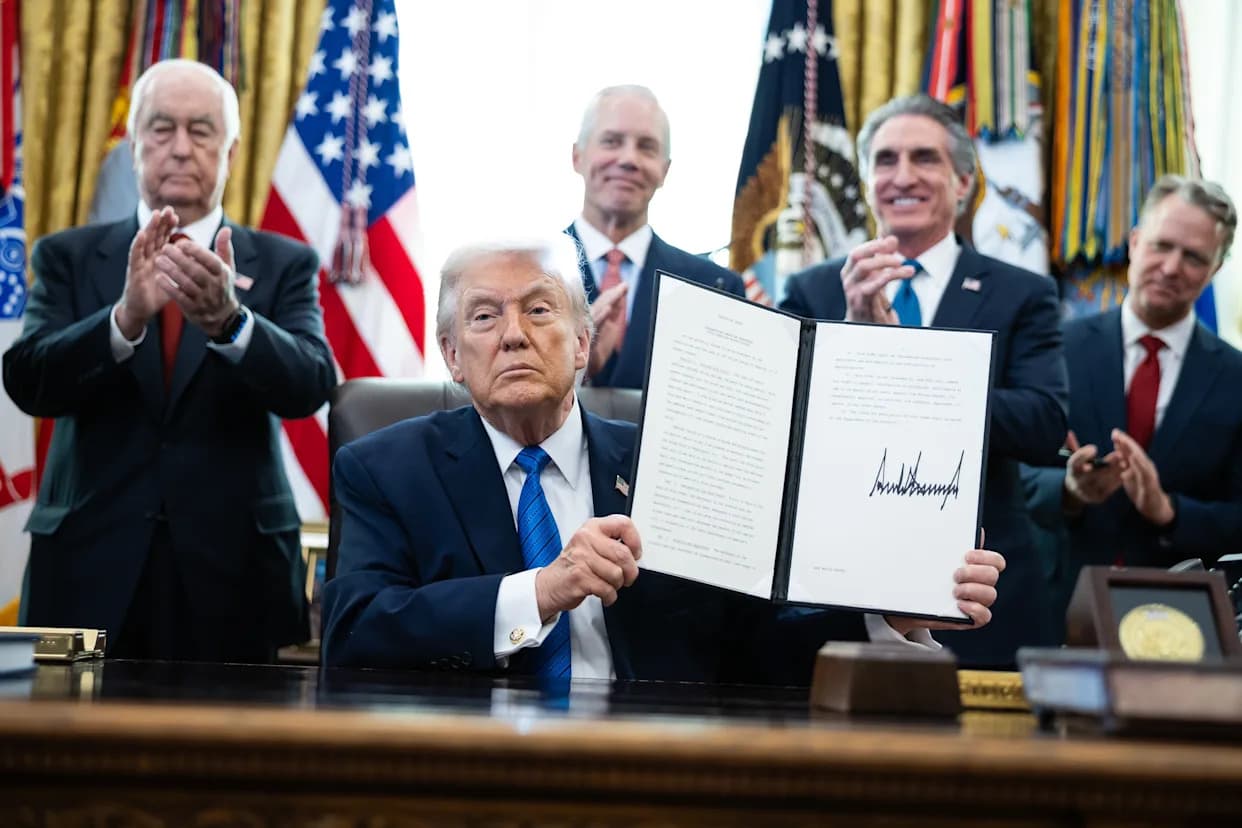
Trump has initiated nearly 70 actions at the EPA to undo rules protecting ecosystems and the climate.Composite: The Guardian/Getty Images(Composite: The Guardian/Getty Images)
In his first year back in the White House, President Donald Trump has overseen a broad reshaping of the Environmental Protection Agency (EPA), launching roughly 66 formal deregulatory actions — a pace averaging more than one major move per week. Environmental and public-health experts warn these changes could degrade air and water quality, increase exposure to toxic chemicals, and accelerate global warming. The EPA disputes those claims, saying it is modernizing rules and aligning policy with legal precedent.
What the Changes Entail
Actions range from granting short-term exemptions for polluters and narrowing the scope of protected waterways to revising how chemical risks are evaluated and proposing to rescind the legal finding that underpins most federal climate rules. Together, critics say, these steps amount to a sweeping rollback of the agency’s capacity to protect public health and the environment.
Air Quality
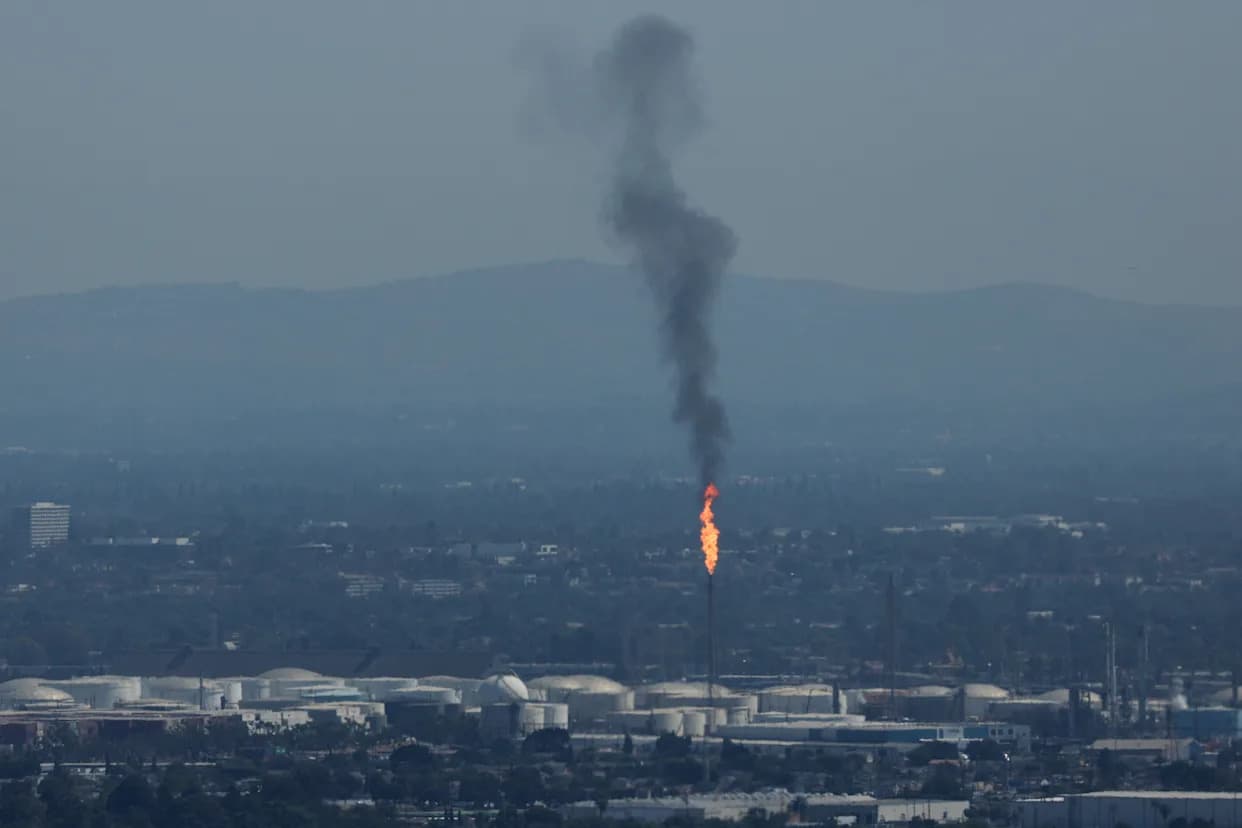
Multiple recent EPA moves could increase air pollution exposure. In one notable action the agency invited facilities to request exemptions from certain Clean Air Act requirements via a simple email process. The Union of Concerned Scientists reported that two-year exemptions were offered to standards applying to more than one-third of domestic coal plants, chemical manufacturers, coke ovens, commercial sterilizers and other high-emitting facilities.
The agency has reversed strengthened limits for major pollution sources and announced plans to disband advisory committees that contribute technical guidance on mobile sources and clean-air standards. In a significant methodological shift, EPA also stopped estimating the monetized value of lives saved by reducing fine particulate matter (PM2.5) and ozone — focusing analysis more on costs to industry than on estimated public-health benefits. EPA says it is updating its approach because older tools may overstate today's smaller risks after decades of air-quality improvements.
Water Safety
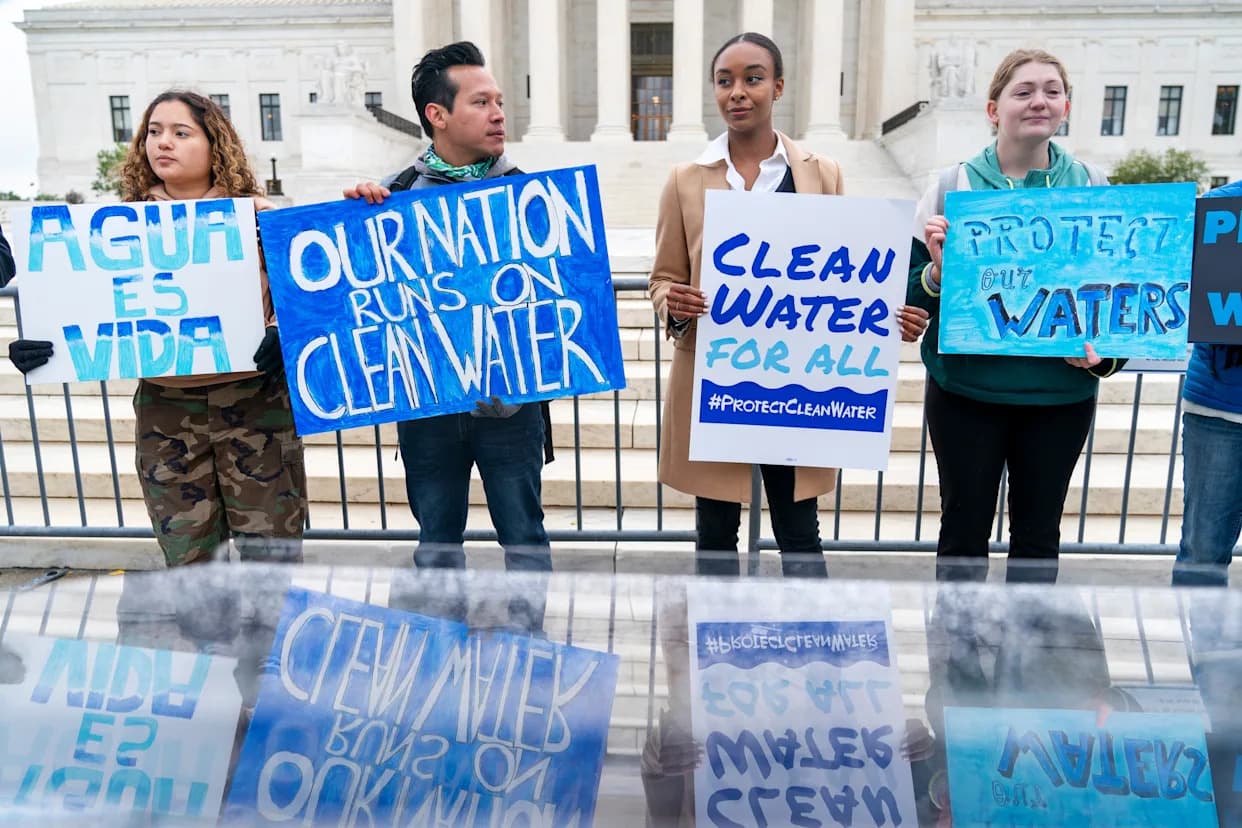
EPA has moved to narrow the legal definition of waters protected under the Clean Water Act, a change that would reduce federal oversight of runoff from farming, mining and petrochemical operations. Administrator Lee Zeldin announced plans to revisit Biden-era wastewater limits for coal plants that curb toxic discharges of arsenic, mercury and lead.
The agency has also signaled it will rescind or not defend several Biden-era national standards for PFAS — a group of persistent “forever chemicals” linked to cancer, immune and developmental harms. Critics note that tens of millions of Americans drink from systems where PFAS levels have exceeded thresholds earlier administrations considered unsafe. EPA defends the moves as aligning policy with Supreme Court precedent and giving utilities time to invest and comply.
Chemical Safety And Toxic Exposures
Critics say the EPA is loosening controls on hazardous substances while narrowing the scope of chemical-risk reviews. The agency plans to revise assessments under the Toxic Substances Control Act (TSCA) to focus on specific uses rather than all potential exposures — a change some scientists warn could limit regulatory action.
Other actions include plans to cancel roughly $40 million in grants for research on toxic hazards to children in rural areas, delays to enforcement of restrictions on methylene chloride, and a reversal of the long-standing EPA stance that there is no safe level of formaldehyde exposure. The agency says these policy changes are intended to increase efficiency, improve regulatory clarity, and follow sound science.
Climate And Greenhouse Gases
Perhaps the most consequential proposed change is the rollback of the 2009 endangerment finding — the legal determination that greenhouse gases threaten public health and welfare and that provides the statutory basis for most federal climate regulation. Finalizing that repeal would remove the legal foundation for many existing greenhouse-gas rules, critics say.
The EPA has also signaled plans to rescind vehicle CO2 limits, weaken fuel-economy standards, delay methane enforcement, and withdraw or shutter climate-focused research offices such as the Office of Research and Development and the Office of Atmospheric Protection. Opponents warn these steps collectively will increase emissions and curtail the agency’s scientific capacity to monitor and respond to climate risks.
Voices On Both Sides
"This administration has launched a war on all fronts against our health, our communities and the quality of our environment," said Matthew Tejada, former director of the EPA’s environmental justice program and now senior vice-president for environmental health at NRDC.
EPA officials respond that the changes are meant to avoid "economy-crushing" rules, to modernize and streamline regulation, and to align policies with legal precedent while still protecting public health and the environment.
Bottom Line
Whether described as needed modernization or a sweeping rollback, the EPA’s recent actions are likely to reshape U.S. environmental policy for years. Experts warn of measurable consequences for air and water quality, chemical exposures, and climate emissions if many of these actions are finalized and implemented.
Help us improve.