Brief: President Trump employs a confrontational, "madman" style — mixing public threats, limited strikes and economic pressure — to push Iran and regional actors toward concessions. This approach can produce short-term gains (for example, pressure on Iraq) but risks failure when opponents see disarmament or capitulation as existential. Hezbollah, Hamas and elements within Iran may therefore resist, making negotiations fragile and increasing the danger of escalation.
Can Trump’s 'Madman' Strategy Reshape Iran And The Middle East?
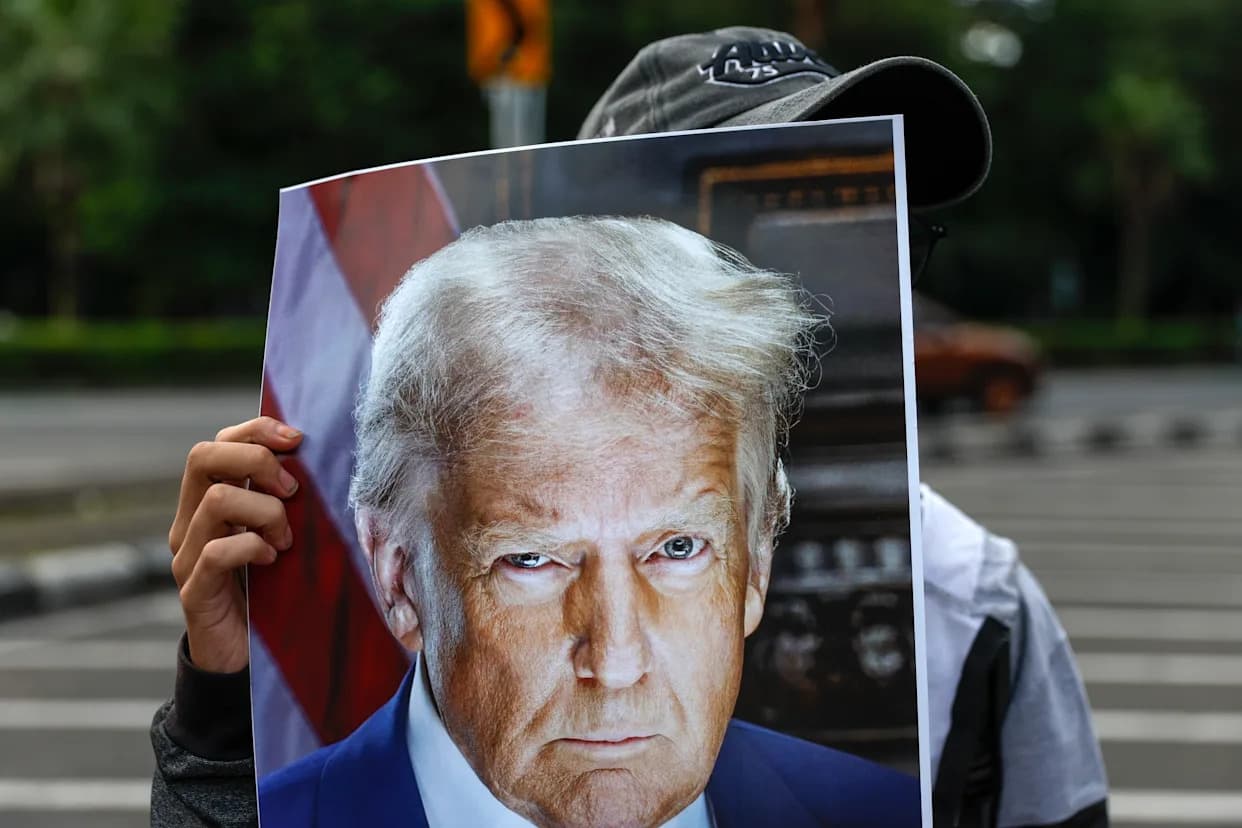
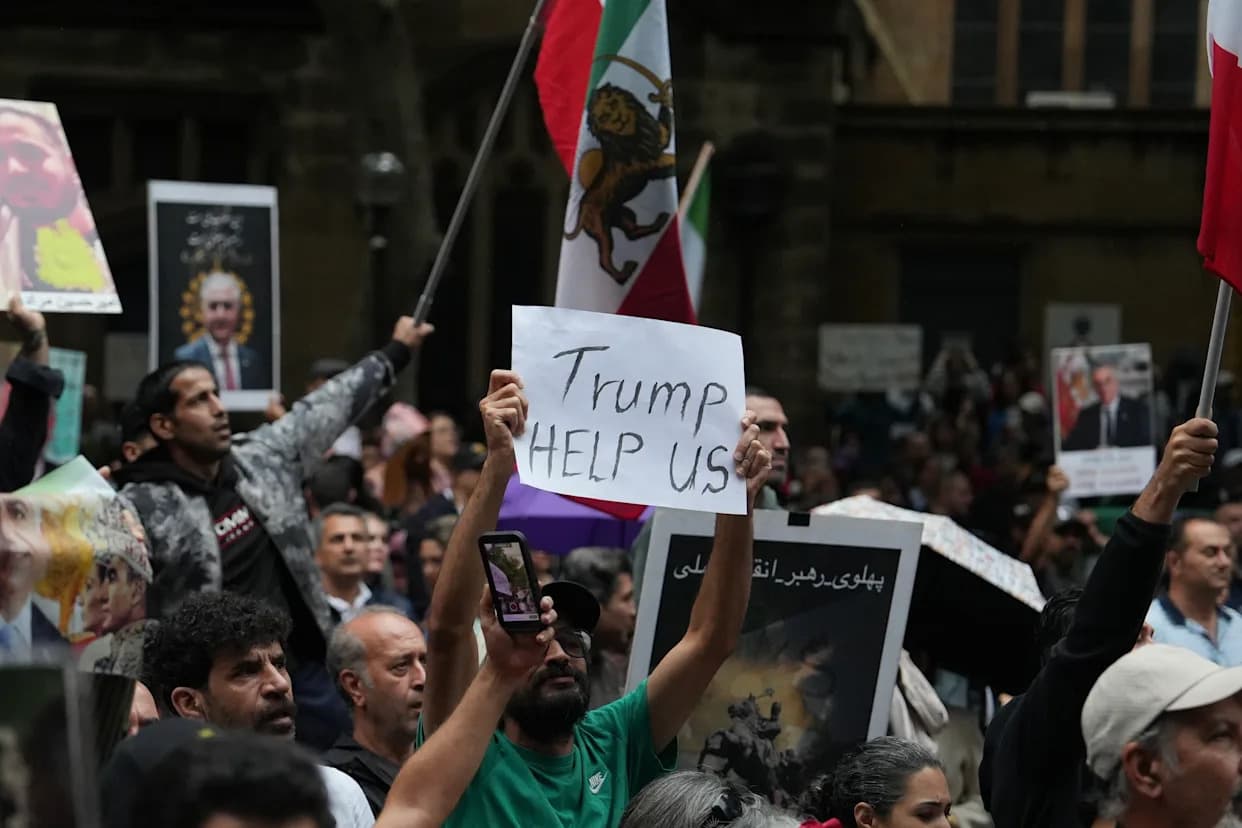
A protester holds a picture of US President Donald Trump during a protest outside the US Embassy in Jakarta, Indonesia, January 26, 2026 [Mast Irham/EPA]
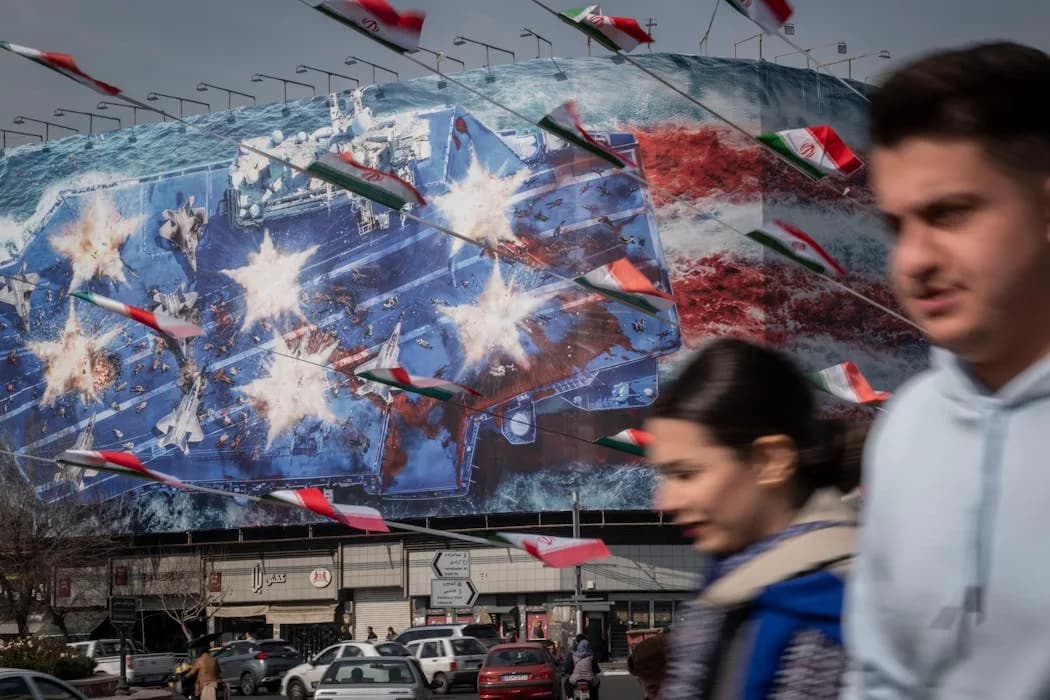
In June 2025 the United States struck Iranian nuclear facilities, but President Donald Trump quickly framed the bombings as a contained action, insisting: “Now is the time for peace.” Months later, Trump has escalated public warnings and positioned major US military assets — including an aircraft carrier — toward Iranian waters as leverage in negotiations.
What Trump Wants And How He Presses For It
Mr. Trump’s stated goal is a deal requiring Iran to effectively halt its nuclear programme, curb ballistic-missile development, and cease backing armed allies across the Middle East. His approach combines loud public threats, selective military strikes, and economic and political pressure designed to secure short-term concessions without long-term American entanglement.
The 'Madman' Playbook
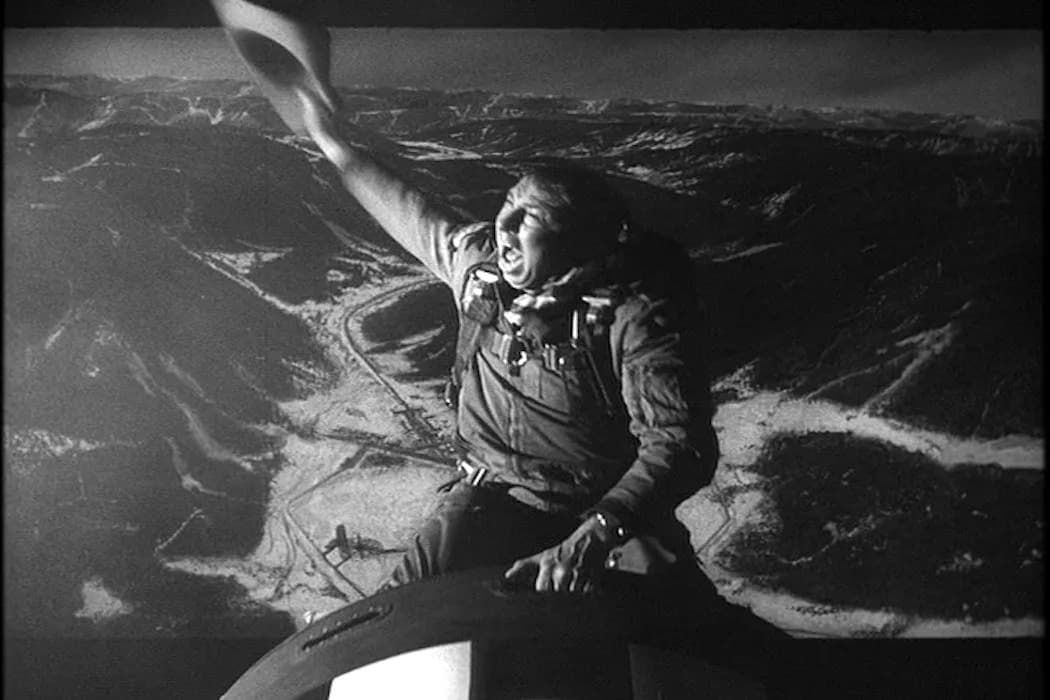
Critics label this posture the “madman theory,” a strategy attributed to Richard Nixon in the late 1960s that uses unpredictability to make adversaries doubt how far the United States will go. Recent precedents invoked by the administration include the 2020 killing of Qassem Soleimani and, according to reports, the abduction of Venezuelan President Nicolas Maduro — acts intended to project deterrence by surprise.
Regional Applications And Limits
Trump’s tactics vary by theatre. In Iraq he has threatened to withhold aid if the pro-Iranian politician Nouri al-Maliki becomes prime minister — a pressure campaign relying on economic leverage rather than force, and aimed at preserving a more US-friendly Mohammed Shia al-Sudani.
In Syria, policy under this rubric tilts toward phased withdrawal. The administration prioritises preventing an ISIL resurgence and blocking threats to Israel, even if that means abandoning once-close partners such as the Kurdish-led Syrian Democratic Forces and accepting Gulf-state guarantees for President Ahmed al-Sharaa’s government.
In Lebanon and Gaza the US has positioned itself as a mediator after intense Israeli campaigns, but any negotiated peace is conditioned on full disarmament of groups such as Hezbollah and Hamas — demands those groups view as existential and therefore difficult to accept.
Risks And Strategic Limits
Coercive pressure can yield short-term wins when adversaries can accept modest concessions. But where opponents — whether state actors in Tehran or militant organisations such as Hezbollah and Hamas — perceive their survival to be at stake, the strategy reaches limits. Perceived existential threats reduce incentives to compromise and can make negotiations fragile or collapse outright.
Bottom line: Projecting military power and unpredictability can extract concessions up to a point. If adversaries believe they face elimination, the so-called “madman” approach becomes far less effective and risks escalation.
Help us improve.