The U.S. has signaled a possible strike on Iran after President Trump warned on Jan. 28, 2026 that he could act “with speed and violence,” while the Pentagon moved the USS Abraham Lincoln and other forces within range. Washington demands an end to uranium enrichment, limits on ballistic missiles and a halt to proxy support — but military action risks destabilizing a nuclear "threshold" state and accelerating global proliferation. Historical examples and the undermining of the IAEA’s monitoring show why Gulf states and other regional powers may hedge, with implications for Turkey, Japan and South Korea.
U.S. Military Threats to Iran Risk Sparking a Regional — and Global — Nuclear Cascade
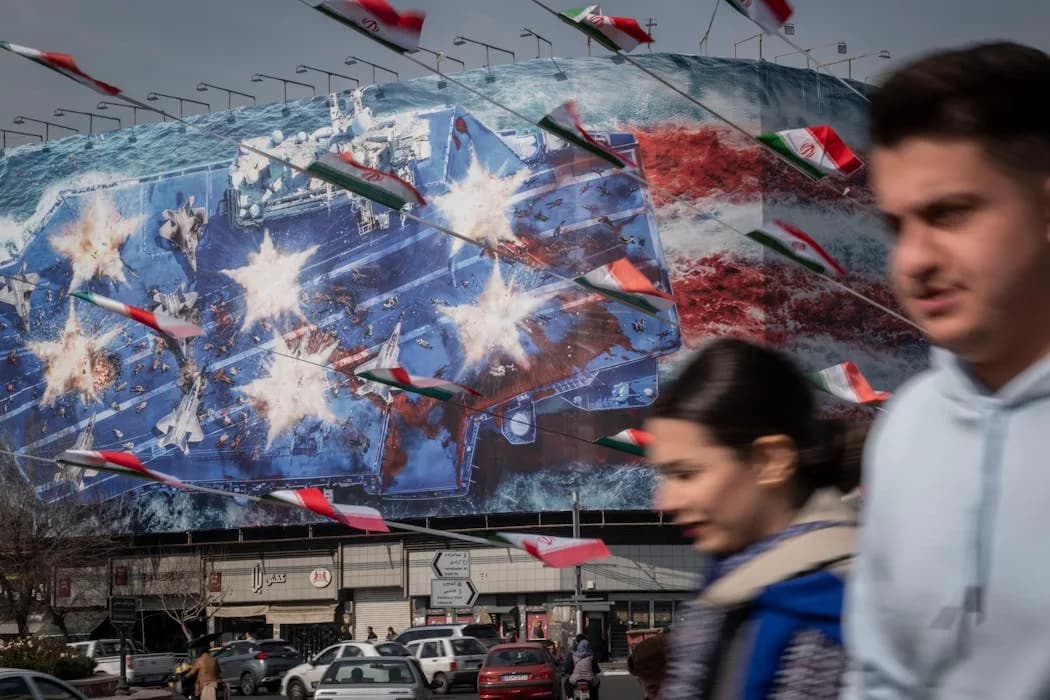
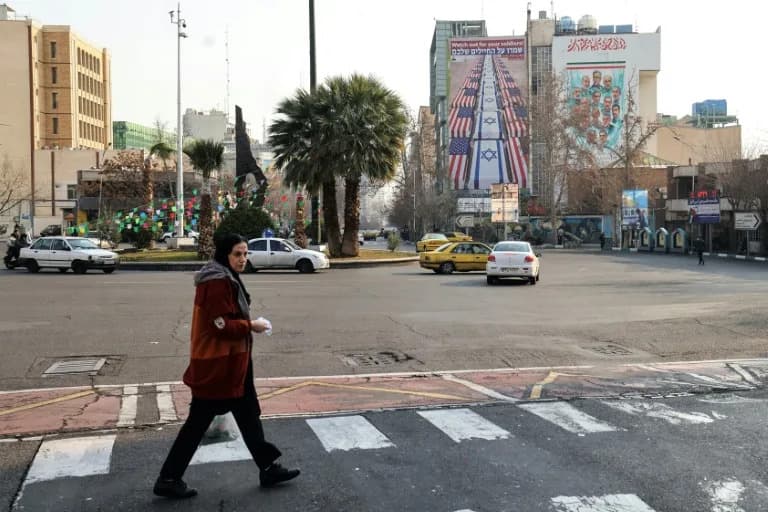
Iranian youths walk past a building covered with a giant billboard depicting an image of the destroyed USS Abraham Lincoln.Morteza Nikoubazl/NurPhoto via Getty Images
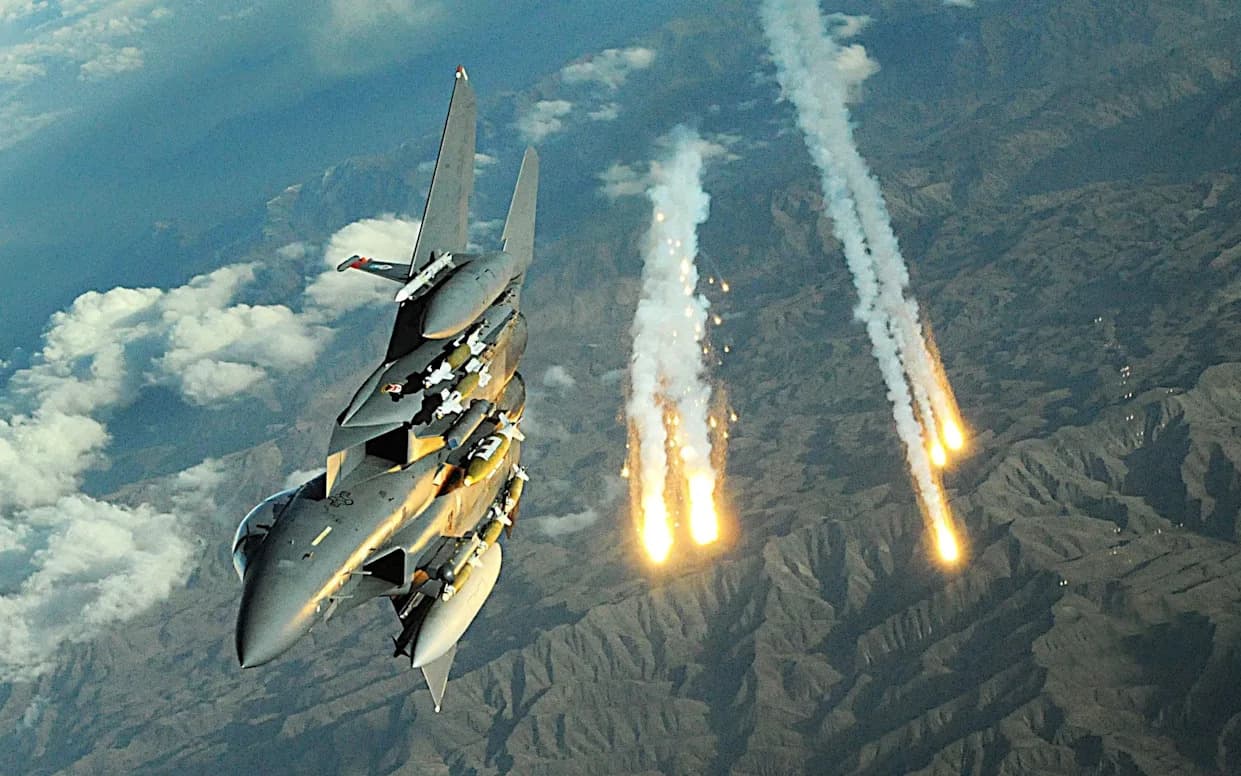
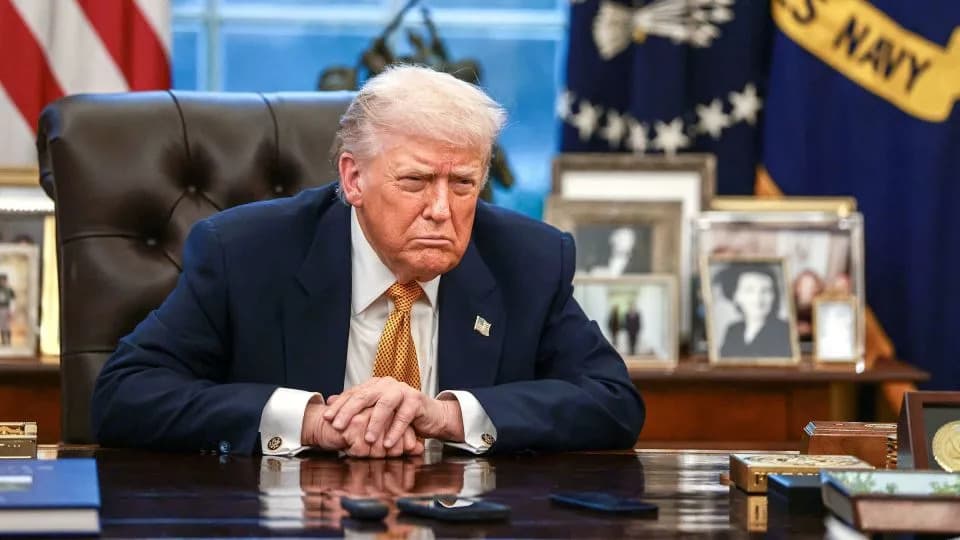
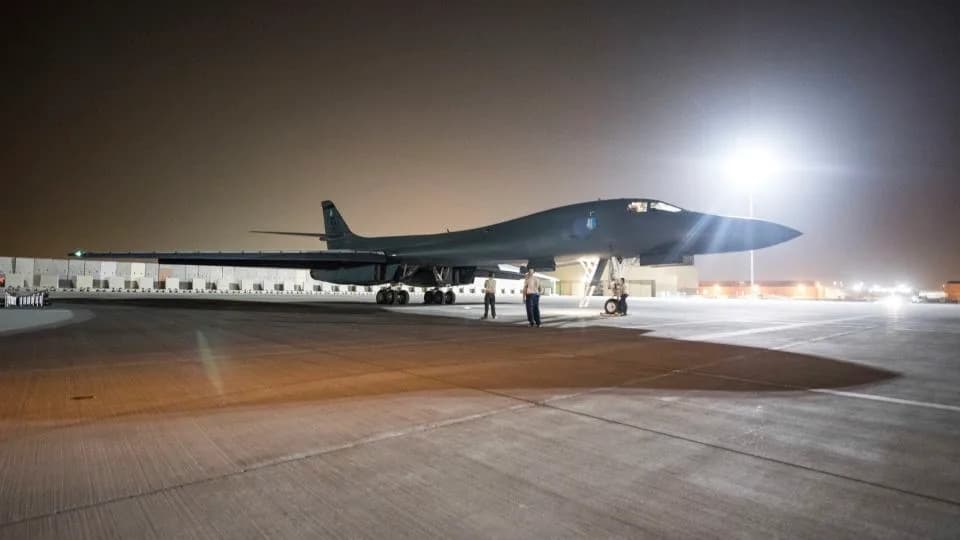
The United States appears to be moving closer to a possible military strike on Iran. On Jan. 28, 2026, President Donald Trump warned Tehran that if it did not accept a set of demands the U.S. could respond “with speed and violence.” To underline the threat, the Pentagon repositioned the aircraft carrier USS Abraham Lincoln, together with destroyers, bombers and fighter jets, to locations within striking range of Iran.
What Washington Is Demanding
At the center of U.S. demands is a permanent end to Iran’s uranium enrichment program. The administration has also pressed for strict limits on ballistic-missile development and for Tehran to stop supporting proxy groups across the region, including Hamas, Hezbollah and the Houthis.
Why a Strike Is Dangerous
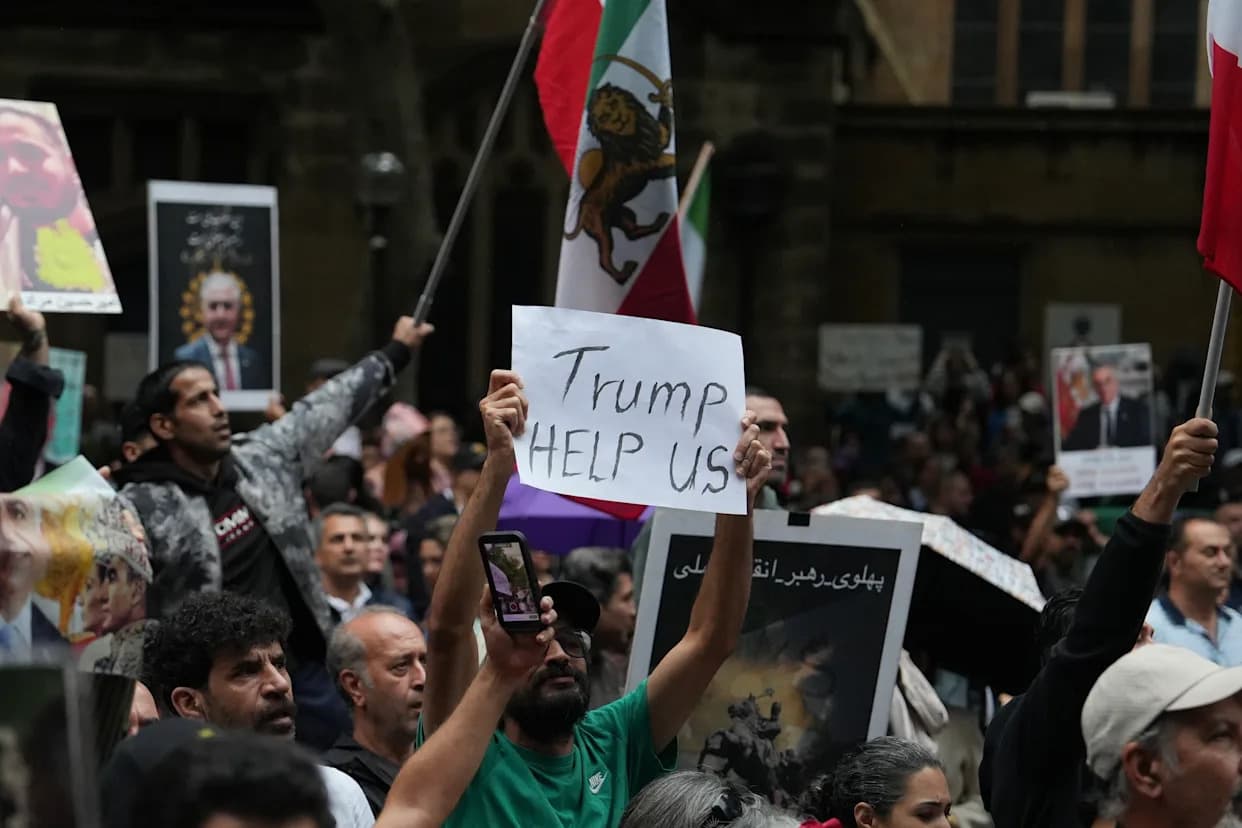
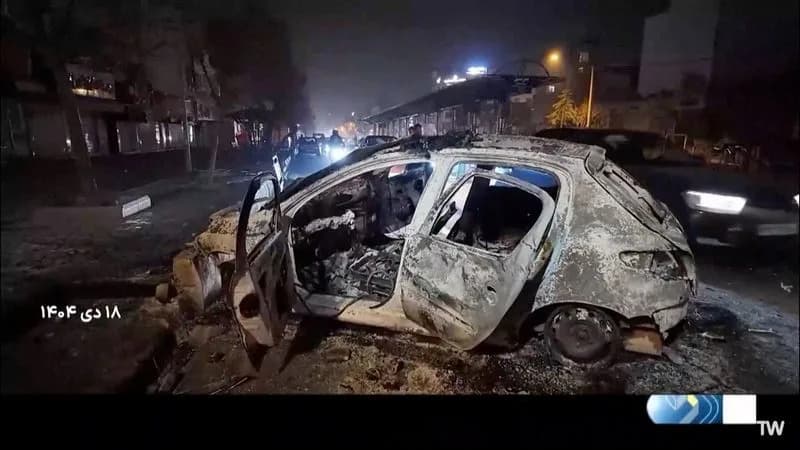
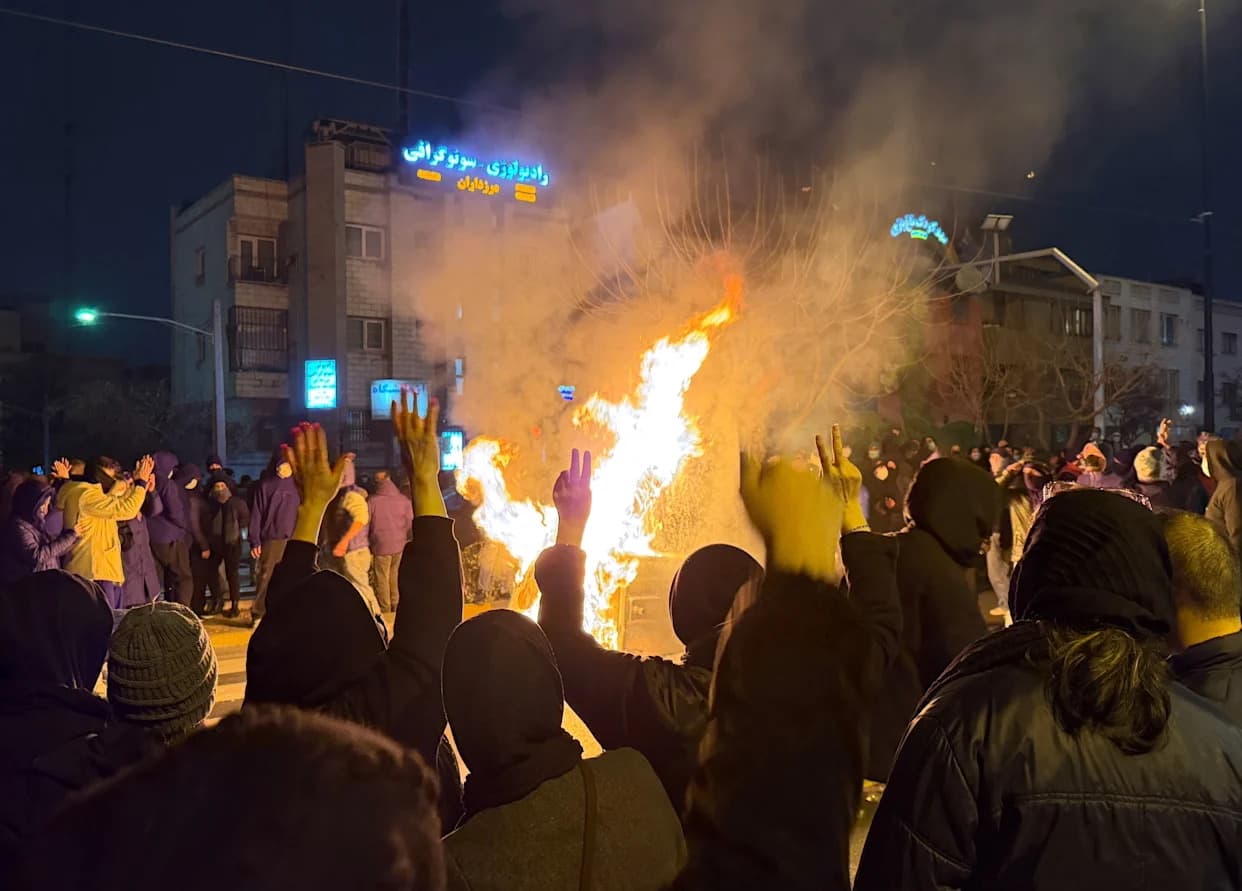
President Trump appears to see an opening in Iran’s political and economic weakness, amplified by large-scale protests in early January. But military action now carries acute risks. As a scholar of Middle Eastern security politics and proliferation, I believe an attack could produce serious, long-term unintended consequences — above all, an acceleration of nuclear proliferation worldwide, whether or not Iran’s government survives the crisis.
Iran is not a fragile state likely to collapse after a single strike. With a population of roughly 93 million and substantial state capacity, Tehran retains layered coercive institutions designed to endure shocks. The Islamic Revolutionary Guard Corps (IRGC) is widely estimated to number from the low hundreds of thousands up to the high hundreds of thousands and can call on auxiliary forces and social networks. After 47 years in power, the Islamic Republic’s institutions are deeply embedded across society.
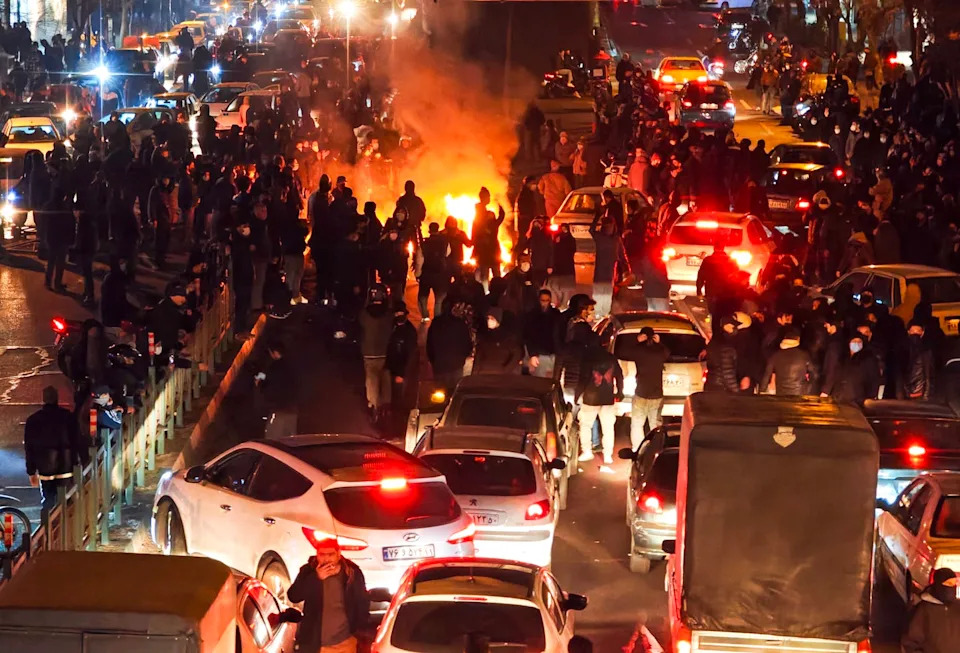
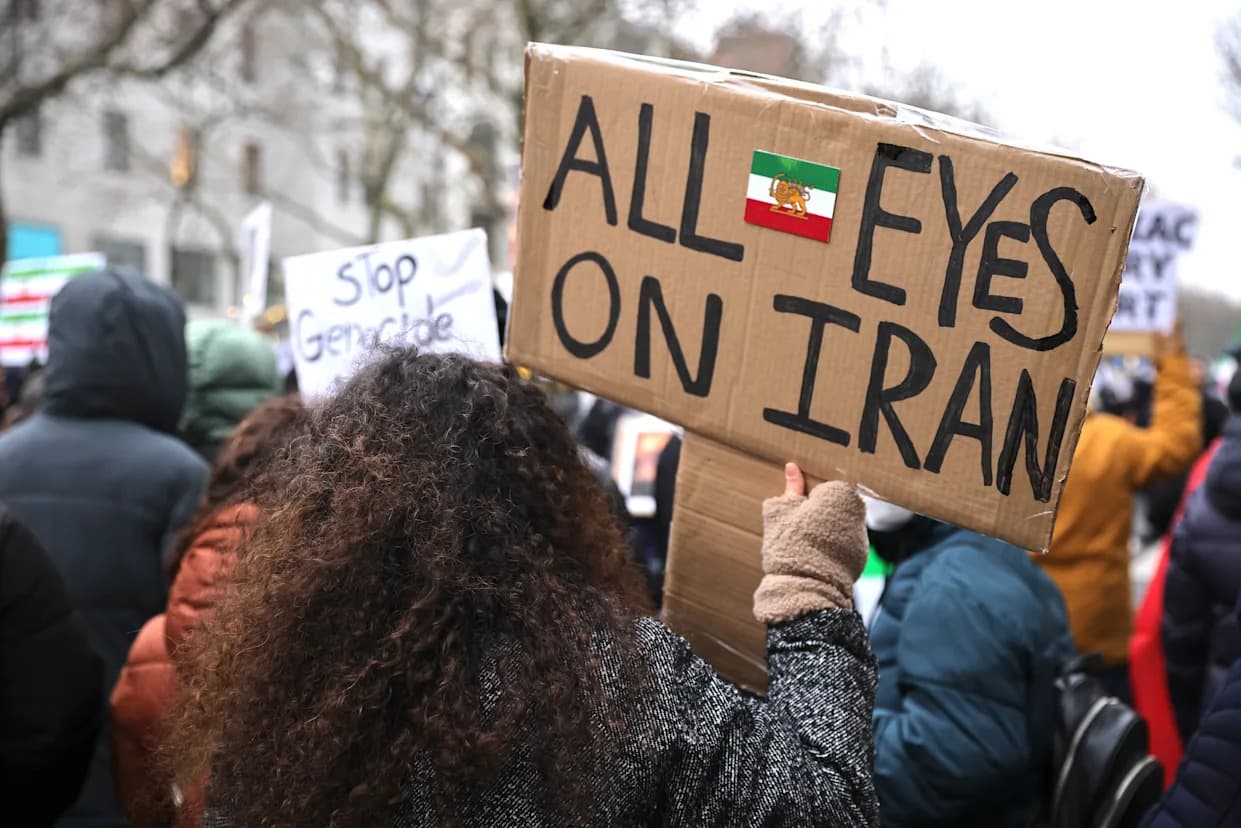
Protesters in Iran on Jan. 8, 2026. Anonymous/Getty Images
Senator Marco Rubio acknowledged the unpredictability of regime change on Jan. 28 when he told lawmakers there was “no simple answer” to what would follow if the government fell, adding: “No one knows who would take over.” Iran’s exiled opposition remains fragmented, disconnected from domestic realities and unlikely to provide a clean governing alternative.
Threshold State Risks
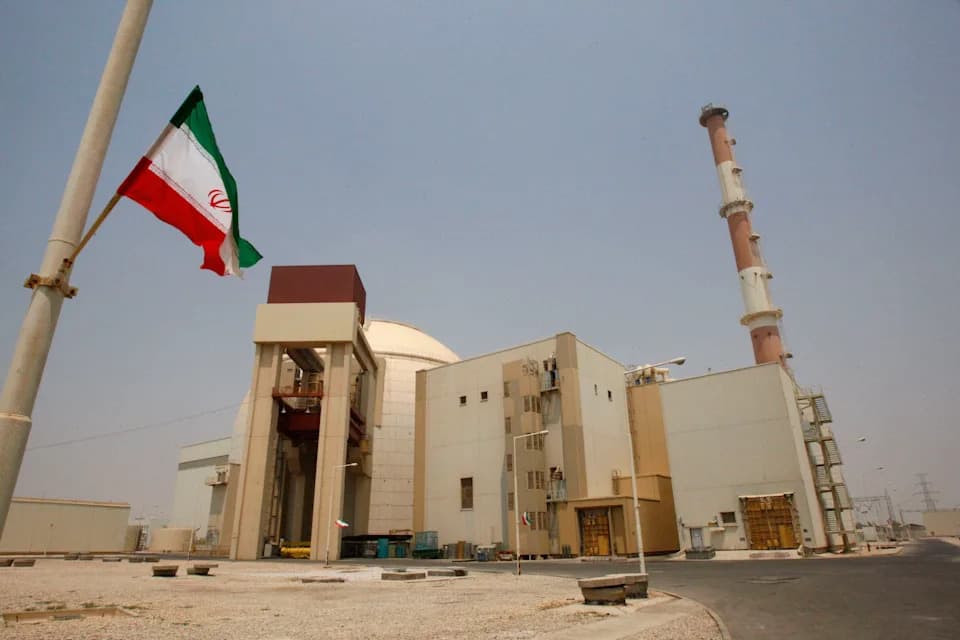
Iran sits at the nuclear threshold: it has the technical knowledge and infrastructure to build a bomb but has not completed the final steps. A destabilized threshold state presents three interrelated dangers:
Loss of centralized control over nuclear materials, facilities and personnel;
Commercialization or export of expertise and technology by competing factions or illicit networks; and
Acceleration dynamics in which states or groups race to secure deterrents before institutions collapse.
Historical Warnings
History offers cautionary examples. The Soviet breakup in the early 1990s produced near-misses and longstanding worries about unsecured nuclear material. The A.Q. Khan network demonstrated how proliferation know-how can travel, as Khan’s contacts and technology reached North Korea, Libya and Iran. Libya’s 2003 renunciation of its program did not spare it from NATO-enabled upheaval in 2011 that toppled Moammar Gaddafi. Ukraine gave up nuclear weapons in 1994 for security assurances — only to see Russia annex Crimea in 2014 and invade in 2022. These cases underline that relinquishing or halting programs does not always guarantee a country’s safety.
The June 2025 strikes on Iranian nuclear sites by Israel and the United States — and the renewed threats from Washington — send a message that stopping short of a weapon may provide little protection. Iranian officials understand that message: Mehdi Mohammadi, a senior presidential adviser, told state television on Jan. 27 that U.S. demands “translate into disarming yourself so we could strike you when we want.” That perception makes nuclear ownership appear, to some, the surest guarantor of survival.
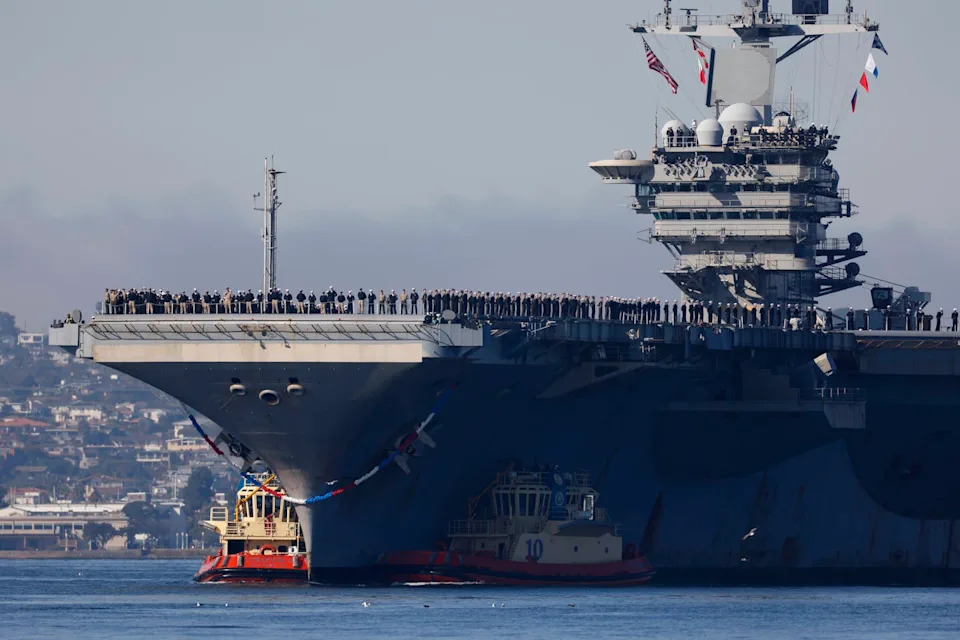
The USS Abraham Lincoln in San Diego Bay on Dec. 20, 2024.Kevin Carter/Getty Images
Implications for the Nonproliferation Regime
U.S. military action would also undermine the international architecture designed to limit proliferation. Until the strikes, the International Atomic Energy Agency (IAEA) had been performing its role — detecting, verifying and alerting the international community. Strikes and the threat of strikes force inspectors out, interrupt continuous monitoring and convey that compliance may not protect a state from military action. If following international rules offers no reliable protection, other states have an incentive to pursue independent deterrents.
Regional and Global Ripple Effects
Gulf states are watching closely. Saudi Crown Prince Mohammed bin Salman has publicly said the kingdom would pursue nuclear weapons if Iran did. A U.S. strike could unsettle, rather than reassure, Gulf partners: the June 2025 strikes were framed as protecting Israel, not the Gulf, which may prompt regional leaders to hedge independently.
Saudi investment in deeper defense ties with Pakistan is already a hedge: Riyadh has provided funds and purchased capabilities, and analysts believe there may be understandings that could permit Saudi access to Pakistani deterrence under certain contingencies. Turkey, which has periodically questioned NATO’s nuclear order, could accelerate moves toward an independent capability if it concludes U.S. security guarantees are selective. Japan and South Korea, who so far rely on U.S. extended deterrence, would also reassess their options if regional proliferation intensified or if destabilized Iran exported know-how and personnel.
In short, rather than consolidating U.S. influence, military strikes risk accelerating hedging, diversifying security ties in the region and eroding the American-led security architecture.
What This Means
If the Iranian leadership survives an attack, I assess it is likely to intensify and accelerate its weapons-related programs. Even if it does not, the disruption to institutions, monitoring and regional security dynamics could make proliferation more likely elsewhere. The clearest risk is strategic: that aspiring nuclear states conclude the only reliable path to security is possession of a nuclear deterrent.
This article is republished from The Conversation. It was written by Farah N. Jan, University of Pennsylvania. The author reports no relevant commercial interests related to this analysis.
Help us improve.