Summary: Iran's atomic chief Mohammad Eslami said the IAEA must clarify its stance on U.S. and Israeli strikes last June before inspectors can visit damaged nuclear sites. He accused the agency of yielding to Israeli and U.S. pressure and said inspections so far have been limited to undamaged facilities. IAEA Director General Rafael Grossi has inspected 13 declared sites that were not targeted but has not accessed the three bombed sites: Natanz, Fordow and Isfahan.
Iran Says IAEA Must Define Position On June Strikes Before Inspecting Bombed Nuclear Sites
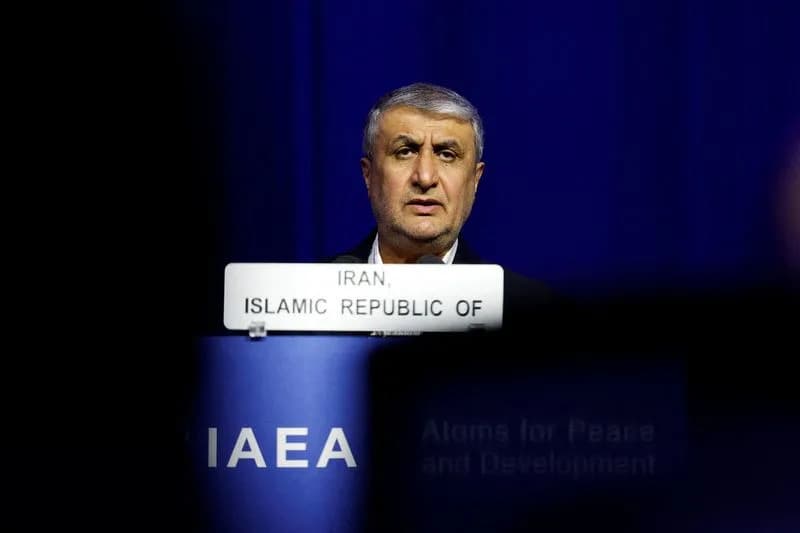
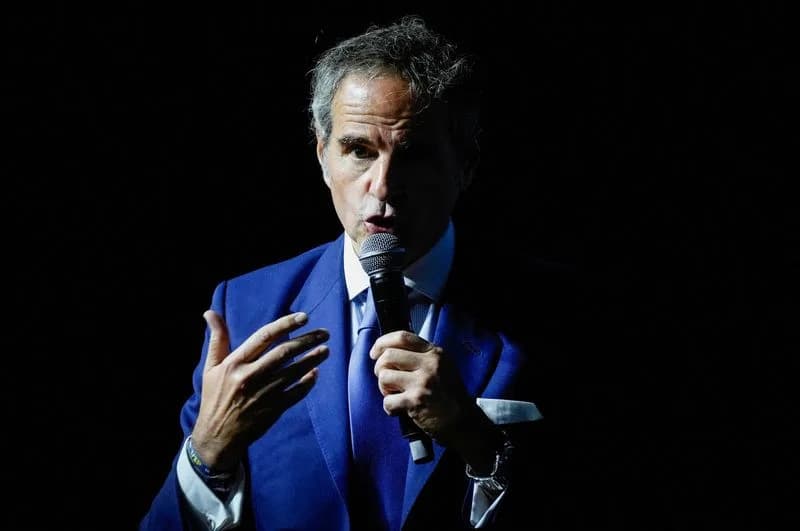
Mohammad Eslami, head of the Atomic Energy Organization of Iran (AEOI), speaks at the opening of the International Atomic Energy Agency (IAEA) General Conference at the agency's headquarters in Vienna, Austria, September 15, 2025. REUTERS/Lisa Leutner
Tehran, Jan. 23 — Iran's atomic energy chief, Mohammad Eslami, said the U.N. nuclear watchdog must clearly state its position on U.S. and Israeli strikes on Iranian nuclear facilities last June before inspectors are allowed to examine the sites that were damaged, state media reported on Friday.
Eslami said inspections to date have been limited to facilities that were not hit and accused the International Atomic Energy Agency (IAEA) of yielding to pressure from Israel and the United States in its approach to Iran.
Addressing comments by IAEA Director General Rafael Grossi, who warned this week that the standoff over site access "cannot go on forever," Eslami stressed the need for a formal protocol to govern inspections of attacked locations.
"Access to sites that were attacked needs a specific protocol," Eslami said. "When a military strike occurs and there are environmental risks, it must be defined and a guideline must be designed."
State television quoted Eslami as saying the agency must clarify its position regarding the military attacks on nuclear facilities that the IAEA has registered and supervises, so Tehran can understand the agency’s role in investigating and remediating such incidents.
He also said Iran submitted a proposal at the IAEA's General Conference last September calling for a ban on attacks against nuclear sites, but that the proposal was not placed on the conference agenda and was effectively ignored.
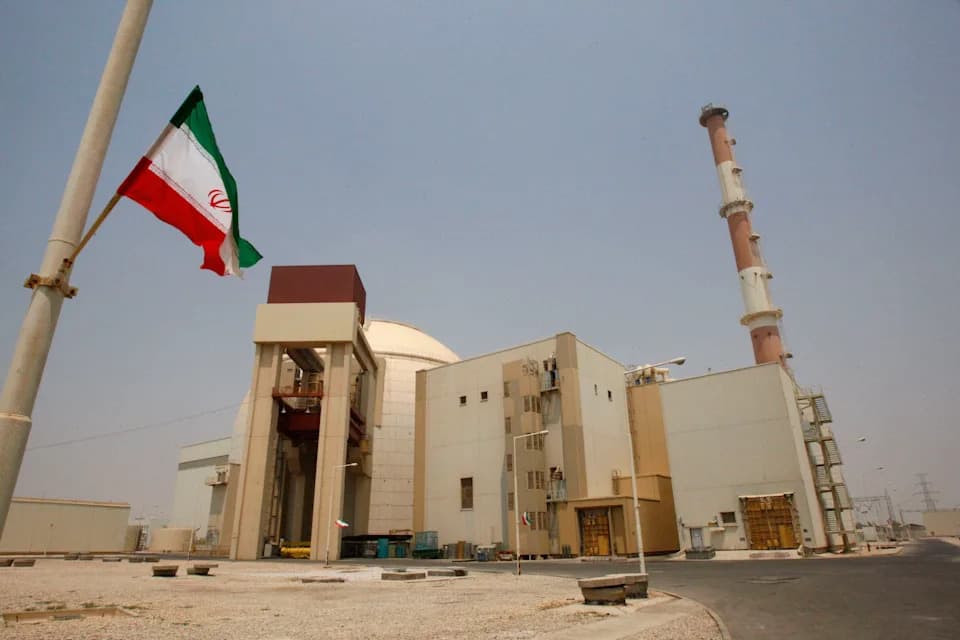
Grossi has not publicly condemned or criticized the June attacks nor has he outlined a formal procedure for inspecting the damaged installations, according to Iranian statements. Grossi told Reuters that the IAEA had been able to inspect all 13 declared Iranian nuclear facilities that were not targeted in the June strikes, but it had not yet inspected the three key sites that were bombed — Natanz, Fordow and Isfahan.
The dispute highlights continuing tension between Tehran and the IAEA over access and oversight of nuclear sites affected by military action, and underscores Iran’s demand for clear, mutually agreed guidelines before allowing inspectors into damaged facilities.
Help us improve.