After a Star Tribune video showed a Border Patrol agent pepper‑spraying a restrained protester in Minneapolis, the Pacific Antifascist Research Collective publicly named the agent as Tyler Gramlin and circulated multilingual flyers. Antifascist researchers, who previously exposed white‑supremacist organizers, now apply similar identification methods to ICE and CBP officers amid reports of abuse and rising detention numbers. Legal and political battles are underway — from state bills aimed at banning masks and requiring ID to federal efforts to prosecute doxing — while advocates argue grassroots exposure fills an accountability gap.
Antifa Turns Doxing on ICE: Activists Identify Border Agents After Minneapolis Pepper‑Spray Video
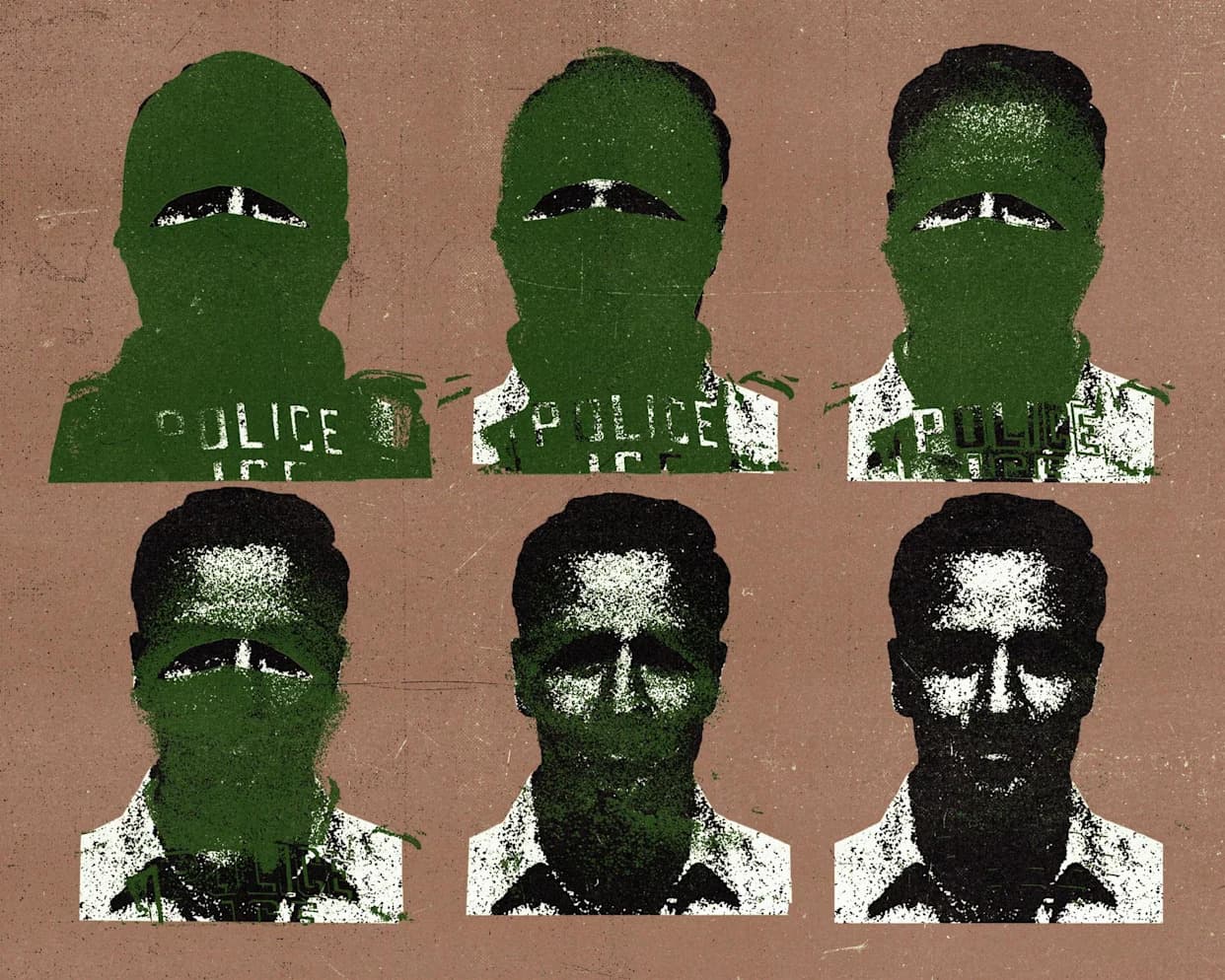
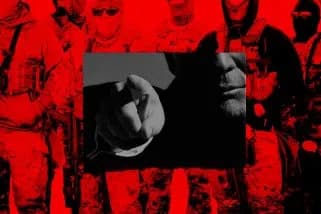
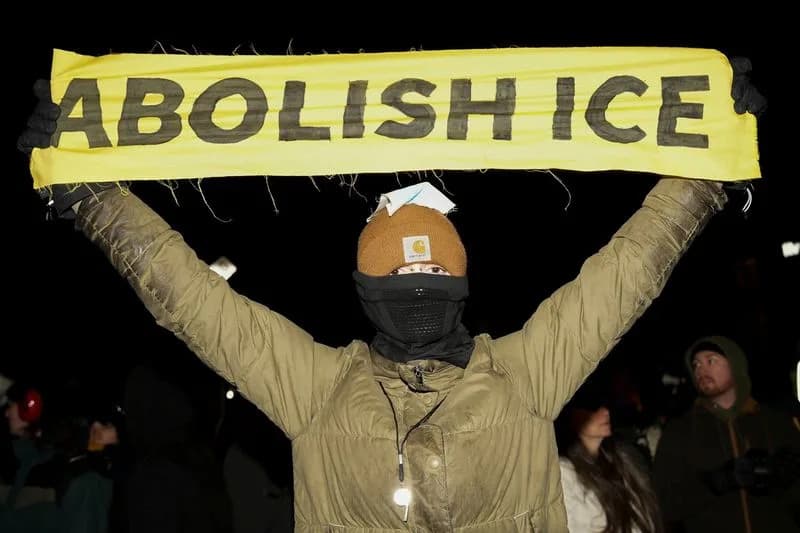
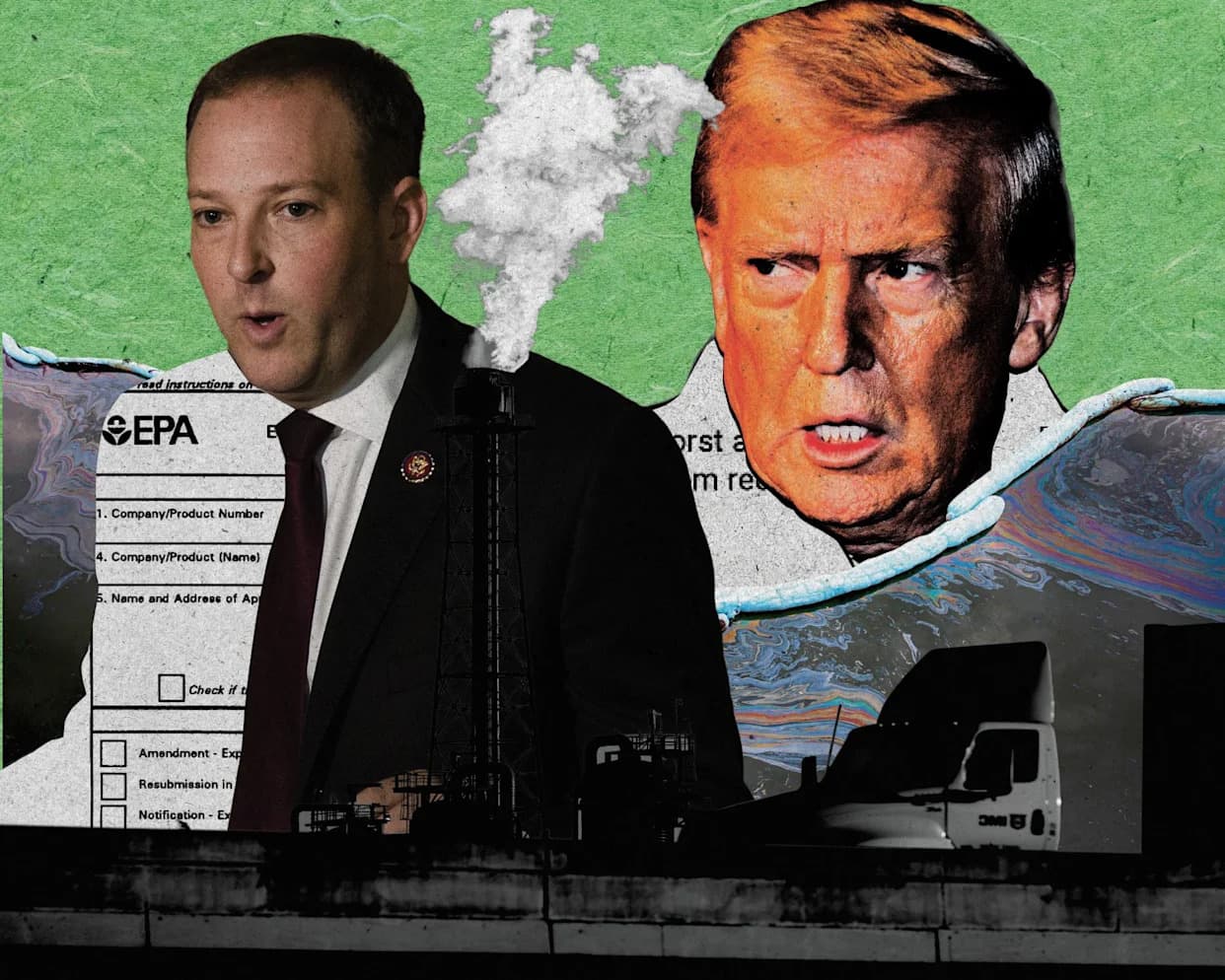
‘Antifa is not an organization,’ one activist said. ‘Antifascism is a natural response to state terror … Anyone can do it.’Illustration: Guardian Design / Getty Images(Illustration: Guardian Design / Getty Images)
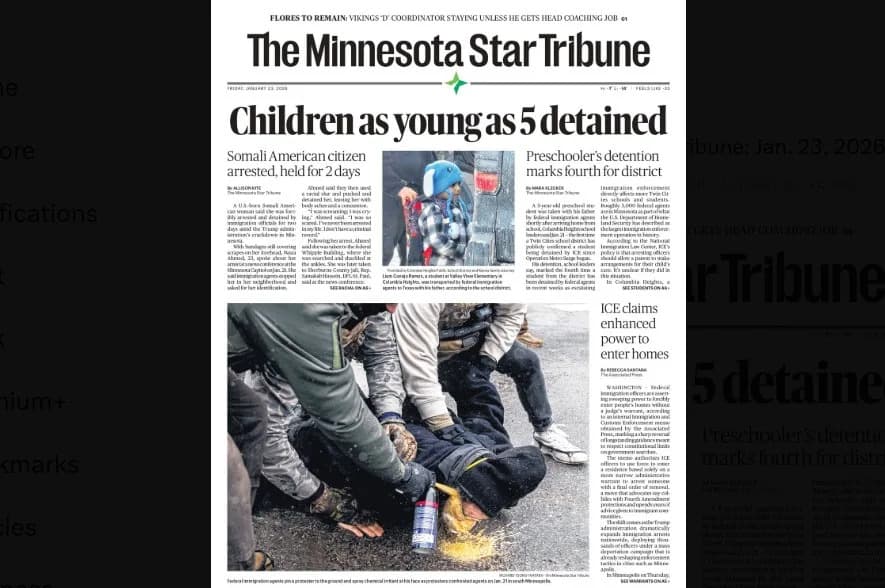
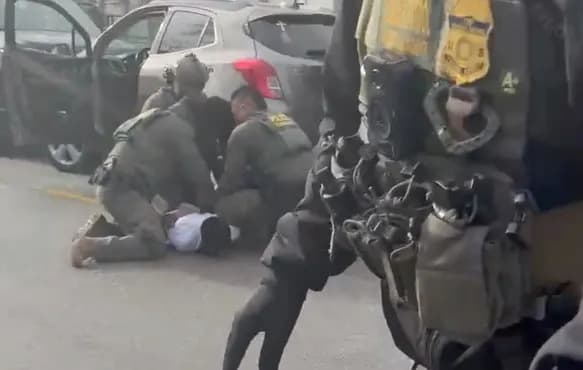
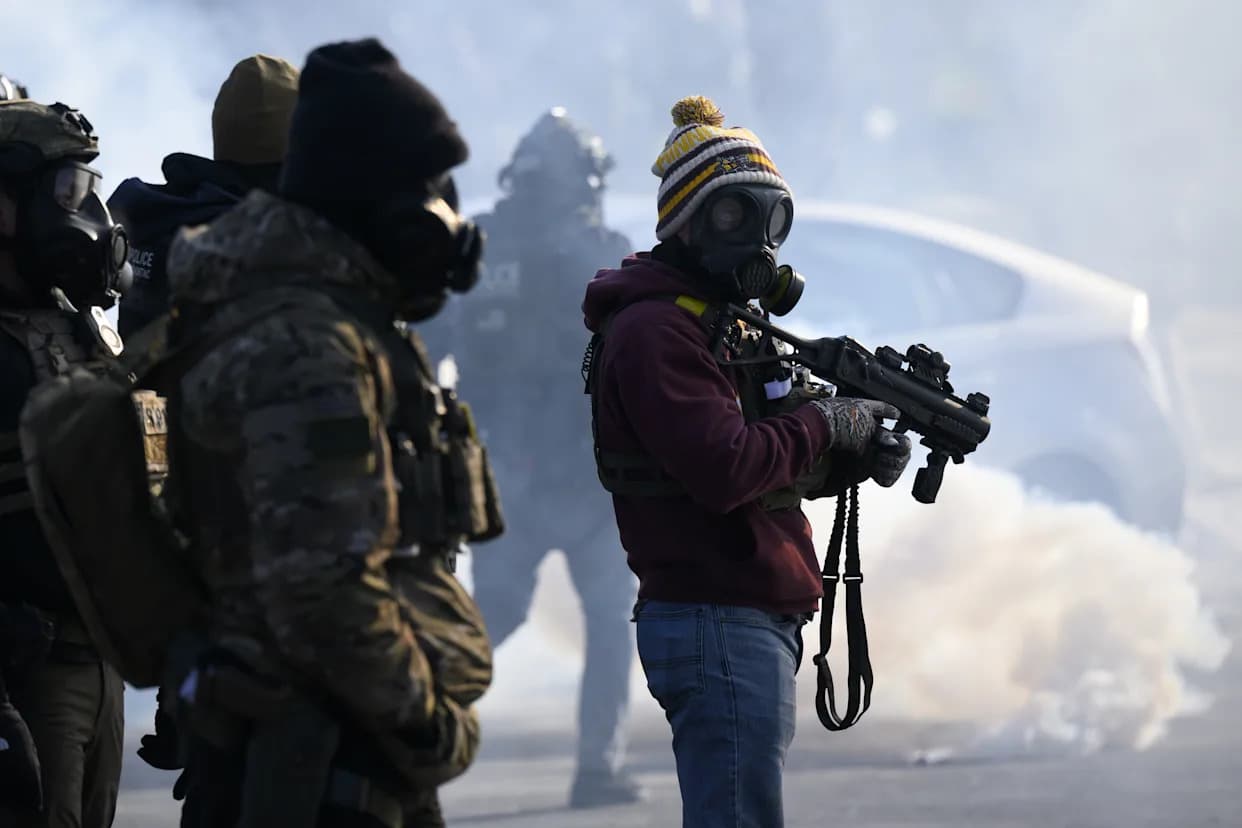
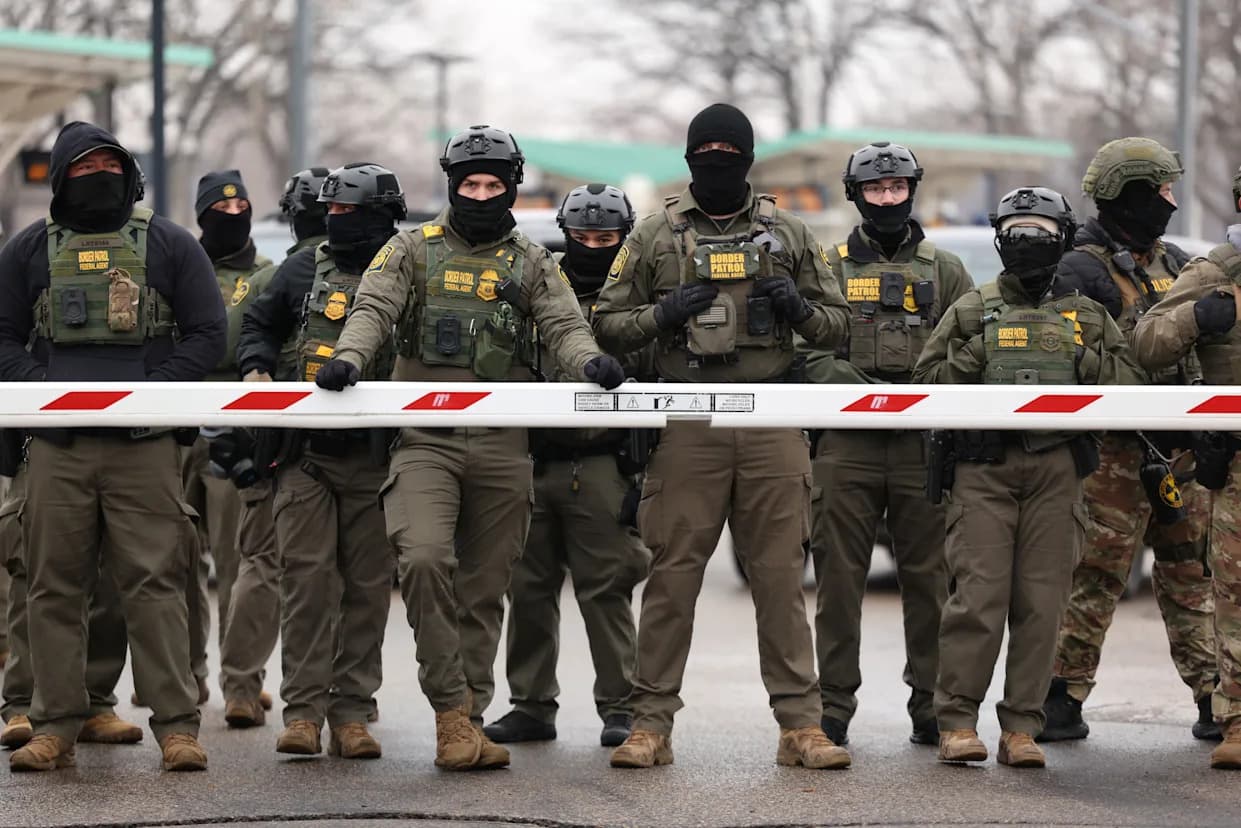
Last week, a Minneapolis Star Tribune photographer captured a Border Patrol agent aiming a canister of pepper spray at a protester who was already restrained and lying face down on the pavement while three other agents held him. The close‑range spraying of the orange irritant — which causes acute pain — was recorded and posted online by the Star Tribune.
Within two hours of the video appearing on social media, the Pacific Antifascist Research Collective (PARC) said it had identified the agent and produced multilingual flyers labeling him as “TYLER GRAMLIN” and calling him a “Suspected Kidnapper/Terrorist” in English, Spanish, Hmong, Somali and Tagalog. The collective also posted the identification for online sharing and for physical posting around Minneapolis.
From Exposing Neo‑Nazis to Targeting Border Agents
Antifascist investigators originally developed rigorous open‑source and undercover research methods to unmask white‑supremacist activists and organizers. Over the past decade they exposed pseudonymous participants in extremist groups by gathering covert audio, photos and private chat logs, and by infiltrating online forums and in‑person networks. That work, while controversial, helped disrupt several far‑right organizations that relied on secrecy.
At the start of the second Trump administration, many activists shifted those same techniques toward immigration enforcement officers. They say the motivation is accountability: detainees in the U.S. immigration system now number more than 70,000, and reports document allegations of abuse, medical neglect and sexual misconduct. In 2025, 32 people died in detention — the deadliest year in more than two decades — and six people died in ICE custody in the first month of 2026 alone, one death later ruled a homicide.
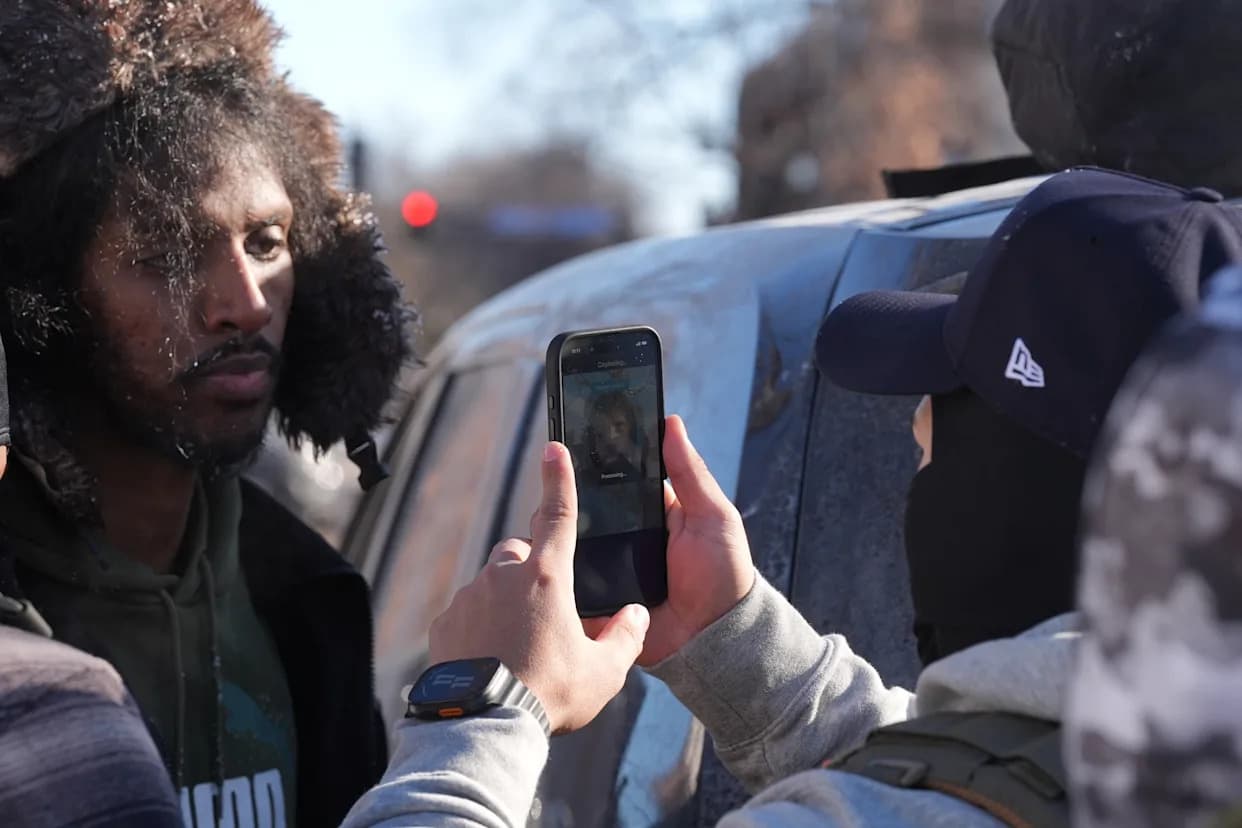
“They want to move through life without being recognized as kidnappers and abusers in their communities,” said a longtime antifascist researcher who asked to be called Riley. “We identify ICE and DHS agents for the same reasons we identify any violent, dangerous people intent on doing harm. They have chosen to prey on the community.”
How Antifa Frames Doxing
Public usage of “doxing” often implies releasing private contact details to invite harassment. Many antifascist groups distinguish their work as naming and shaming individuals who take part in organized violence or state‑sanctioned harm — a practice they compare to historic efforts to unmask lynchers and Klansmen. Supporters argue that revealing identities imposes social and professional consequences on people who otherwise operate with impunity.
Critics warn that doxing can endanger individuals and may invite harassment or vigilante action. Legal consequences are already emerging: federal prosecutors have pursued charges in at least one case where activists allegedly posted the home address of an agent. The statute used requires prosecutors to prove an intent to threaten, intimidate or incite violence.
Political And Legal Response
Legislative efforts to require visible identification for federal immigration officers are advancing in some state houses. California lawmakers passed measures including the No Secret Police Act and a bill requiring visible identification for federal immigration officers, but the White House has sued over the legislation and legal experts express skepticism about their ability to survive court challenges. Similar bills have been proposed in roughly 15 states.
Independently run projects, such as ICE List, collect tips about the identities of immigration agents. ICE List's operator says he receives information from bartenders and hotel staff who observe agents' IDs when they use services while on assignment.
At the federal level, a Justice Department memo instructed U.S. attorneys to develop strategies for addressing what it characterized as doxing and obstruction of immigration enforcement linked to “antifa.” Administrations and officials have signaled a tougher prosecutorial approach against people who publish identifying information about enforcement personnel.
Community Responses And Risks
Some local officials have publicly embraced strong rhetoric. In Philadelphia, District Attorney Larry Krasner warned ICE agents that the city would pursue accountability and suggested civic efforts could unmask abusive officers. At the same time, DHS condemned doxing campaigns and warned of prosecution, framing the actions as dangerous and potentially aligned with criminal actors.
PARC and other local antifascist collectives say they will continue to identify agents they believe are responsible for abusive practices. DHS spokespersons responding to inquiries characterized the Minneapolis incident as a crowd‑control measure and stated the agency believes the officer in the footage was assaulted, while also not contesting the identity named by the collective in public comments to reporters.
Those involved in the antifascist research say their work is a grassroots accountability mechanism where institutional oversight falls short. Opponents and legal authorities argue the tactic risks vigilantism and may violate laws protecting federal employees. The debate raises urgent questions about how to balance transparency, public safety and the rights of individuals when conflict centers on state use of force.
To Catch a Fascist: The Fight to Expose the Radical Right (out 5 February) explores this new wave of antifascist research and its consequences.
Help us improve.