The Fongoli chimpanzees of southeast Senegal — a community of about 35 apes — survive in hot savannah woodlands by soaking in pools, sheltering in caves and fashioning spears to hunt bush babies. Primatologist Jill Pruetz has compiled 25 years of field data, documenting nearly 600 female-led hunting-with-tools events and detailed social dynamics among the group’s 10 adult males. The research sheds light on potential behaviours of early human ancestors while highlighting urgent threats from rising temperatures and a local gold-mining boom.
Savannah Chimps in Senegal Use Spears and Pools — 25 Years of Breakthrough Research on Humanity’s Past
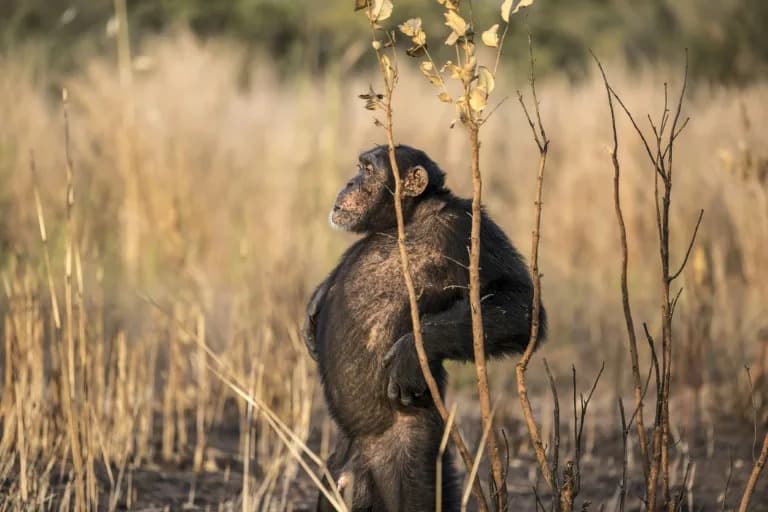
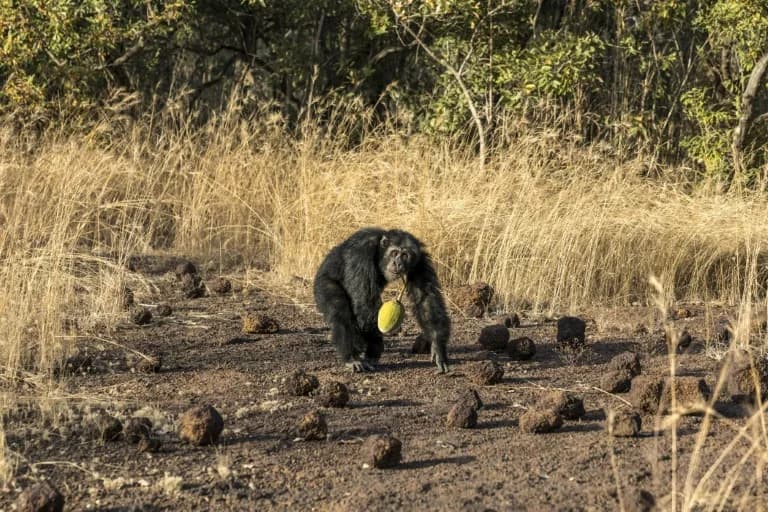
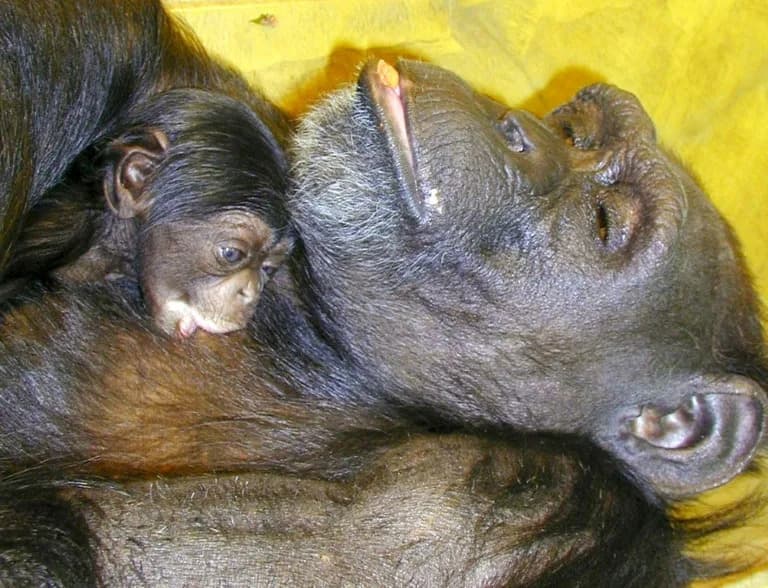
The Fongoli chimps, such as Pistache seen here, exhibit unique behaviours including soaking in pools, cooling off in caves and the females wielding spears (PATRICK MEINHARDT)(PATRICK MEINHARDT/AFP/AFP)
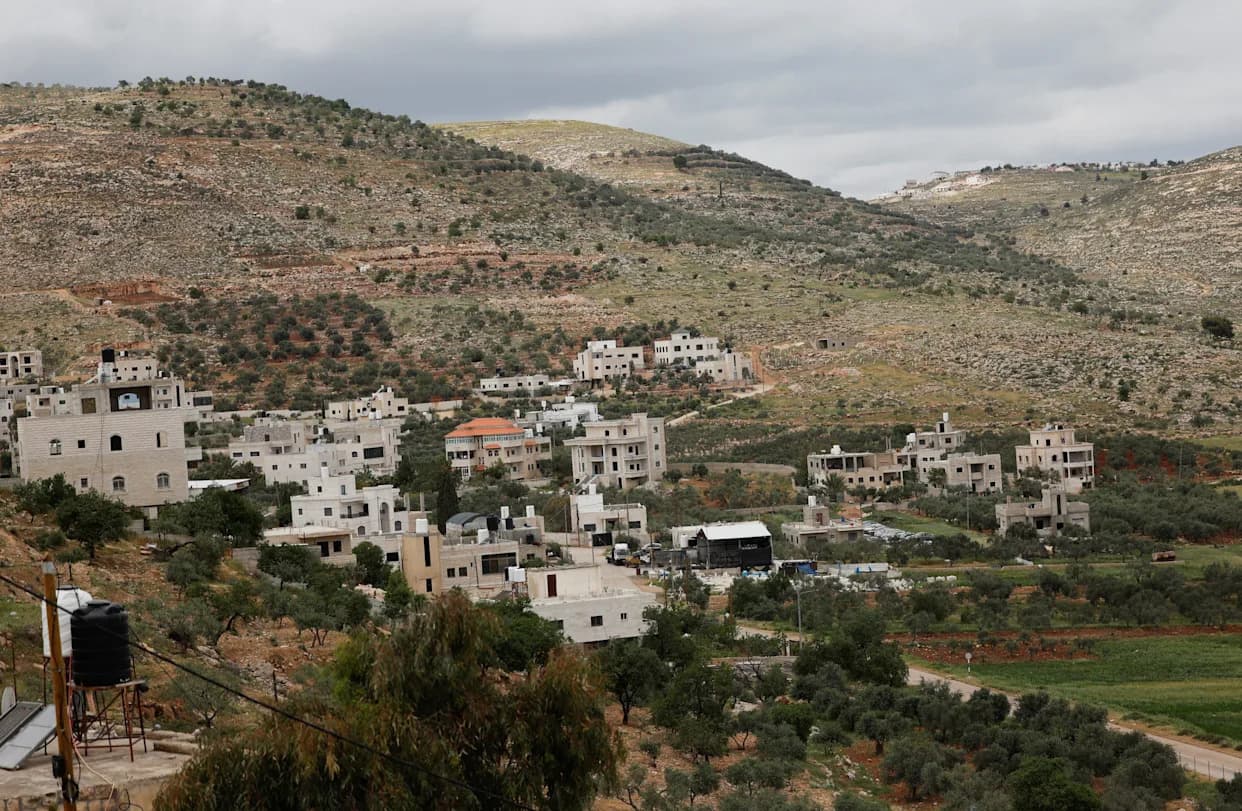
A shriek split the dawn over the dry Sahel scrub as the wild chimpanzees of Fongoli greeted the day. Unlike most chimp communities that live in dense forests, the roughly 35 members of the Fongoli group inhabit hot, thorny savannah woodlands in southeast Senegal — a landscape that offers fresh windows into both chimp behaviour and possible clues about early human life.
Distinctive Adaptations in a Harsh Landscape
The Fongoli chimpanzees have developed a remarkable set of behaviours to cope with extreme heat and an open environment. They soak in natural pools to cool off, rest in cave shelters where temperatures are lower, and even fashion and use crude spears to hunt nocturnal primates known as bush babies. These tool-assisted hunts have been recorded almost 600 times, and they are primarily carried out by females — making the Fongoli females the only non-human animals documented to systematically use tools to hunt.
“They have to deal with the hottest area that we've studied chimps in,” says primatologist Jill Pruetz, who has led the long-term research at Fongoli. “They must minimize energy expenditure during the dry season and use creative strategies to survive.”
Long-Term Study and Social Dynamics
Pruetz and her team have followed the community for 25 years, building one of the few longitudinal datasets on savannah-dwelling chimpanzees. The group occupies a home range of about 100 square kilometres (40 square miles) and currently includes 10 adult males with a clear dominance hierarchy led by an alpha male known as Cy. Researchers typically shadow one adult male each day to collect continuous behavioral data while taking precautions — such as not following females in strict rotation — to reduce poaching risks.
Daily field notes record fine details: how many times an individual strikes a baobab fruit, which arm they prefer, hunting events, social bonds, and changing relationships across years. The extended study allows scientists to track cultural transmission of behaviours, such as spear-making and hunting techniques, from one generation to the next.
Conservation Threats: Heat, Mining and Human Contact
Heat indices in the dry season have reached near 49°C (120°F), pushing the apes to the limits of thermal tolerance. At the same time, a recent gold rush has introduced artisanal and industrial mining to the region. Mining can cause water pollution, habitat degradation, increased human-wildlife contact and the potential spread of human diseases to chimpanzees. Local mining activity is audible at dawn, with rock-crushing machines and fires at small sites visible across the landscape.
Researchers working at Fongoli include locally born research assistants and a project manager from nearby villages, and the work informs conservation decisions at national and regional levels. Papa Ibnou Ndiaye of Cheikh Anta Diop University in Dakar emphasizes that long-term data helps authorities make better-informed choices to protect Senegal’s biodiversity.
Why Fongoli Matters to Human Origins Research
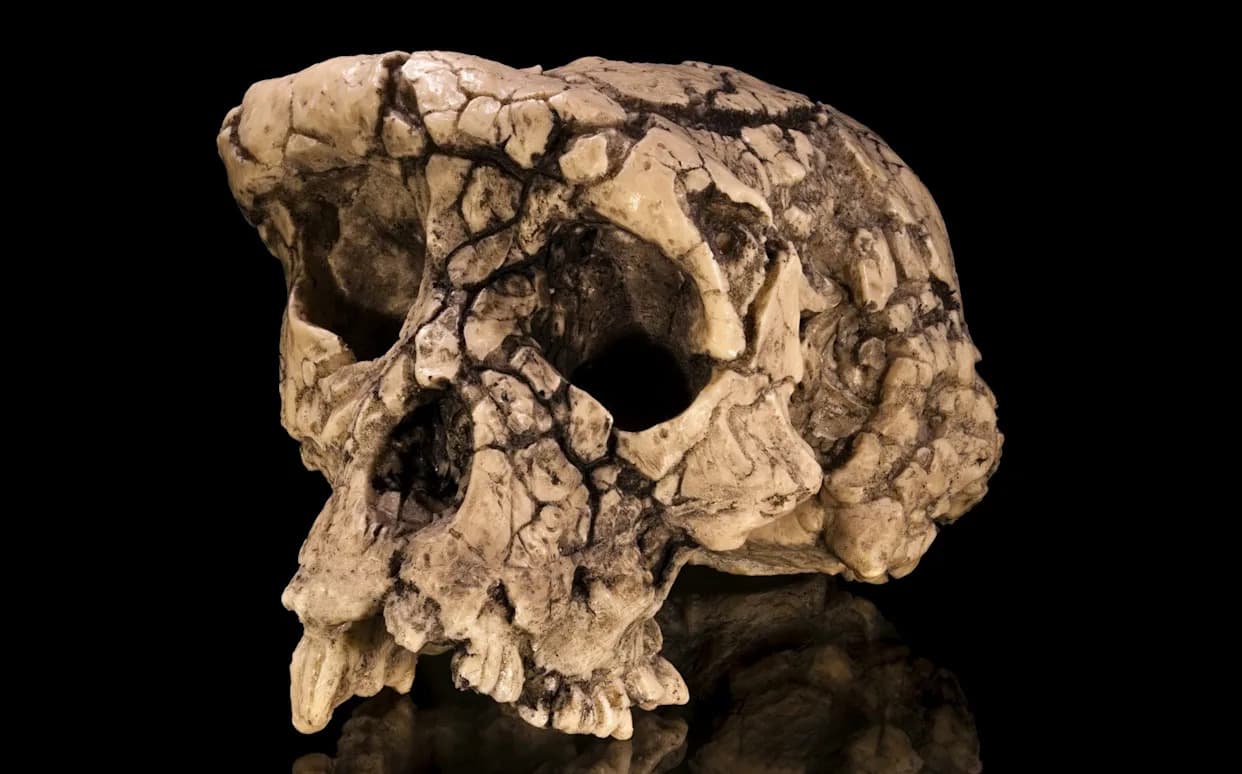
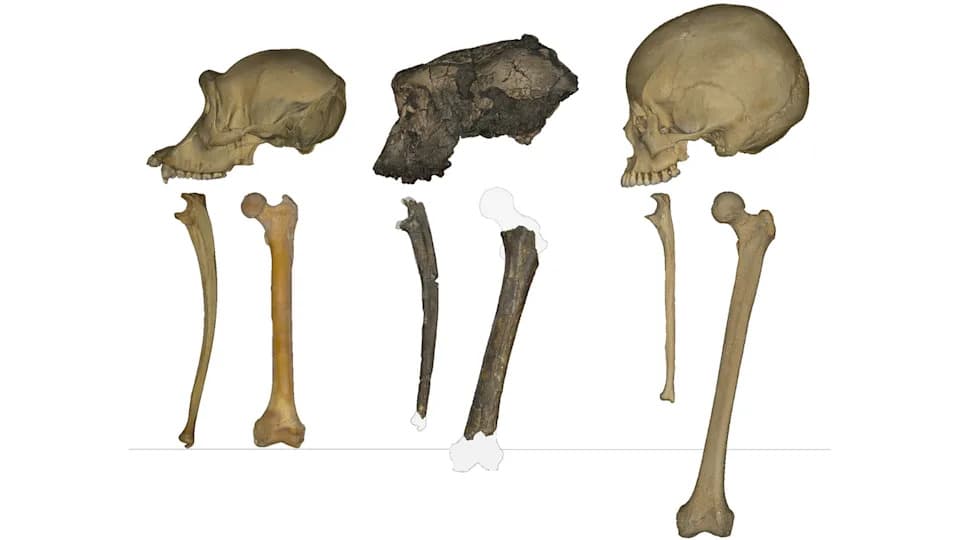
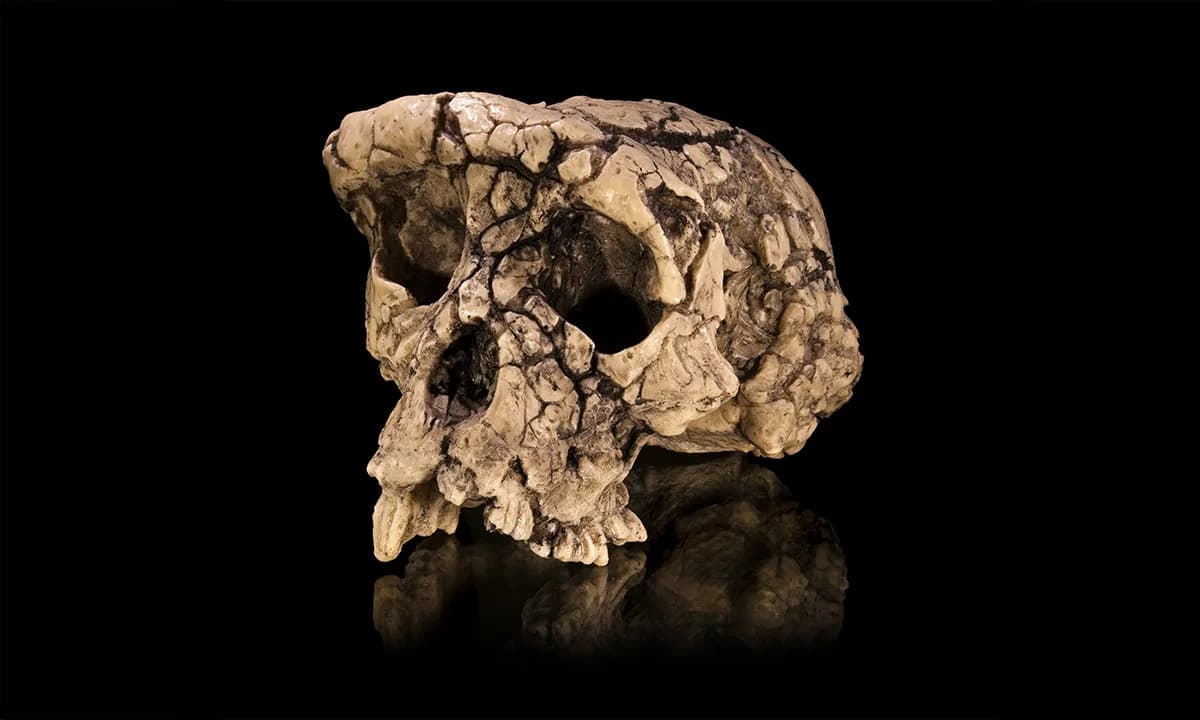
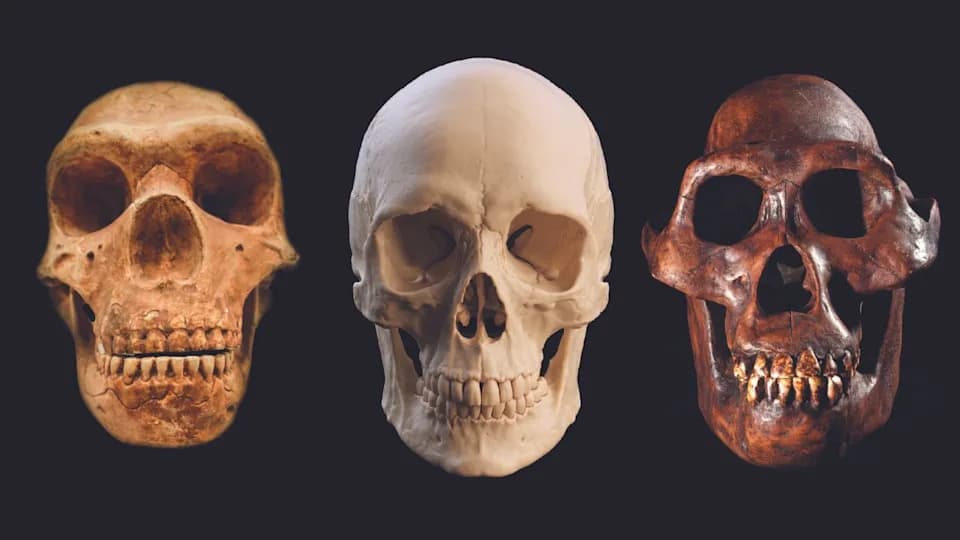
The mosaic savannah-woodland habitat at Fongoli resembles environments inhabited by early hominins some six to seven million years ago. By studying tool use, sheltering behaviour and heat-coping strategies in our closest living relatives (chimpanzees and bonobos), researchers can test hypotheses about how early bipedal ancestors may have exploited similar landscapes.
Pruetz divides her time between fieldwork and an academic post at Texas State University while her Senegalese team maintains daily tracking. The combination of deep, long-term observation and local collaboration makes the Fongoli project uniquely positioned to reveal how primates adapt to changing environments — and what those adaptations might imply for the story of human evolution.
Key facts: ~35 chimps in the Fongoli community; 25 years of continuous study; nearly 600 documented female-led spear hunts; ~100 km² home range; heat index up to 49°C; growing threats from gold mining and habitat disturbance.
Help us improve.