Hybrid animals—offspring of two different species—arise naturally and through human-directed breeding, producing some of the planet’s most visually striking creatures. Examples range from the enormous liger to rare wholphins and practical livestock hybrids like beefalo. While hybrids can offer genetic diversity and useful traits, they also raise conservation, fertility and ethical concerns. Scientific study of hybridization and introgression shows hybrids can both challenge species definitions and sometimes provide adaptive benefits.
Jaw‑Dropping Hybrid Animals: The Most Astonishing Crossbreeds on Earth
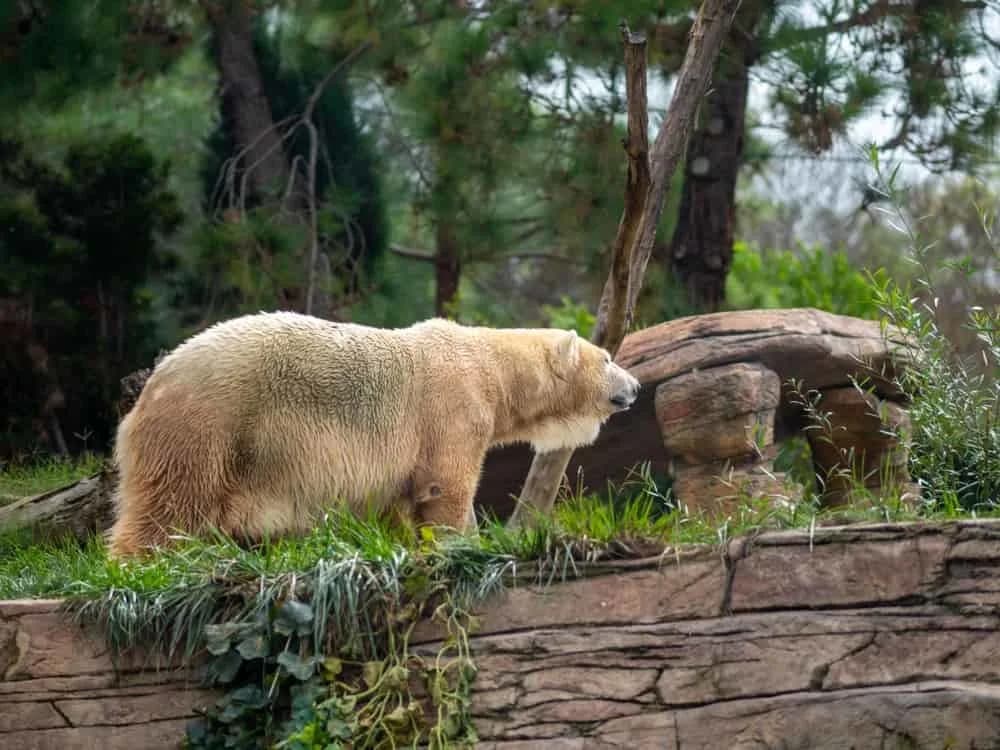
The close-up profile shot of a Pizzly bear in the greenery© Wirestock Creators/Shutterstock.com
Nature keeps surprising us, and hybrid animals—offspring of two different species—are among the most remarkable examples. Some hybrids form naturally where ranges overlap; others result from human-directed breeding in zoos, farms, or research programs. These crosses can produce creatures that look unreal, combining striking traits from each parent.
©AkulininaOlga/Shutterstock.com(AkulininaOlga/Shutterstock.com)
What Is A Hybrid?
A hybrid is the offspring of two different species or subspecies. Hybrids can occur naturally or be created by humans. While some hybrids are sterile or suffer health issues, others benefit from increased genetic diversity and useful combinations of traits. Conservationists generally discourage intentional hybridization when it risks diluting the genetic identity of threatened species.
©BalkansCat/iStock via Getty Images(BalkansCat/iStock via Getty Images)
Notable Hybrid Animals
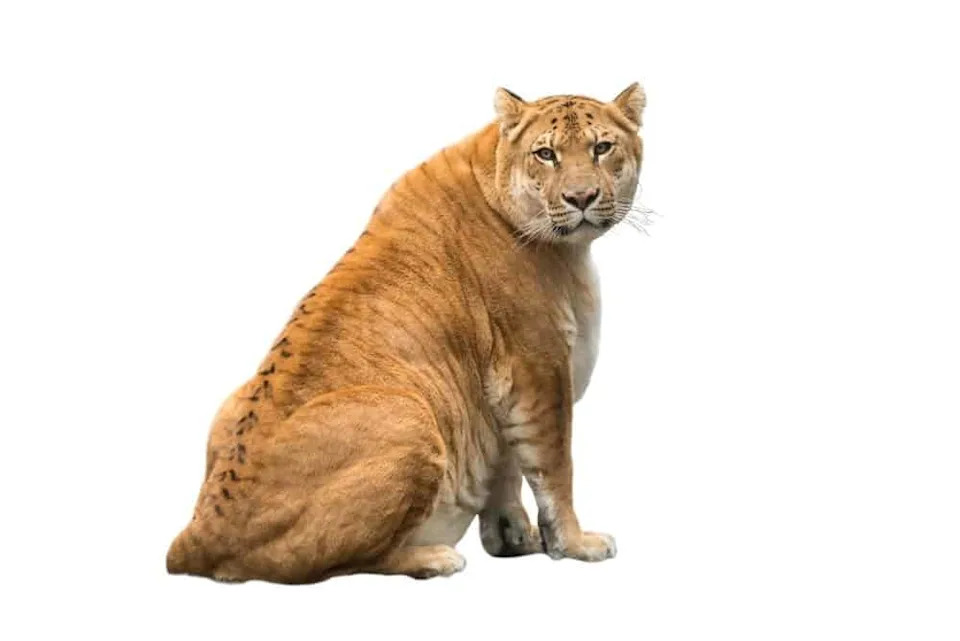
Liger (Male Lion × Female Tiger)
The liger is one of the best-known hybrids and the largest of the big cat crosses. Ligers typically resemble lions in appearance and behavior but often inherit tiger traits such as a love of swimming and faint dorsal striping. Some of the largest non-obese ligers can weigh 800–900 pounds. Because lions and tigers do not share natural ranges, ligers are essentially a captive phenomenon.

©AkulininaOlga/Shutterstock.com(AkulininaOlga/Shutterstock.com)
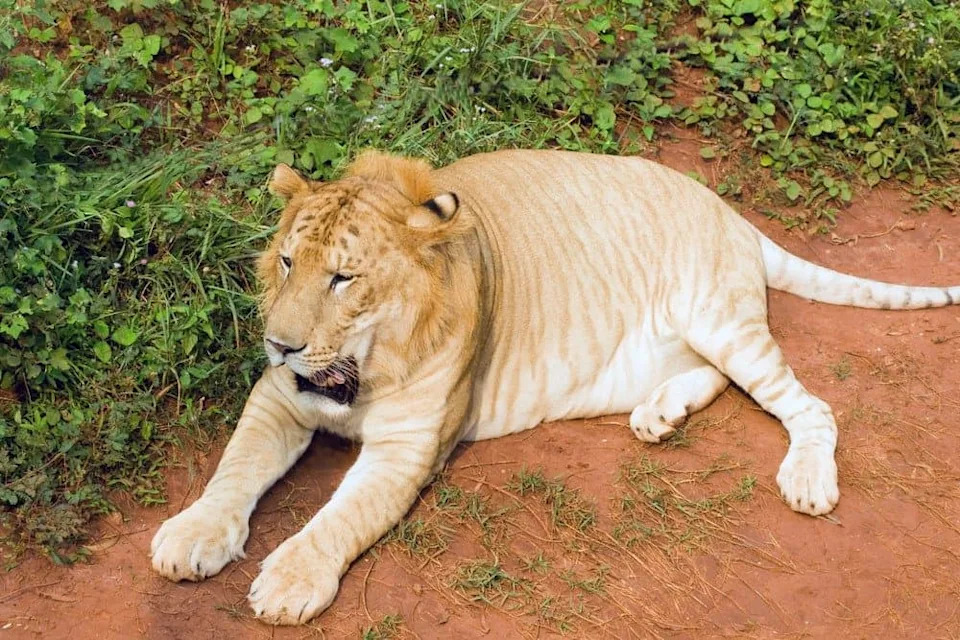
Tigon (Male Tiger × Female Lion)
Tigons result when a male tiger mates with a female lion. They are generally much smaller than ligers—often around 180 kg (about 400 lb)—and may show a mix of tiger-like appearance and social behaviors inherited from lions. Growth-limiting genes from both parents often keep tigons smaller than either parent species.
©Igumnova Irina/Shutterstock.com(Igumnova Irina/Shutterstock.com)
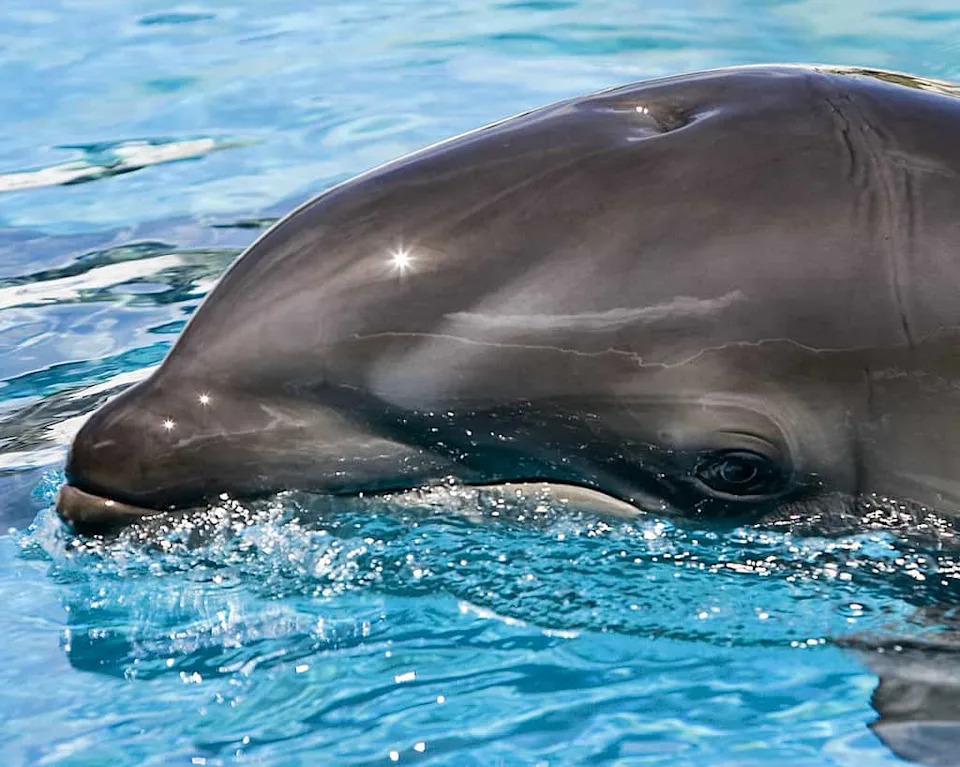
Wholphin (Female Bottlenose Dolphin × Male False Killer Whale)
Wholphins are extremely rare and are almost always documented in captivity. They blend parental features—typically a dark gray skin tone between a dolphin’s light gray and a false killer whale’s black—and interestingly possess about 66 teeth, roughly midway between the two parents’ counts.
©
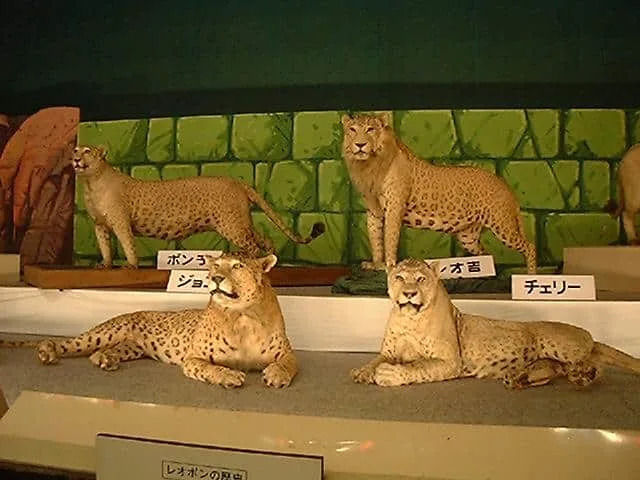
Leopon / Lipard (Male Leopard × Female Lion or Male Lion × Female Leopard)
Leopons (male leopard × female lion) often grow nearly as large as lions but retain shorter legs and climbing ability like leopards. The reverse cross (male lion × female leopard) is called a lipard. Because of the size difference between male lions and female leopards, these pairings are rare and usually occur only in captivity.
©
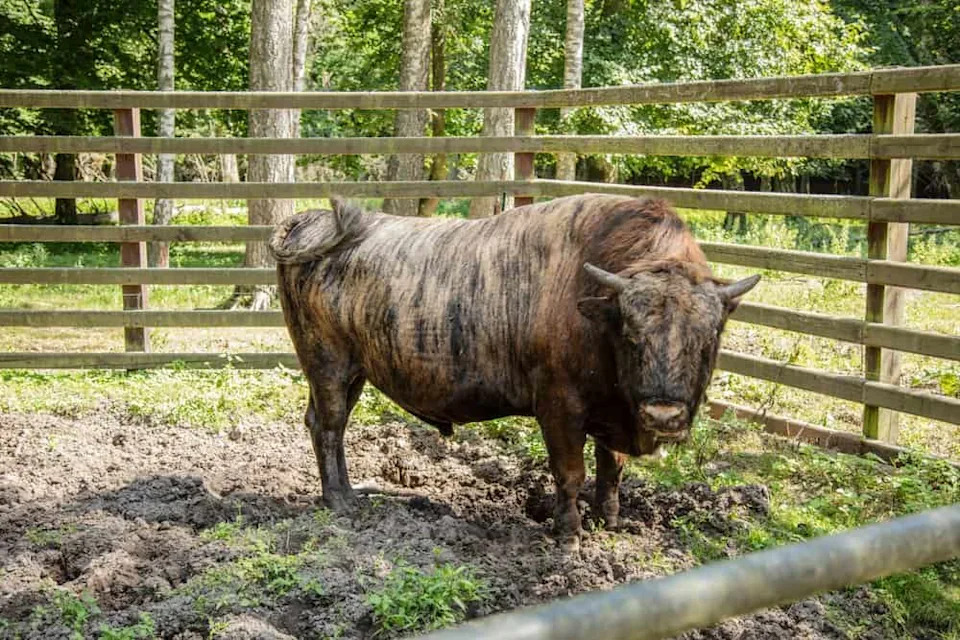
Beefalo / Cattalo (Domestic Cattle × American Bison)
Beefalo are cattle–bison hybrids developed to combine bison’s lean, flavorful meat with cattle’s docility. In the U.S., “beefalo” commonly refers to animals that are about 37.5% bison; “cattalo” is a broader term. Unlike many hybrids, beefalo can be fertile and reproduce, which makes them practical for certain agricultural uses.
©Maslowski Marcin/Shutterstock.com(Maslowski Marcin/Shutterstock.com)
Pizzly / Grolar Bear (Grizzly Bear × Polar Bear)
Pizzly bears (also called grolar bears) are hybrids between grizzlies and polar bears. Historically rare because the species occupied different habitats, these hybrids are becoming more common where ranges overlap. They may be slightly smaller than polar bears and can carry traits that help them cope with warmer climates.

©iStock.com/Philippe Clement(iStock.com/Philippe Clement)
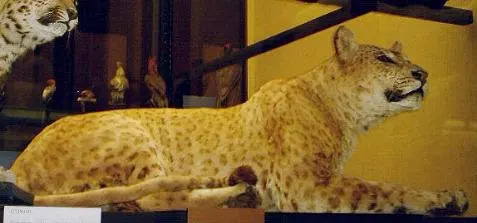
Jaglion / Liguar (Male Jaguar × Female Lion or Male Lion × Female Jaguar)
Jaglions (male jaguar × female lion) are very uncommon. Documented examples show striking variation: some cubs display lion coloration with jaguar rosettes, while others inherit the dark coat of black jaguars. The opposite pairing is sometimes called a liguar.
©
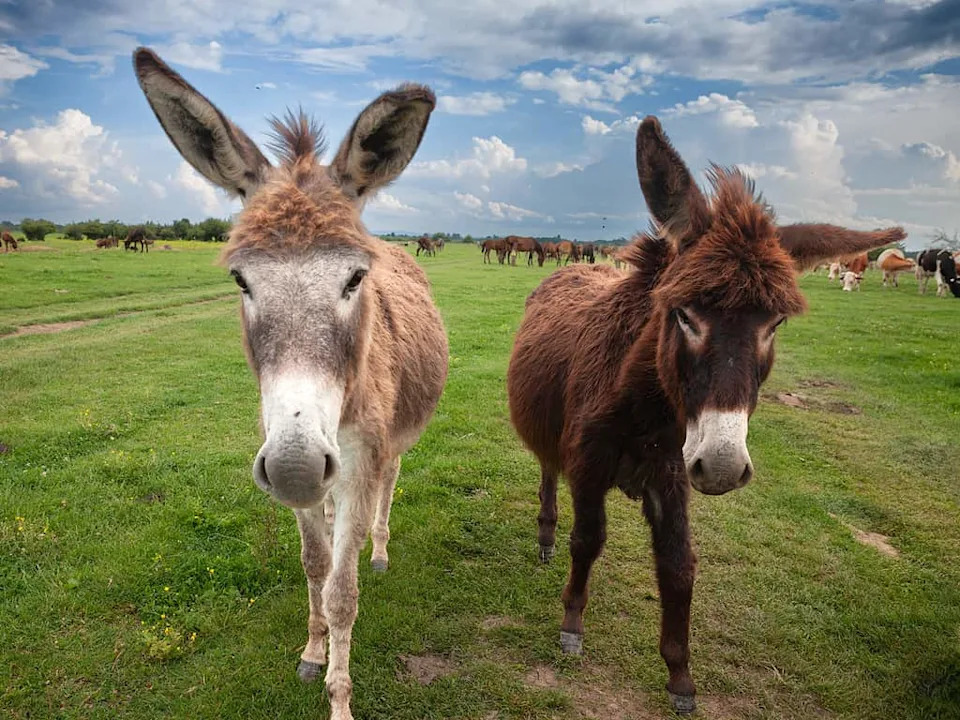
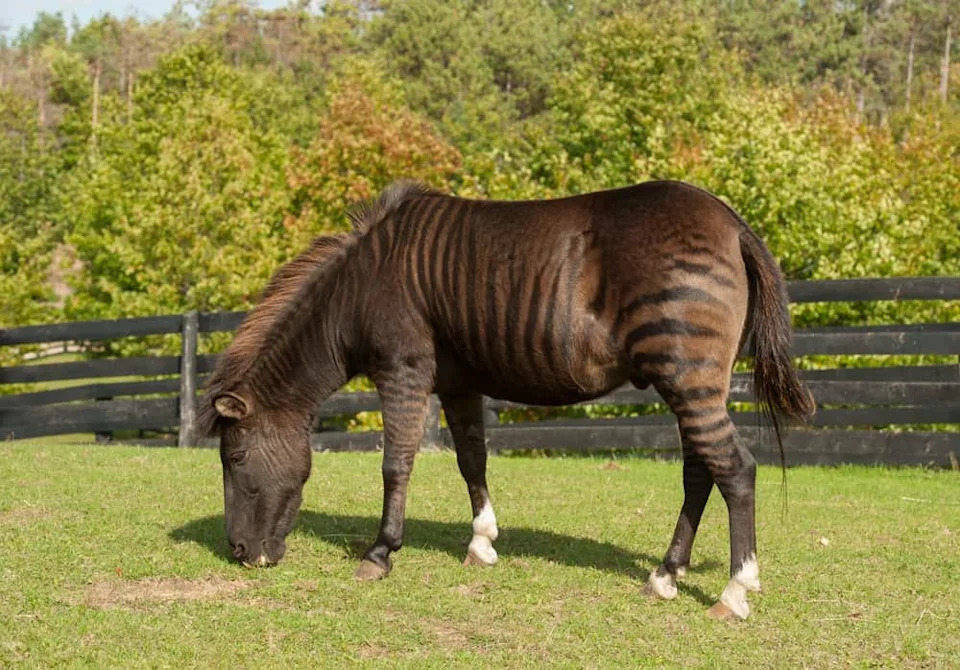
Zebroids (Zebra × Any Equine)
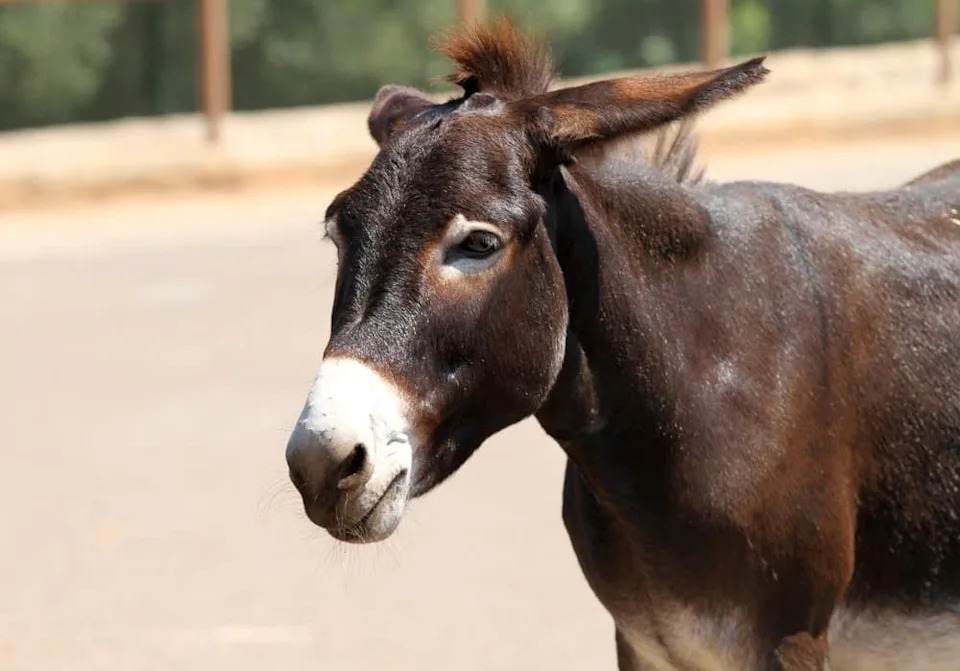
Zebroids include zorses (zebra × horse) and zonkeys (zebra × donkey). These hybrids typically inherit striping on parts of the body and often appear more like the non-zebra parent in overall shape. Most zebra hybrids are infertile and rare.
©Shawn Hamilton/Shutterstock.com(Shawn Hamilton/Shutterstock.com)
Geep (Sheep × Goat)
Geep are rare and sometimes debated: because sheep and goats have different chromosome counts, viable hybrids are uncommon and many suspected geep are later identified as genetic anomalies. When real, these animals have mixed, often endearing traits of both parents.
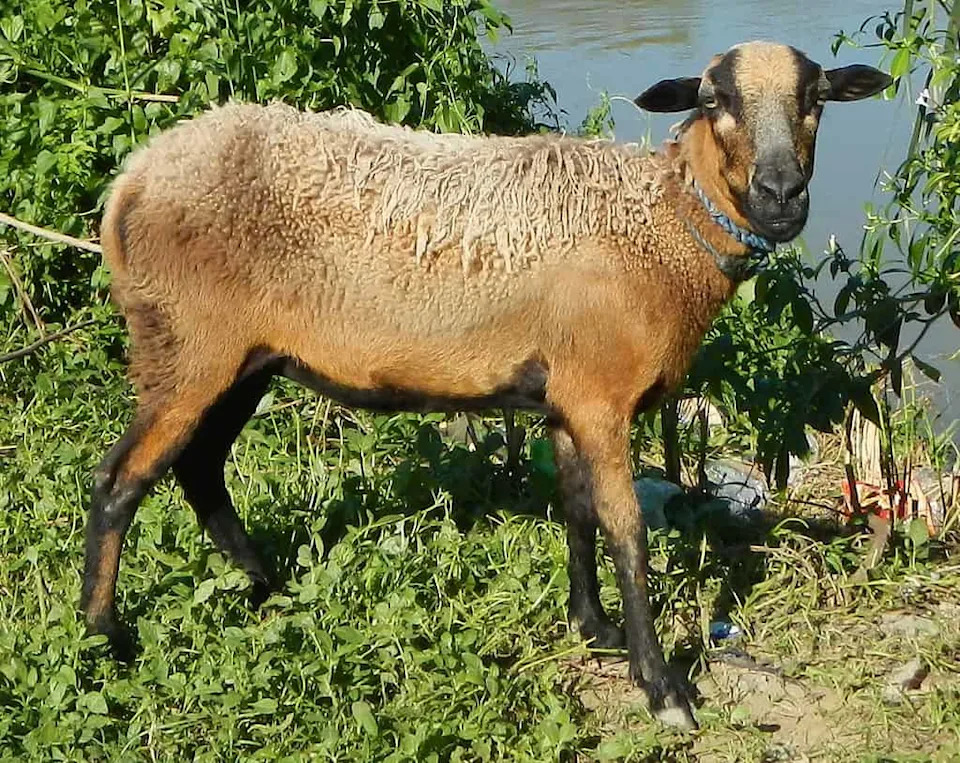
©Judgefloro / CC BY-SA 4.0 -Original/License(Judgefloro / CC BY-SA 4.0)
Cama (Dromedary Camel × Llama)
Created via artificial insemination to combine size and strength with fleece quality, camas lack humps and have soft, llama-like coats. Artificial methods are used for safety and feasibility because of the size disparity between camels and llamas.
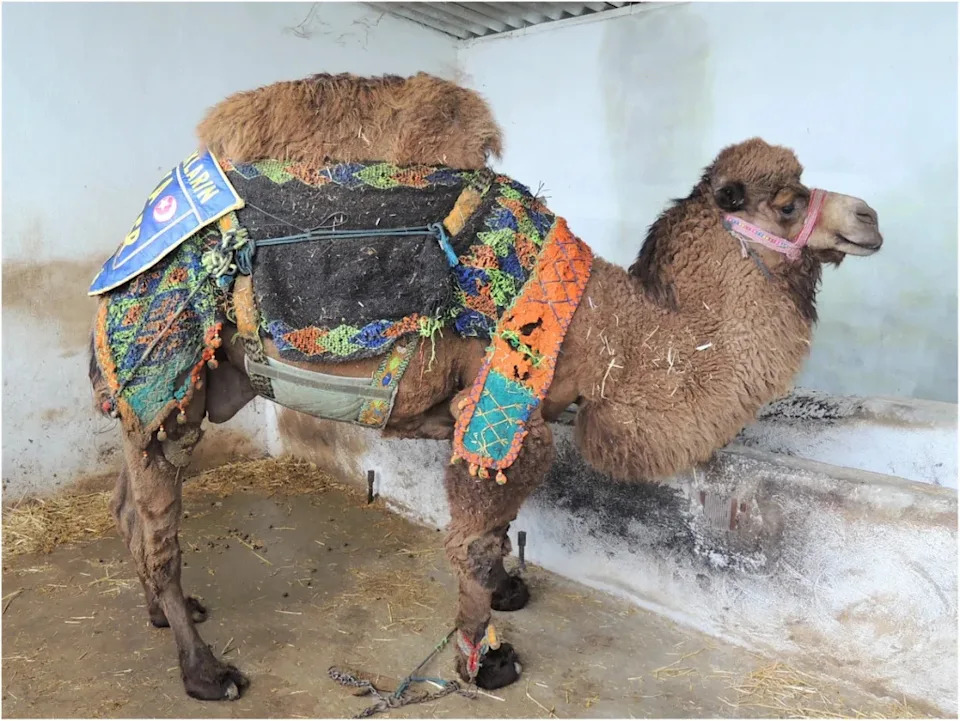
©Maurizio Dioli / CC BY 4.0 -Original/License(Maurizio Dioli / CC BY 4.0)
Savannah Cat (Domestic Cat × African Serval)
Savannahs are popular exotic pets that retain a wild appearance—tall, slender bodies and spotted coats. Their temperament can be affectionate and intelligent, but ownership is restricted or illegal in some areas; prospective owners should research local laws and care needs.
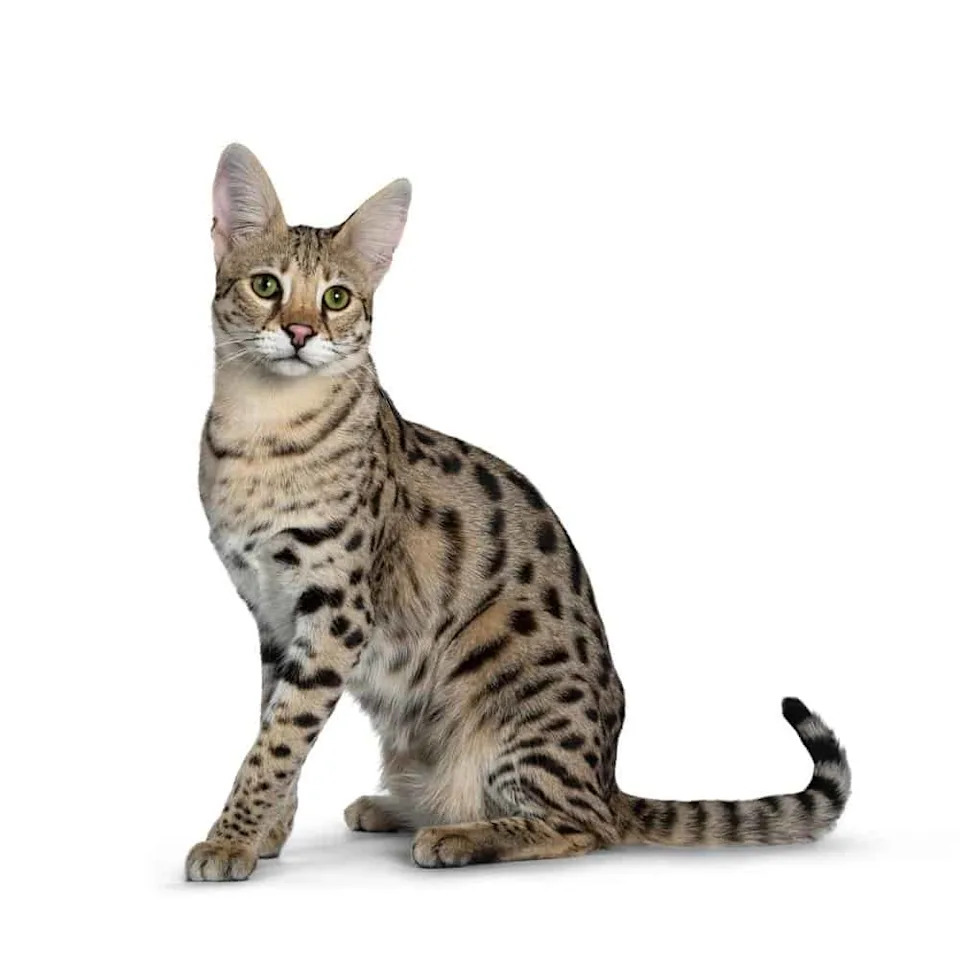
©Nynke van Holten/Shutterstock.com(Nynke van Holten/Shutterstock.com)
Other Examples
Other notable hybrids include coywolf (coyote × wolf), narluga (narwhal × beluga), dzo (cow × wild yak), mulard (mallard × Muscovy duck), żubroń (cow × European bison), and zonkey (zebra × donkey).
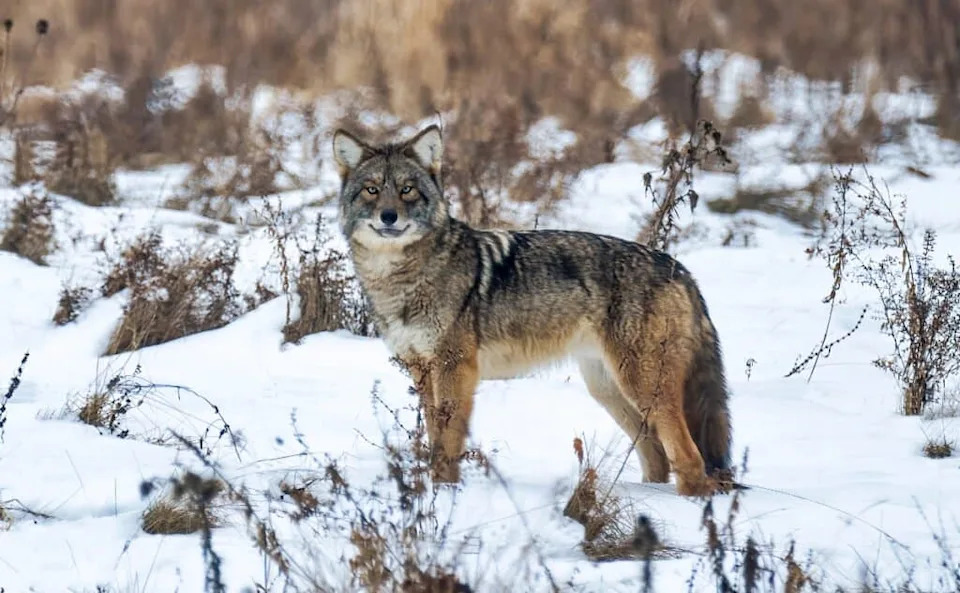
©Fiona M. Donnelly/Shutterstock.com(Fiona M. Donnelly/Shutterstock.com)
Viral Hoaxes And Real Lookalikes
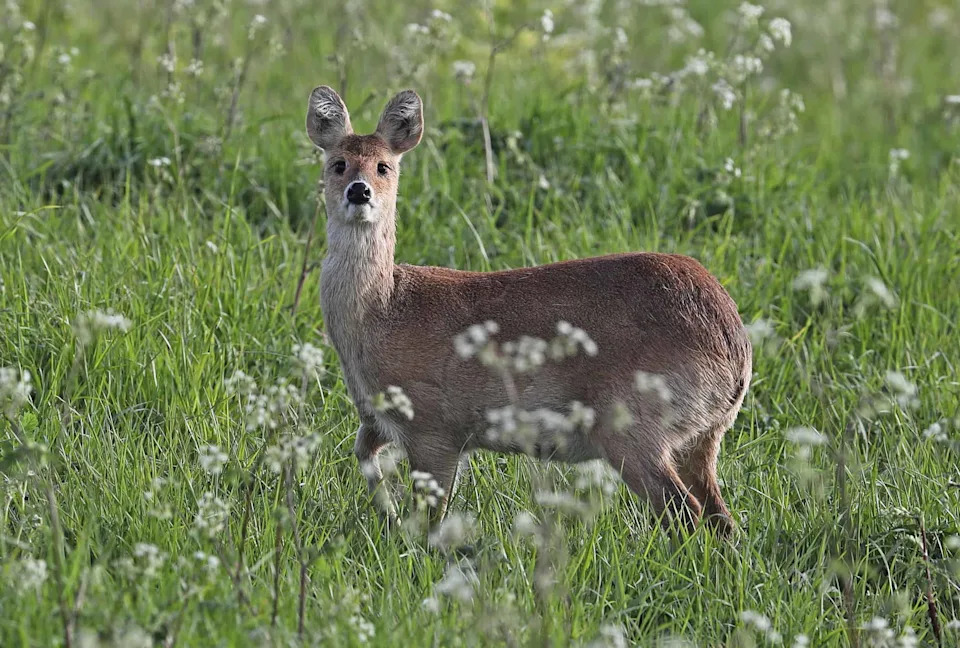
Social media sometimes claims impossible crosses—recently, a TikTok video alleged a deer–snake hybrid. No scientific evidence supports such a cross. The likely explanation is confusion with the Chinese water deer (sometimes called the vampire deer), which naturally bears tusk‑like canine teeth up to about 2 inches long.
©iStock.com/Neil Bowman(iStock.com/Neil Bowman)
Biological And Conservation Notes
The Biological Species Concept defines species by reproductive isolation, but many hybrids challenge that idea—female ligers can sometimes be fertile while males are usually sterile. When hybrids breed back with a parent species (backcrossing), genes can move between populations in a process called introgression. Over time introgression can introduce new genetic variation that may help adaptation, though it can also threaten the genetic integrity of vulnerable species.
©BlackDorianstock/Shutterstock.com(BlackDorianstock/Shutterstock.com)
Conclusion: Hybrid animals are striking reminders that nature doesn’t always follow neat categories. Whether rare curiosities, tools for agriculture, or subjects of conservation debate, these crossbreeds deepen our understanding of genetics, evolution, and the complex boundaries between species.
Help us improve.