What You Need To Know: CT scans and engineering-style simulations of Thrinaxodon liorhinus indicate a membrane on the lower jaw could have acted as a primitive eardrum. The jaw-mounted tympanum would have vibrated postdentary bones (forerunners of mammal ear bones), enabling detection of airborne sounds. The finding suggests tympanic hearing began in cynodonts about 50 million years earlier than previously believed.
Ancient Jaw, Early Ears: How a 250-Million-Year-Old Cynodont Likely Had a Primitive Eardrum
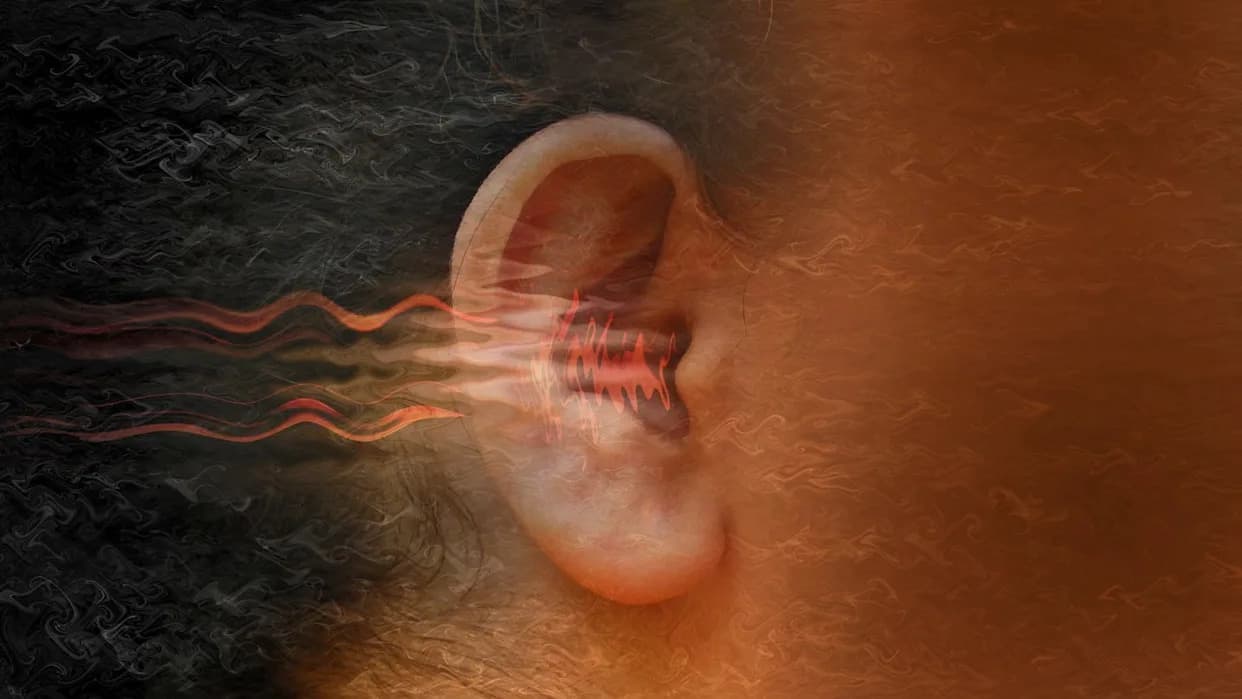
Experts Found Proto-Ears in a Creature’s Skullanand purohit - Getty Images
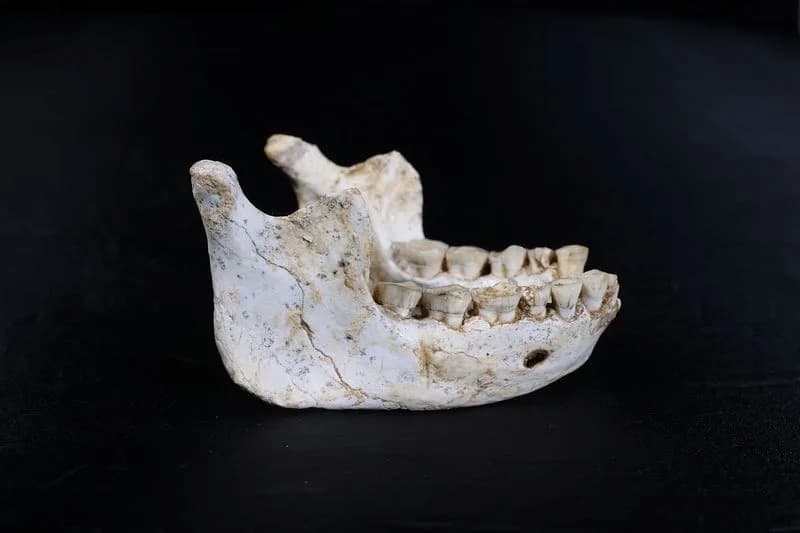
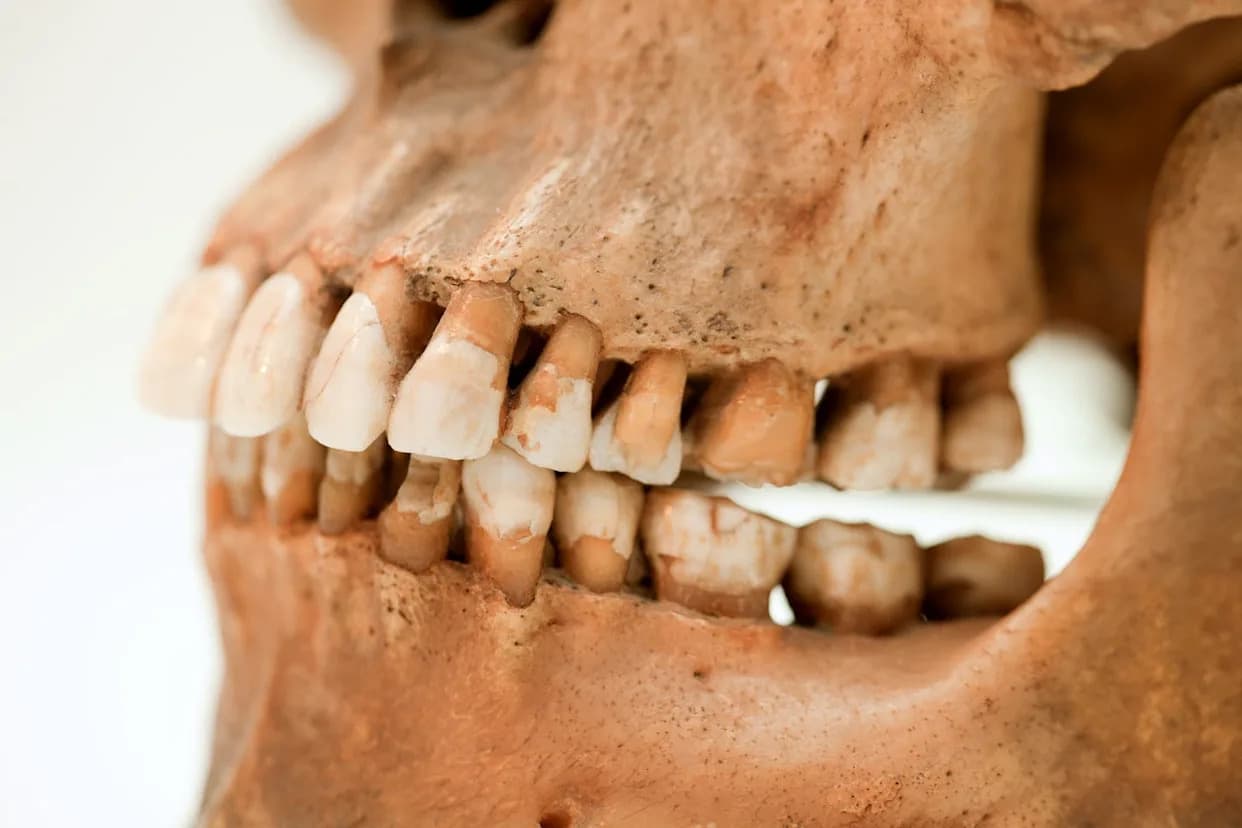
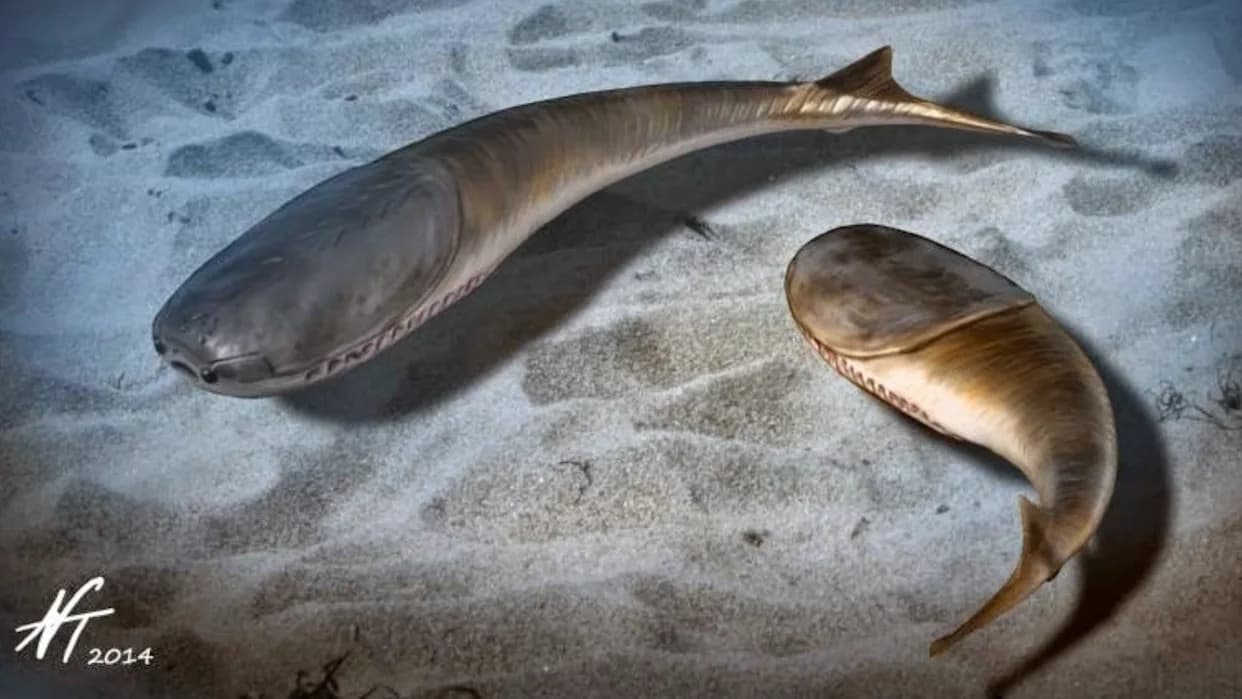
New CT scans and engineering-style simulations suggest that Thrinaxodon liorhinus, a 250-million-year-old cynodont closely related to early mammals, likely had a membrane on its lower jaw that functioned as a primitive eardrum. The discovery pushes the origin of tympanic (membrane-based) hearing tens of millions of years earlier than previously thought.
Paleontologists have long debated how early synapsids—and cynodonts in particular—first detected airborne sounds. These animals combined mammal-like and reptile-like features and lacked external ears, so researchers wondered whether they could hear through a membrane-driven middle ear or only through bone-conducted vibrations of the jaw.
A half-century-old hypothesis by paleontologist Edgar Allin proposed that a membrane stretched across the curved portion of the mandible could act as a primitive tympanum, allowing detection of airborne sound. At the time, the idea could not be tested directly. That changed with modern imaging and computational methods.
Paleontologists Alec Wilken and Zhe-Xi Luo (University of Chicago) CT-scanned a well-preserved Thrinaxodon skull and built a detailed digital model incorporating fossil anatomy and comparative data from living animals. Using engineering-grade finite-element and vibration-simulation software, they modeled tissue thickness, stiffness, and bone geometry to test whether a jaw-mounted membrane could vibrate enough to drive the postdentary bones and transmit sound to the inner ear.
“An abundant fossil record shows that the malleus, incus, and ectotympanic ear bones of living mammals were derived from the postdentary bones of Paleozoic therapsids and Mesozoic cynodonts through their detachment from the mandible, change in shape, and reduction in size,” Wilken and Luo write in PNAS. “The ectotympanic ultimately provided attachment for a soft tissue ear drum, or tympanum.”
The simulations supported Allin’s proposal: the curvature and structure of Thrinaxodon’s lower jaw are well suited to host a tympanic membrane. That membrane, if present, would have vibrated enough to move the postdentary bones (precursors of the mammalian malleus and incus) and stimulate the auditory nerve, enabling detection of airborne frequencies beyond what bone conduction alone could provide.
Importantly, the study also found an interaction between hearing and feeding. Because the putative tympanum and associated ear bones were integrated with the jaw hinge, jaw-muscle activity would affect hearing sensitivity and frequency range. For example, relaxing the temporalis muscle would increase sensitivity to lower-frequency sounds, while contracting it would shift sensitivity upward and enhance responsiveness to higher frequencies.
Thrinaxodon did not possess the fully derived inner-ear anatomy or external pinnae of modern mammals, but these results indicate that tympanic hearing emerged in cynodonts roughly 50 million years earlier than previously assumed. The study provides a functional framework for how mammalian hearing began to evolve from jaw structures and lays groundwork for further research into synapsid auditory evolution.
Implications: This work helps bridge anatomical and behavioral gaps between reptile-like ancestors and true mammals by showing that a jaw-hosted tympanum could have been an intermediate stage in the evolution of the mammalian middle ear.
Help us improve.