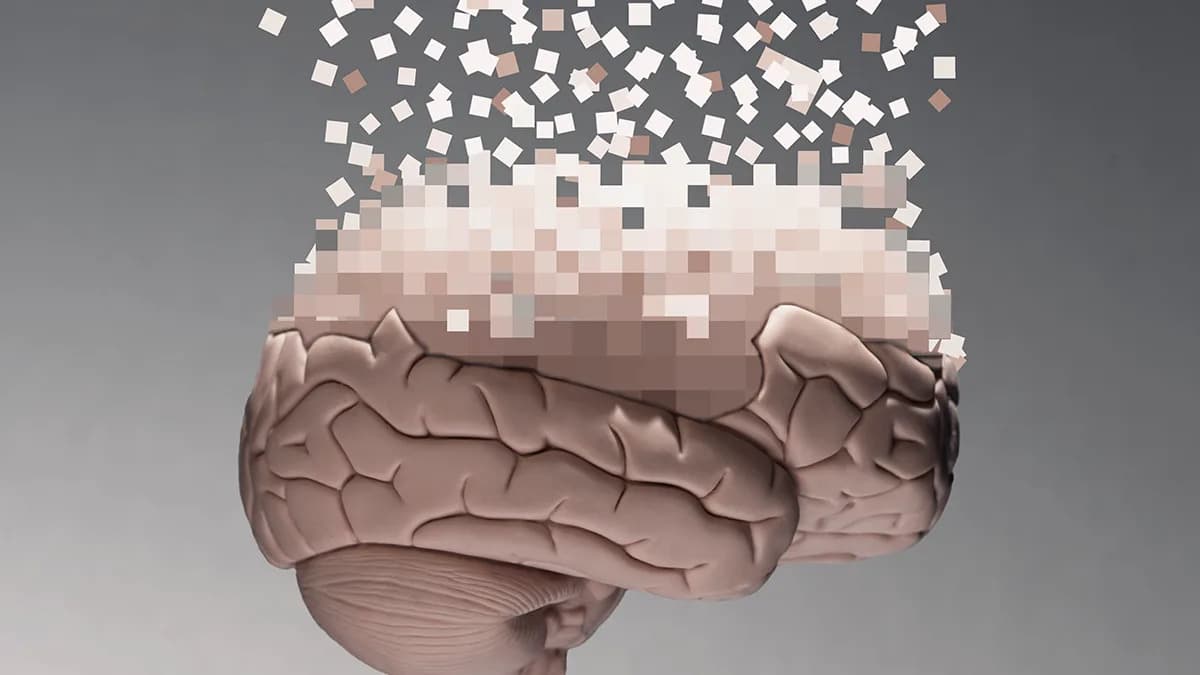
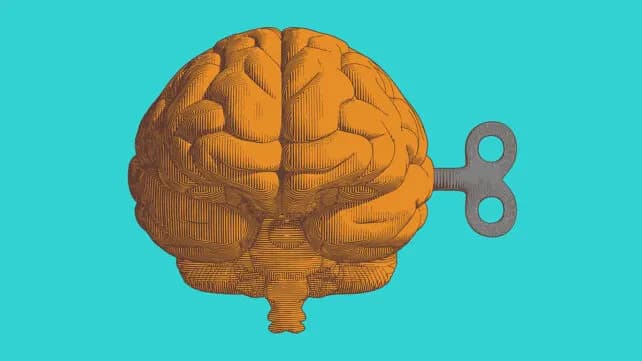
The common shrew shrinks its brain by about 30% in winter and rebuilds it in spring, preserving neurons. Genomic comparisons across species exhibiting Dehnel's phenomenon revealed upregulation of neurogenesis-related genes, increased VEGFA expression, and enrichment for DNA-repair and longevity genes. Active water-regulation genes support the idea that volume loss is largely reversible dehydration rather than neuron loss. These findings may suggest biomarkers or therapeutic targets for neurodegeneration, though direct application to humans requires caution.
Shrews Shrink Their Brains by 30% Every Winter — And Grow Them Back: Genes Behind the Remarkable Reversal
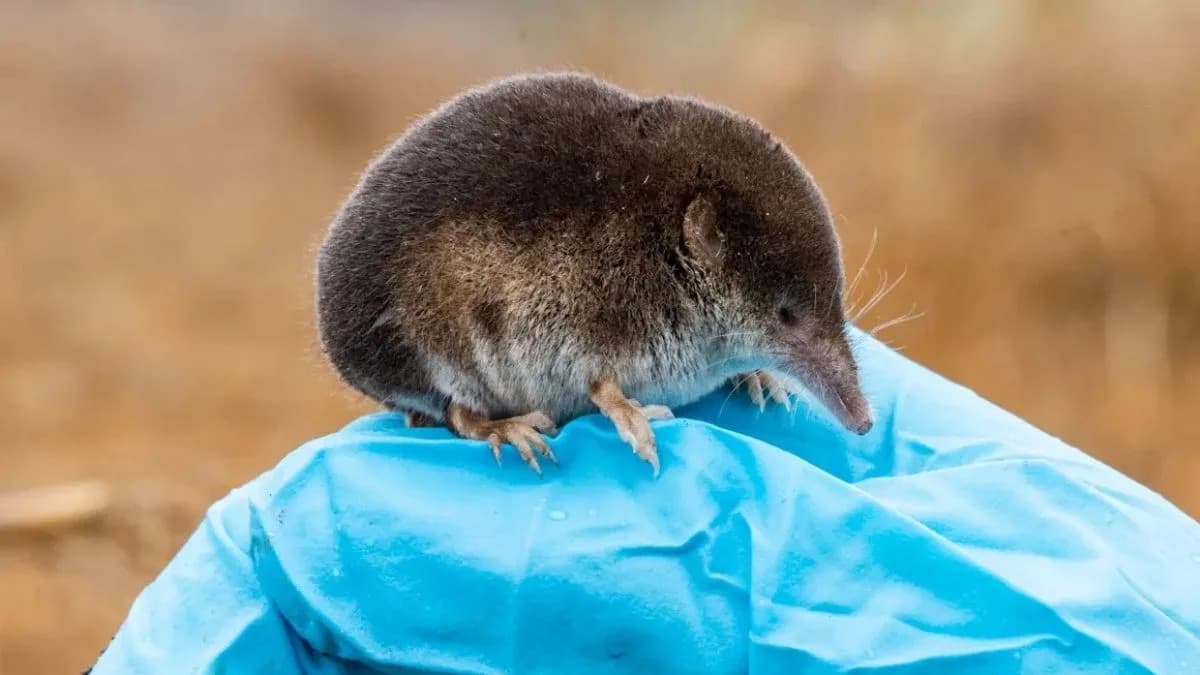
a small brown shrew is about 1/3 of the size of the blue-gloved human hand it is sitting on.
The common shrew (Sorex araneus) survives winter food shortages by shrinking its brain volume by roughly 30 percent, then rebuilding the organ in spring without losing neurons. This dramatic seasonal change — known as Dehnel's phenomenon — is rare but has now been traced to shared genetic signatures that may help scientists better understand reversible brain remodeling.
What Is Dehnel's Phenomenon?
Named for Polish zoologist August Dehnel, the phenomenon describes a reversible, seasonal reduction in brain size seen in several small mammals with high metabolic rates that do not hibernate. Besides the common shrew, European moles (Talpa europaea), common weasels (Mustela nivalis) and stoats (Mustela erminea) also show similar shrink-and-regrow cycles.
The New Study
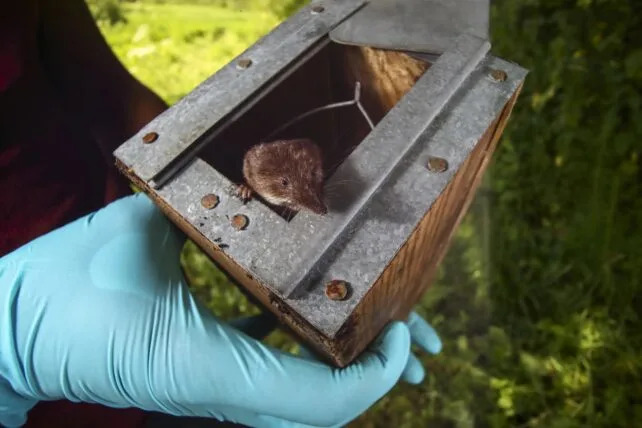
In 2025, researchersdiscoveredthat the shrew's seasonal brain shrinkage is caused by water loss, and yet brain cells survive. (© Christian Ziegler / Max Planck Institute of Animal Behavior)
Ecologist William Thomas and colleagues assembled the complete genome of the common shrew and compared it with genomes from other species that exhibit Dehnel's phenomenon. This work builds on earlier research by the same team that tracked seasonal shifts in gene expression in two regions of the shrew brain, revealing which DNA segments became more active during shrinkage and regrowth.
Key Genetic Findings
Integrating genomic and expression data, the researchers identified common molecular themes across species with seasonal brain remodeling. Genes linked to neurogenesis (the creation of brain cells) were upregulated across multiple species. In the common shrew specifically, expression of VEGFA was elevated — a gene associated with blood-brain barrier permeability that could enhance nutrient signaling to the brain. The shrew genome also showed enrichment for genes involved in DNA repair and longevity.
Genes related to water regulation were active as well, supporting the idea that much of the reversible volume loss may reflect temporary dehydration of brain tissue rather than permanent neuron loss.

Audition now for ScienceAlert's Casting Call
'A finely tuned system that enables common shrews to reversibly regulate brain shrinkage while avoiding the detrimental effects typically associated with neurodegeneration,' the authors write, highlighting how the process preserves neural integrity despite large structural change.
Why This Matters
Understanding the genetic and physiological mechanisms behind reversible brain shrinkage could point to biomarkers or therapeutic targets relevant to human neurodegenerative diseases. As Aurora Ruiz-Herrera, a cell biologist at the Autonomous University of Barcelona, notes, genes related to energy homeostasis and blood-brain-barrier function are promising leads — but translating findings from shrews to humans requires caution.
Next Steps and Cautions
Future research will need to clarify which molecular pathways directly drive shrinkage and regrowth, how water balance is controlled at the cellular level, and whether similar mechanisms could be safely engaged in humans. For now, the work opens intriguing avenues for studying resilience to brain atrophy and exploring natural strategies that avoid neurodegeneration.
Publication
The study is published in the journal Molecular Biology and Evolution.
Help us improve.