The Greenland shark — with a lifespan nearing 400 years — preserves intact retinal structure and shows no retinal DNA fragmentation even in very old specimens. Eyes collected near Disko Island (2020–2024) were analyzed using genomics, transcriptomics, RNAscope, ultramicrotomy, chromatin staining, mass spectrometry, opsin regeneration, and spectrophotometry. Researchers found rod-only retinas, no evidence of cell death or DNA fragmentation, and strong expression of DNA-repair genes, suggesting mechanisms that might inform treatments for age-related human retinal diseases.
How Greenland Shark DNA Protects Vision for Centuries — Clues for Aging Eyes
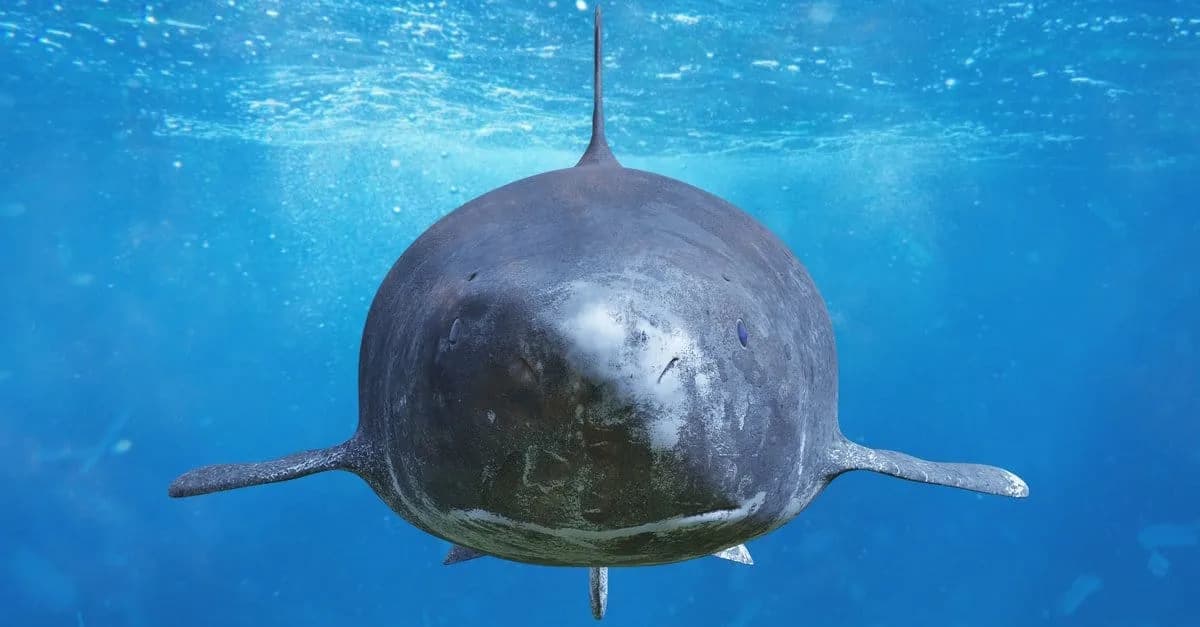
The World's Oldest Greenland Shark© Dotted Yeti/Shutterstock.com
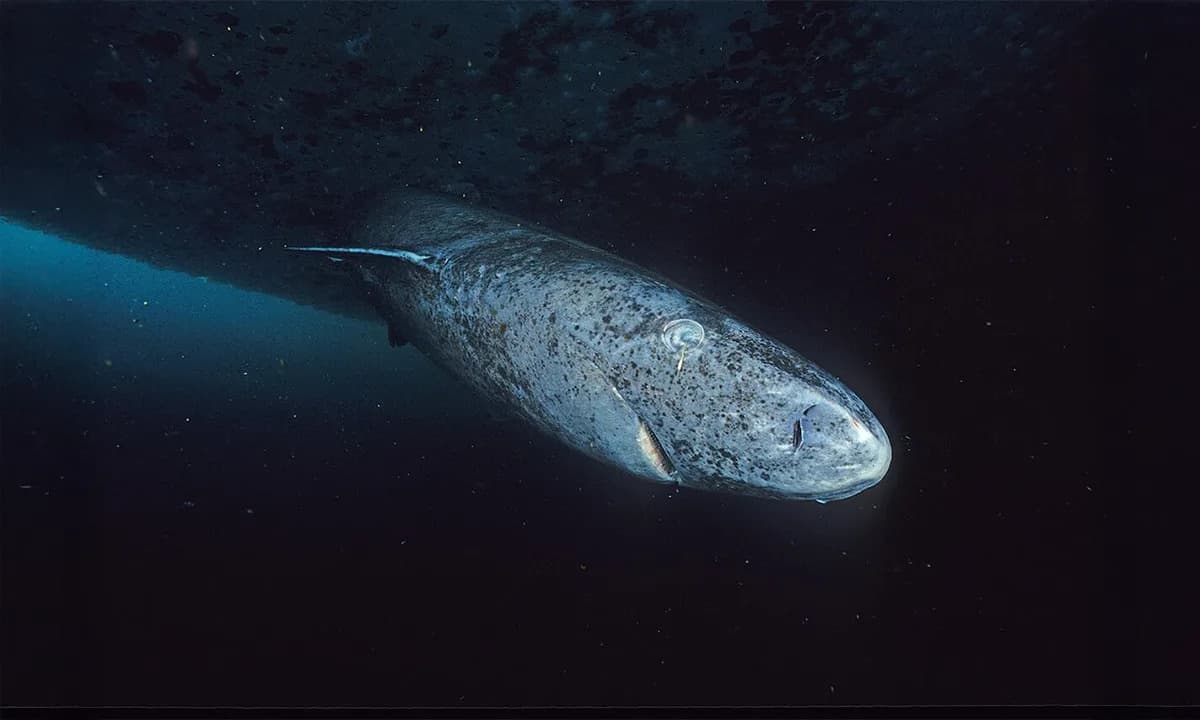
The Greenland shark (Somniosus microcephalus) — the longest-lived vertebrate known, with an estimated lifespan approaching 400 years — maintains intact, functional vision throughout its extraordinary life. A multi-institutional study published in Nature (January 2026) shows these deep-sea sharks preserve retinal structure and prevent DNA fragmentation in eye tissue, offering potential insights for age-related human eye diseases.
Why This Is Surprising
Greenland sharks live in extreme environments: frigid water (down to −1.1 °C), great depths (approaching 9,500 feet) and high pressure — conditions that can promote DNA damage. They also frequently host a parasitic copepod that attaches to the cornea and can obscure the eye. Many other deep-dwelling species have lost functional vision entirely, so scientists long wondered whether Greenland sharks were effectively blind.
What Researchers Did
An international team from the University of Basel, University of California, University of Copenhagen, Indiana University South Bend, and the Virginia Institute of Marine Science examined eyes collected from sharks caught on long lines near Disko Island between 2020 and 2024. Eyeballs were dissected, fixed, frozen and analyzed with a comprehensive toolkit: genomics, transcriptomics, in situ hybridization (RNAscope), ultramicrotomy, chromatin staining, mass spectrometry, in vitro opsin regeneration and spectrophotometry.
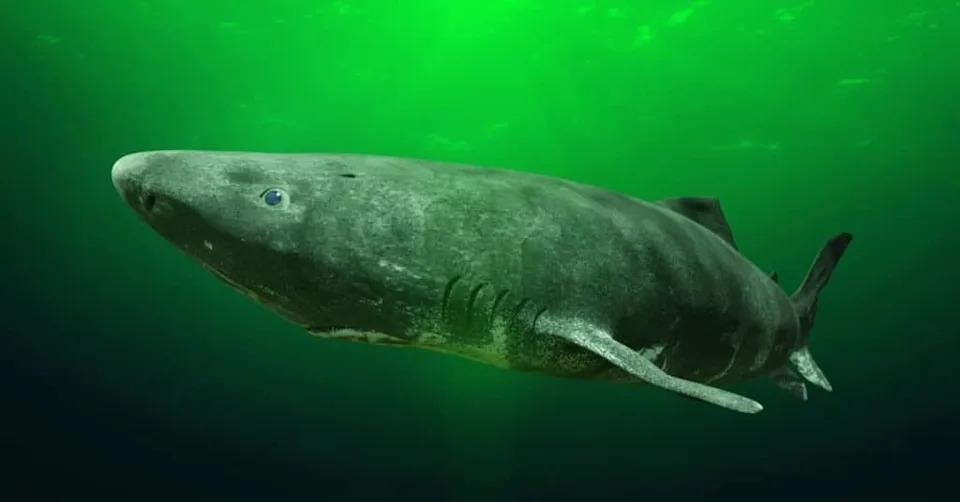
Greenland sharks have the longest known lifespan of all vertebrate species.©Dotted Yeti/Shutterstock.com
Key Findings
Rod-Only Retinas: Greenland shark retinas consist exclusively of rod photoreceptors, a configuration adapted for low-light environments. Those rods are densely packed and elongated, similar to other nocturnal and deep-dwelling sharks.
No Apparent Age-Related Degeneration: All retinal layers examined were intact with no obvious signs of deterioration, even in specimens estimated to be over 100 years old.
Preserved DNA Integrity: Tests found no evidence of retinal DNA fragmentation or cell-death markers — a striking contrast to human retinas, which accumulate DNA damage and photoreceptor loss with age.

As humans get older, their eyesight deteriorates.©Ammentorp Photography/iStock via Getty Images
Gene Expression Patterns: Genes associated with bright-light (cone) vision were inactive, while DNA-repair genes were strongly expressed in retinal tissue, suggesting active maintenance of genomic integrity across long lifespans.
Implications for Human Health
While humans and sharks differ greatly, these findings highlight biological strategies — prioritizing low-light photoreceptors and sustaining DNA-repair mechanisms — that preserve vision over centuries in Greenland sharks. Understanding the molecular pathways involved could inspire new approaches to prevent or slow age-related retinal diseases such as macular degeneration and certain forms of glaucoma.
Conclusion
The Greenland shark’s eye is a remarkable example of long-term tissue maintenance under extreme environmental stress. By combining anatomical observations with genomic and molecular data, the study identifies durable mechanisms that keep retinal cells functional for centuries, offering promising directions for future research into human eye aging.
Help us improve.