Why Humans Don’t Hibernate — And Could We One Day? Humans lack natural hibernation largely because our ancestors evolved in tropical regions and only reached colder climates in the last ~100,000 years — too short to evolve full hibernation physiology. A 2020 study of over 1,600 fossil hominin bones from Spain (~500,000 years old) suggests extended cave use and seasonal nutritional stress, a behaviour similar to prolonged sheltering. Today, NASA and ESA fund research into drug‑induced, hibernation‑like states for deep‑space travel, while controlled hypothermia already serves limited clinical purposes.
Why Humans Don’t Hibernate — And Could We One Day?
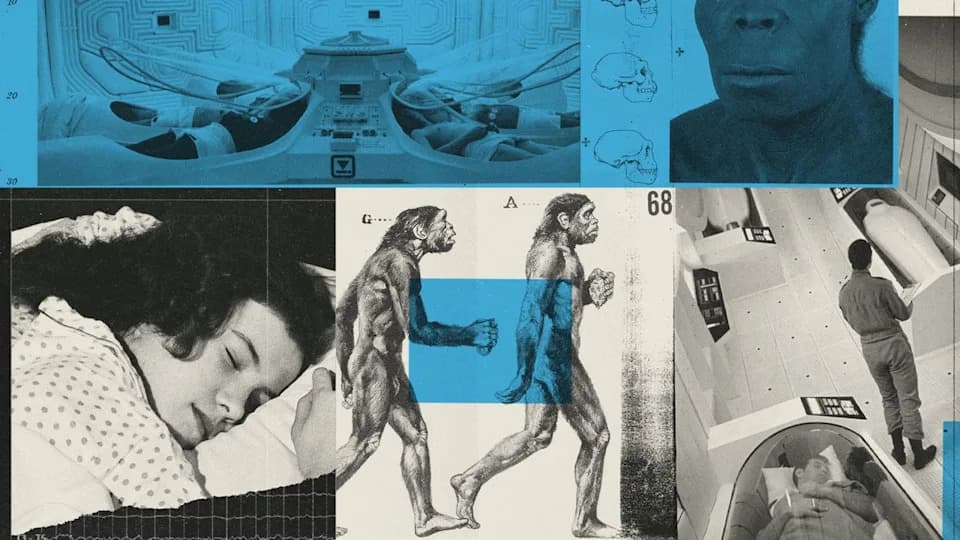
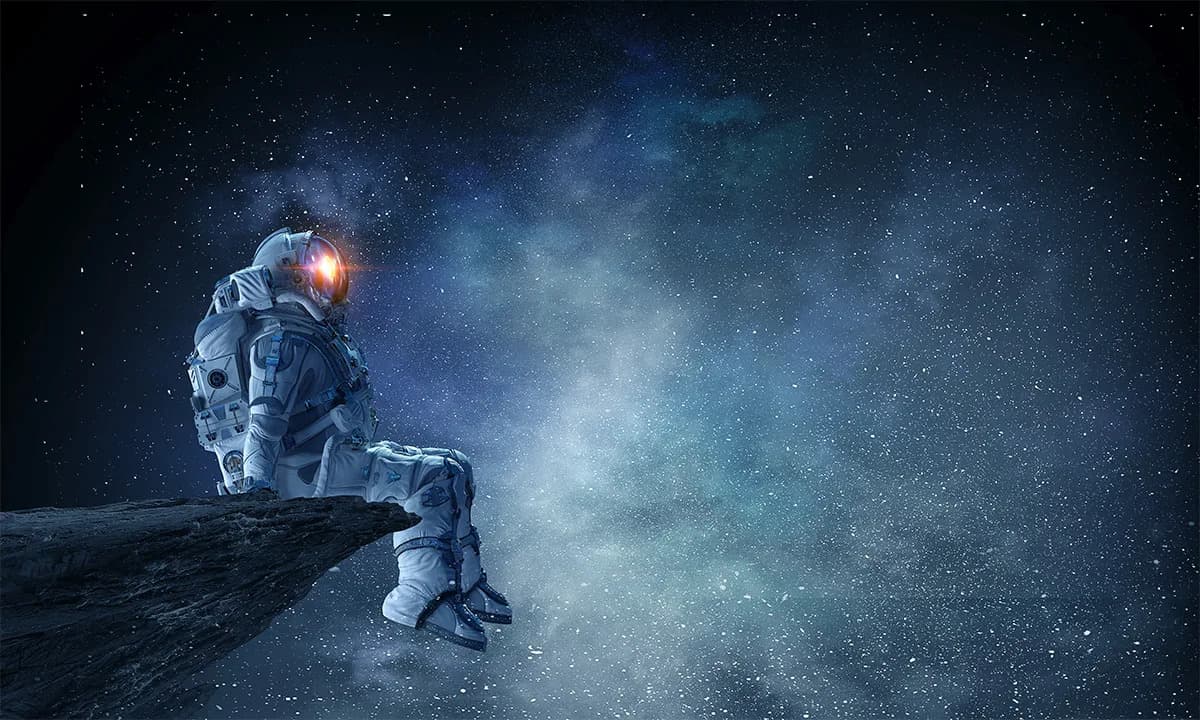
Credit: Illustration by Stephen Kelly / Alamy / Getty Images
As temperatures fall across much of the UK and northern hemisphere, many animals enter seasonal torpor — think bats, bears and hedgehogs slipping into months-long dormancy. Humans, by contrast, remain active year-round. Why don’t we hibernate, and is human hibernation purely science fiction?
Evolutionary Roots
One major reason is evolutionary history. Our hominin ancestors evolved in tropical Africa and had no long-standing pattern of seasonal hibernation. Modern Homo sapiens only expanded into colder temperate and sub‑Arctic regions within roughly the last 100,000 years — a relatively short span in evolutionary terms. That limited timeframe makes it unlikely we developed the full suite of metabolic adaptations other hibernating animals possess, such as profound, prolonged reductions in metabolic rate and body temperature.
Human Strategies For Winter Survival
Instead of hibernating, humans developed cultural and technological solutions: controlled fire, tailored clothing, constructed shelter, cooperative hunting and agriculture. These innovations reduced the selective pressure to evolve physiological hibernation and supported continuous activity throughout the year.
Fossil Clues From Spain
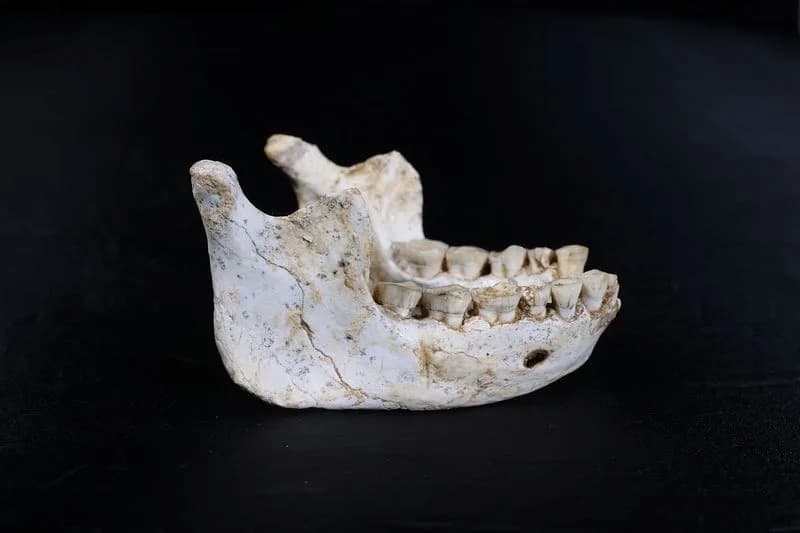
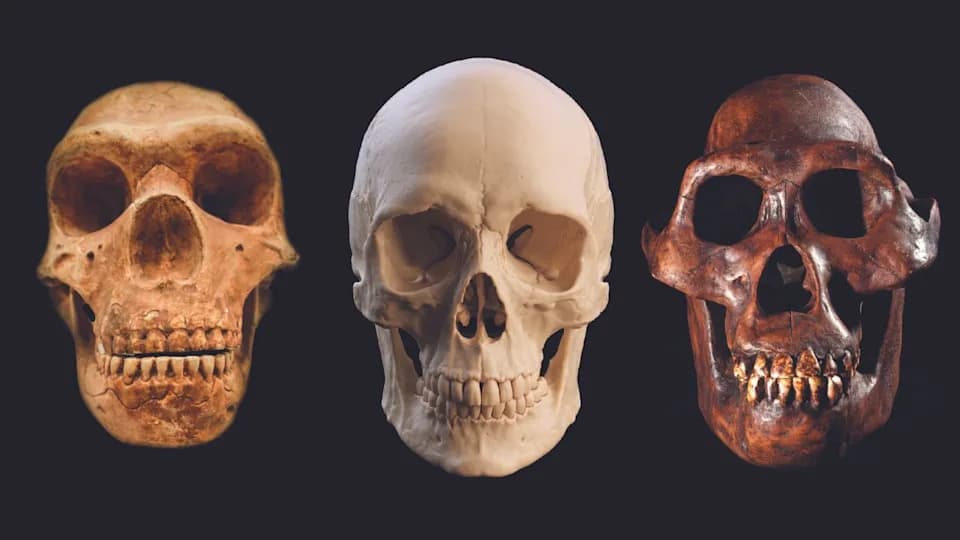
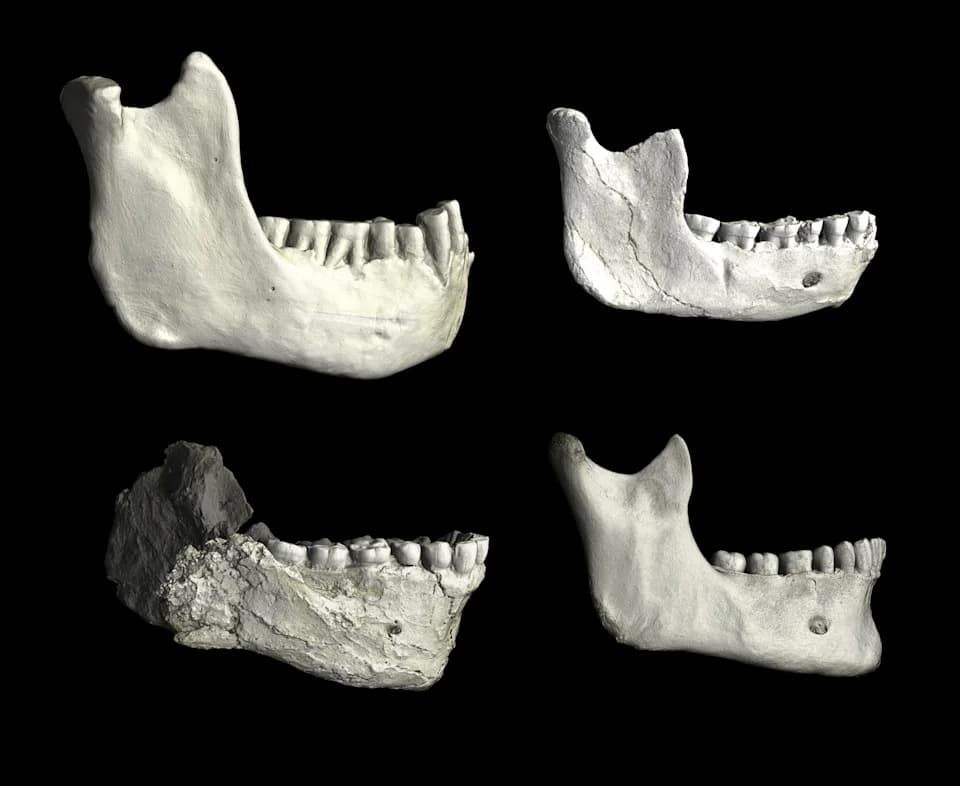
Newer fossil evidence complicates the simple story that humans never adopted seasonal withdrawal. A 2020 study in L'Anthropologie analysed more than 1,600 fossilised hominin bones from Spanish sites dated to roughly 500,000 years ago. By examining bone microstructure and growth patterns, researchers inferred seasonal behaviours. The bones show signs consistent with extended use of caves during cold months and recurrent nutritional stress and reduced vitamin D exposure — behaviours that resemble prolonged sheltering or seasonal withdrawal, though not true physiological hibernation.
Science, Medicine And The Idea Of Induced Hibernation
Today the idea of putting humans into a hibernation‑like state sits between science and science fiction. Space agencies such as NASA and the European Space Agency are supporting research into techniques that use carefully controlled sedation and hypothermia to mimic key features of hibernation: slowed metabolism, reduced body temperature and a twilight level of consciousness that still permits basic biological functions. The goal is not true, natural hibernation but a medically induced state that could make long missions less burdensome.
Potential Uses And Current Limits
Induced torpor could help long-duration spaceflight by lowering life‑support needs, reducing cargo mass and potentially easing psychological strain among crew. In medicine, controlled hypothermia and metabolic suppression are already clinical tools used to reduce tissue damage during some surgeries and after critical events. However, achieving a safe, reversible hibernation-like state in healthy humans currently relies on intensive drug regimens and careful monitoring; significant scientific and ethical challenges remain before routine human ‘hibernation’ would be possible.
Bottom line: Humans did not evolve natural hibernation largely because of our tropical origins and the cultural strategies that replaced the need for it. Fossil evidence suggests some ancient hominins sheltered seasonally, and modern research explores medically induced torpor for space and clinical uses — but true, physiological hibernation in humans remains unproven and experimentally challenging.
Help us improve.