Black-capped chickadees prepare for winter by scatter hoarding hundreds to thousands of food caches across their territory. To remember these locations, they expand hippocampal volume by about 30% and replace roughly 30% of hippocampal neurons seasonally. Columbia University research shows each cache triggers a brief, barcode-like pattern of hippocampal activity, and scientists hope these insights may inform human memory research. Capturing these rapid neural bursts is technically challenging but could reveal new principles of memory encoding.
Survive or Starve: How Black-Capped Chickadees Remodel Their Brains Each Winter

Black-capped chickadee is perched on a snowy stump with seed mix in winter park and eating.© Saeedatun/Shutterstock.com
Many backyard birdwatchers recognize the cheerful calls of the black-capped chickadee without realizing the dramatic neural changes these small birds undergo each autumn. To prepare for winter, chickadees engage in scatter hoarding, hiding seeds and nuts across their territory to create a food reserve for the months ahead.
Preparing for Winter: Memory Is Survival
Chickadees may stash hundreds or even thousands of caches—near landmarks, in gardens, underbrush, or forest litter. Because they cannot rely on scent or active hunting, remembering the locations of these hidden stores is essential for survival. To meet this demand, chickadees undergo a remarkable seasonal transformation in the brain.
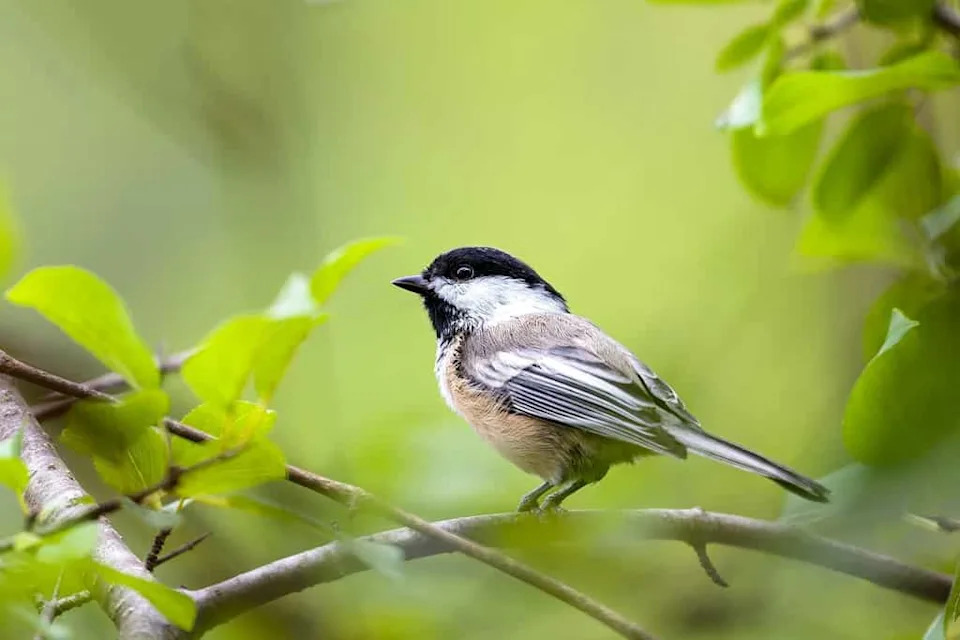
While their brains don’t physically grow, black-capped chickadees do expand their memory banks.©Manu M Nair/Shutterstock.com(Manu M Nair/Shutterstock.com)
Hippocampal Remodeling
Beginning in late summer and continuing into fall, the hippocampus—the brain region responsible for spatial memory—expands by roughly 30%. Studies indicate that the birds also replace about 30% of existing hippocampal neurons during this period. This surge of neurogenesis and neural turnover gives chickadees the capacity to encode and retain large numbers of new cache locations.
Pruning to Make Room
To accommodate new neurons, older cells are pruned. As neurons are replaced, the chickadee consolidates memory for current caches and clears less relevant, older information. Though the skull does not enlarge, this process functions like refreshing a storage system: old data is removed to make space for survival-critical locations.
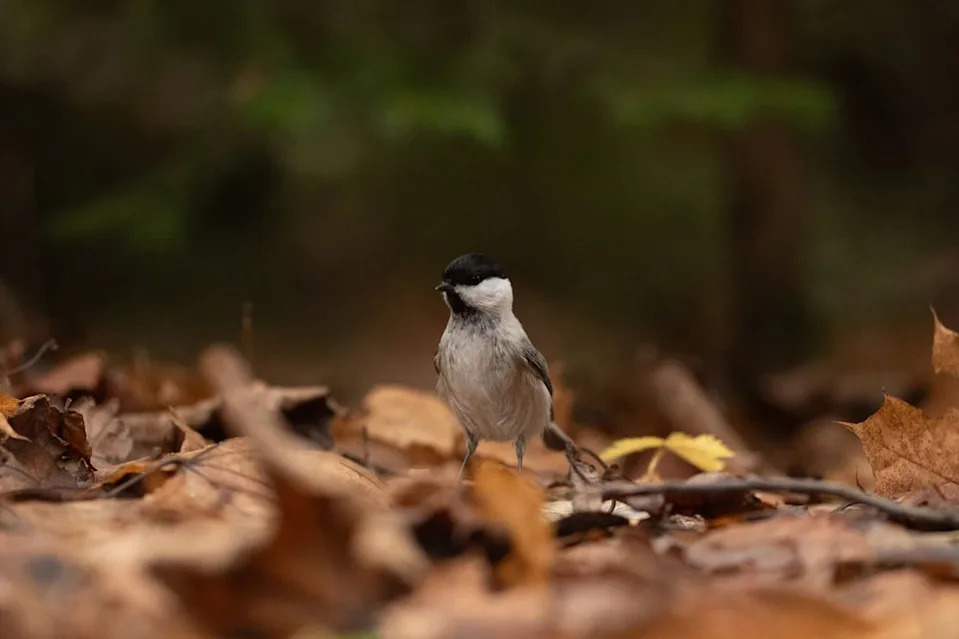
Black-capped chickadees have impressive location recall for their food caches.©Liudmila Bohush/Shutterstock.com(Liudmila Bohush/Shutterstock.com)
How Memories Are Coded
Research from Columbia University shows that individual cache locations produce distinct, extremely brief patterns of activity in the hippocampus—described by researchers as barcode-like encoding. When a chickadee searches for a particular cache, a specific neural pattern briefly ‘‘lights up,’’ helping the bird identify a particular location among many.
These location-specific bursts are very short and fire at high frequency, which makes them technically challenging to record and interpret.
Why This Matters Beyond Birds
Scientists are investigating whether this efficient, visually coded form of spatial memory could inspire new approaches to human memory research. Humans typically form multisensory memories; understanding the chickadee’s rapid, high-capacity system may reveal principles useful for improving memory retention or treating recall disorders.
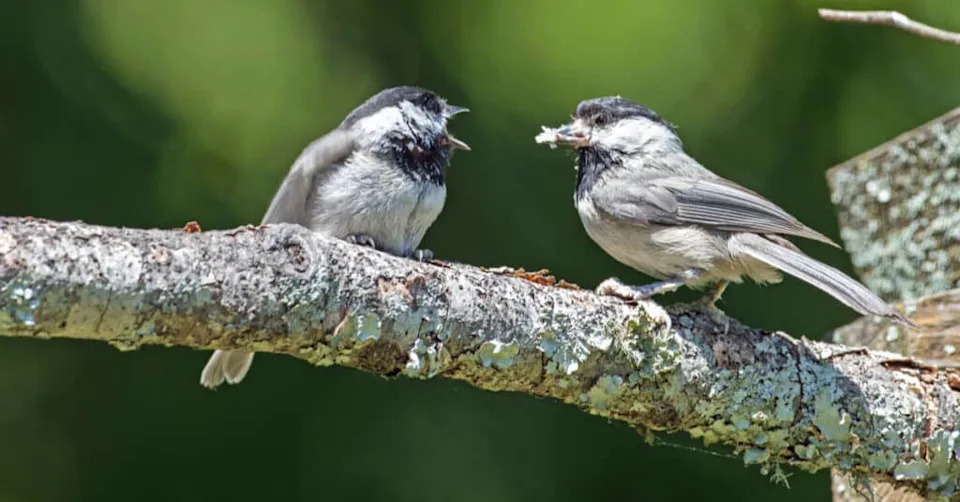
When it comes to survival, a black-capped chickadee’s memory is everything.©Tom Franks/Shutterstock.com(Tom Franks/Shutterstock.com)
Studying chickadee hippocampal activity remains difficult because the neural signals associated with individual caches are fleeting. If researchers can decode these patterns and determine whether birds predetermine which caches to retrieve, the findings could deepen our understanding of memory dynamics across species.
Bottom line: For black-capped chickadees, seasonal hippocampal remodeling and targeted neurogenesis are essential adaptations that enable them to survive harsh winters by remembering where they hid their food.
Help us improve.