Researchers used proteomic analysis of fingerprints and residues on two 1531 medical manuals to show that Renaissance readers not only followed recipes but also experimented with unlisted ingredients. Plant peptides such as beech, watercress, rosemary, and ginseng were linked to remedies, alongside exotic animal traces including lizard, tortoise shell, and hippopotamus teeth. The study—published in American Historical Review—argues that proteomics can reveal material practices and reshape our understanding of early modern medicine.
Proteomics Uncovers Real-World Use of Bizarre Renaissance Remedies in a 1531 Medical Manual
Scientists Found Traces of Renaissance Medicinefarluk - Getty Images
Researchers using protein analysis on fingerprints and residues from a 16th-century medical manual have found direct, material evidence that readers actually prepared and experimented with the remedies they read about—sometimes using ingredients that seem shocking today.
What the Team Studied
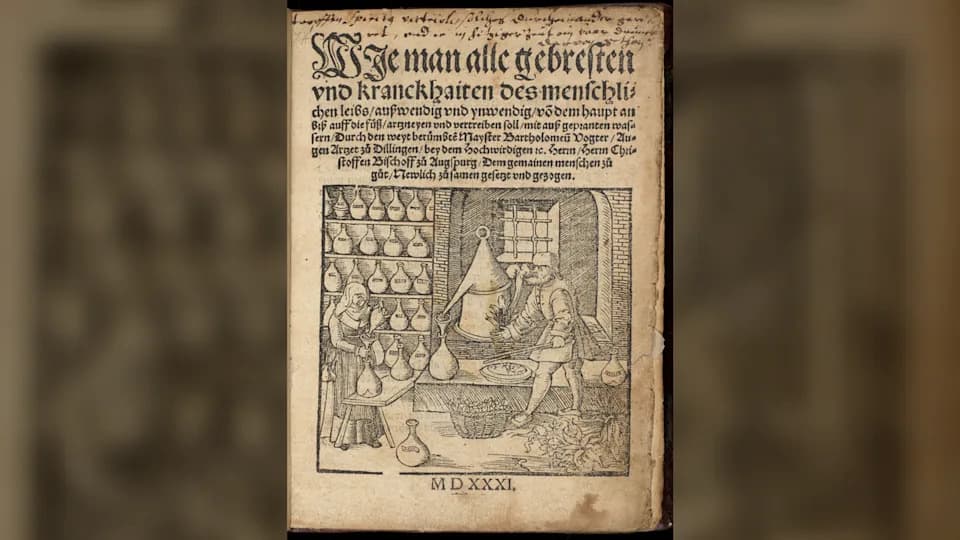
The John Rylands Research Institute and Library at the University of Manchester preserves two 1531 medical manuals printed by Bartholomäus Vogtherr (sometimes spelled Vothgerr): How to Cure and Expel All Afflictions and Illnesses of the Human Body (often shortened to Afflictions) and A Useful and Essential Little Book of Medicine for the Common Man. Researchers photographed a surviving copy of Afflictions in visible light and then imaged it under ultraviolet and infrared wavelengths to reveal organic residues not visible to the naked eye.
They then applied proteomics—the sequencing and identification of proteins and peptides—to trace the biological origins of those residues. This combination of textual, imaging, and laboratory analysis allowed the team to link specific recipes to actual substances handled by readers.
Surprising Ingredients Identified
Protein evidence tied many plant and animal materials to specific remedy pages. Plant peptides matching European beech, watercress, rosemary, members of the cabbage and mustard family, chicory, lupines, soybeans, Easter lily, eucalyptus, and ginseng were detected on pages associated with hair‑loss and other treatments. Beech peptides also appeared in a section on removing hair mites.
Some findings were more exotic. Peptides matching lizard and tortoise shell were found near a hair‑regrowth recipe, and the literature of the period includes treatments calling for lizard oil or dried, pulverized lizard heads. Hippopotamus teeth—an expensive and fashionable commodity in the period—were linked to remedies for toothache, headache, and hemorrhoids; the animal's ashes, fat, and bone were all used in various treatments.
Perhaps the most striking detection was the presence of the protein lipocalin on a page prescribing a hair wash made from human feces—evidence that the contents of chamber pots were sometimes used as ingredients.
“When studying recipes with different means of contextualization—textual, imaging, and laboratory analyses—we recovered unexpected insights into Renaissance medicine,” the researchers wrote in American Historical Review. “These insights include links between medical and material experimentation and their impact on Renaissance bodies.”
Context and Significance
In the early Renaissance there were no pharmacies stocked with standardized drugs. People relied on remedy manuals and local practitioners who worked within a medical logic that sought to restore perceived bodily imbalances by applying materials thought to possess corrective properties. While many recommended substances now seem odd or repellent, some—such as ginseng—do contain biologically active compounds, and the detected residues show that readers were actively experimenting with both local botanicals and imported animal products.
Beyond revealing the recipes' real-world use, the study demonstrates that proteomics can recover material traces of historical practice and help historians write richer accounts of past bodies, medical experimentation, and the circulation of exotic commodities in early modern Europe.
Publication: The study appears in American Historical Review and highlights proteomics as a powerful new tool for historical research.
Help us improve.