ICE has rolled out a “wartime” recruitment campaign combining meme-driven ads, geofencing and influencer outreach to recruit roughly 14,000 new employees. The plan — backed by about $100 million in proposed spending and targeting events like UFC fights and NASCAR races — uses video-game and patriotic imagery that frames enforcement as a combat mission. Agency officials say the campaign is exceeding hiring targets, but current and former staff warn it may attract poorly vetted, aggressive recruits and oversimplify complex immigration issues.
ICE’s 'Wartime' Recruitment Drive: Meme-Style Ads, Geofencing and Concerns Over Vetting

An ICE promotion at a major hiring event on August 26, 2025, in Arlington, Texas. | Ron Jenkins/Getty Images
Over the past year, U.S. Immigration and Customs Enforcement (ICE) has launched an expansive, internet-first recruitment campaign described in internal documents as a “wartime” strategy — part of the Trump administration’s broader push to scale up deportation operations.
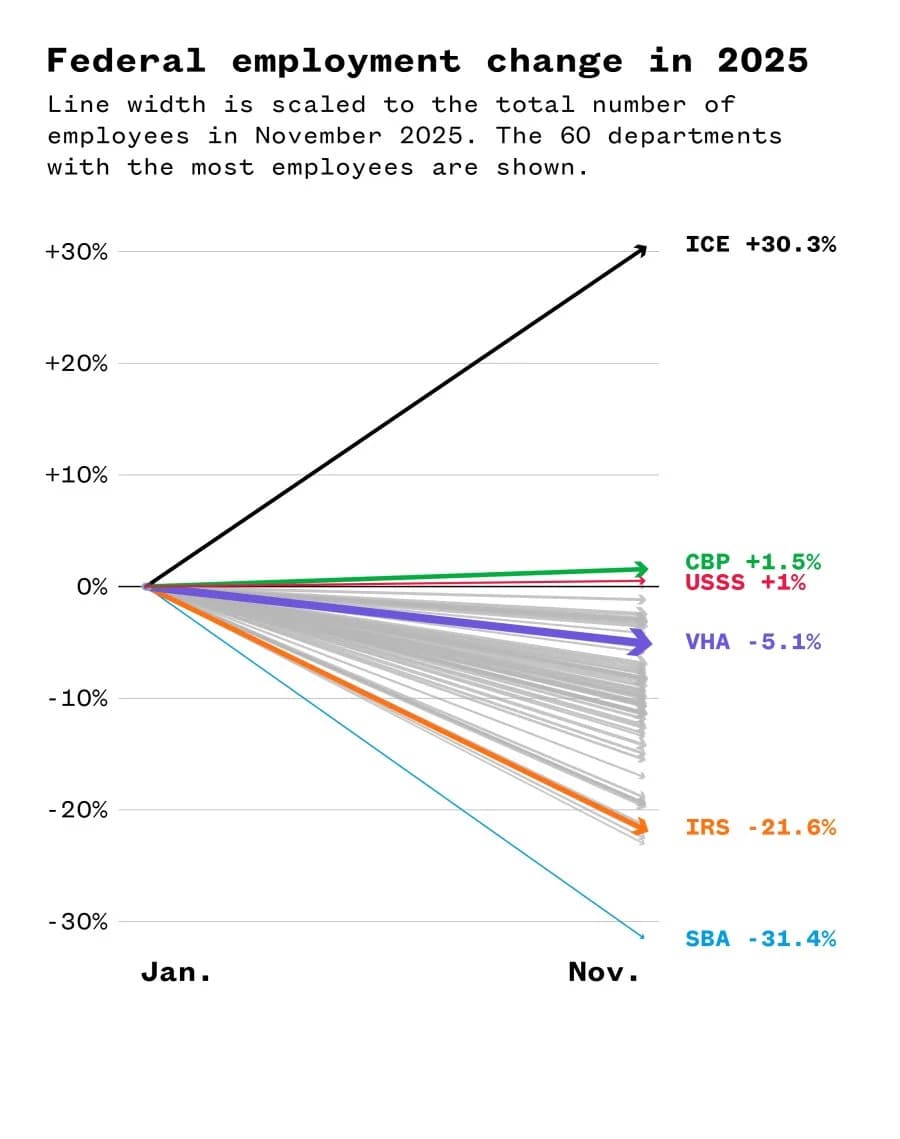
Reporting by The Washington Post and interviews with reporter Drew Harwell show the agency plans to spend roughly $100 million on recruitment in 2026, with a stated goal of hiring about 14,000 new employees in addition to the more than 20,000 officers and agents already on staff. The documents describe targeted online advertising, geofencing at events and outreach to pro-ICE influencers.
How The Campaign Works
ICE’s plan combines social-media ads, real-world geofenced targeting around events (UFC fights, NASCAR races, gun shows, rodeos) and influencer partnerships to reach narrowly defined audiences. Ads reviewed by reporters adopt imagery and tones drawn from memes, video games and action movies — frequently framing immigration enforcement as a patriotic, combat-like mission.
Examples And Messaging
Several ads use hyper-masculine or nostalgic Americana visuals — Uncle Sam-style posters, cowboy motifs and action-movie scenes — while other posts take on internet “meme” aesthetics. Critics note examples that compare migrants to invaders or use gaming metaphors that flatten complex human and legal issues into a battle narrative.
“They’re giving a cinematic, patriotic sheen to what are routine government law-enforcement roles,” Harwell told Today, Explained host Noel King.
Supporters, Officials And Internal Concerns
ICE and Department of Homeland Security (DHS) officials told reporters the strategy is meeting its numerical goals: they reported being ahead of schedule, under budget, and receiving hundreds of thousands of applications — with roughly 18,000 job offers extended. Agency leadership has defended the tone as effective and aligned with public support for enforcement.
But current and former ICE and DHS staff expressed alarm to reporters. Career employees say DHS was created to protect the homeland across many threat vectors, and they worry the agency has narrowed into a single, immigration-first focus. They warn the militarized messaging and macho imagery risk attracting applicants drawn to aggression rather than to measured, professional law enforcement, and that hiring standards and vetting may have been relaxed during the rapid expansion.
Public Reaction And Ethical Questions
Public response has been mixed: some supporters celebrate the campaign, while opponents have pushed back strongly. Platforms such as Spotify and X have seen backlash to targeted audio and visual ads, including complaints from people who were shown messages in Spanish encouraging self-deportation. Critics argue that dehumanizing metaphors and the use of real deportation imagery reduce serious policy debates to punchlines and harm vulnerable people.
This reporting raises persistent questions about how law-enforcement recruitment should balance operational needs with standards, training and the ethical implications of messaging that frames migrants as enemies. As ICE pursues rapid growth, both the effectiveness of its outreach and the long-term consequences for agency culture and public trust remain under scrutiny.
Help us improve.