Scientists used a minimally invasive swabbing technique to extract tiny DNA traces from Renaissance objects including the red‑chalk drawing “Holy Child” and letters linked to Leonardo da Vinci’s family. Most recovered material was microbial or plant DNA useful for provenance and conservation; a small portion was human, including sparse Y‑chromosome signals that align with Tuscan groups and the E1b1/E1b1b lineage. The authors stress these results are preliminary, posted on arXiv, and not conclusive proof that any DNA came from Leonardo due to lack of authenticated reference DNA and the risk of contamination.
Researchers Report Possible Recovery of Leonardo da Vinci’s DNA From Renaissance Works — With Important Caveats
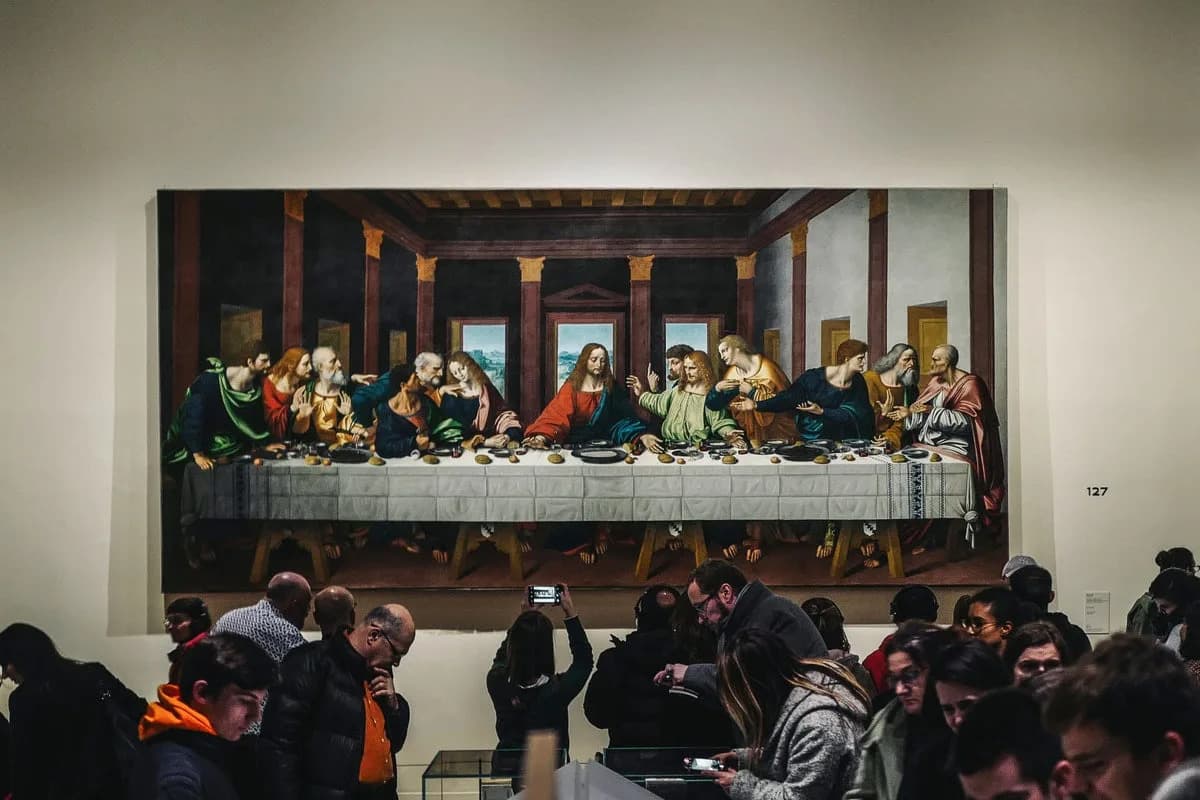
Scientists may have extracted Leonardo da Vinci’s DNA from Renaissance artwork for first time
Scientists report they have recovered minute traces of DNA from several Renaissance artefacts — including a red‑chalk drawing known as “Holy Child” and letters tied to Leonardo da Vinci’s family — using a minimally invasive swabbing protocol. The team says some recovered Y‑chromosome sequences fall within genetic groups linked to Tuscany and the broad E1b1/E1b1b lineage, but they emphasize that linking any fragment conclusively to Leonardo himself is not yet possible.
What the Researchers Did
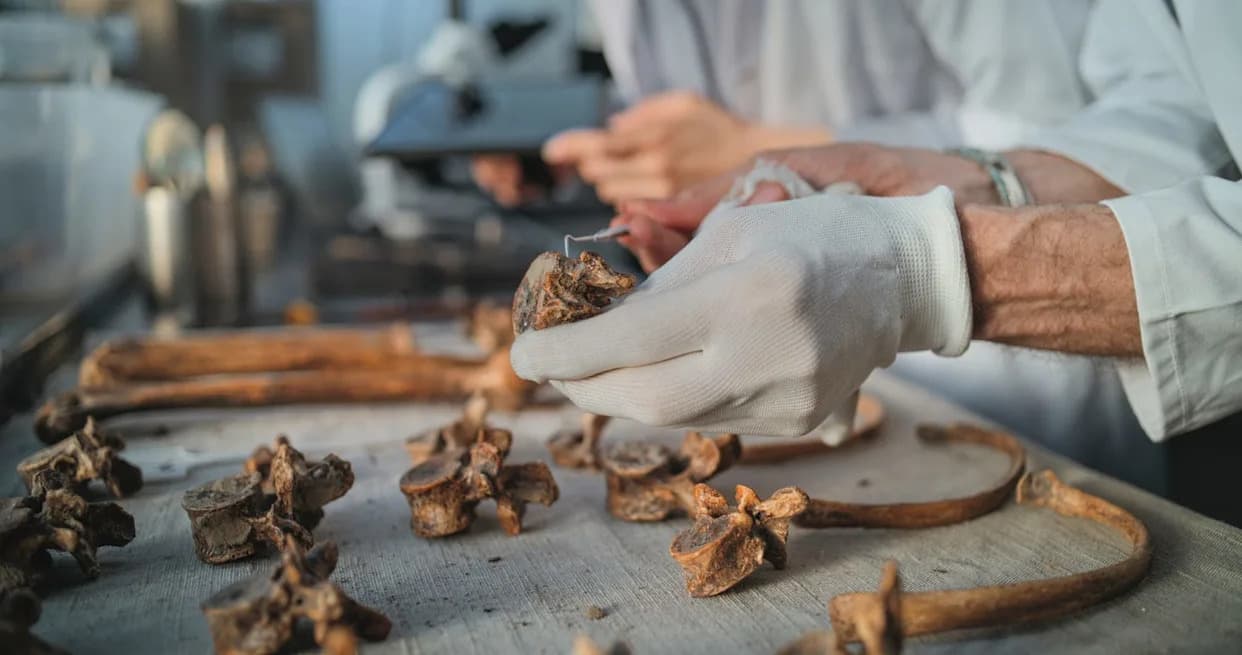
The researchers used a gentle swabbing technique, similar to protocols already used in museums, to collect skin flakes, sweat residue, microbes, pollen, fibres and environmental dust from the surfaces of delicate paper and drawings without damaging them. From these residues they extracted trace amounts of DNA for sequencing and analysis. The findings are described in a paper posted on arXiv that has not yet been peer reviewed.
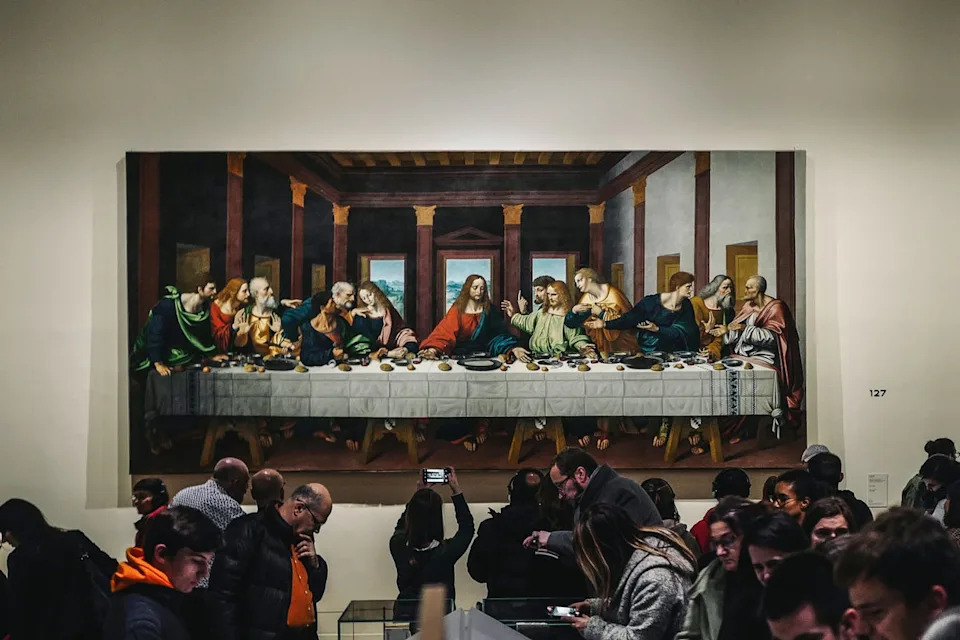
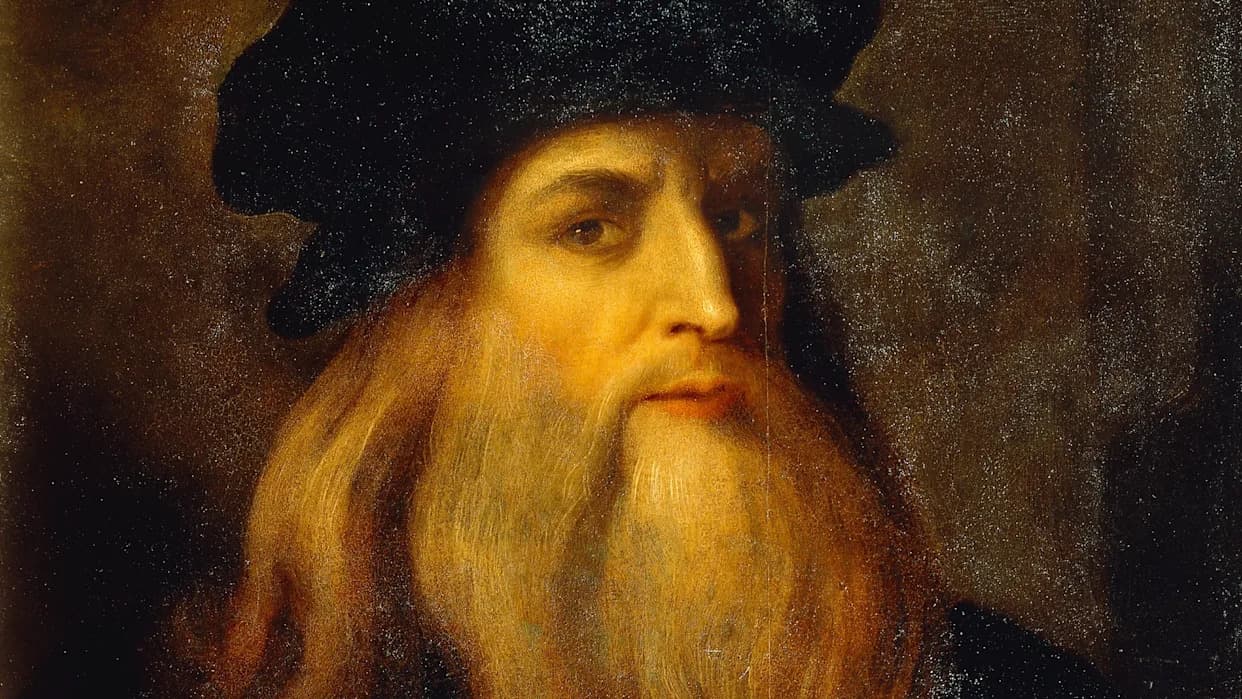
A version of 'The Last Supper' by Leonardo da Vinci (AFP via Getty)
Key Findings
Most of the recovered genetic material was non‑human: bacteria, fungi, plant traces and viruses. These signatures can illuminate the artefacts’ materials, conservation history and storage environments. A smaller fraction of sequences were human, and a subset showed sparse male‑specific (Y‑chromosome) signals.
Some Y‑chromosome segments recovered from the “Holy Child” and from a letter written by one of Leonardo’s relatives cluster with genetic groups associated with Tuscany. When compared with large reference databases, those Y‑markers best matched the broad E1b1/E1b1b lineage — a haplogroup found today in parts of southern Europe (including Italy), North Africa and some Near Eastern populations.
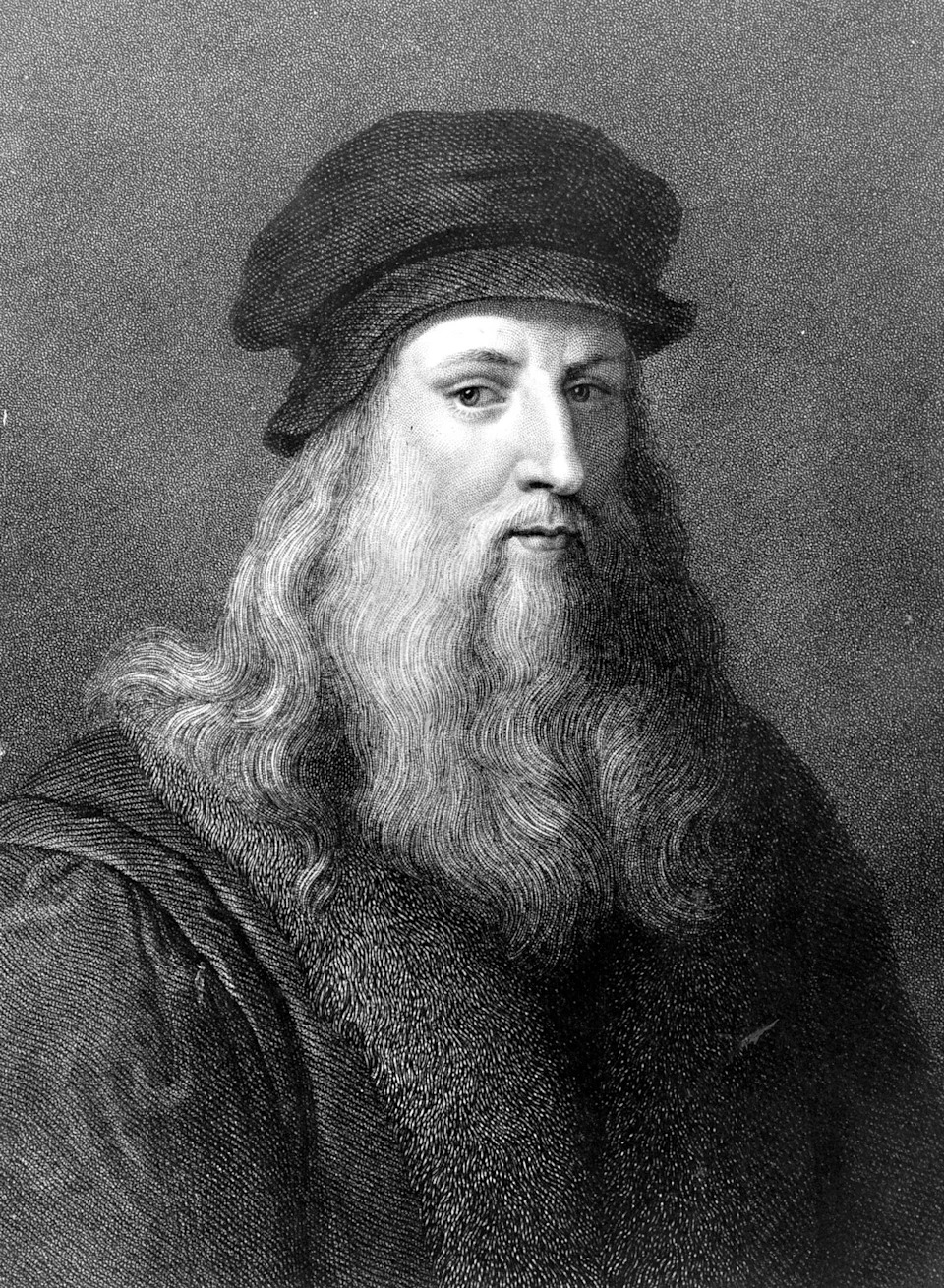
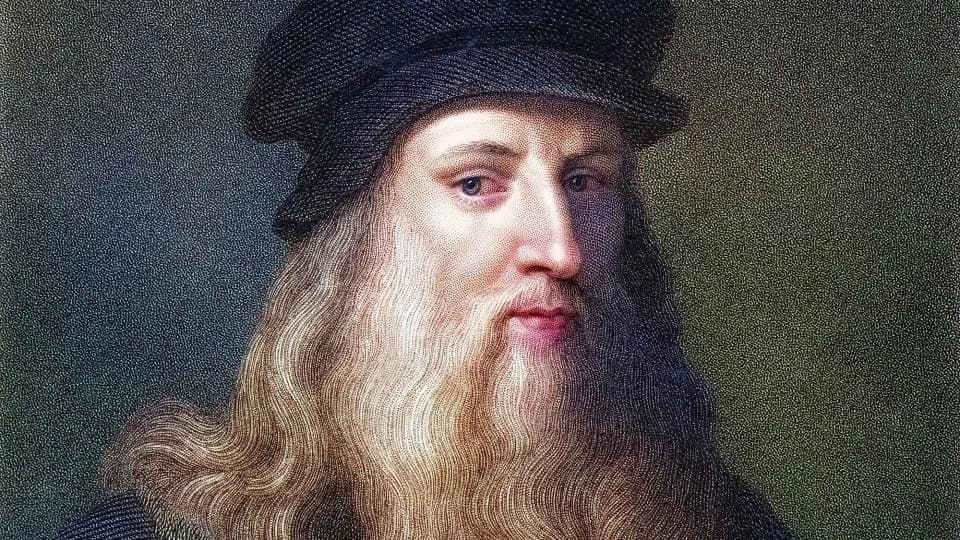
Italian polymath Leonardo da Vinci (Getty)
“We recovered heterogeneous mixtures of non‑human DNA,” the authors write, “and, in a subset of samples, sparse male‑specific human DNA signals.”
Why This Is Not Conclusive Proof
Researchers caution that these results do not constitute proof that any recovered human DNA belonged to Leonardo da Vinci. There is no authenticated reference DNA from Leonardo: he left no known direct descendants, and the place of his burial was disturbed in the early 19th century. Historical objects also accumulate DNA from many handlers and environments over centuries, so contamination and modern handling remain major concerns.
What the Non‑Human DNA Revealed
Plant and microbial traces can be valuable for provenance and conservation studies. For example, the team notes that Italian ryegrass would be consistent with an Italian origin in the 1400s–1500s, Salix species were common along the Arno and used in artisan workshops, and the presence of Citrus DNA in the “Holy Child” may point to specific historical contexts or trade links.
Next Steps
The authors call for additional work to better distinguish artefact‑associated historical signals from modern contamination, to improve authentication, and to validate results through independent replication and peer review. If validated, these minimally invasive molecular methods could become a powerful complement to art historical and conservation research — but caution and rigorous controls are essential.
Bottom line: The study demonstrates that tiny biological traces can be recovered from fragile Renaissance objects and used to generate hypotheses about origin and handling, but definitive attribution of DNA to Leonardo da Vinci remains unproven.
Help us improve.