The detention of five-year-old Liam Ramos in a Minneapolis suburb has drawn national attention to a renewed effort by the Trump administration to detain immigrant families. From January to October 2025, ICE booked about 3,800 minors into family detention, more than 2,600 of them apprehended inland. Many children end up at the 2,400-bed Dilley facility in South Texas. Critics say the policy undermines Flores Settlement protections and detains families with pending asylum claims; recent federal spending language and larger detention budgets have increased the resources available for family detention.
Five-Year-Old’s Detention Highlights a Renewed Push to Hold Immigrant Families
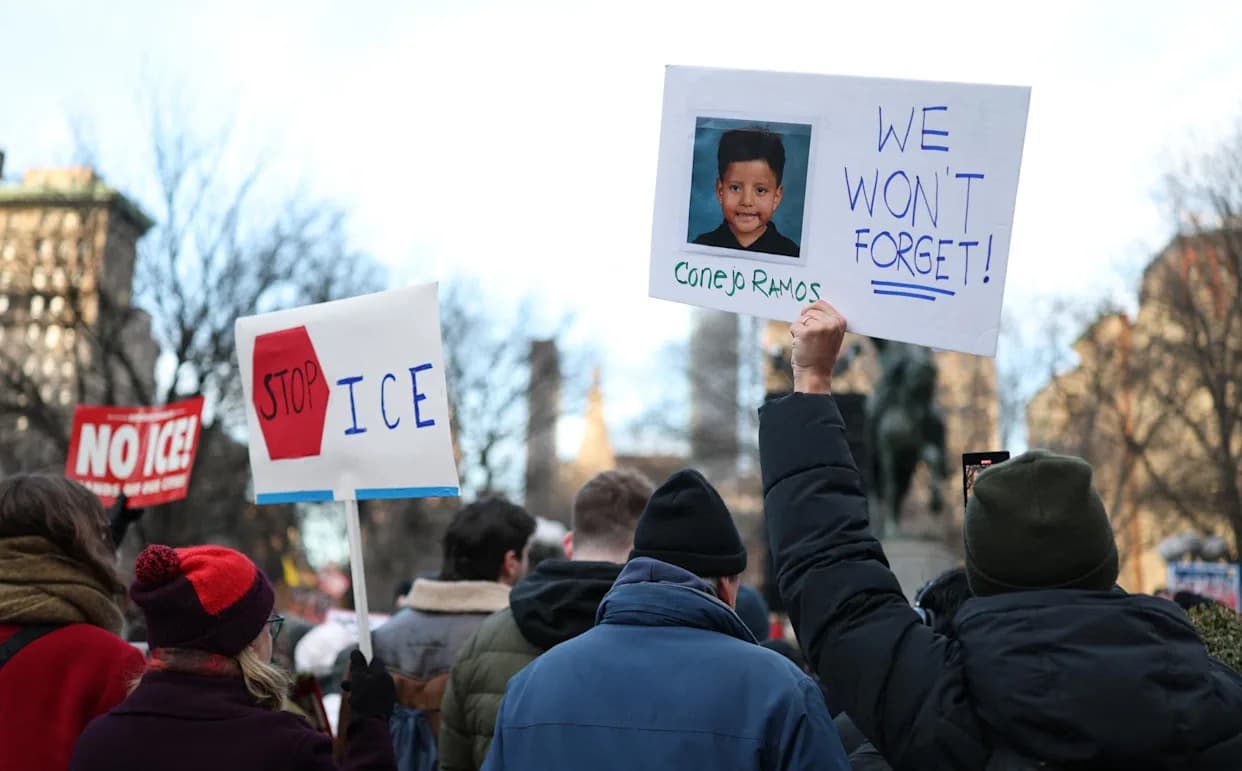
A photo of Liam Conejo Ramos during an ‘ICE Out’ protest in New York City on 23 January.Photograph: Angela Weiss/AFP/Getty Images(Photograph: Angela Weiss/AFP/Getty Images)
Images of a five-year-old boy wearing a Spider-Man backpack being taken into Immigration and Customs Enforcement (ICE) custody in Columbia Heights, Minn., crystallized critics’ concerns about a more aggressive approach to family immigration enforcement under the Trump administration. The case of Liam Ramos has become a focal point in broader debates over whether recent enforcement actions prioritize public safety or serve to intimidate children and their families.
According to a Guardian analysis of Deportation Data Project records, ICE booked roughly 3,800 minors into family detention between January and October 2025; more than 2,600 of those children were apprehended inland rather than at the border. Those figures mark a sharp shift from earlier practices, when family detention was used primarily for parents and children who crossed the border together.
Legal Protections and the Flores Settlement
Minors in U.S. immigration custody are subject to special protections under the 1997 Flores Settlement, which bars long-term detention of unaccompanied children and generally requires release of children in family custody if the government cannot promptly deport them. The renewed emphasis on detaining families has raised legal and humanitarian questions about compliance with Flores and related safeguards.
Where Families Are Held
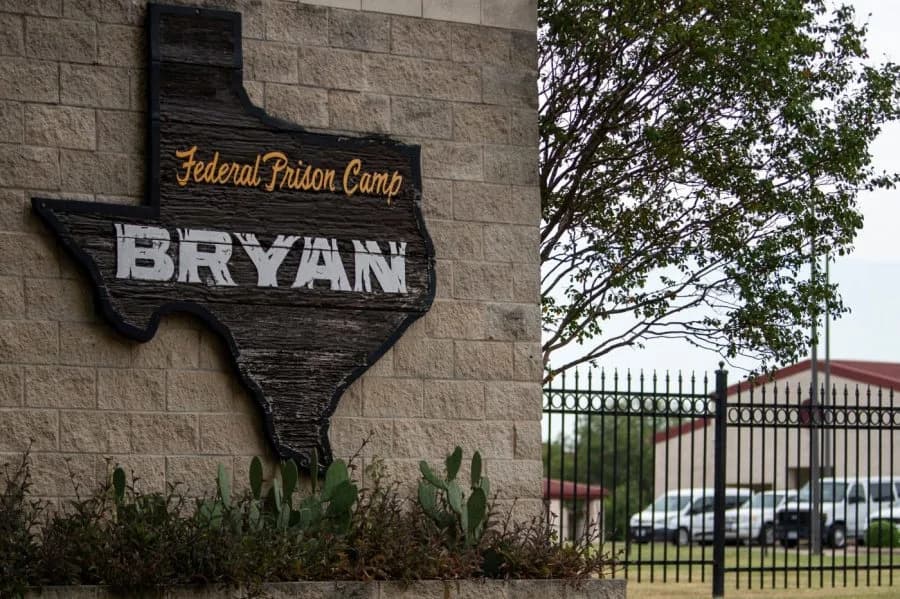
Many children detained with a parent are ultimately sent to the South Texas Family Residential Center in Dilley, Texas — a 2,400-bed facility managed by the private contractor CoreCivic. Family detention sites are intended to offer less jailing conditions for children, including access to education and play areas, but advocates say detention still harms children’s mental and physical well-being. ICE has not confirmed how many family detention centers it now operates.
How Families Are Being Apprehended
Attorneys and advocates say recent enforcement activity increasingly targets families living inside the United States, not only people encountered at the border. Many detainees reportedly had pending asylum claims or valid work authorizations when arrested — sometimes at immigration checkpoints positioned along highways within the so-called 100-mile zone from the U.S.-Mexico border.
“This is not people showing up at the border at this point. It’s people being arrested who live in the United States, who have permission to live in the United States,” said Becky Wolozin of the National Center for Youth Law. “There’s no status that protects people anymore.”
In the Ramos case, his family — Ecuadorian nationals — used the CBP One app and filed an asylum claim after arriving at the border, their attorney says. Nonetheless, ICE officers detained the father and the child; the Department of Homeland Security characterized the child’s detention as occurring after a foot pursuit when officers attempted to arrest the father.
“They did everything right when they came in,” said Marc Prokosch, the family’s lawyer. “ICE didn’t care about the fact that they had those pending claims, and just arrested them.”
Policy History and Recent Legislation
Family detention has evolved over several administrations: it expanded under President George W. Bush, was scaled back then increased again during the Obama administration in response to the 2014 Central American family arrivals, and later was used and challenged under the Trump administration. The Biden administration halted family detention in 2021.
Advocates warn that recent congressional spending language and budget increases have reopened avenues for expanded detention. Critics point to last year’s spending package (pejoratively nicknamed the “One Big, Beautiful” bill by some opponents) for language directing ICE to hold families "until such aliens are removed" and for a large increase in detention funding — reported at roughly $45 billion for immigrant-detention operations — which allows more resources to be used for family detention.
Supporters of strict enforcement argue that detaining families is necessary to uphold immigration laws and deter unauthorized entry; opponents say the policy is harmful, unnecessary, and in many cases unlawful. Legal challenges over Flores and other protections are ongoing.
What to watch next: litigation outcomes around Flores protections, congressional oversight of detention spending, and ICE reporting on how and where families are being held.
Help us improve.