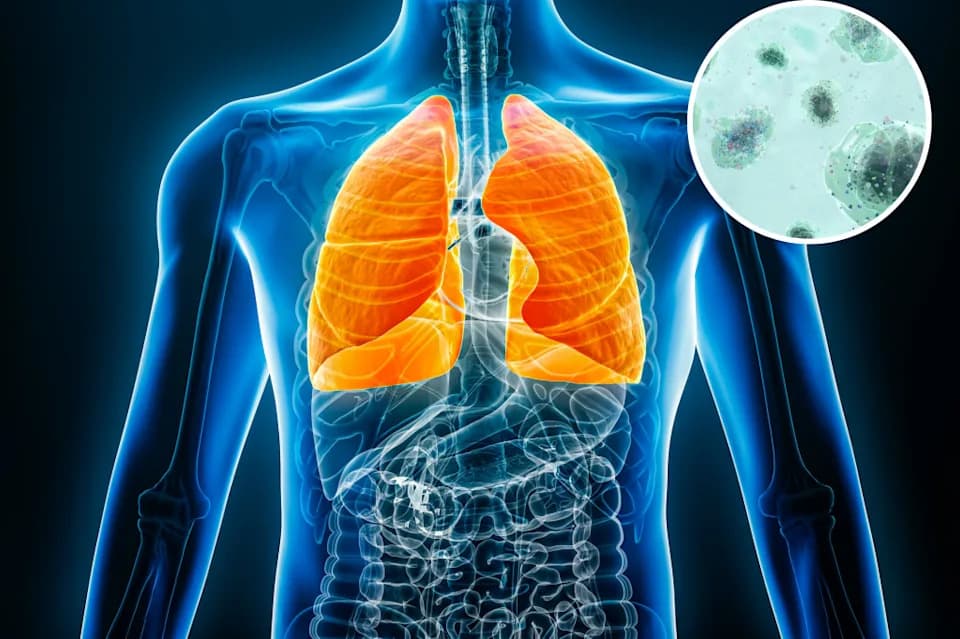
Researchers are challenging high‑profile studies that reported microplastics in human tissues, arguing methodological flaws may have produced false positives. The commonly used Py‑GC‑MS technique can produce the same chemical signals from biological fats as from plastics, and a January 2025 review flagged 18 studies for inadequate controls. Experts call for standardized laboratory protocols and stronger validation before firm conclusions about quantities and health effects can be drawn.
Were Microplastics in Our Brains a Lab Error? High‑Profile Studies Face Methodological Critique
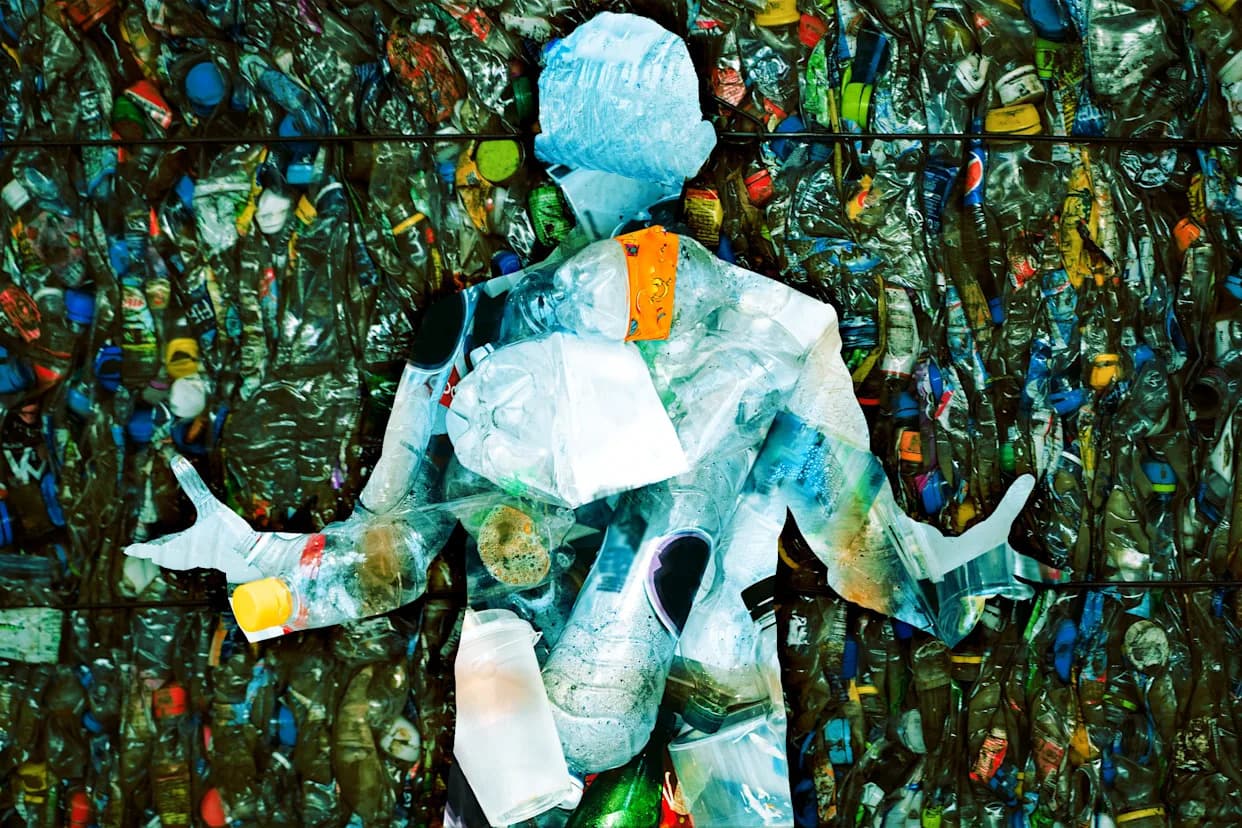
Illustration by Tag Hartman-Simkins / Futurism. Source: Getty Images
A growing chorus of scientists now warns that several high‑profile studies claiming to detect microplastics in human tissues may have been misled by laboratory artifacts rather than real contamination. Reports that tiny plastic particles appear in blood, organs and even brains sparked alarm — but independent reviewers say procedural flaws and analytical interferences could explain many of those findings.
Which Studies Are Under Scrutiny?
One widely discussed paper, published in Nature Medicine in February, reported a rise in micro‑ and nanoplastics (MNPs) in human brain tissue based on autopsies of cadavers who died between 1997 and 2024. In November, a group of researchers published a letter in the same journal arguing the paper suffered from "limited contamination controls and lack of validation steps," according to reporting by The Guardian.
"The brain microplastic paper is a joke," said Dušan Materić of the Helmholtz Centre for Environmental Research, a coauthor of the letter. He noted that brain tissue is high in fat — roughly 60% — and that fats can produce chemical signals that mimic polyethylene in some tests.
How Could Tests Be Mistaking Fat for Plastic?
Many studies use pyrolysis–gas chromatography–mass spectrometry (Py‑GC‑MS) to identify and quantify MNPs. The method heats a sample in an oxygen‑free environment until it decomposes; the resulting gases are separated and analyzed to infer the chemical identity of original materials.
Critics argue that pyrolysis signatures attributed to polymers such as polyethylene can also be produced by biological fats. Although laboratories often apply chemical steps intended to remove organic tissue before pyrolysis, reviewers worry that residual lipids can remain and generate false positives.
In January 2025, University of Queensland environmental chemist Cassandra Rauert published an analysis concluding that Py‑GC‑MS "is not currently a suitable technique for identifying polyethylene or PVC due to persistent interferences." Rauert’s paper identifies 18 studies she says did not adequately control for this risk.
Concerns About Laboratory Practices And Standards
Analytical chemistry has established protocols for many sample types, but standardized guidelines for microplastics analysis are still emerging. Frederic Béen of Vrije Universiteit Amsterdam told The Guardian that he sees papers failing to follow basic good laboratory practices such as rigorous contamination controls and background checks. Without consistent methods and controls, results from different groups are difficult to compare and may be unreliable.
What This Means For Health Claims
The debate highlights that the field is still young and that firm conclusions on how much plastic is present in human tissues — and whether those levels cause harm — remain premature. While it is reasonable to assume people are exposed to plastics, experts say reliable, validated measurements and standardized protocols are required before strong health claims can be made.
Bottom line: Several influential findings about microplastics in human tissues are under credible methodological criticism. The scientific community needs better validation, contamination controls, and agreed standards before the prevalence and health impacts of micoplastics in people can be determined with confidence.
Help us improve.