The University of Cambridge screened over 1,000 chemicals and identified 168 that can damage 22 common gut microbes; fungicides and many industrial compounds were the most likely culprits. A separate review of 21 animal studies linked neonicotinoid exposure to impaired male reproductive health. Practical measures — rinsing produce with plain water and peeling some items — can substantially reduce pesticide residues while researchers pursue further human-focused studies.
168 Food-Related Chemicals Linked To Gut Microbiome Damage — Study Highlights Fertility Concerns
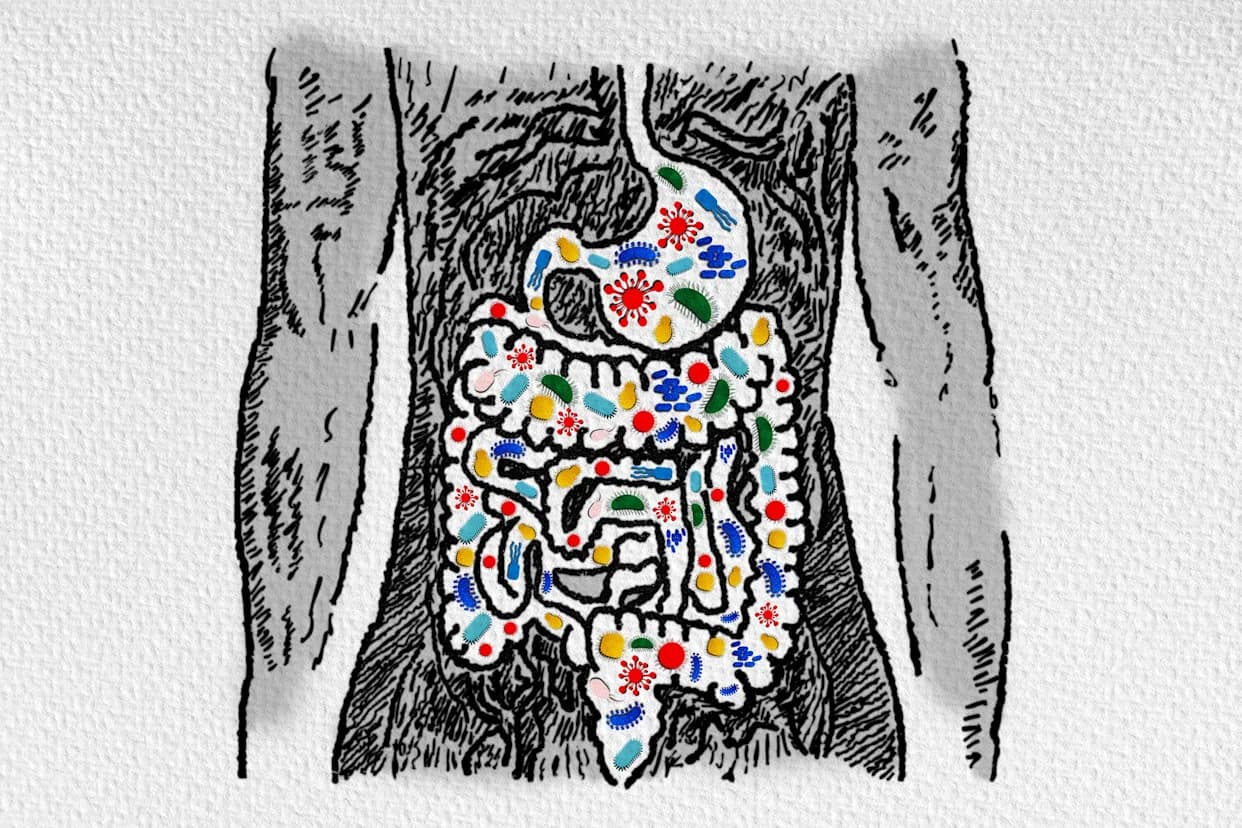
New laboratory research from the University of Cambridge found that dozens of chemicals commonly present in food or used in industry can damage beneficial gut bacteria — and a separate review links some pesticides to reduced male fertility in animal studies. The findings underscore growing concerns about how everyday chemical exposures may affect digestion, immunity and reproductive health.
What the Cambridge Study Found
Cambridge researchers screened more than 1,000 chemical compounds against 22 common gut microbial species and identified 168 substances that significantly harmed microbes important for digestion and intestinal health. The compounds included pesticides, fungicides, and many industrial chemicals — even some previously considered biologically inert, such as certain fire retardants and plastic additives.
“We found that many chemicals designed to act only on one target, such as insects or fungi, also affect gut bacteria,” said study first author Indra Roux, in a university report. “We were surprised that some of these chemicals had such strong effects.”
The team reported that fungicides and a range of industrial chemicals showed the largest impacts: roughly 30% of chemicals in those categories exhibited anti–gut–bacterial activity, according to their November paper in Nature Microbiology. The researchers also used their experimental results to train a machine-learning model intended to predict how newly developed chemicals might affect intestinal microbial communities.
Evidence Of Human Exposure
Previous biomonitoring studies cited by the authors detected pesticides such as permethrin, diethylphosphate and glyphosate in the urine of study participants, indicating widespread human exposure to some of these compounds.
Separate Review: Pesticides And Male Fertility
Researchers at George Mason University reviewed 21 experimental animal studies from the past two decades examining neonicotinoids — a widely used class of insecticides — and found consistent evidence of harm to male reproductive health in rodents. The review authors reported effects such as reduced sperm quality, hormonal disruption and testicular damage and called for further research to determine whether similar effects occur in humans.
Practical Steps To Reduce Exposure
While research continues, simple food-preparation steps can lower pesticide intake. The National Institutes of Health reports that rinsing fruits and vegetables with plain water can reduce pesticide residues by about 76%, and peeling some produce can remove roughly 44% of subsurface pesticides. Note that peeling may also remove nutrients and fiber, so balance the benefits and trade-offs — especially for items like apples, pears, cucumbers and zucchini when surface or absorbed residues are a concern.
Takeaway And Next Steps
These studies do not prove that the identified chemicals cause disease in humans, but they raise important questions about how widespread chemical exposures could alter the gut microbiome and, possibly, reproductive health. The researchers urge further epidemiological and laboratory studies to confirm health impacts in people and to guide regulation and safer chemical design.
Help us improve.