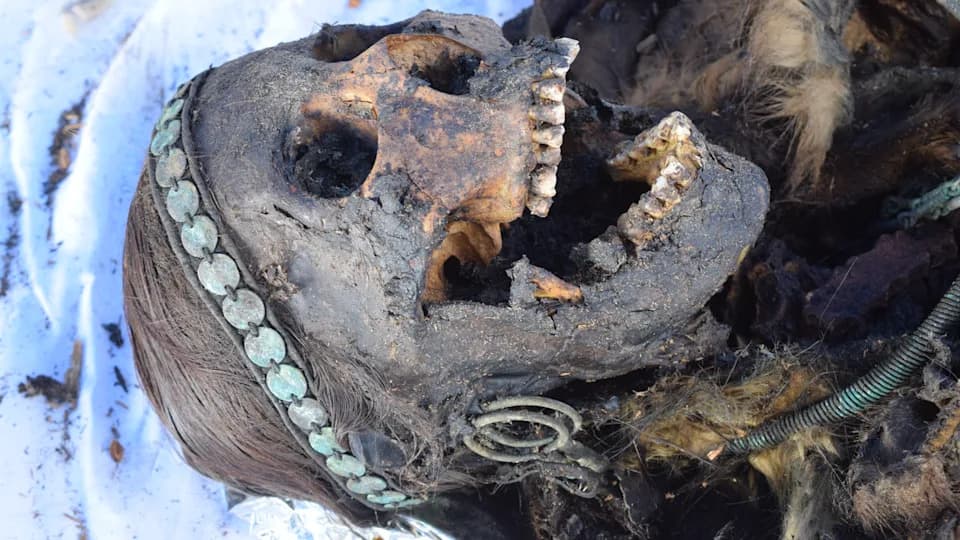
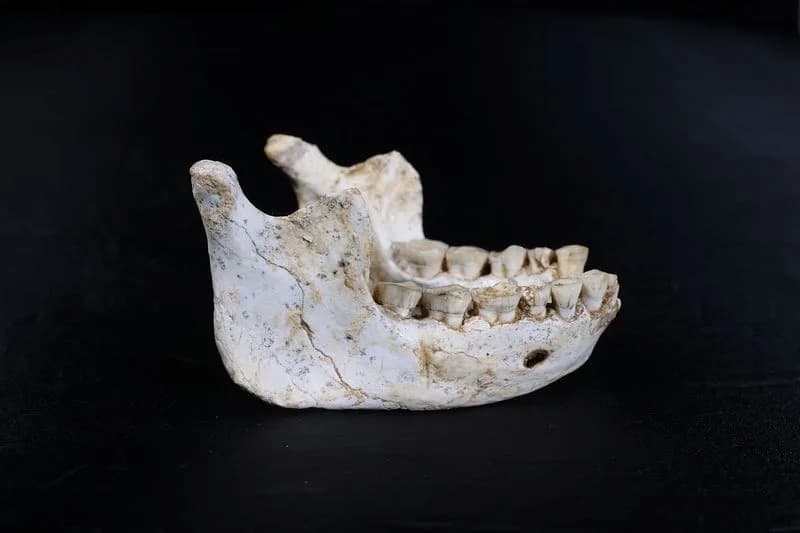
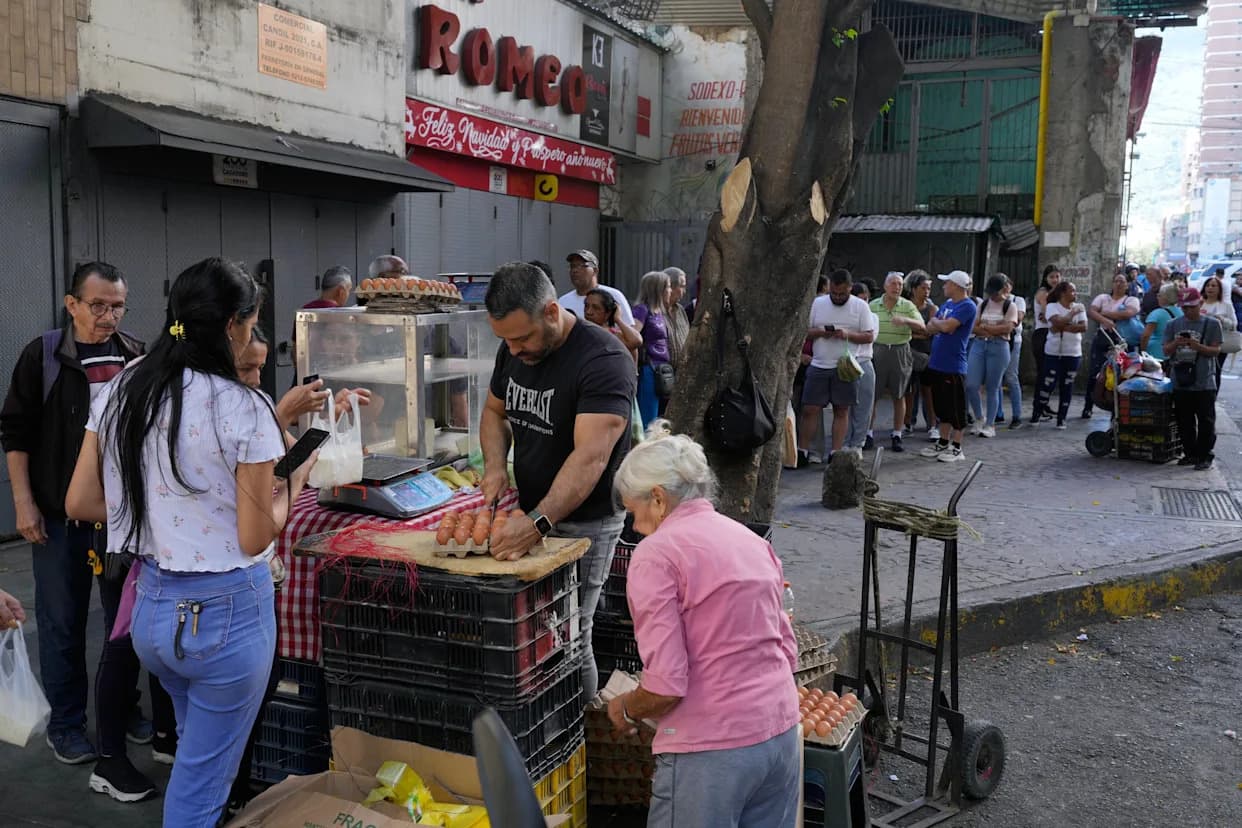
Researchers compared genomes from 333 Italian centenarians and 690 healthy controls and found centenarians carried a higher proportion of Western European Mesolithic hunter-gatherer (WHG) ancestry. WHG was the only ancient component significantly enriched in centenarians in this Italian sample. Authors suggest post-glacial population shifts introduced pro-inflammatory alleles with later groups that may now drive age-related disease, while residual WHG variants could favor longevity. The study is Italy-specific and highlights the need for broader, population-specific research.
Ancient Hunter-Gatherer DNA Tied to Longevity in Italian Centenarians
These Human Genes Could Be the Key to Longevitypiyaset - Getty Images
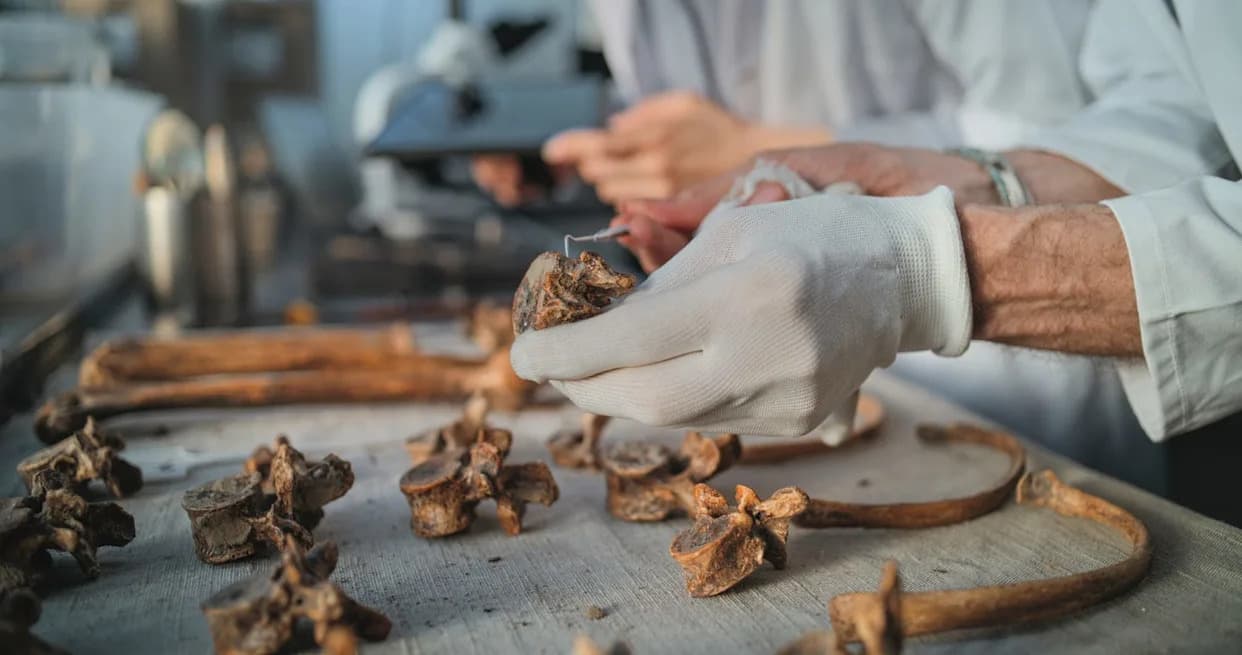
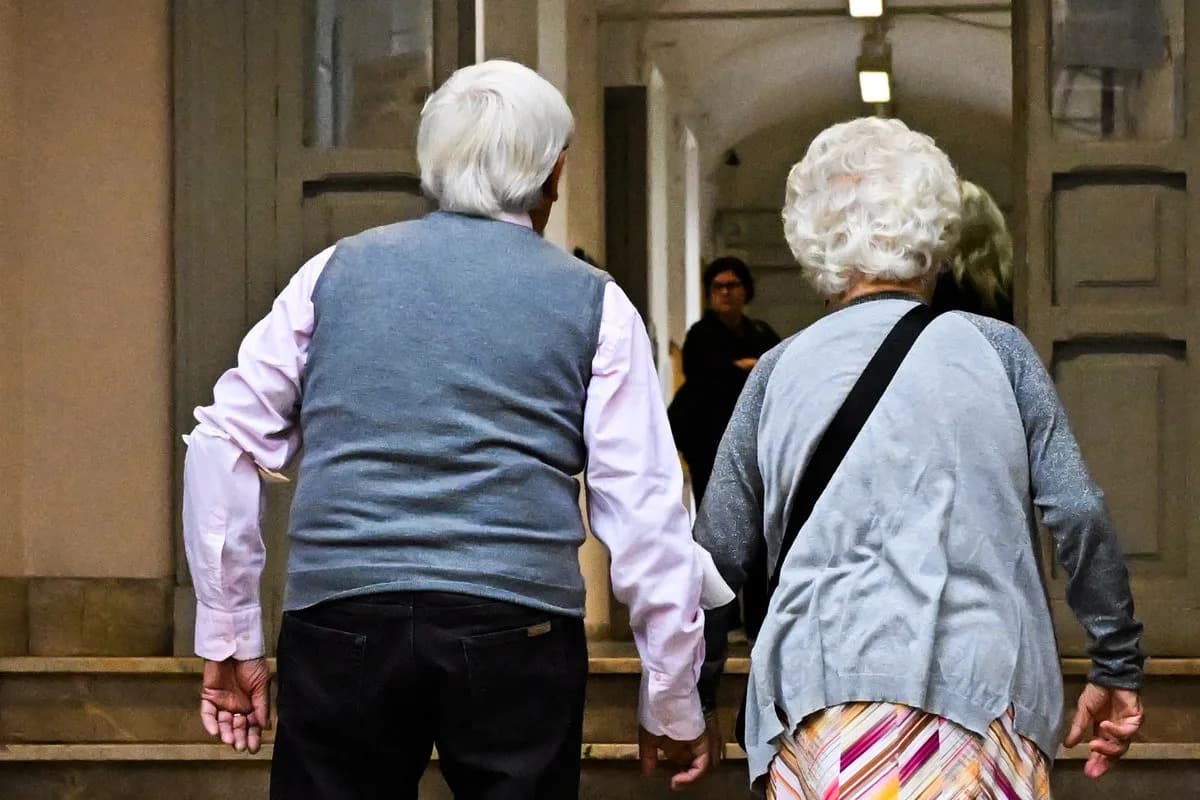
Researchers studying why some people reach 100 years and beyond have identified a possible genetic advantage linked to an ancient branch of European ancestry. A recent analysis of Italian centenarians found that residual DNA from Western European Mesolithic hunter-gatherers (WHG) was more common among those who reached triple digits than among younger, healthy Italians.
What the Study Measured
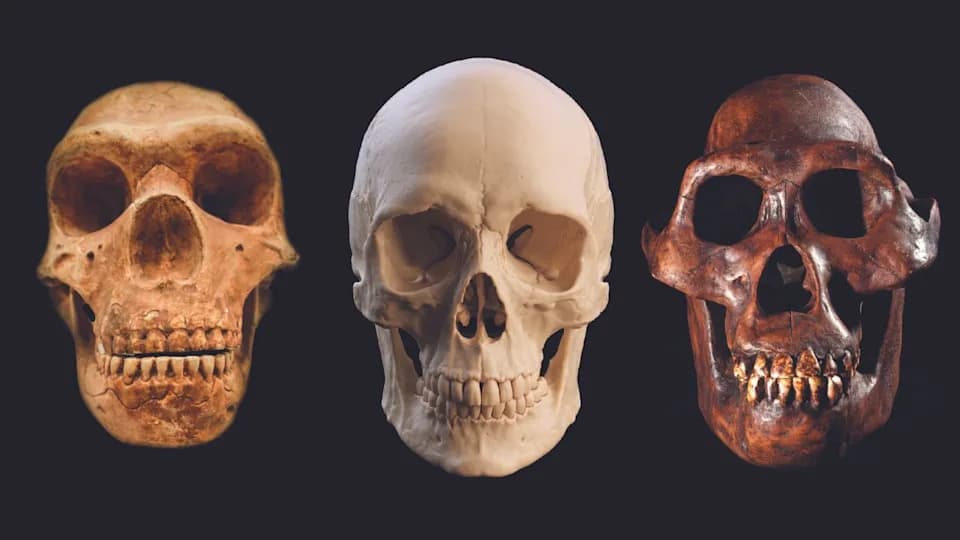
The team compared the genomes of 333 Italian centenarians with 690 healthy controls from across the Italian Peninsula. They examined major ancestral components present in modern Italians: Western European Mesolithic hunter-gatherers (WHG), early Neolithic farmers from Anatolia, Bronze Age herders from the Pontic-Caspian steppe associated with the Yamnaya culture, Caucasian hunter-gatherers, and Iranian Neolithic groups whose genes spread along the Mediterranean shore independently of steppe populations.
According to the paper published in GeroScience, the authors note that recent advances in paleogenomics have enabled researchers to explore how ancient ancestries shape modern traits, but few studies have focused specifically on longevity.
Key Finding
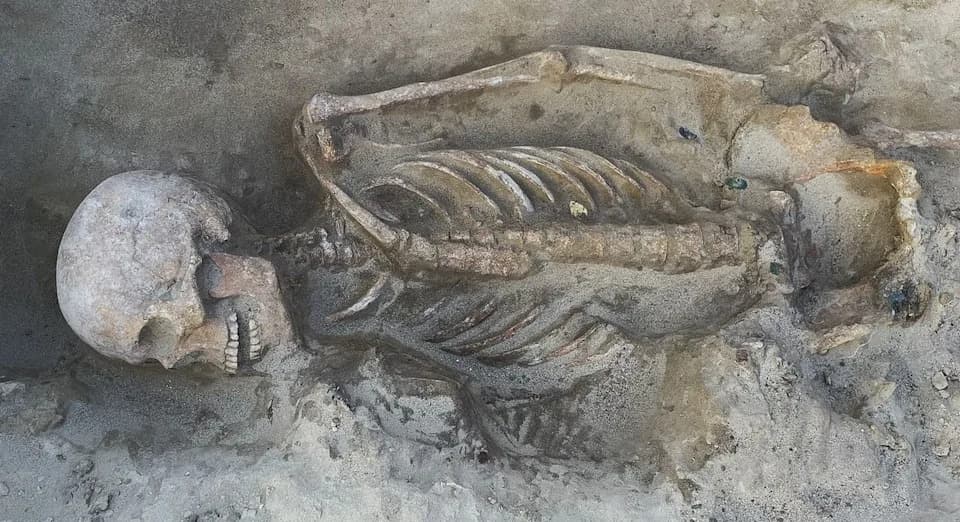
When the researchers compared ancestral components, a single clear difference emerged: centenarians carried greater amounts of WHG ancestry than the control group. This is the first published study to link WHG ancestry—present in European gene pools for roughly the last ~20,000 years—with an increased likelihood of living to 100 or more in this Italian sample.
Deep-Time Context and Possible Mechanisms
The authors place their results in a long-term evolutionary context. During and after the Last Glacial Maximum (roughly 26,500–19,000 years ago), population movements and replacements reshaped European genetic landscapes. The researchers propose that alleles introduced with later Neolithic and Bronze Age populations—variants that were likely advantageous in warmer, denser populations exposed to more pathogens—may have favored stronger inflammatory responses.
Those pro-inflammatory alleles, which probably evolved to help fight infection as diets, lifestyles and population densities changed, can today contribute to chronic inflammation and age-related disease. By contrast, some WHG-derived variants that persisted in parts of Italy might reduce inflammatory risk or otherwise favor exceptional longevity.
Limitations and Broader Implications
The authors are cautious about overgeneralizing. The study is specific to Italy, and longevity is multifactorial: lifestyle, environment and many genetic influences shape lifespan. Having less WHG ancestry does not preclude reaching advanced age, and other genetic contributions to longevity will vary across populations. The paper argues for a population-specific, paleogenomic approach to studying the genetics of aging and calls for replication in other regions and cohorts.
Separately, longevity research continues to explore interventions that may influence aging and inflammation—such as dietary compounds (for example, polyphenols found in berries and pomegranates)—but these remain complementary to understanding inherited genetic variation.
The authors conclude that the WHG-associated variants may have been introduced into the Italian gene pool in ancient times and propose using paleogenomic data and historical demographic context to study population-specific genetic determinants of human longevity.
Help us improve.