Ukrainian officials say President Trump’s Jan. 3 raid in Venezuela shows the U.S. can act quickly and decisively — a posture Kyiv had hoped might be applied against Russia. The operation prompted domestic U.S. debate, alarm among European allies, and a sharp drop in Ukrainian trust in the U.S. (from 41% to 21% in a recent poll). Zelenskyy publicly challenged Washington to consider using comparable force against Kremlin-aligned figures, underscoring Kyiv’s anxiety about being treated as a bargaining chip.
Ukrainian Leaders Take Warning From Trump’s Bold Venezuela Raid — Will the Same Force Be Used Against Russia?
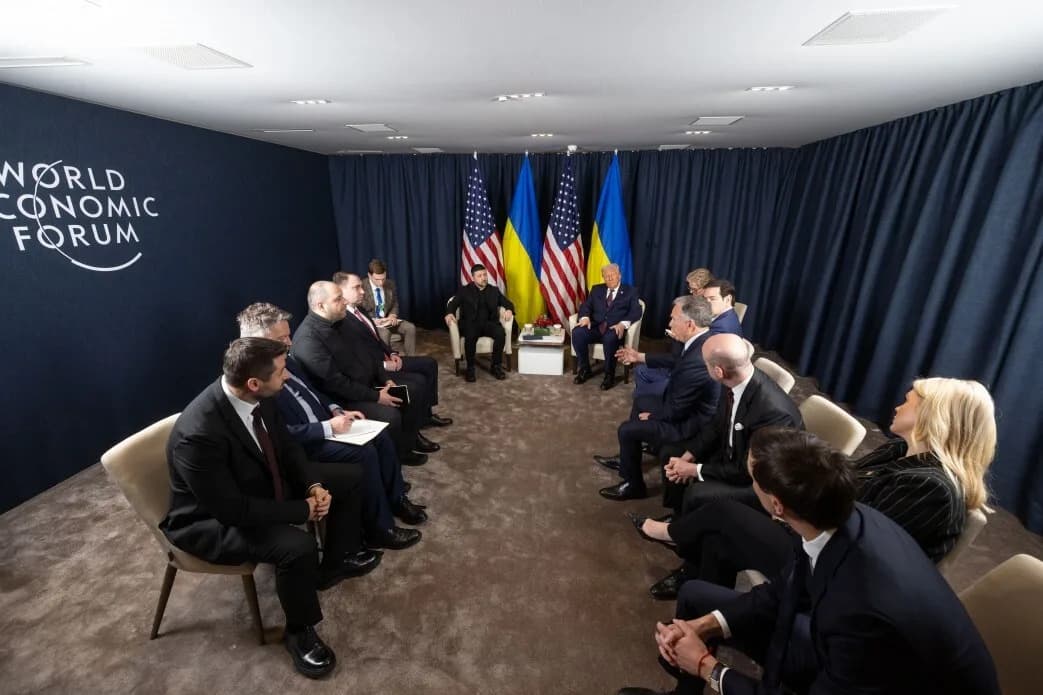
Ukrainian President Volodymyr Zelenskyy meets with U.S. President Donald Trump in Davos, Switzerland, on Jan. 23, 2026. (Ukranian Presidency / Handout/Anadolu via Getty Images)(Anadolu)
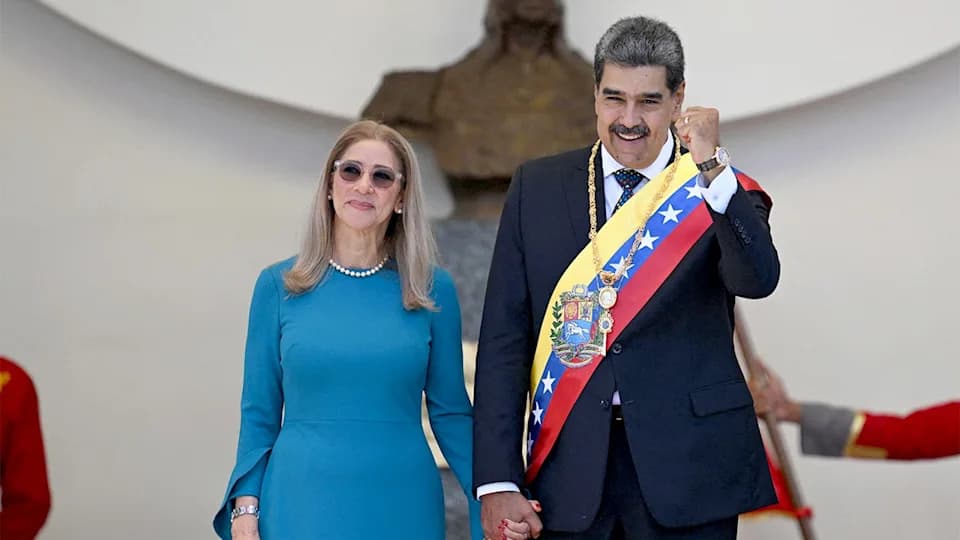
KYIV — President Donald Trump’s Jan. 3 operation to seize Venezuelan leader Nicolás Maduro has reverberated far beyond Caracas, prompting Ukrainian officials and European allies to ask whether Washington might apply similar rapid, decisive force to halt Russian aggression in 2026.
The early-morning raid — which U.S. military leaders praised for its precision — demonstrated that the administration can move quickly, confront Moscow’s interests and press its advantage when it chooses.
Reaction in Kyiv
From Kyiv, President Volodymyr Zelenskyy watched closely and delivered a blunt message to Western capitals. “If you can do that with dictators,” he told reporters afterward, “then the United States knows what to do next.” He repeated the challenge at Davos: “Maduro is on trial in New York. Sorry, but Putin is not.”
“President Trump has enormous leverage over Russia. He just has never used it.” — Retired Lt. Gen. Ben Hodges
For many Ukrainians, the Maduro operation was a stark reminder that U.S. policy can shift quickly — and that Kyiv’s security calculations could be upended if Washington treats Ukraine as one lever among many in a transactional approach to foreign policy.
What Happened Around the Raid
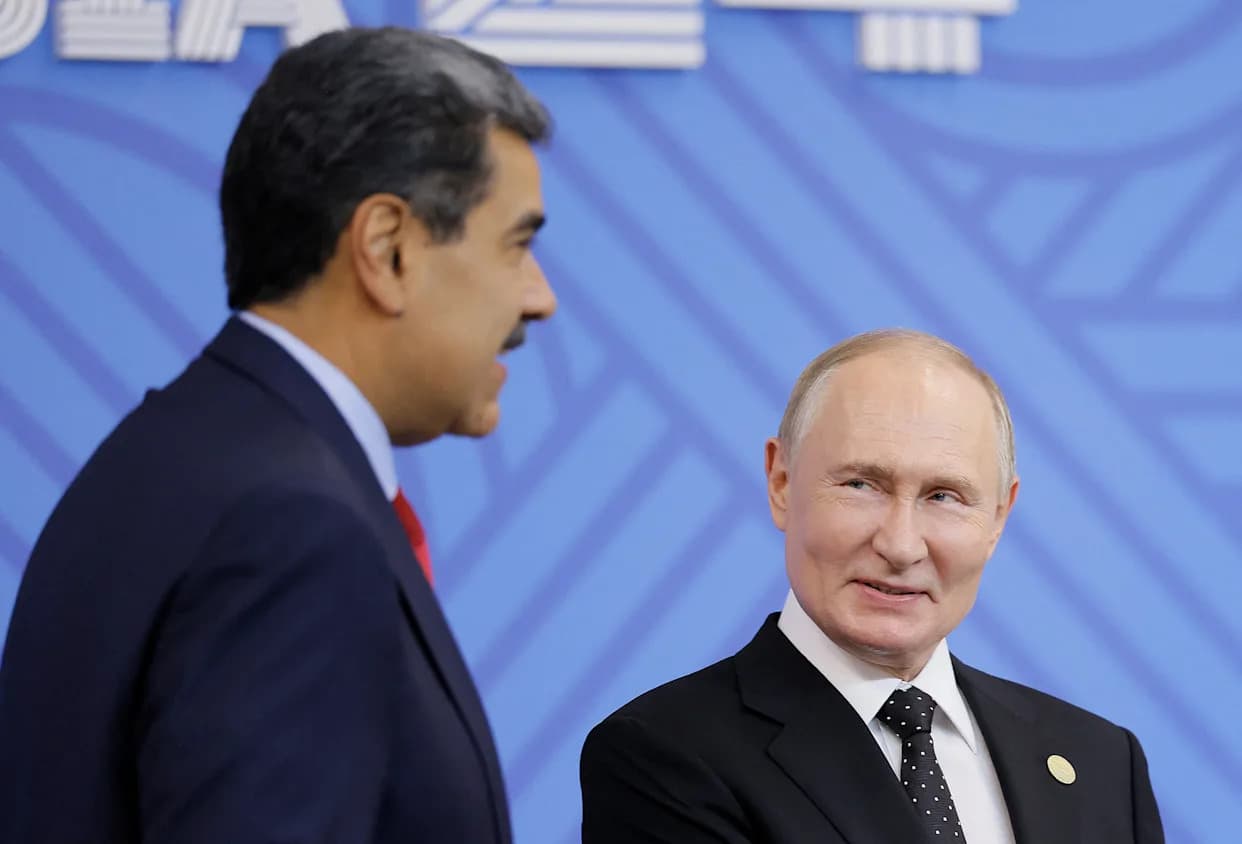
According to reporting by the Associated Press, Kremlin officials began moving families of Russian diplomats out of Venezuela days before the operation, suggesting Moscow anticipated some U.S. action. Russia’s foreign ministry later denied removing diplomats, but did not directly address reports about family evacuations. Moscow publicly protested after the operation, while President Vladimir Putin offered little immediate comment.
Domestic And International Pushback
The raid prompted fierce debate inside the United States. Some lawmakers condemned the action as an overreach: “Bombing another nation’s capital and ousting their leader constitutes an act of war,” Sen. Rand Paul said. At the same time, senior U.S. officials signaled assertive policy changes: Vice President J.D. Vance told Fox News the U.S. would control which Venezuelan oil sales serve “America’s national interest,” and White House press secretary Karoline Leavitt said that decisions in Caracas would “continue to be dictated by the United States of America.”
European analysts warned allies would be unsettled by the administration’s willingness to use force. Chatham House said partners “will be far from reassured,” while Brookings scholars warned Ukrainians are likely seeing how little leverage they may have when Washington decides to act.
Diplomacy, Delegations And Perception
Concerns about U.S. priorities surfaced during recent peace-process diplomacy. French President Emmanuel Macron warned that the United States appears to be “breaking free from international rules” and drifting from traditional alliances. In Paris, Macron brought together 35 participants to discuss ceasefire monitoring and long-term defense cooperation, yet Kyiv noted the U.S. sent lower-profile envoys — including a real-estate associate and a longtime adviser — rather than a senior diplomatic official, a move many in Kyiv interpreted as diminished U.S. engagement.
Public Sentiment In Ukraine
Trust in the United States appears to be eroding. A December poll by the Kyiv International Institute of Sociology found trust in the U.S. dropped from 41% to 21%, while distrust rose from 24% to 48%. Many interviewees described Ukraine as a “bargaining chip” in broader U.S. negotiations over sanctions, energy and troop posture.
What Kyiv Is Asking
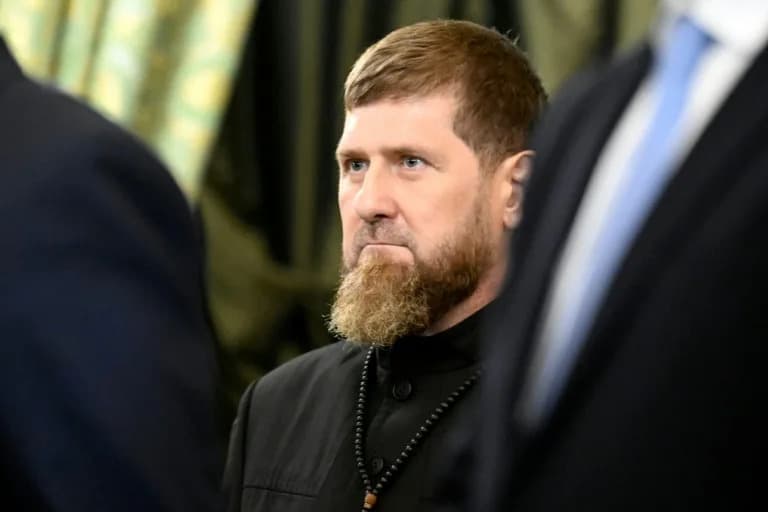
President Zelenskyy has publicly challenged the new tone in Washington. Days after the Caracas operation, he suggested the U.S. demonstrate similar resolve against Kremlin-aligned strongmen: “Let them carry out some operation against Kadyrov, this murderer,” Zelenskyy said, referring to Chechen leader Ramzan Kadyrov, whose forces have been accused of abuses in Ukraine. “Maybe Putin will see that and stop to think.”
Implications
The Venezuela raid has crystallized a central question for Kyiv and its partners: will the United States use its evident leverage to defend Ukraine’s sovereignty, or will Washington treat Ukraine as one item among many in a transactional grand strategy? The answer will shape European security calculations and Kyiv’s approach to both diplomacy and continued defense.
Help us improve.