Summary: The UAE plans to fund a large "New Rafah" planned community on the ruins outside Rafah, offering housing, schools and healthcare to Palestinians who agree to security vetting and biometric registration. The unclassified plans were presented at the CMCC and have reportedly been reviewed by Israeli military planners; key details — including who will run security and manage biometric data — remain unspecified. Experts warn the project could enable forced displacement, expand surveillance, and serve political aims even if construction never begins.
UAE to Finance 'New Rafah' Planned Community in Israeli-Held Gaza — Biometric Vetting Proposed
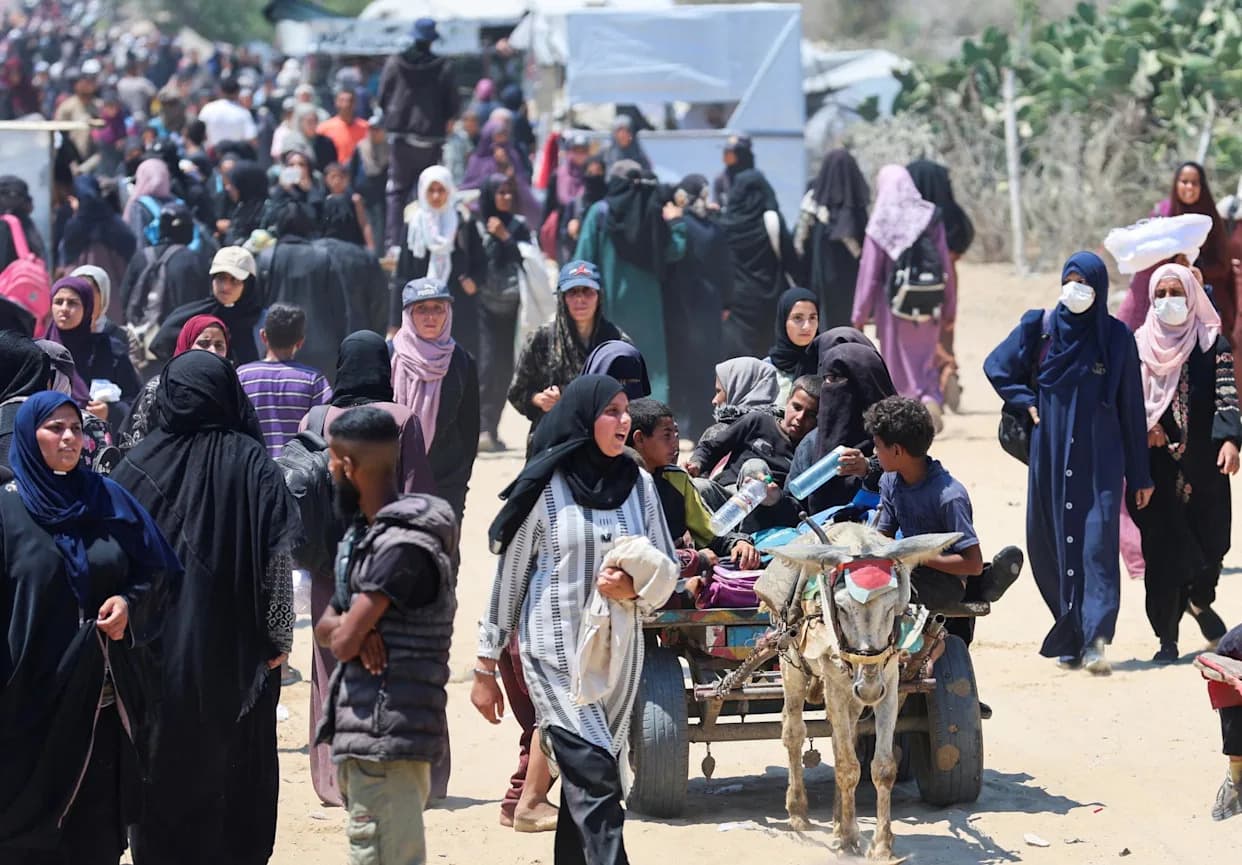
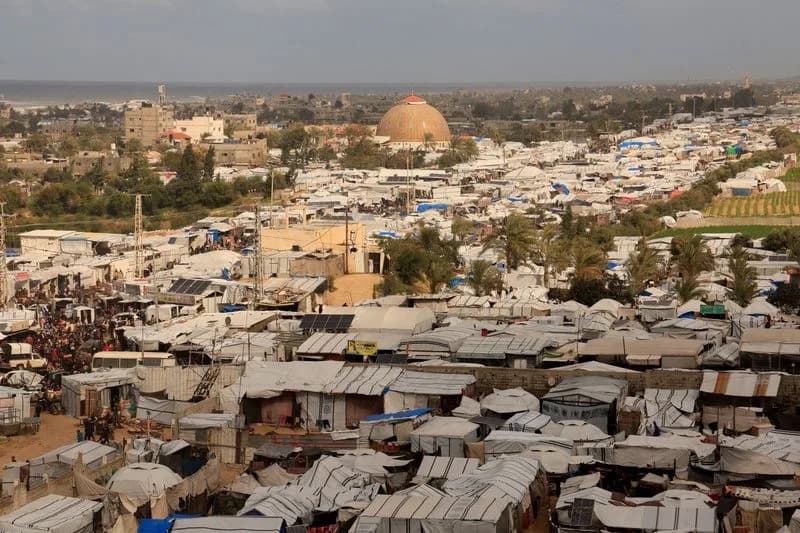
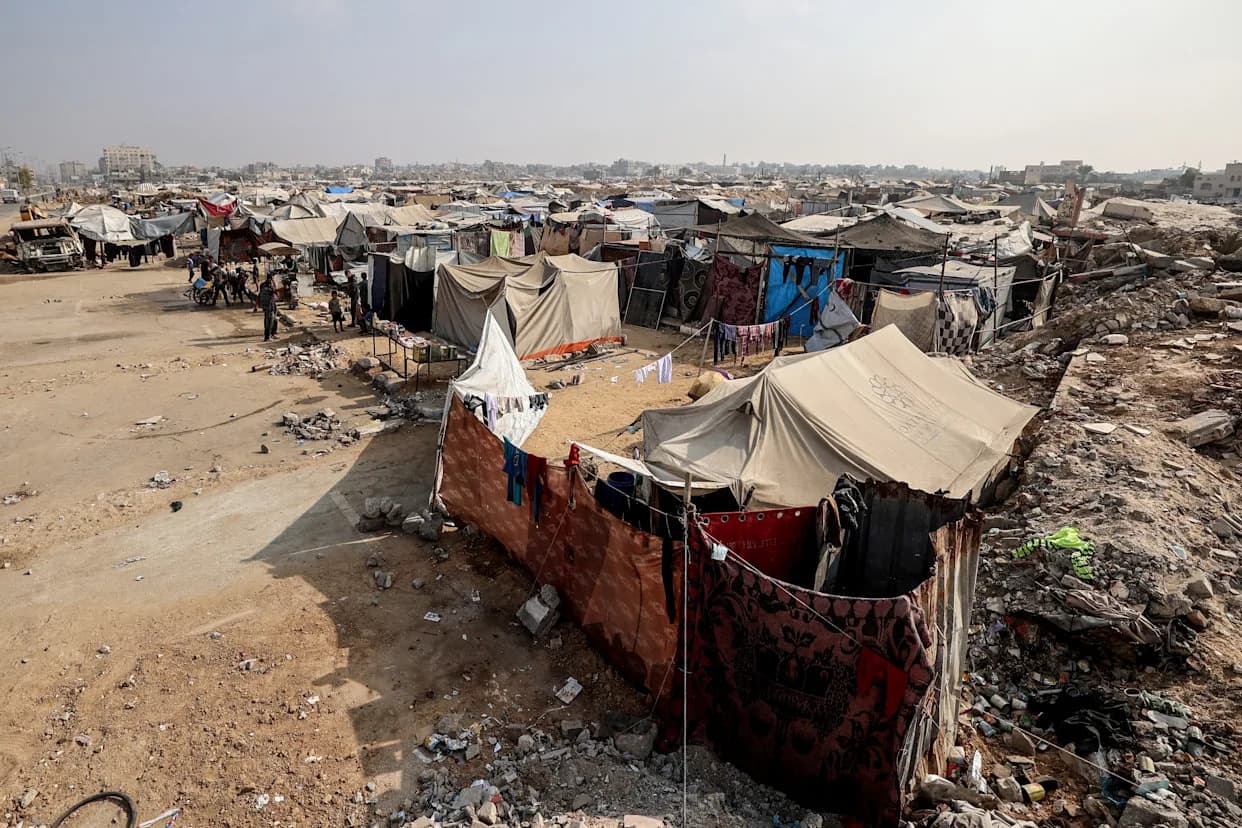
Palestinians near Rafah in the southern Gaza Strip on 24 July 2025.Photograph: Ramadan Abed/Reuters(Photograph: Ramadan Abed/Reuters)
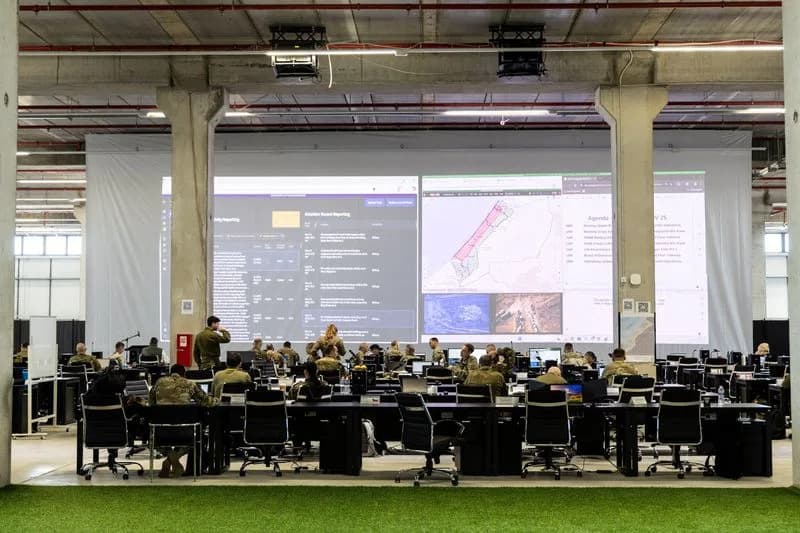
The United Arab Emirates plans to fund what it describes as Gaza’s first "planned community" on the heavily damaged outskirts of Rafah, in the Israeli-held part of the Gaza Strip. Planning documents reviewed by donors and media — including an unclassified slide deck presented at the US-led Civil Military Coordination Center (CMCC) — describe a new development that would offer basic services in exchange for security vetting and biometric data collection.
Project Overview
According to the slide deck obtained by the Guardian and first reported by Dropsite, the Emirati-backed project — referred to in planning materials as "New Rafah" — would be the UAE’s first postwar reconstruction investment inside Israeli-held Gaza. The UAE has said it has provided more than $1.8 billion in humanitarian assistance to Gaza since 7 October 2023.
What the Plans Promise
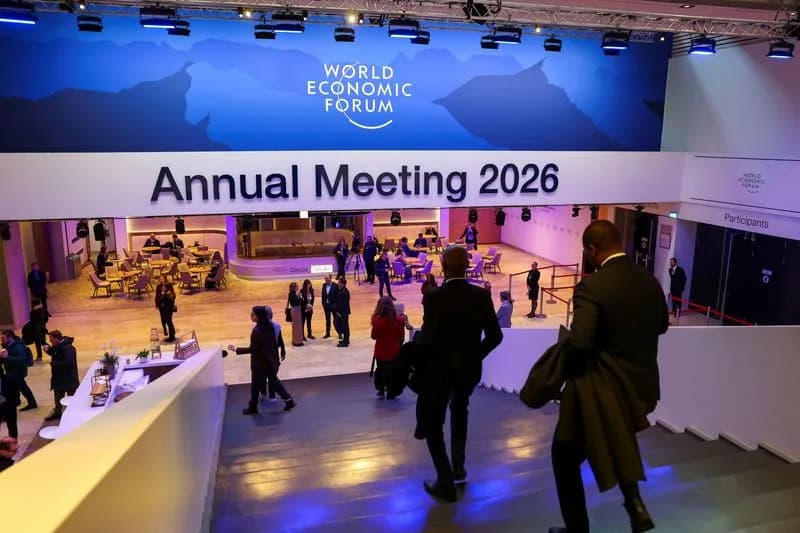
Planners envision a large-scale reconstruction effort that, in early phases, would include up to 100,000 permanent housing units, 200 education centers and 75 medical facilities. The Board of Peace, a US-led initiative newly tasked with supervising Gaza reconstruction after endorsement at the World Economic Forum in Davos, features "New Rafah" as an early case study in its master plan.
Security, Biometric Measures and Conditions for Residents
Documents outline several measures intended to limit militant influence within the community: electronic shekel wallets to reduce diversion of funds, an Emirati-supplied school curriculum described as "not be Hamas-based," and freedom of movement within the compound "subject to security checks to prevent the introduction of weapons and hostile elements."
Critically, the plans require residents to undergo security vetting and biometric documentation. The materials do not specify which authority would carry out security screening, who would manage the biometric database, or the criteria for denying entry.
Legal, Ethical and Practical Concerns
Legal and human-rights experts warn the scheme raises serious concerns. A priority for planners was reviewing land deeds; if Palestinian landowners can prove deeded claims, funders could face allegations of forcible displacement, which may constitute a war crime. Critics also warn that the program could expand biometric surveillance in Gaza and enable political goals that encourage displacement.
"Without one brick being laid, it gives a further layer of permission to Israel clearing the area, and displacing or killing Palestinians in the process," said Daniel Levy, a former Israeli negotiator. Matt Mahmoudi of the University of Cambridge warned the plan risks expanding coercive biometric surveillance.
Context: Destruction and Reconstruction Challenges
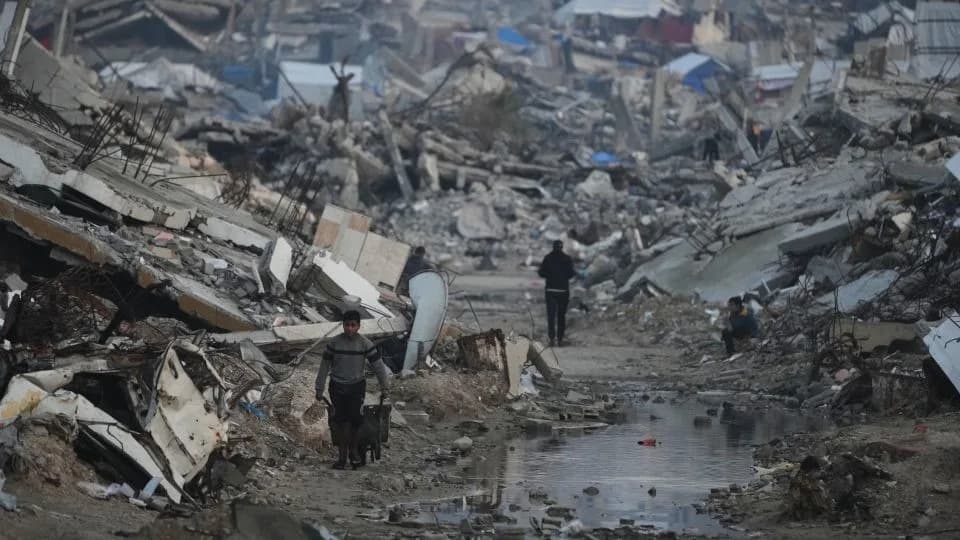
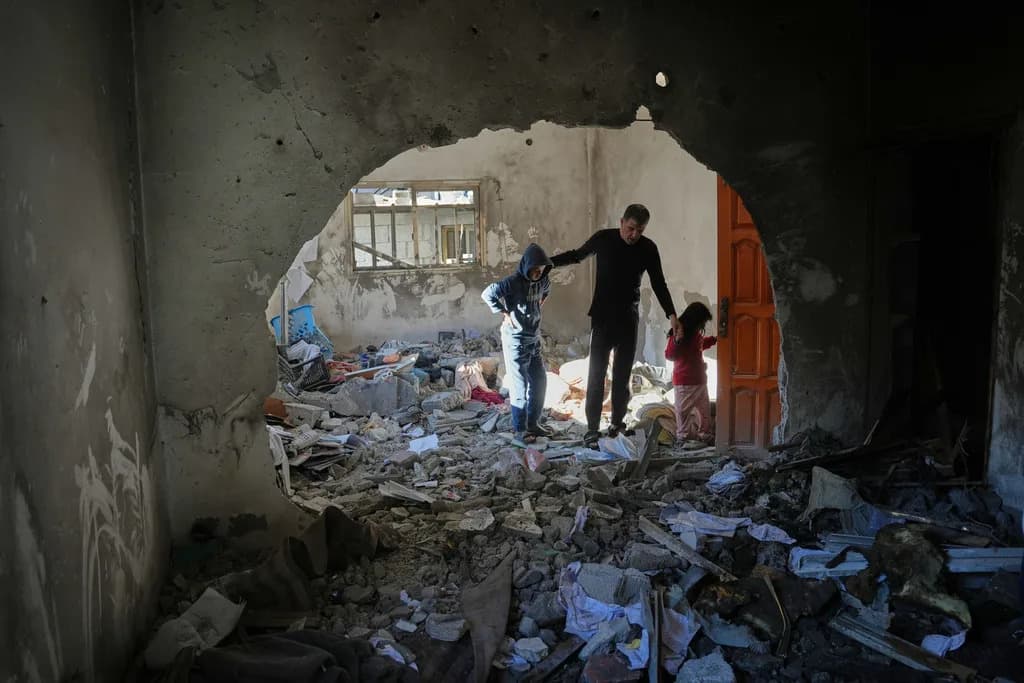
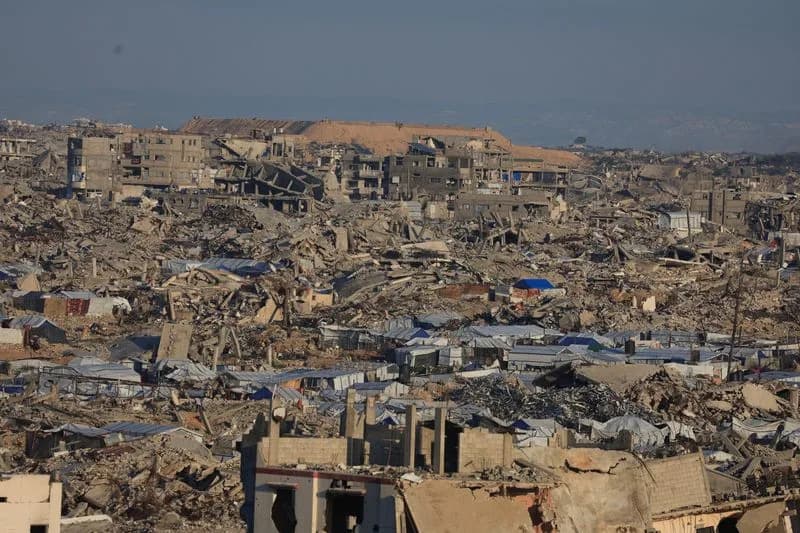
The United Nations estimates rebuilding Gaza will cost at least $70 billion and could take decades — UN experts have suggested reconstruction may take up to 80 years given the scale of destruction. The territory has suffered extensive damage: international reporting cites tens of thousands of deaths and the destruction of roughly three-quarters of buildings and critical infrastructure, complicating clearance, ordnance removal and body recovery.
Operational Questions and Next Steps
Israeli military planners have reportedly reviewed and approved the plans, and land-clearing operations at the proposed Rafah site are said to be underway. The Board of Peace materials and other planning documents describe an initial timeline in which a late-October deed review was followed by four to six months of preparation before construction could begin.
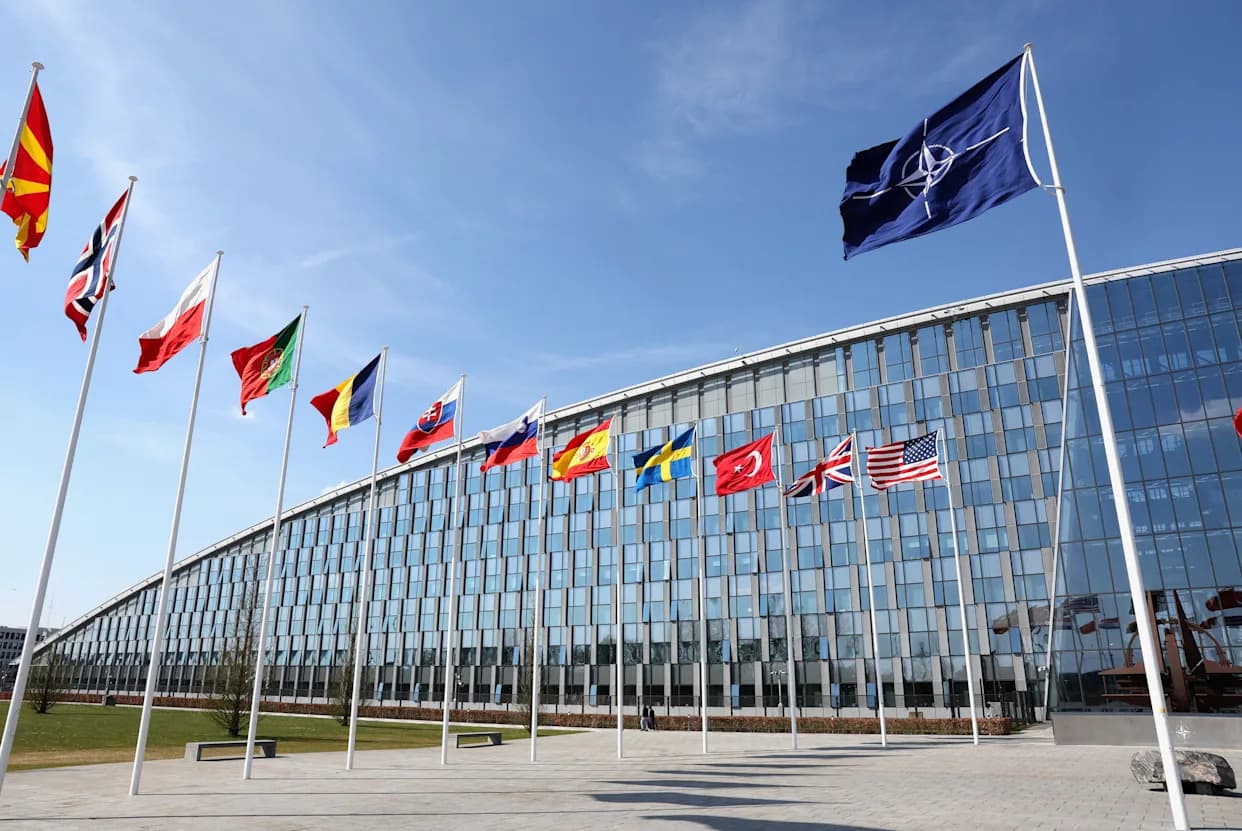
The concept of an International Stabilization Force (ISF), outlined in the Trump-brokered peace agreement, would provide neutral security oversight once countries pledge forces — but no countries have yet committed troops.
Reactions and Broader Implications
Supporters frame the project as a model for safe, service-rich communities for displaced Palestinians. Opponents argue the project could normalize and facilitate large-scale displacement while entrenching surveillance and political control. Private contractors and political actors have also been positioning for reconstruction contracts, adding further commercial and geopolitical complexity.
What Remains Unclear: Who will manage security and biometric data; how deed disputes will be resolved; who will pledge and staff the ISF; and whether Palestinians in Hamas-controlled areas will accept relocation conditions.
Help us improve.