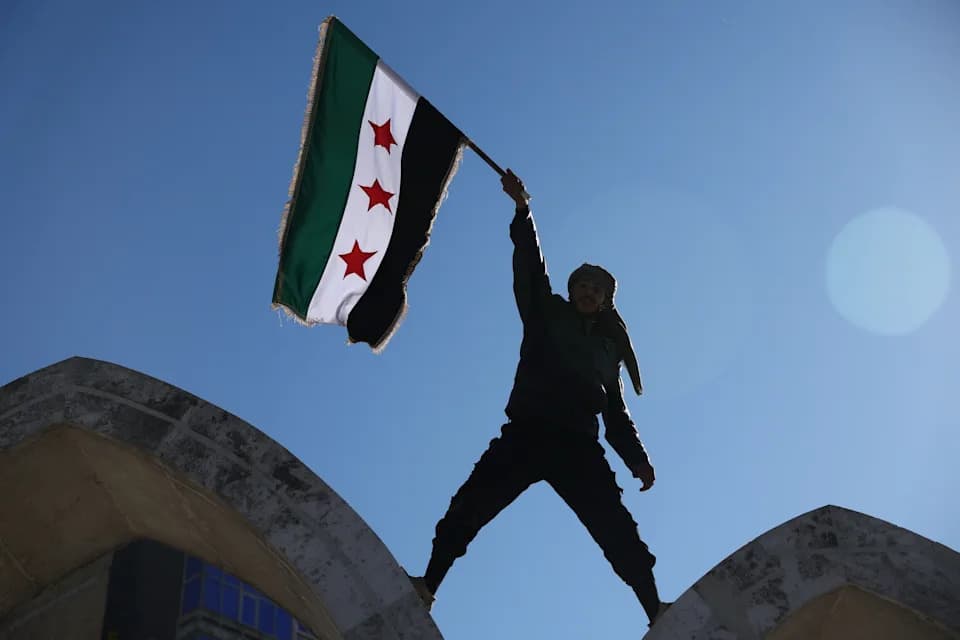
Recovering from a gunshot wound in a hospital bed, Kurdish fighter Mitan Shoresh offers a single-word verdict on Western partners: "betrayal." Once backed heavily by the United States and Britain in the campaign against Islamic State (IS), many Kurdish combatants now say they have been left to fend for themselves as government-aligned and Islamist forces advance in northeastern Syria.
Frontline Collapse and Prison Breaks
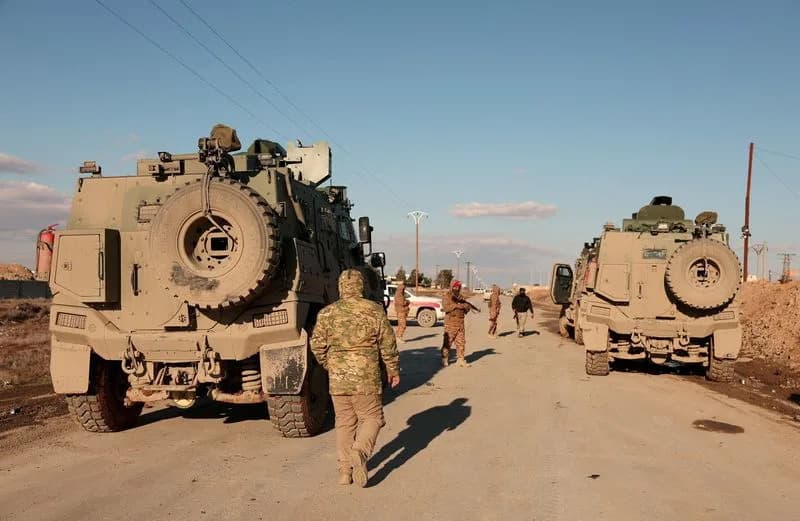
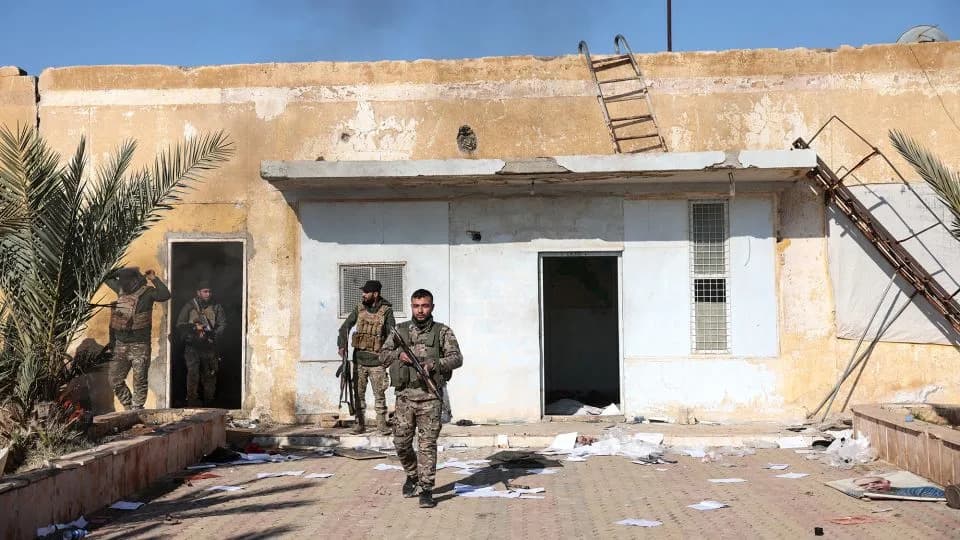
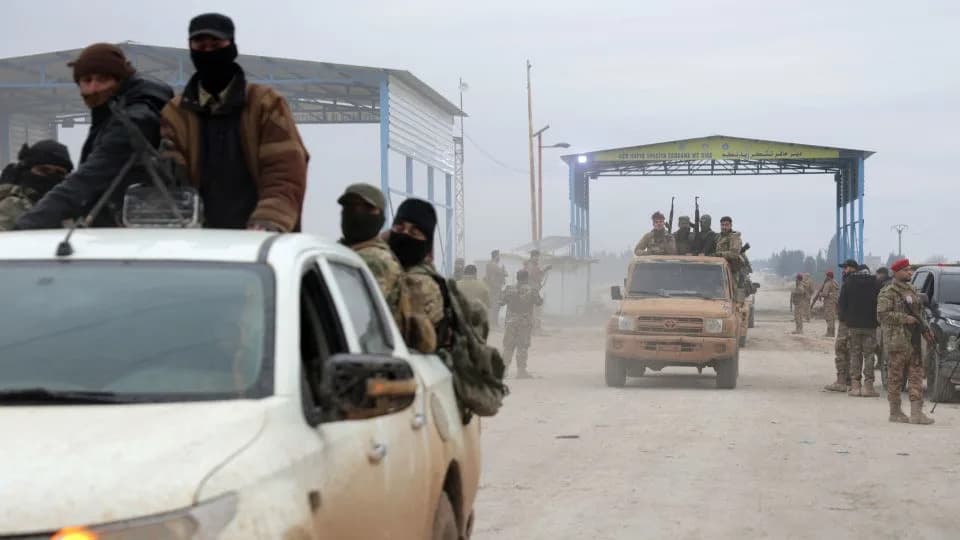
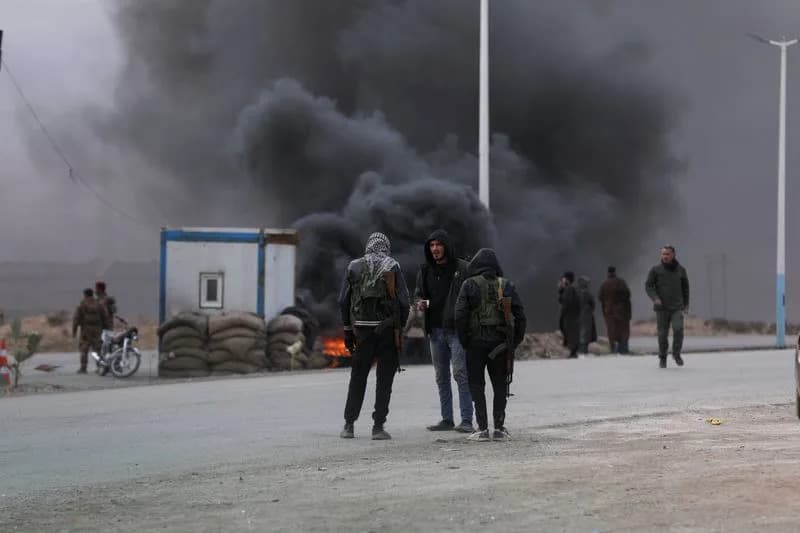
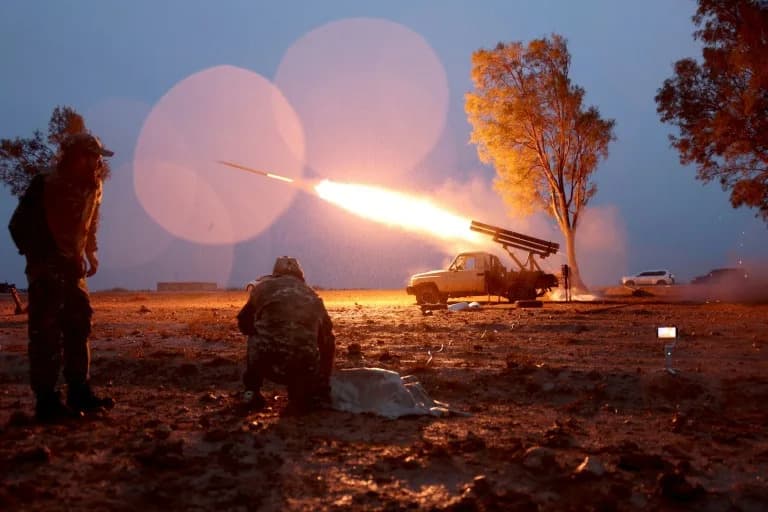
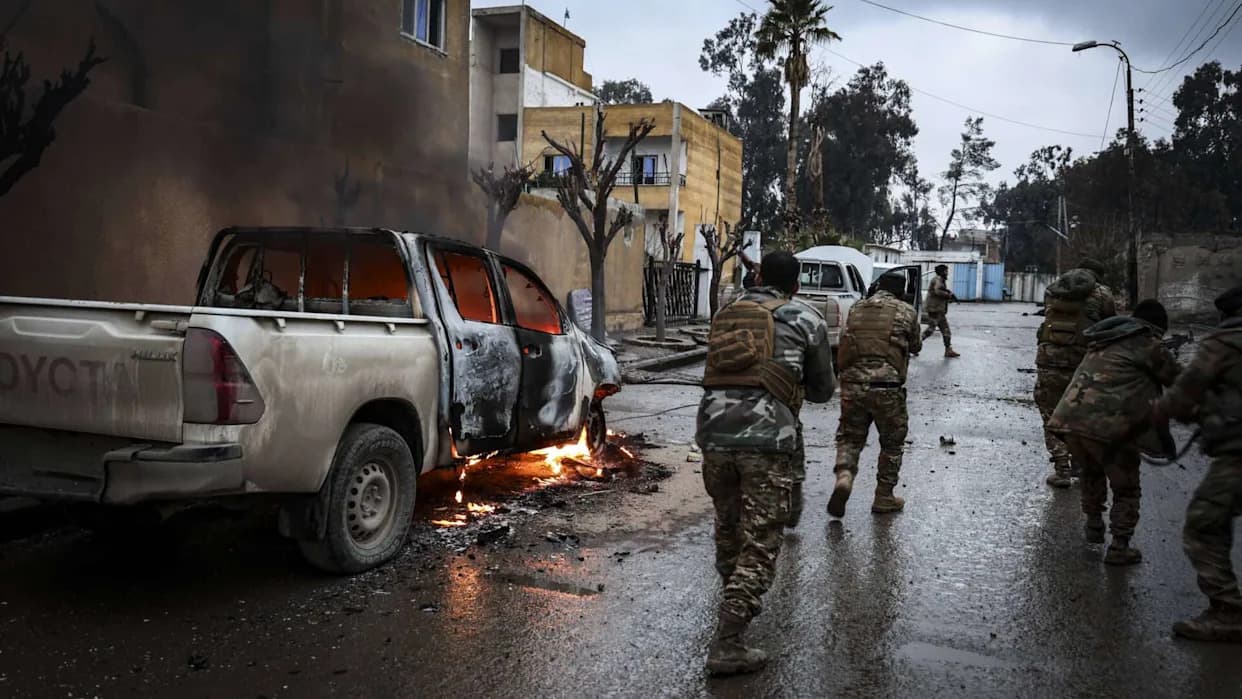
The Kurdish-led Syrian Democratic Forces (SDF) reportedly lost roughly 80% of the territory they once controlled in about a week, shrinking their hold to a narrow pocket near the Turkish border. Pro-government advances have included assaults on cities and detention centres that held thousands of IS prisoners and family members.
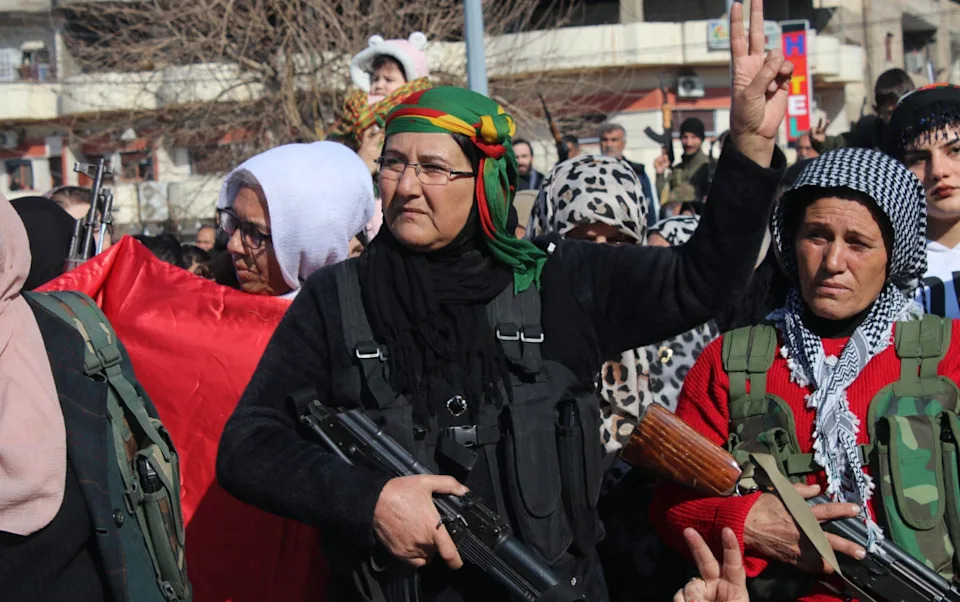
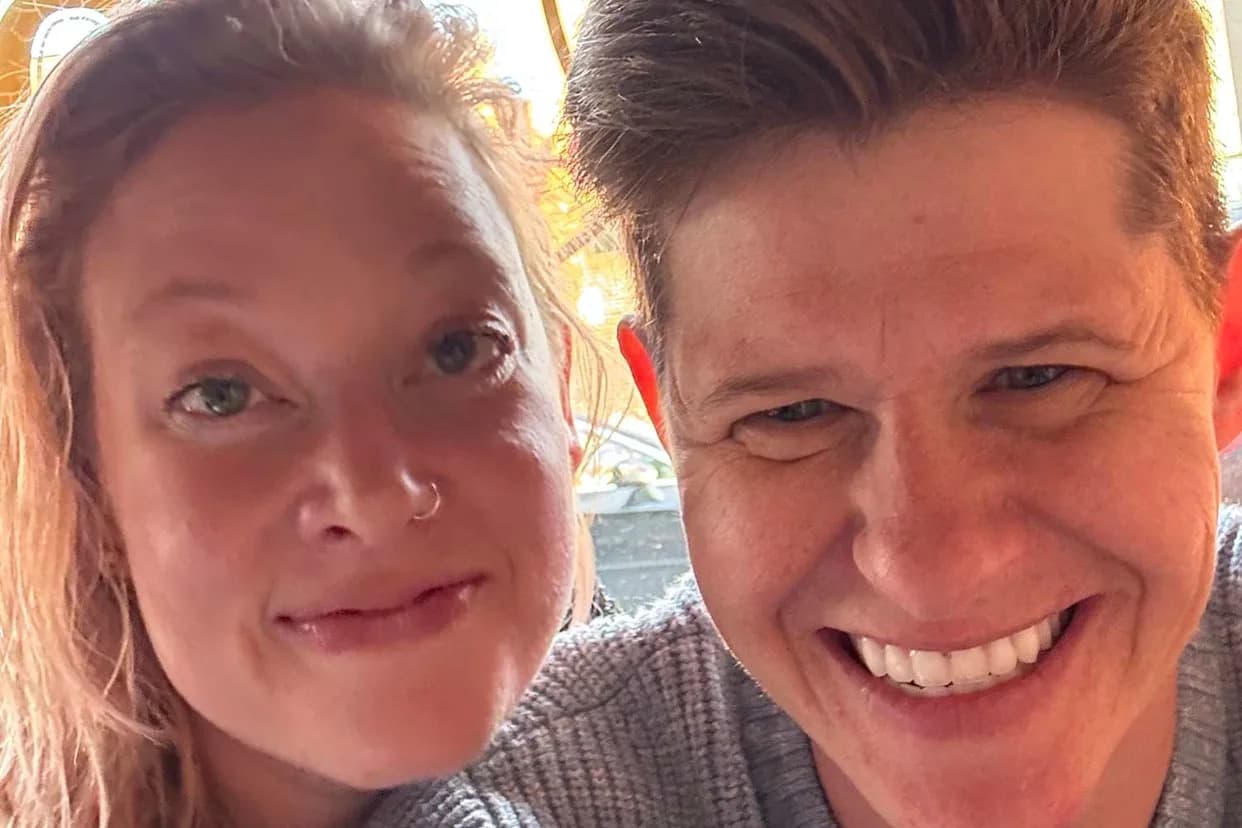
Hevin Ibrahim Hassan, an elderly Kurdish woman in Qamishli, is among those civilians who have accepted the plea to take up arms
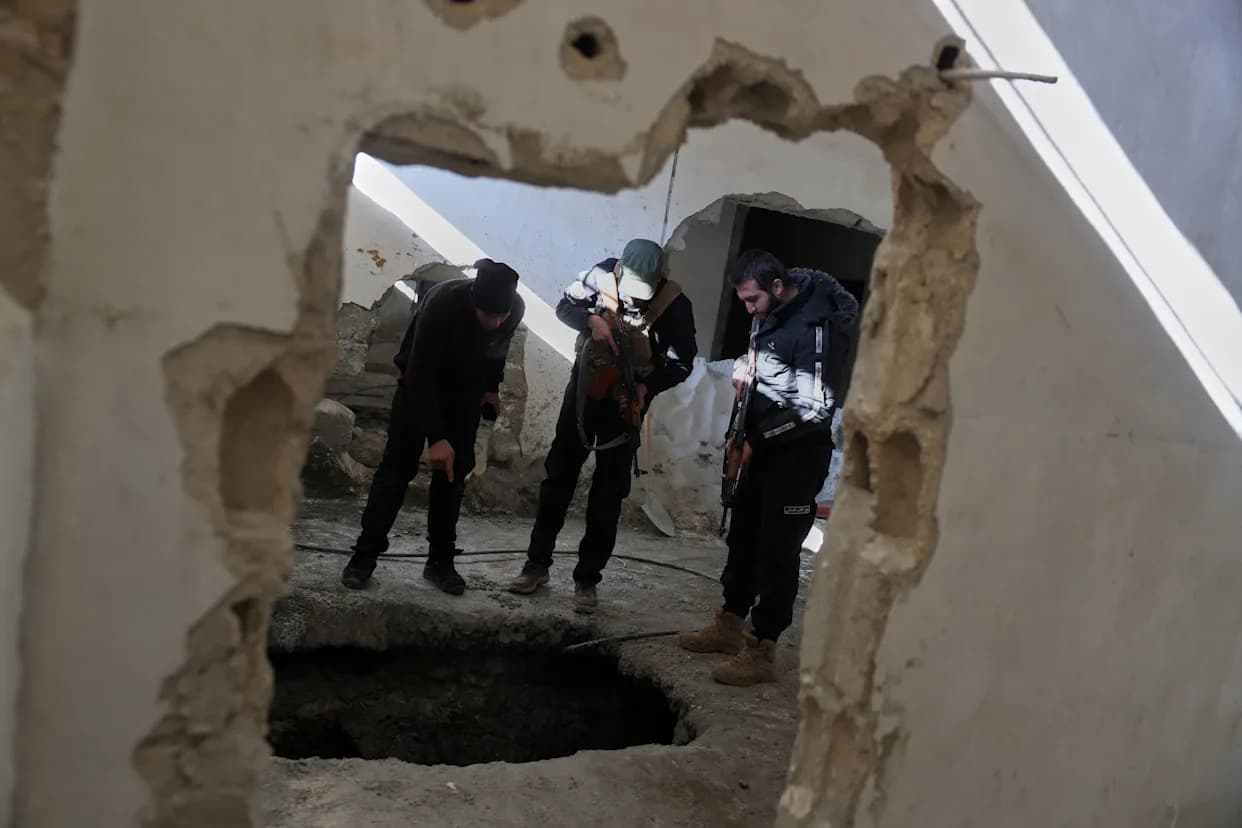
Authorities and witnesses say detention sites holding around 9,000 militants and associates were overrun, and that chaos at camps such as Al-Hol — where some 23,000 people had been detained before recent disturbances — allowed a number of detainees and camp residents to flee.
Accusations of Abandonment
"The coalition forces have done nothing for us. We worked together for so many years against Islamic State (IS), but they haven’t offered us any support," Shoresh told reporters from a Qamishli hospital. "I say it openly: they betrayed us."
Other Kurdish leaders and fighters echoed that sentiment. Sidem Mohammed, staging a hunger strike to protest conditions, argued that the US-led coalition had been the Kurds' guarantor and should not remain silent while they face reprisals.
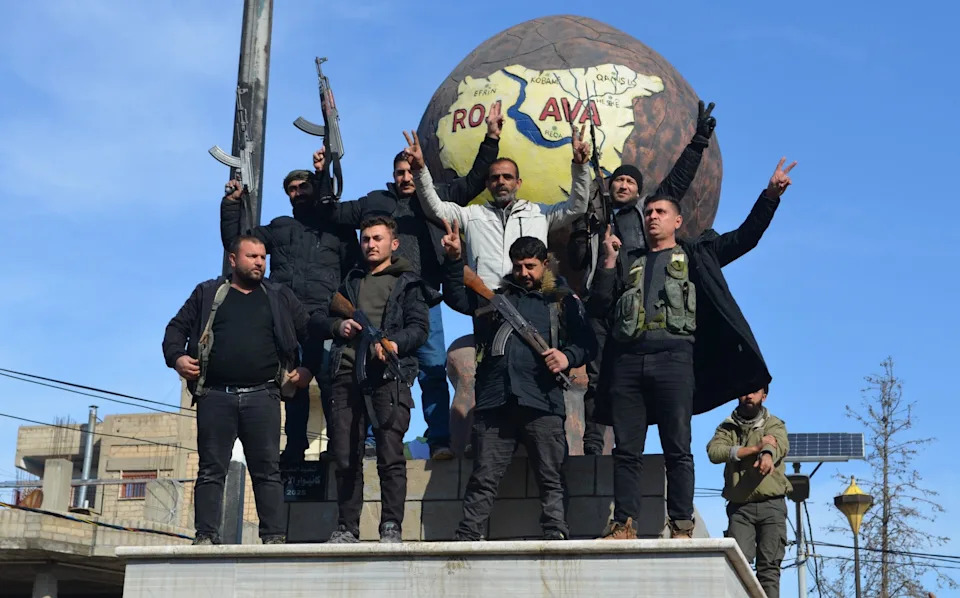
Young people on a roundabout bear arms before a statue celebrating ‘Rojava’ or Syrian Kurdistan
US Policy and Evacuations
The United States has reportedly organised flights to evacuate up to 7,000 detainees to Iraq and is weighing a full withdrawal of the remaining roughly 1,000 US troops stationed in Syria after a long campaign. Kurdish commanders, including Nesrin Abdullah of the all-female YPJ, say public statements of support are insufficient and that on-the-ground assistance has been lacking.
Mobilisation, Fear and Humanitarian Strain
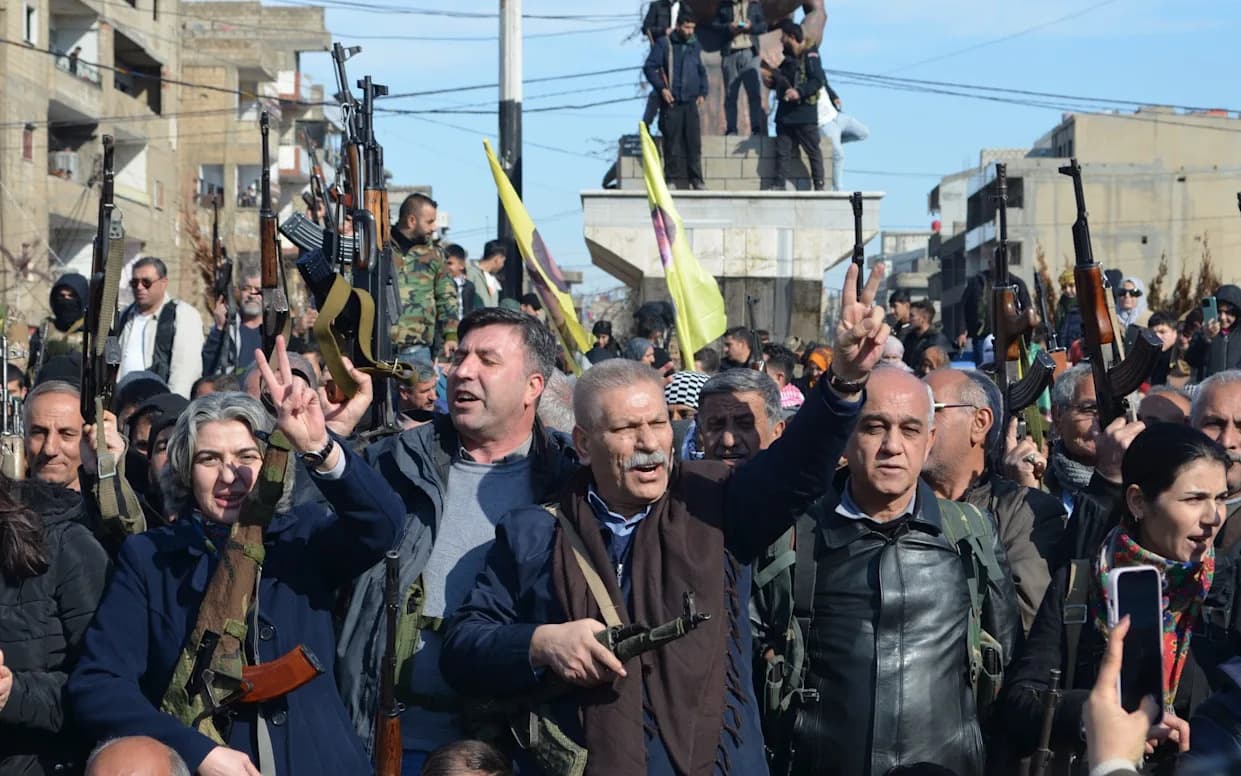
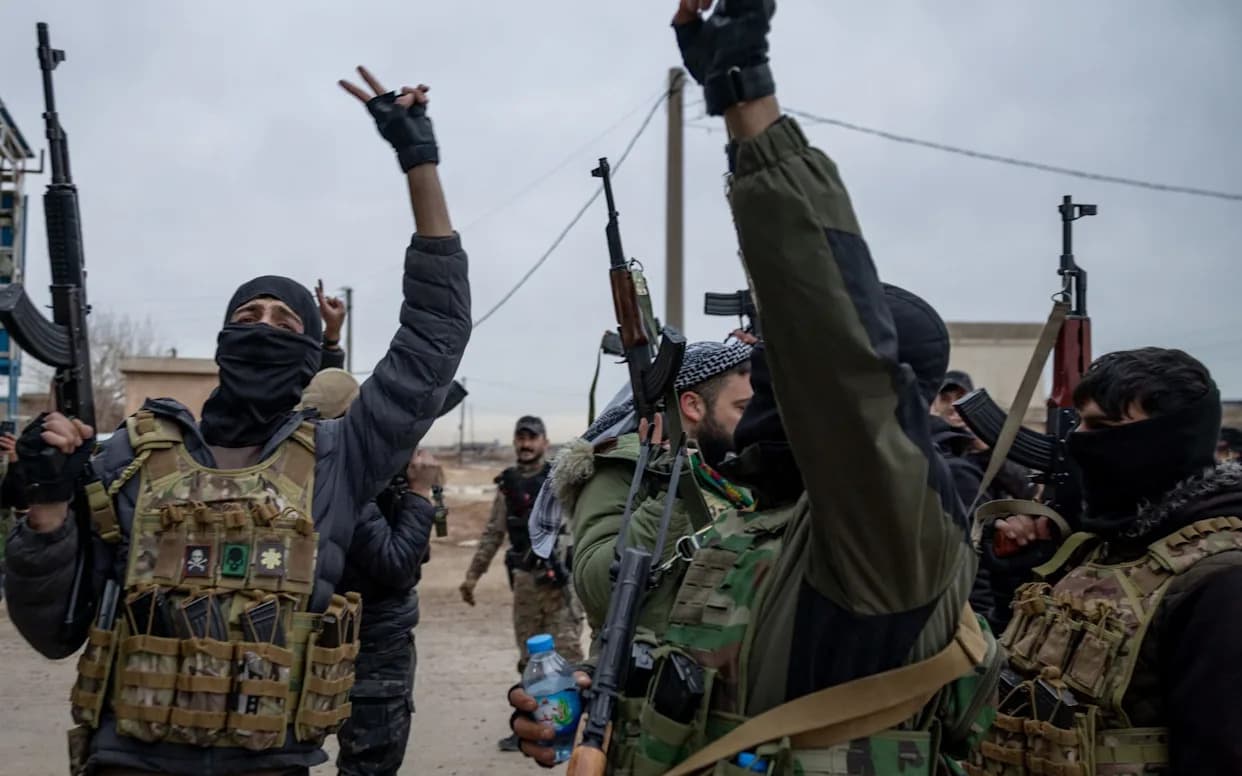
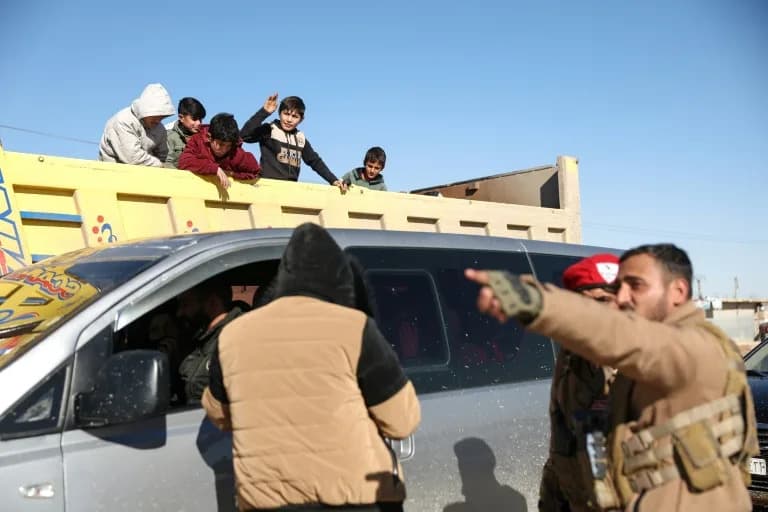
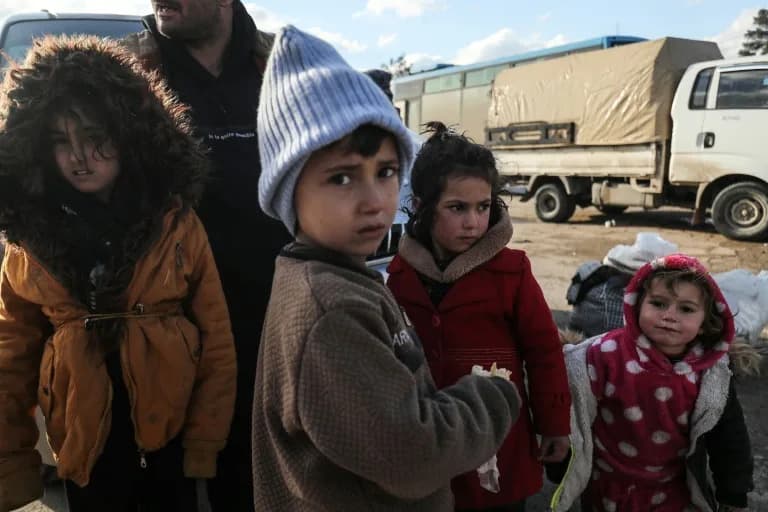
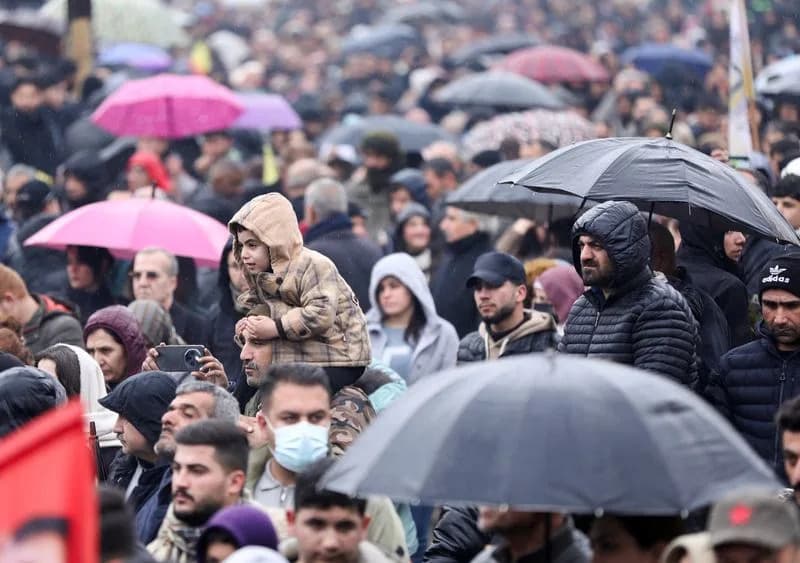
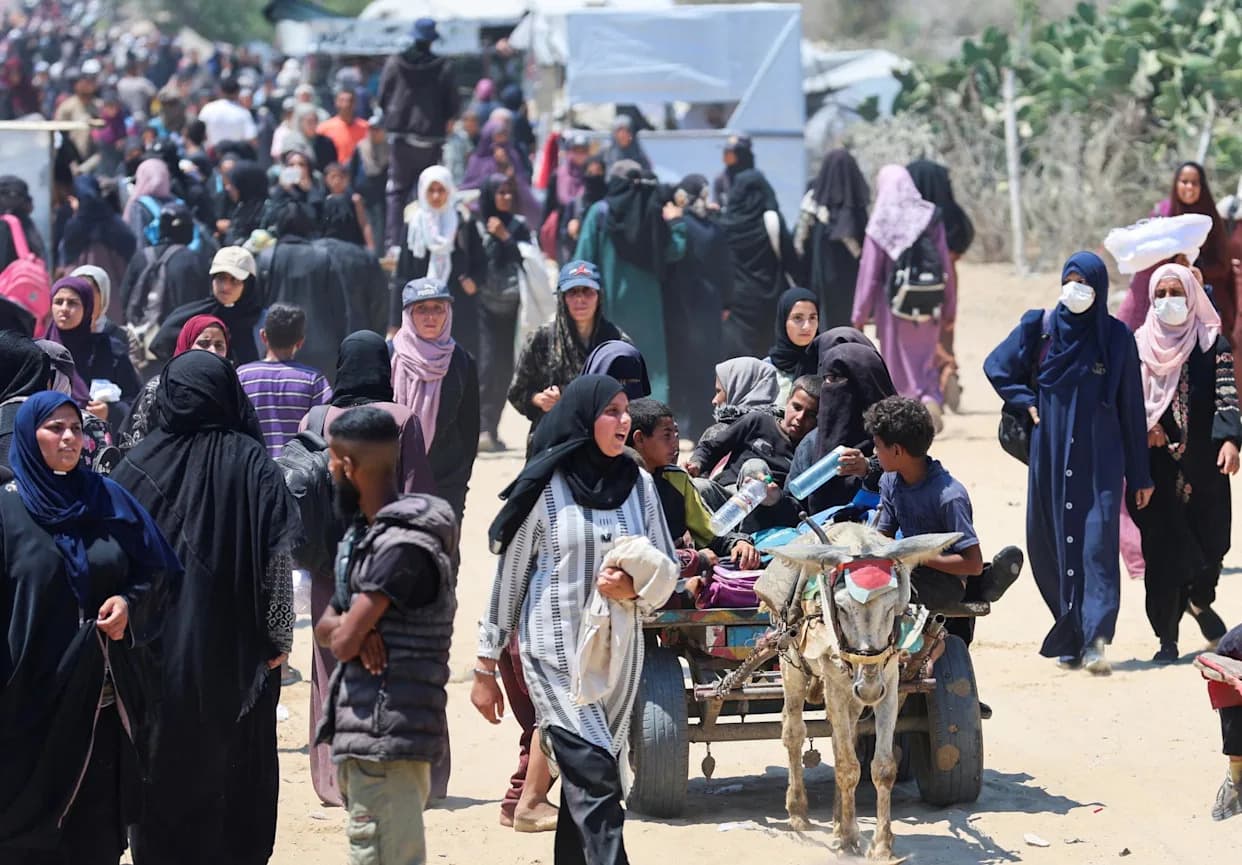
Faced with rapid territorial losses, Kurdish authorities and communities have mobilised tens of thousands of fighters — some reports say as many as 40,000 — and urged civilians to take up arms. Scenes of weapon distribution, long queues at bakeries, widespread utility outages, and families sheltering in places of worship recall earlier, bleak chapters of Syria’s conflict.
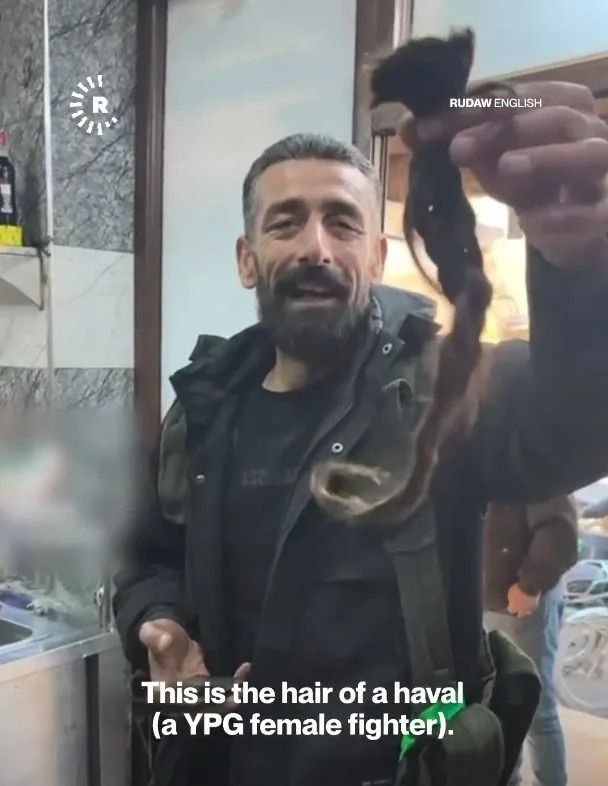
A member of a Damascus-affiliated armed faction appears appears in a video holds a strand of hair belonging to a Kurdish female fighter from the Women’s Protection Units
Politics, Deals and Distrust
The turmoil follows political shifts in Damascus and claims that Western diplomacy is recalibrating to new realities. Some Kurds and activists have levelled sharp accusations at figures involved in recent negotiations, saying diplomatic deals have come at the Kurds' expense. Whether through defections among allied tribal forces, collapsed ceasefires, or rapid offensives, Kurdish control over mixed-population areas weakened as political dynamics changed.
Atrocities and Community Tensions
Amid the fighting, reports emerged of killings and reprisals affecting both Kurdish and Arab communities. Incidents described by witnesses — including footage alleged to show a fighter displaying a lock of hair taken from a slain woman — have heightened fears and inflamed sectarian and ethnic tensions.
The future remains uncertain. A short ceasefire negotiated to allow detainee transfers was due to expire, and Kurdish leaders warned that surrendering arms would risk widespread reprisals. Many civilians now face displacement, insecurity and the renewed threat of extremist escapees amid a fragile humanitarian response.
Note: This article summarises reports and statements from the ground and should be read in the context of fluid, fast-moving events where independent verification of every claim may be difficult.