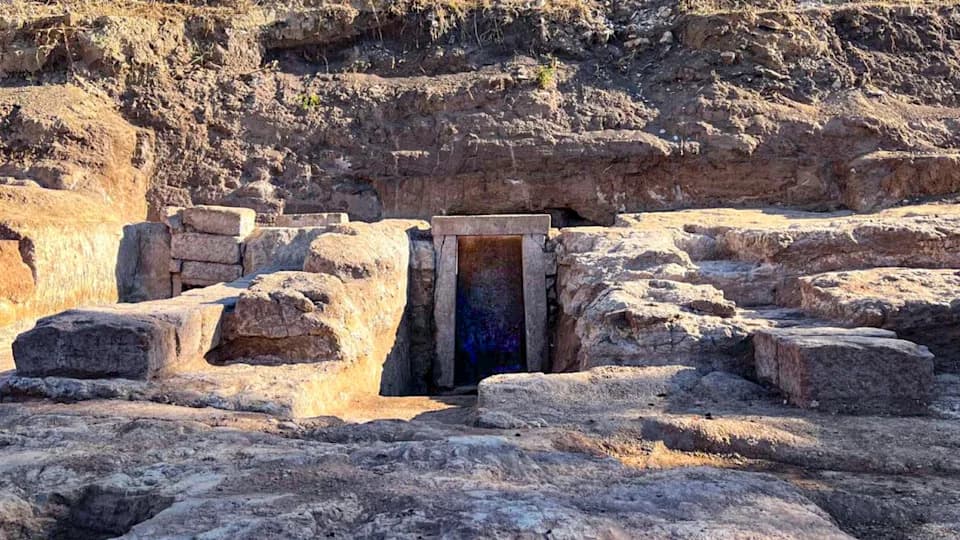
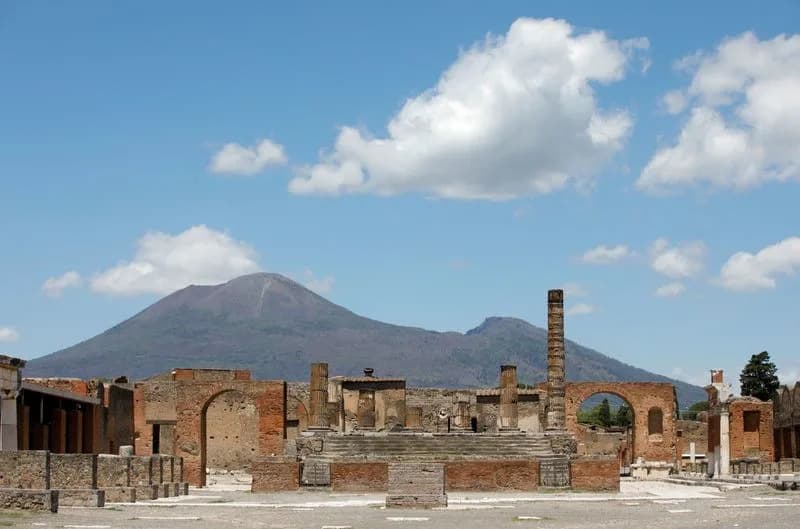
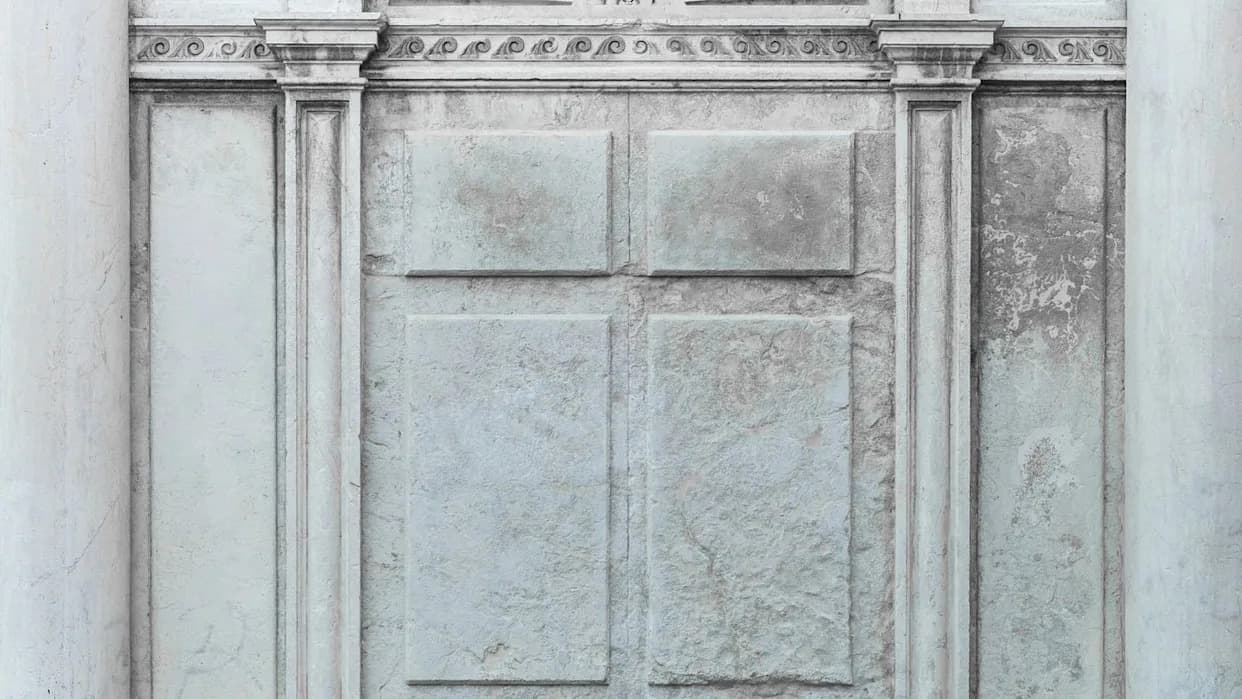
The remains of a basilica beneath Fano, Italy, discovered in January 2026, appear to match the detailed description Marcus Vitruvius Pollio recorded in the fifth book of de Architectura. Officials call the find a major archaeological breakthrough: traces of four columns and other features lined up precisely with Vitruvius's account. Ongoing excavations aim to determine how much of the structure survives and whether it can be conserved and opened to the public.
Lost Basilica of Vitruvius Unearthed Under Fano After 500 Years — "Discovery of the Century"
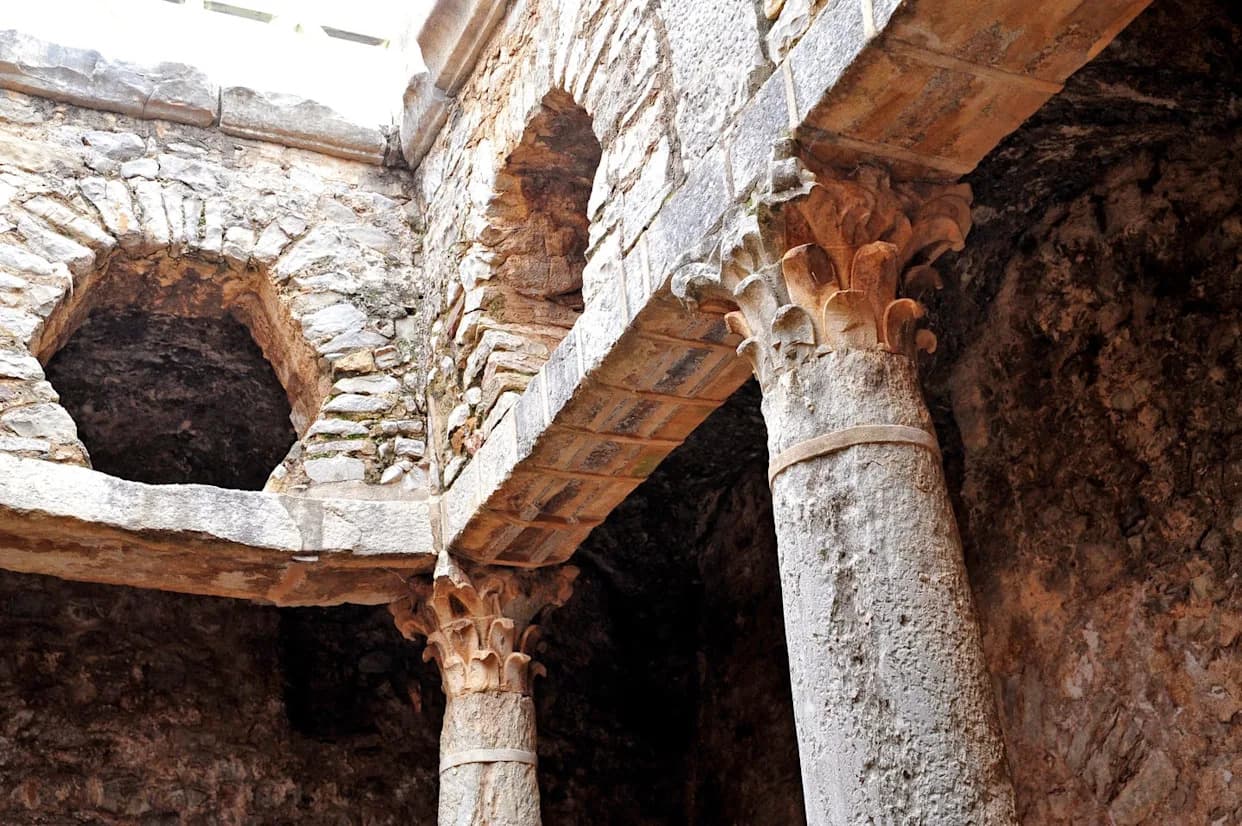
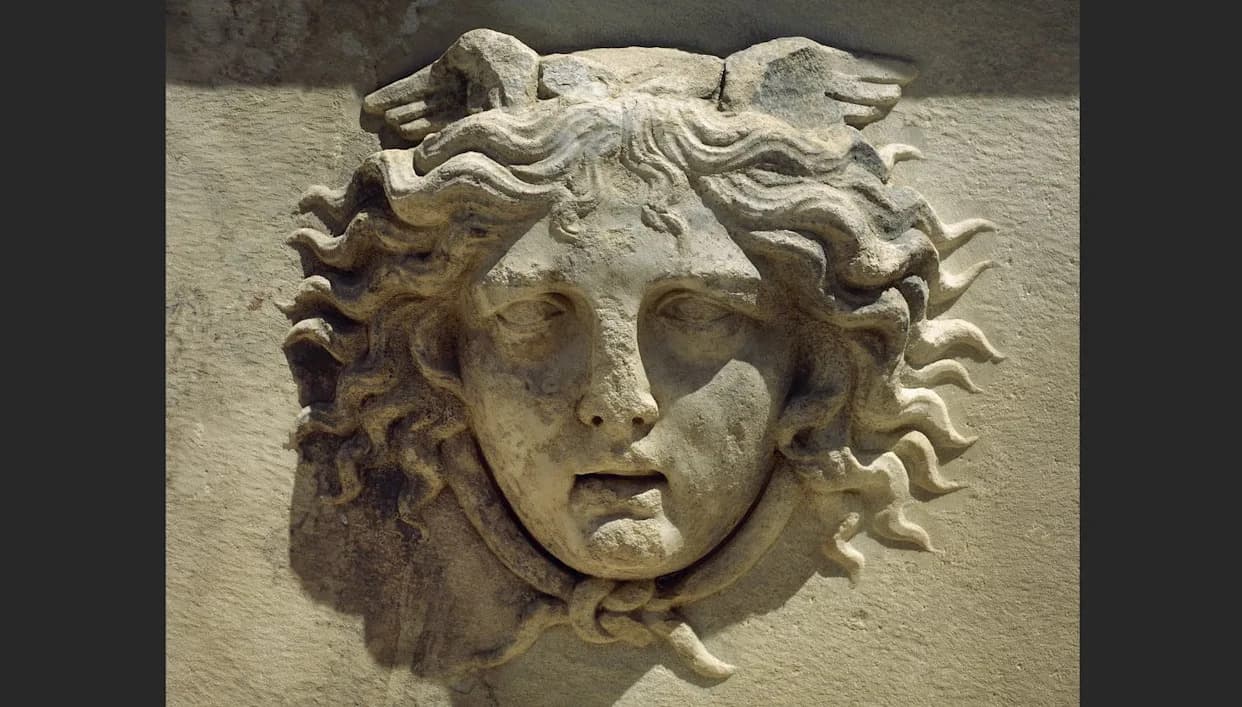
Archaeologists Found Vitruvius’ Lost ChurchAntonio Ciufo - Getty Images
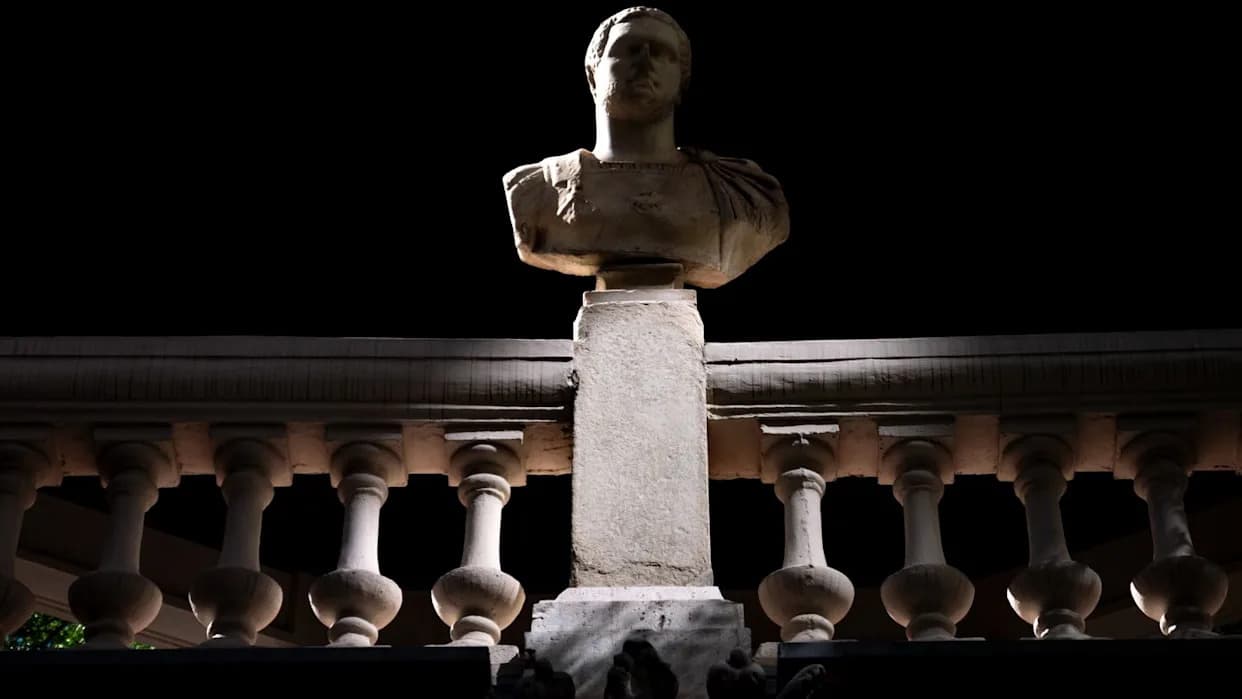
An ancient basilica uncovered beneath the Italian city of Fano in January 2026 appears to match the precise description recorded by Marcus Vitruvius Pollio, the Roman writer long celebrated as the "father of architecture." Italian Culture Minister Alessandro Giuli called the find "a sensational discovery," saying it is the kind of archaeological breakthrough that will be remembered for generations.
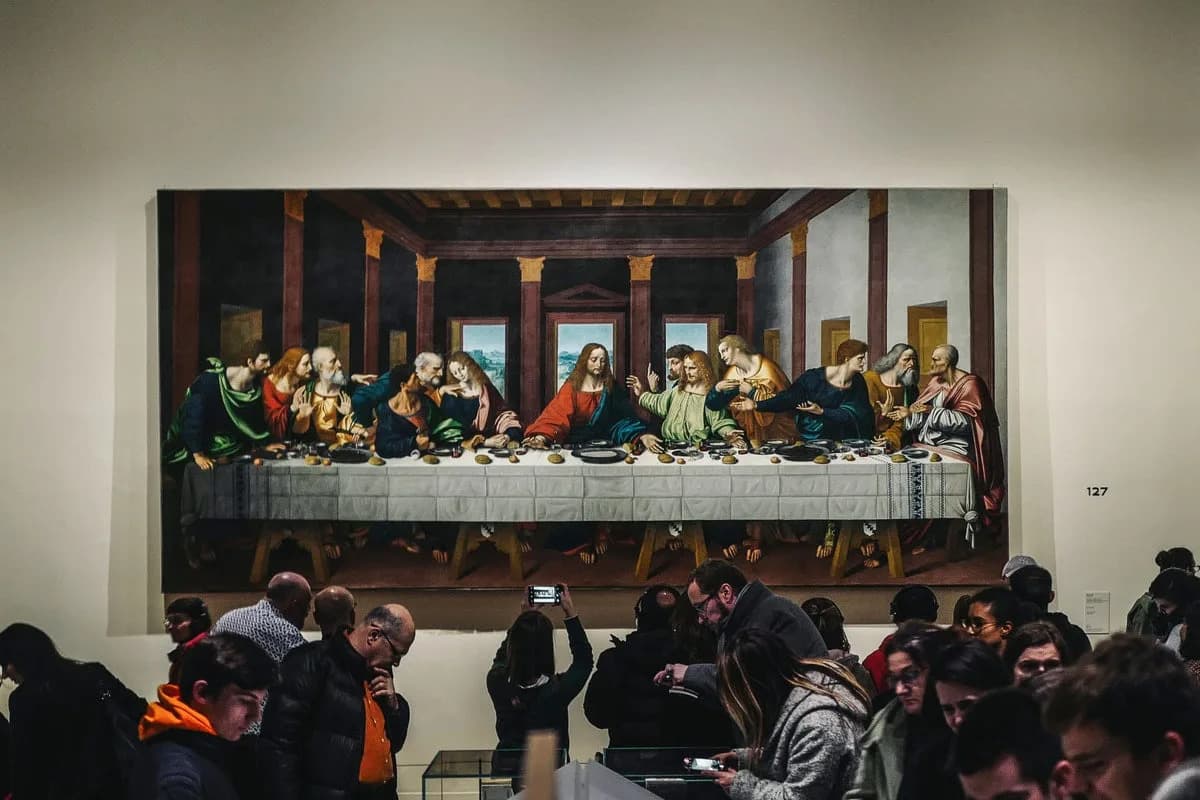
Vitruvius documented Roman building practice in his de Architectura (often titled Ten Books on Architecture). Rediscovered in the Renaissance by Poggio Bracciolini, those texts profoundly influenced later thinkers and artists. One particularly famous observation — about the ideal human proportions that inspired Leonardo da Vinci's Vitruvian Man — is only one example of Vitruvius's lasting reach.
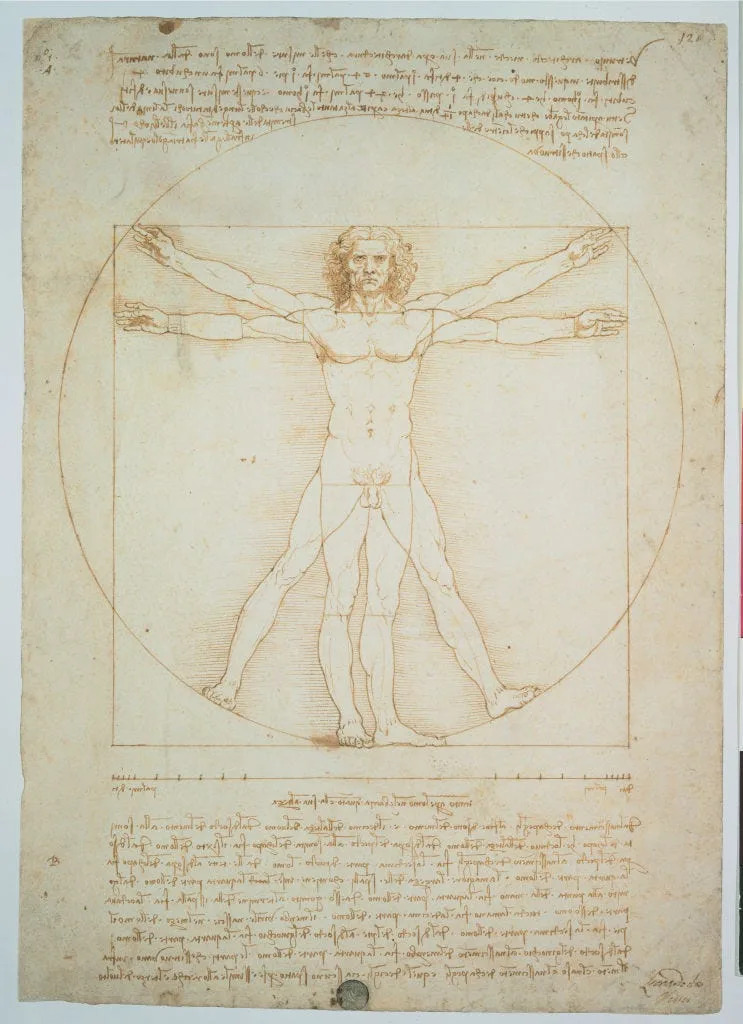
Leonardo da Vinci’sVitruvian ManMondadori Portfolio - Getty Images
How Text Guided The Dig
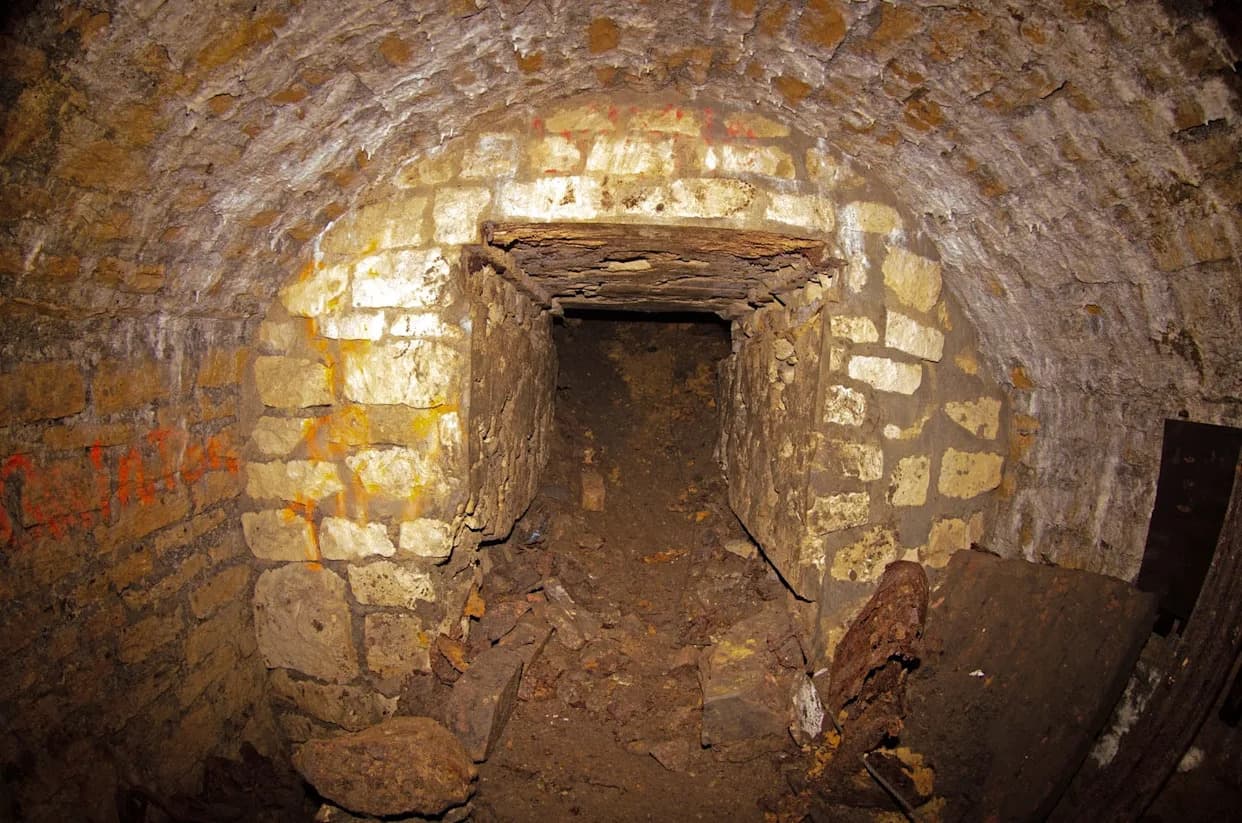
In the fifth book of de Architectura, Vitruvius described in detail a basilica he claimed to have erected and overseen in Fano. For centuries the building's location was unknown. During the recent excavation, archaeologists exposed traces of four columns and used Vitruvius's description as a practical guide to predict where additional structural elements should lie. When they excavated the indicated spot, the uncovered remains matched the ancient account with remarkable accuracy.
"The ancestors of the Greeks held the celebrated wrestlers...in such esteem, that, decorated with the palm and crown, they were...borne to their cities...and were allowed pensions for life from the public revenue." — Vitruvius, de Architectura (context paraphrased).
Significance And Next Steps
Local officials and scholars have hailed the find as a major, long-sought archaeological discovery. "I feel like this is the discovery of the century, because scientists and researchers have been searching for this basilica for over 500 years," Fano mayor Luca Serfilippi told Reuters.
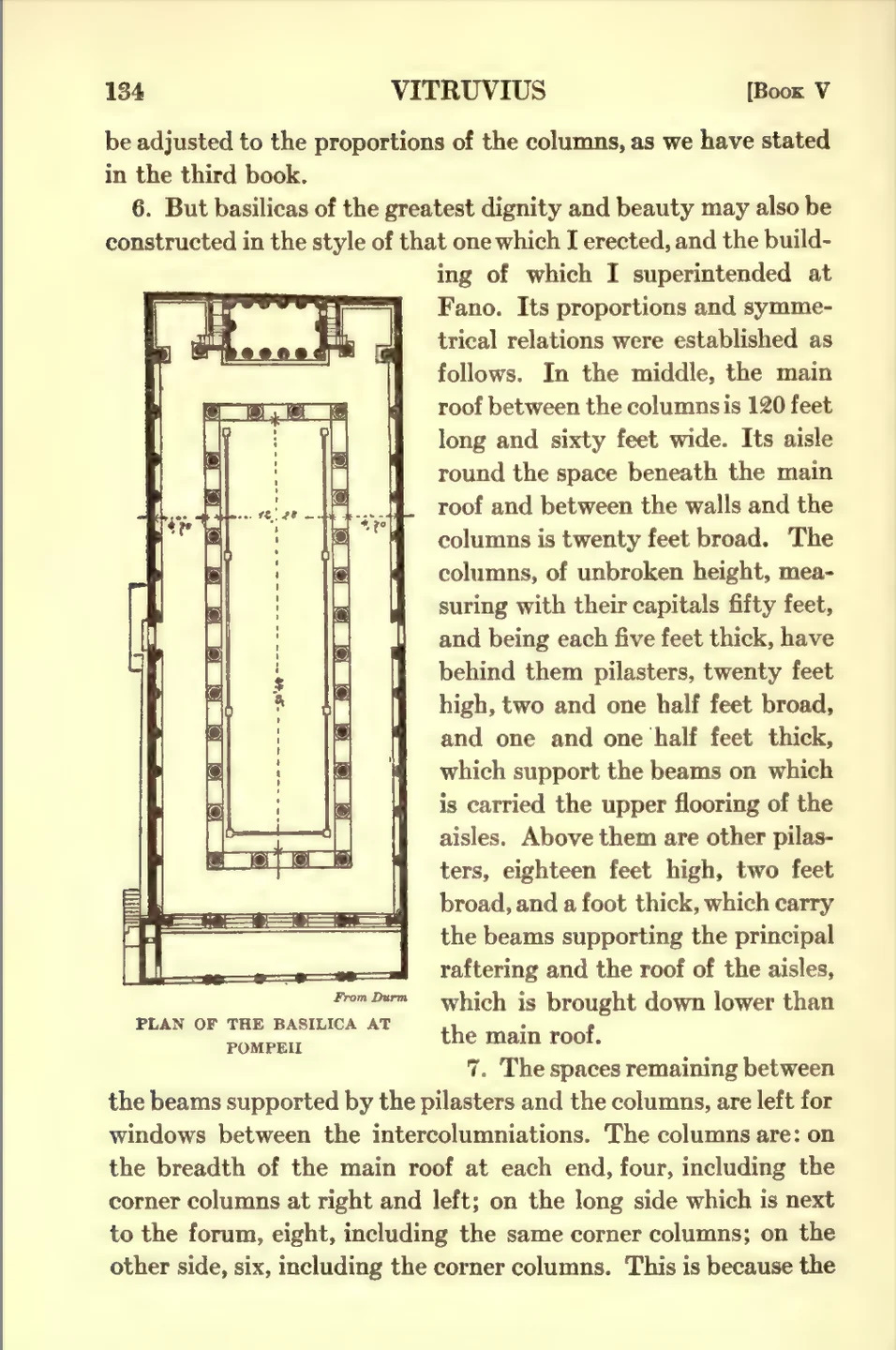
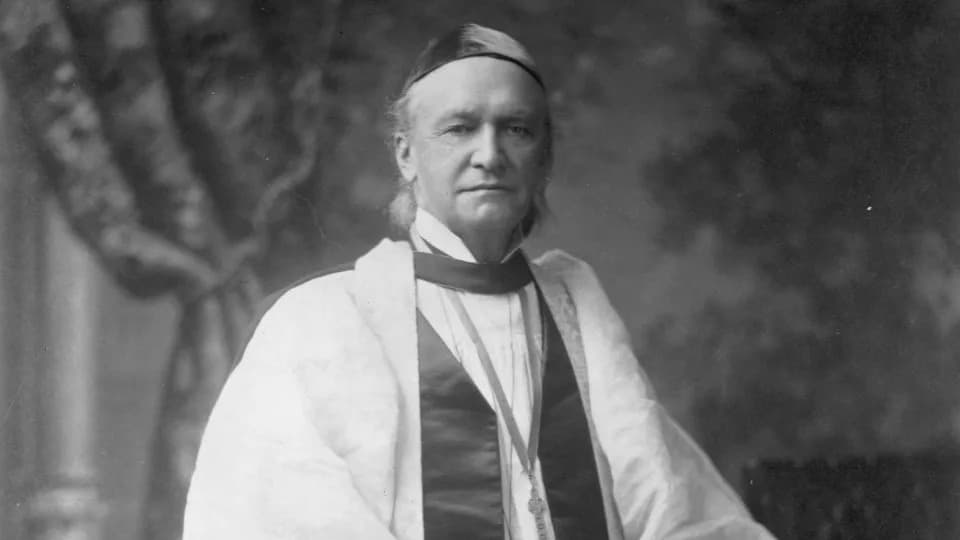
Vitruvius’ description of the basilica at Fano. Page from the 1914 Harvard University Press edition ofThe Ten Books on Architecture, trans. Morris Hicky MorganHarvard University Press/
Excavation teams will continue to uncover how much of the basilica remains buried and will work with conservators to assess the structural integrity of the exposed ruins. If the remains can be stabilized and conserved, they may eventually be prepared for public access and interpretation. Specialists will also study artifacts and construction techniques to confirm dating and better understand the building's original form and function.
Why It Matters
The discovery underscores how classical texts can serve as practical blueprints for modern research. Vitruvius's detailed, technical descriptions — written nearly two millennia ago — provided archaeologists with coordinates and expectations that led directly to this tangible find. The basilica reconnects a surviving architectural text with the material remains it once described, offering new opportunities to study Roman design, technology, and influence on later traditions.
Help us improve.