2025 brought several major Neanderthal discoveries that reshape how we view our ancient cousins. Key finds include evidence for deliberate fire-making in England, ocher use and possible symbolic marks, systematic marrow processing to extract fat, and signs of cannibalism. Genetic and skeletal studies point to physiological differences (AMPD1, ADSL, NOVA1, PIEZO1, Rh) and an early population bottleneck that together may have contributed to Neanderthal decline. These results highlight both cultural sophistication and biological vulnerabilities.
Ten Breakthrough Neanderthal Discoveries of 2025 — What They Reveal About Human Origins
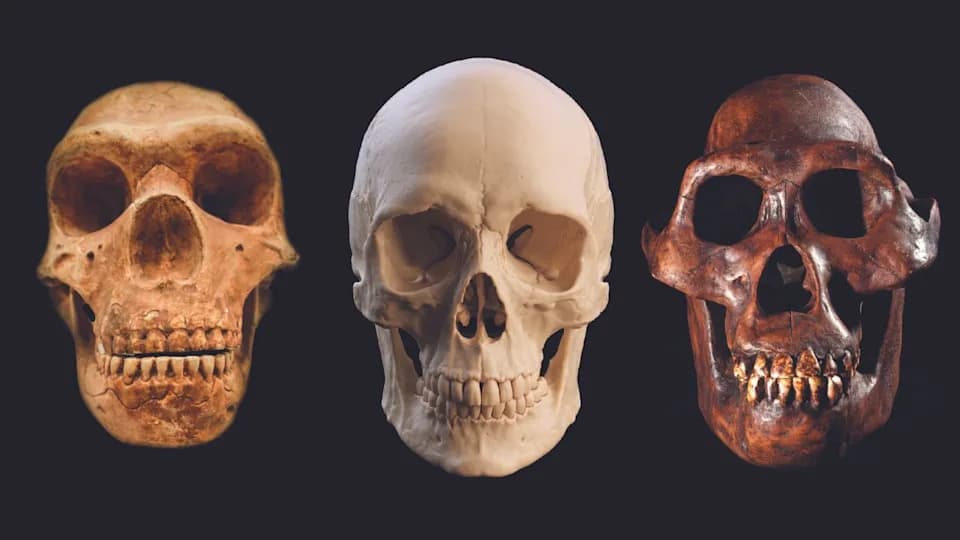
Credit: WHPics, Paul Campbell, and Attie Gerber via Getty Images; collage by Marilyn Perkins
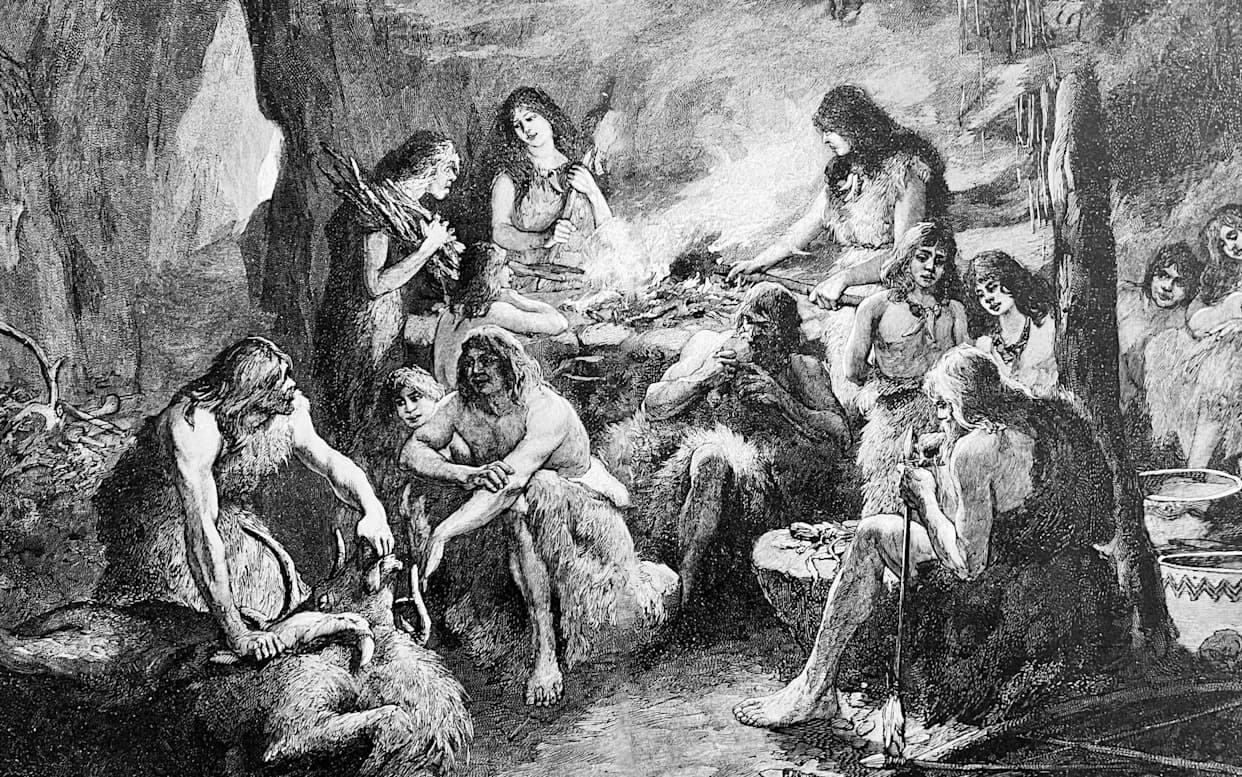
Neanderthals have long captured scientific and public imagination. Once depicted as a brutish evolutionary side branch, recent research — especially studies published in 2025 — paints a more complex picture: Neanderthals were biologically distinct in some ways, culturally sophisticated in others, and their interactions with early Homo sapiens may have been a crucial factor in their decline.
Credit: Craig Williams/The Trustees of the British Museum
Highlights From 2025
1. Deliberate Fire-Making in England (≈400,000+ years ago)
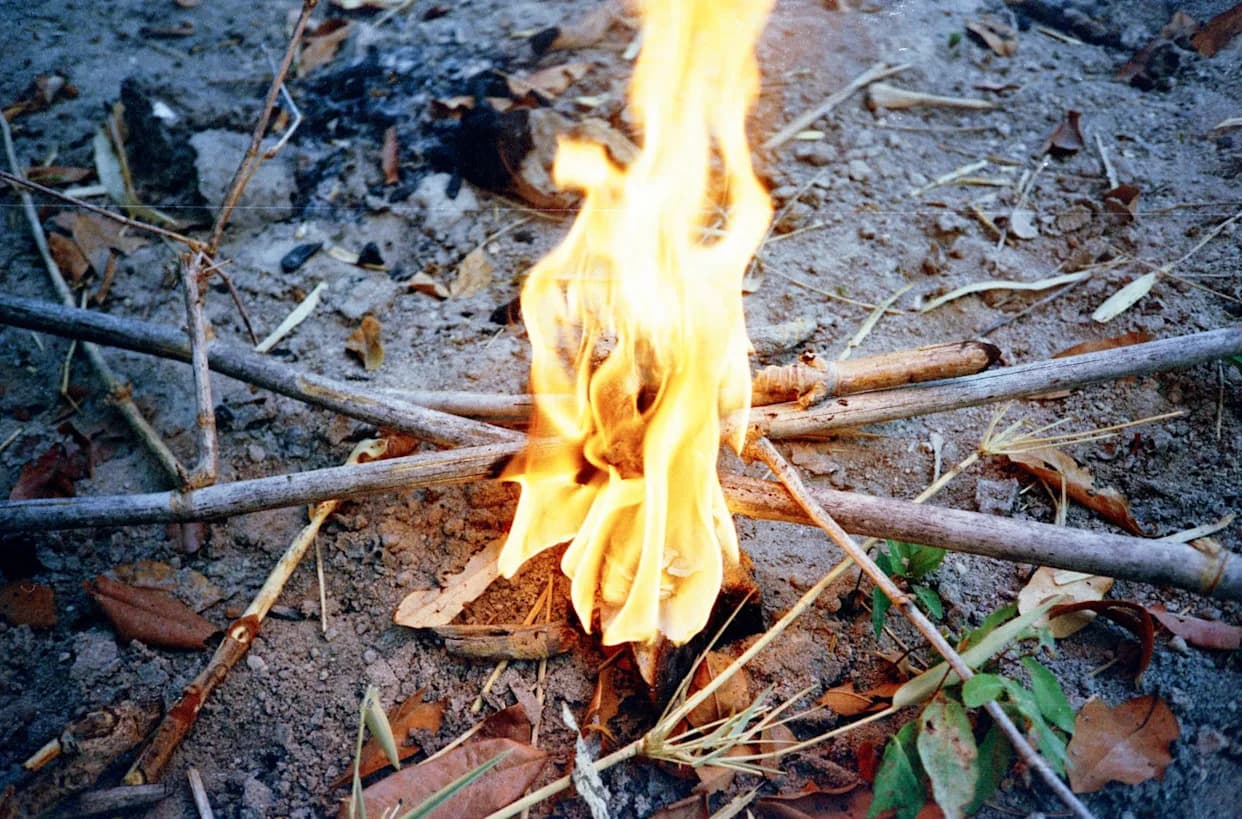
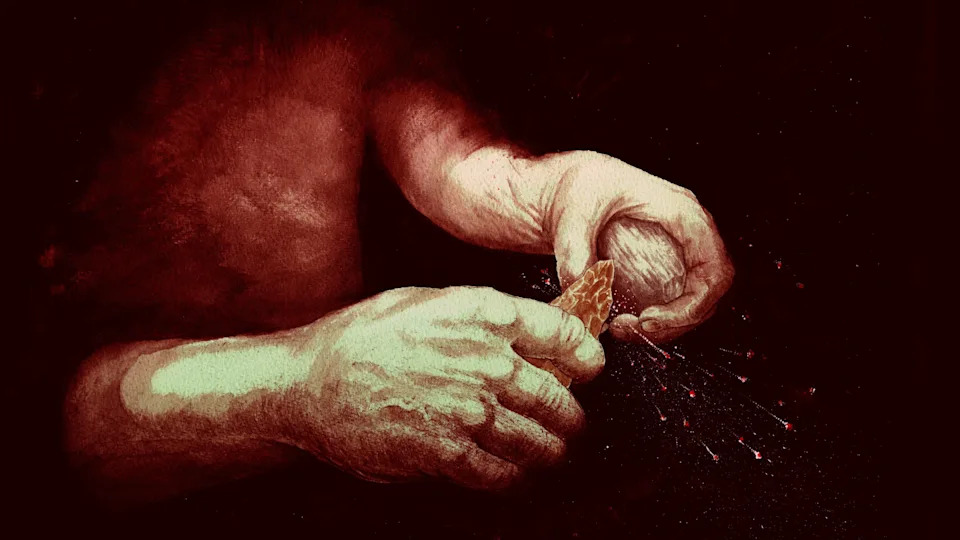
Archaeologists working at a Suffolk site reported reddened clay, heat-shattered flint tools and tiny pyrite flakes — a mineral that sparks when struck against flint. Together with charred soil, these finds strongly indicate intentional fire production and control by Neanderthals, showing they had the technical knowledge to survive cold European environments.
Credit: Getty Images
2. Cannibalism at Goyet Cave (≈45,000 years ago)
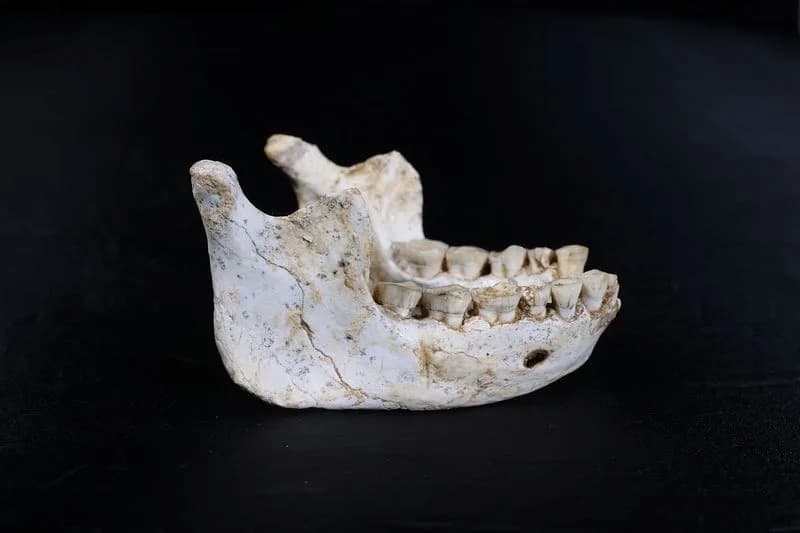
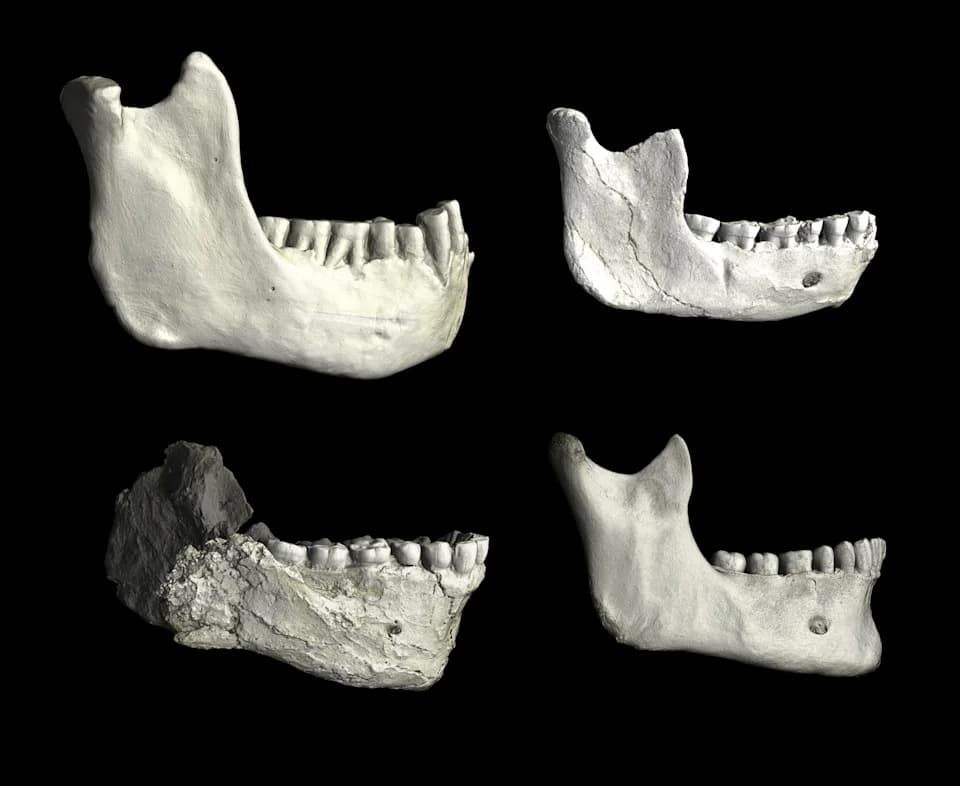
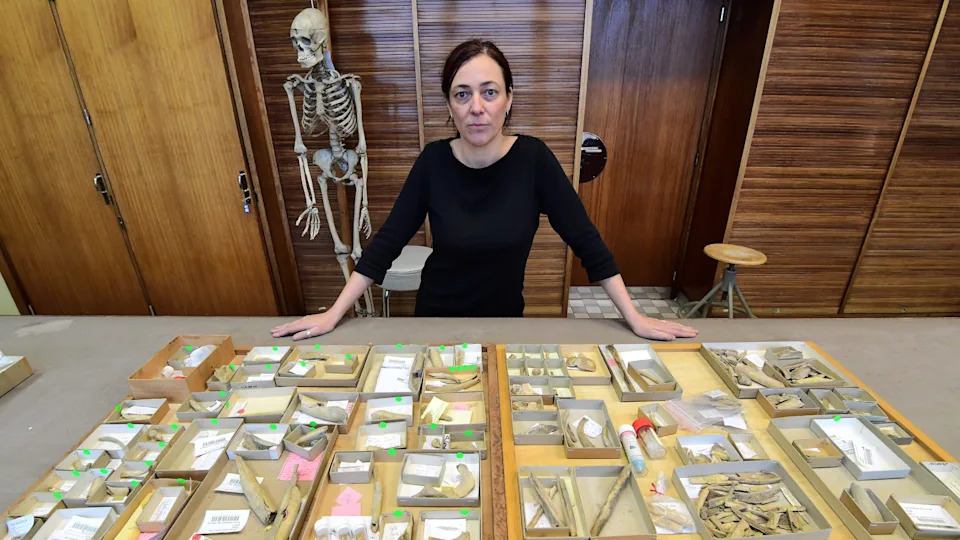
Remains of six individuals from the Goyet cave system in Belgium bear butchery marks similar to those on animal bones. The pattern suggests deliberate cannibalism and raises the possibility that one group targeted women and children of another — a finding that may reflect social conflict or extreme survival stress rather than routine behavior.
Credit: Álvarez-Alonso et al. 2025;CC BY 4.0
3. A 43,000-Year-Old Fingerprint and Ocher Use in Spain
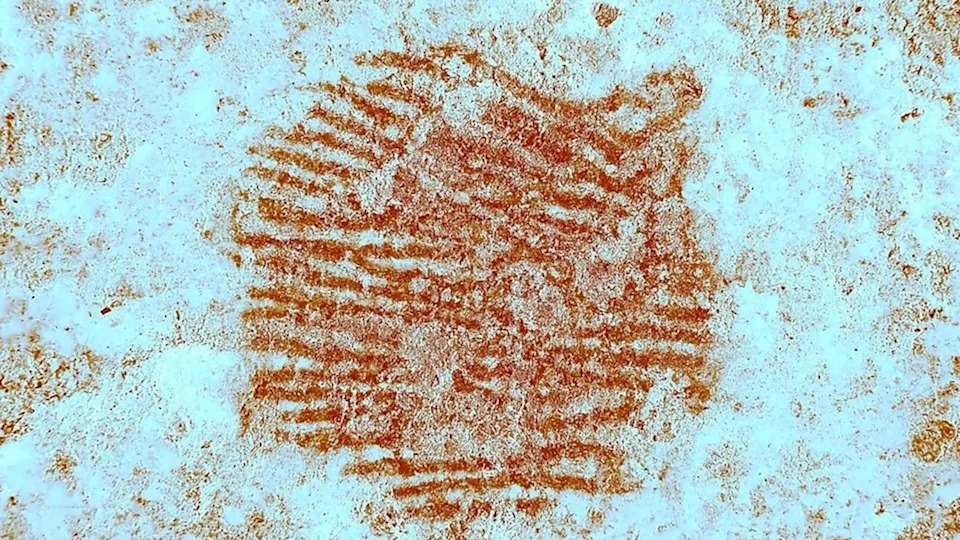
A potato-sized rock bearing a whorl-pattern fingerprint and a red ocher spot was interpreted as the world’s oldest known fingerprint made with pigment, possibly implying symbolic behavior. While some researchers remain cautious about interpreting a face-like arrangement as intentional imagery, the evidence for ocher use and pigment handling is compelling.
Credit: d'Errico et al., Sci. Adv. 11, eadx4722;CC BY 4.0
4. Crimean "Crayons" (≈100,000 years ago)
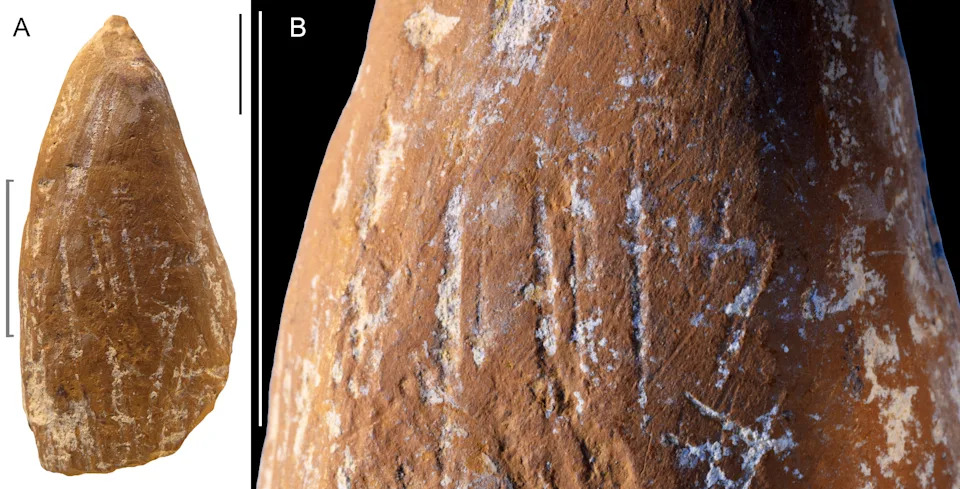
Three pointed pieces of red and yellow ocher from Crimea show repeated sharpening. Researchers suggest they may have served as early drawing implements or pigment sticks for symbolic marking. Critics propose alternative uses, such as powder extraction or practical tasks, but the wear patterns indicate repeated, purposeful handling.

Credit: Chris Ryan/Getty Images
5. Bone-Smashing "Fat Factory" (≈125,000 years ago)
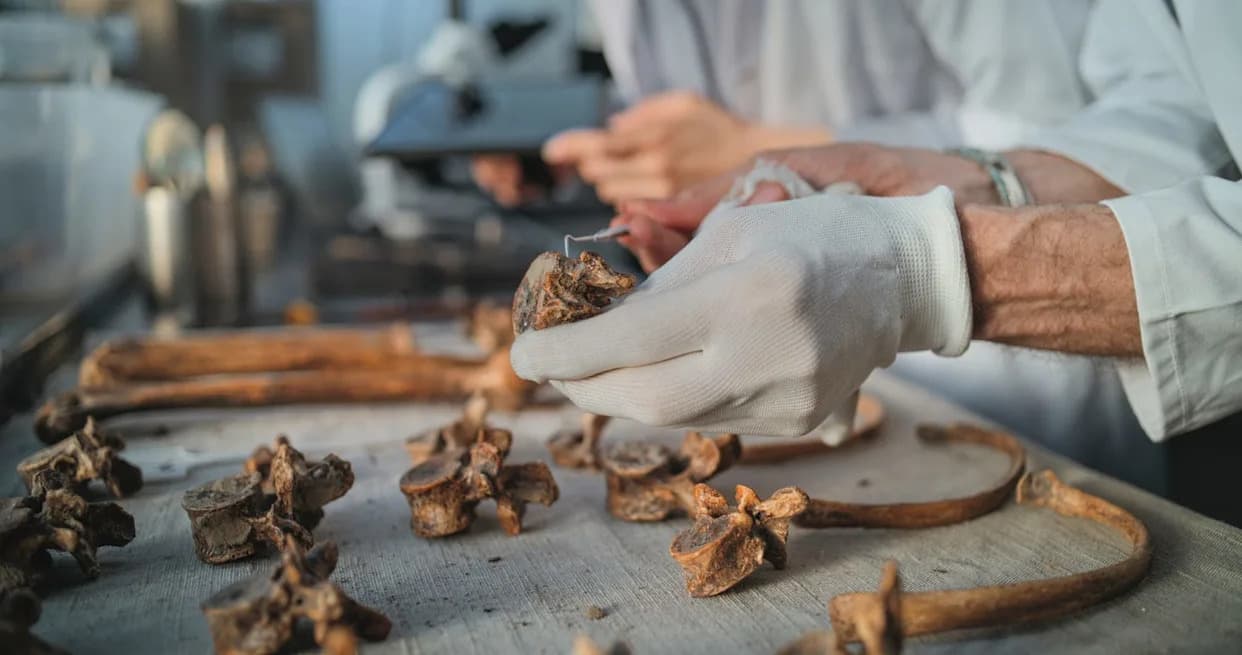
Analysis of nearly 200 animal bones indicates systematic fracturing to access marrow and boiling to extract fat — a high-calorie resource that would have helped Neanderthals avoid protein poisoning and survive lean seasons. This complex processing mirrors strategies seen in some ancient Homo sapiens forager groups.
Credit: Joe McNally via Getty Images
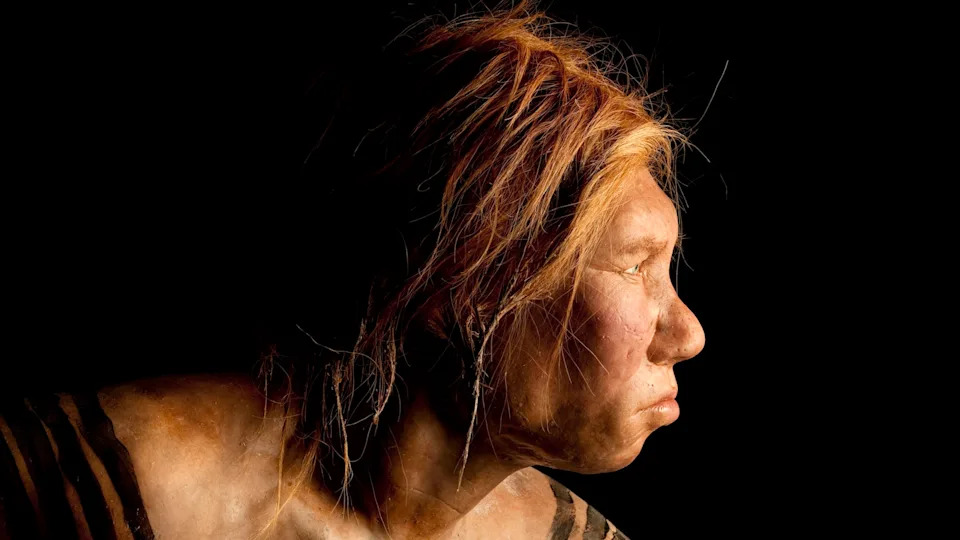
6. Genetic Variants Affecting Physiology
Several genetic studies revealed functional differences between Neanderthal and modern-human alleles. A Neanderthal variant of AMPD1 appears to reduce the ability to rapidly generate ATP during intense exercise, which correlates with lower odds of elite athletic performance in modern carriers. A more active Neanderthal adenylosuccinate lyase (ADSL) enzyme was also identified; experiments in mice suggest modern-human-like variants can influence behavior and task performance, but the implications for Neanderthal cognition remain uncertain.
Credit: imageBROKER.com via Alamy
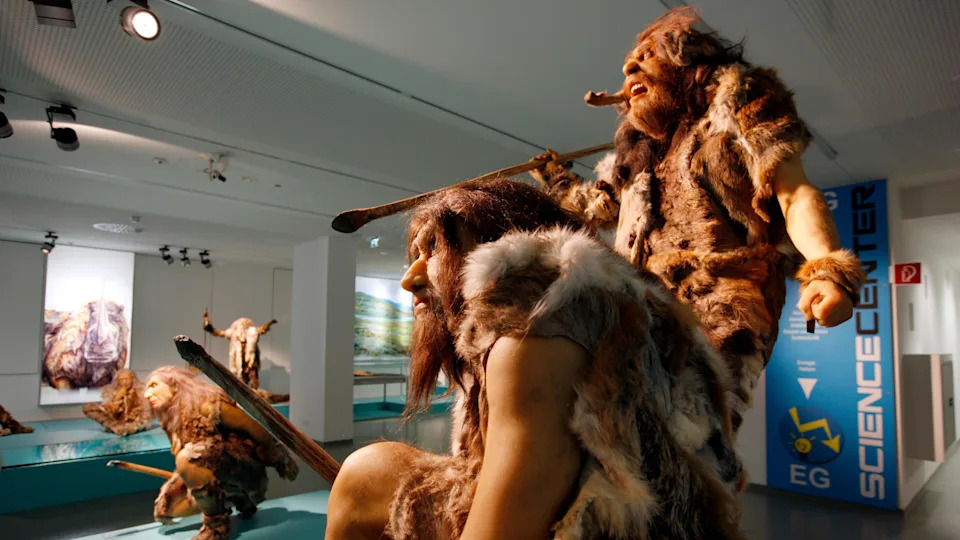
7. Lead Exposure and NOVA1
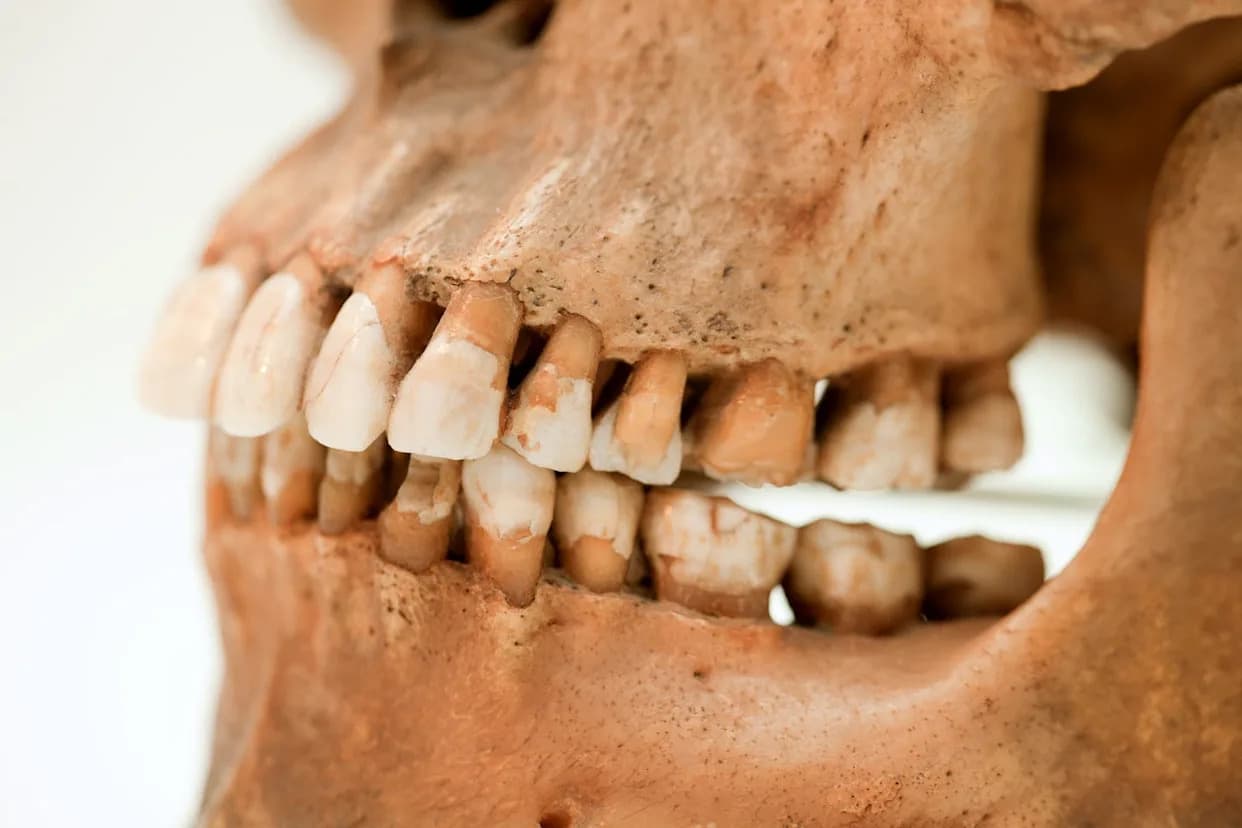
Tooth analyses across hominin lineages reveal episodic lead exposure over nearly 2 million years. Researchers propose that the modern-human version of the NOVA1 gene — involved in brain development and language-related processes — may confer greater resistance to lead toxicity than the Neanderthal variant, potentially offering a slight survival or developmental advantage to Homo sapiens.
Credit: Getty Images
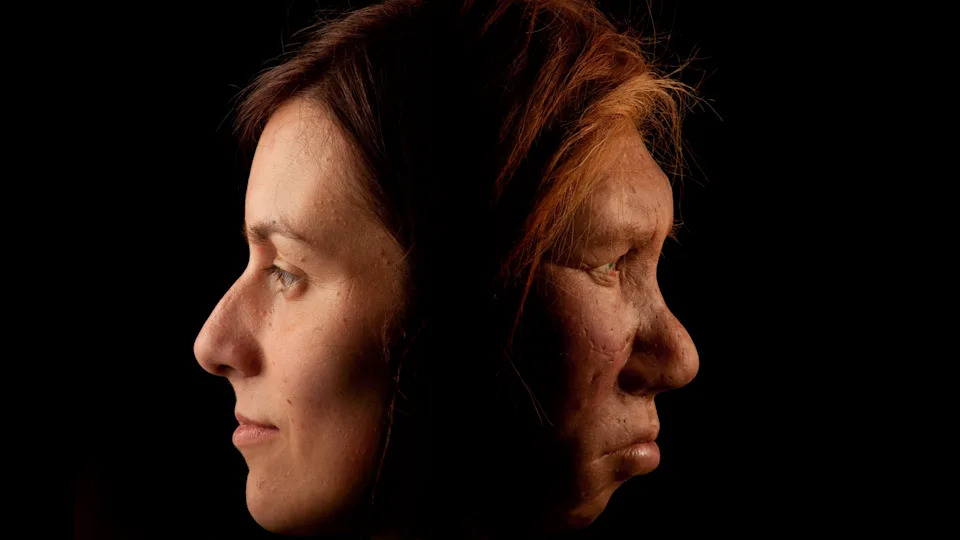
8. Population Bottleneck Signals (≈110,000 years ago)
Study of small inner-ear bones from Neanderthal specimens shows an abrupt decline in morphological diversity around 110,000 years ago, consistent with a population bottleneck. Such a reduction in variation could have made populations more vulnerable to environmental change, disease, or demographic pressures.
Credit: Allan Henderson (CC BY 2.0)
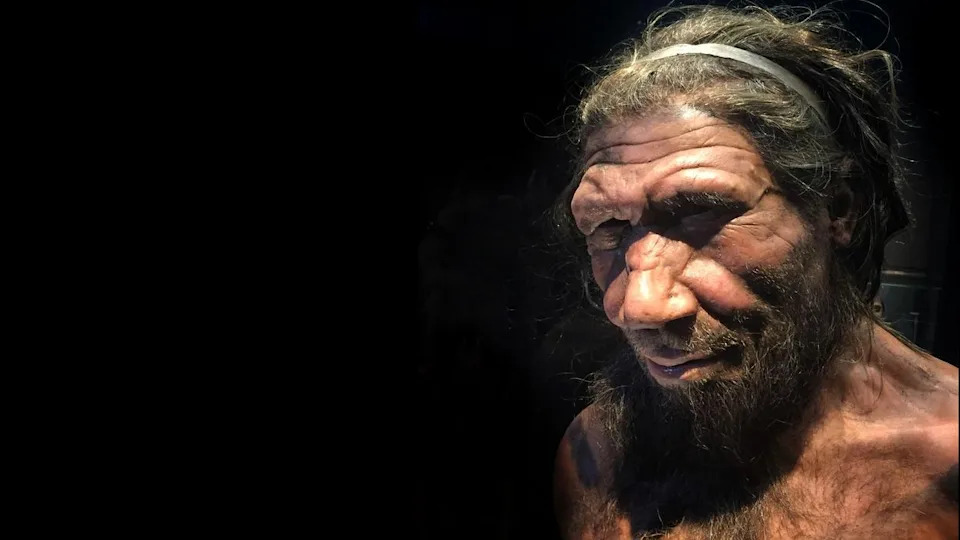
9. Blood-Group and Oxygen-Transport Incompatibilities
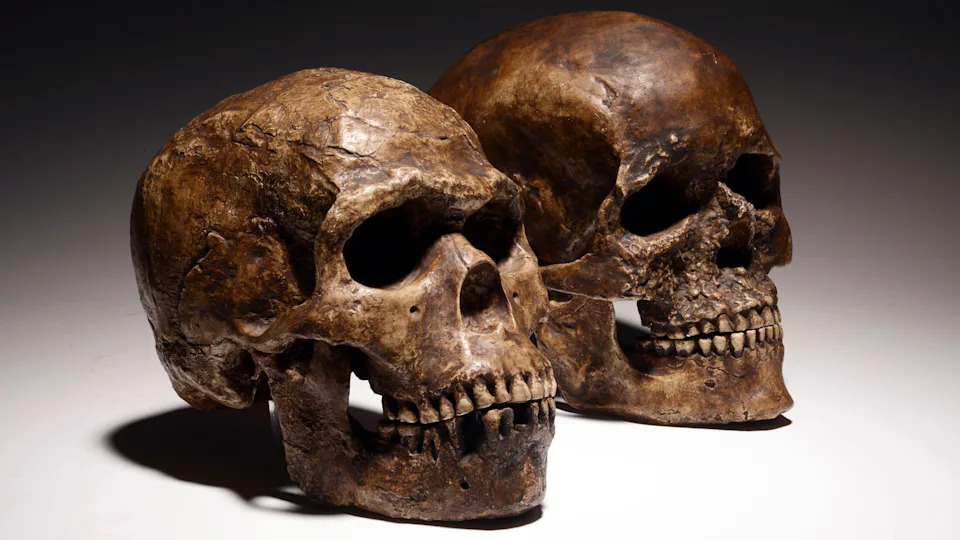
New work on blood-related genes highlights potential reproductive hazards for hybrids. An unusual Rh antigen variant found in Neanderthals could have caused maternal-fetal incompatibilities (miscarriage, stillbirth) when combined with Denisovan or early Homo sapiens types. Separately, differences in the PIEZO1 gene — affecting oxygen release from red blood cells — might have reduced fetal oxygenation in some hybrid pregnancies, increasing mortality risk.
Credit: Alamy
10. A Nuanced Picture of Extinction
No single factor fully explains Neanderthal disappearance around 35,000 years ago. Instead, cumulative pressures — reduced population size, genetic incompatibilities, environmental stress, competition with expanding Homo sapiens groups, and variable cultural or technological differences — likely combined to drive their decline.
Why This Matters
Collectively, the 2025 findings push back against simplistic narratives of Neanderthals as unsophisticated brutes. They were capable of complex behaviors (fire-making, pigment use, systematic fat extraction) while also carrying biological differences that may have influenced fitness and reproduction in a changing world. Together these discoveries deepen our understanding of human evolution and the tangled interactions between archaic and modern humans.
Help us improve.