A powerful winter storm will sweep from the Southwest to the Northeast starting Friday, threatening heavy snow, freezing rain, and dangerously cold Arctic air. More than 230 million people could be affected; winter-storm watches cover over 122 million. Officials warn of prolonged power outages, widespread travel disruption and record-low wind chills (potentially below -50°F). Residents are urged to stock supplies, avoid travel if possible and follow local advisories.
Major Winter Storm to Slam More Than Two Dozen States — Heavy Snow, Ice and Brutal Cold Expected
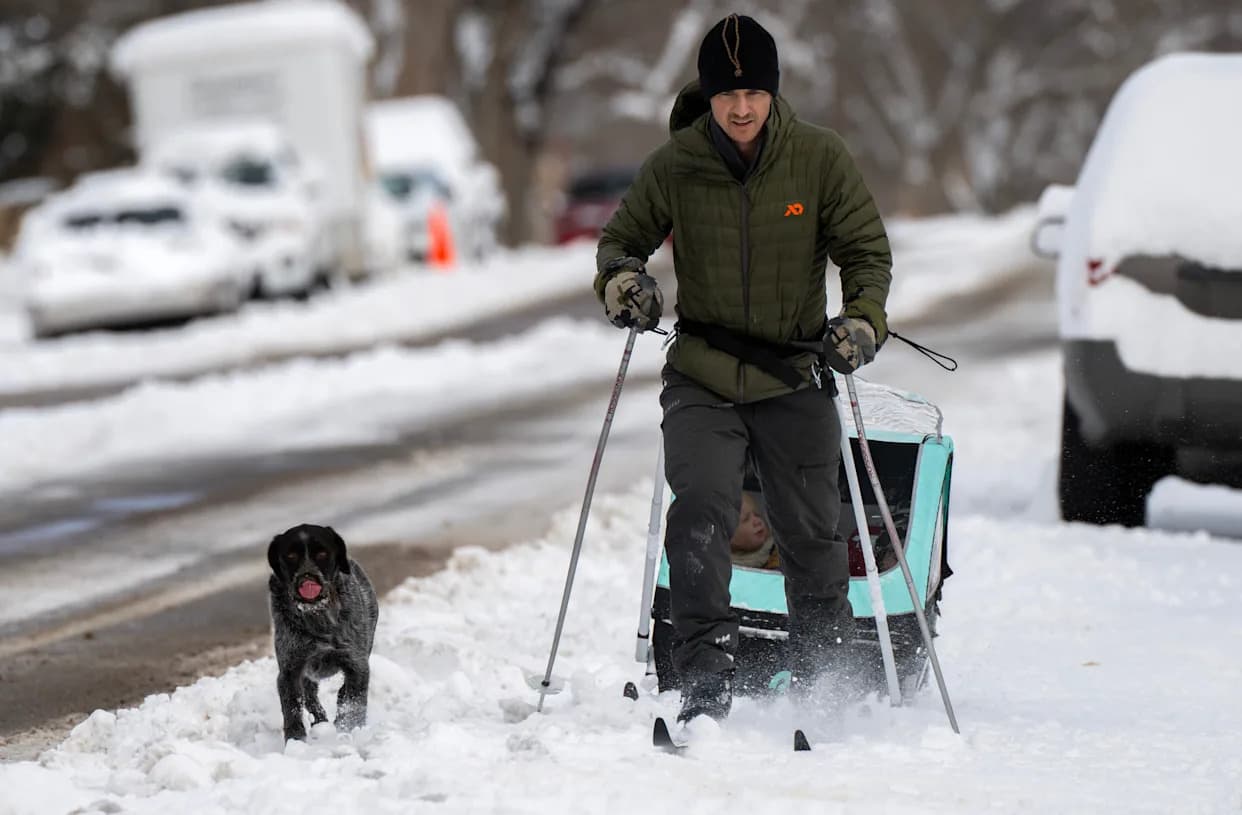
Colorado Springs, Colo., on Jan. 9.(Christian Murdock /The Gazette via AP)
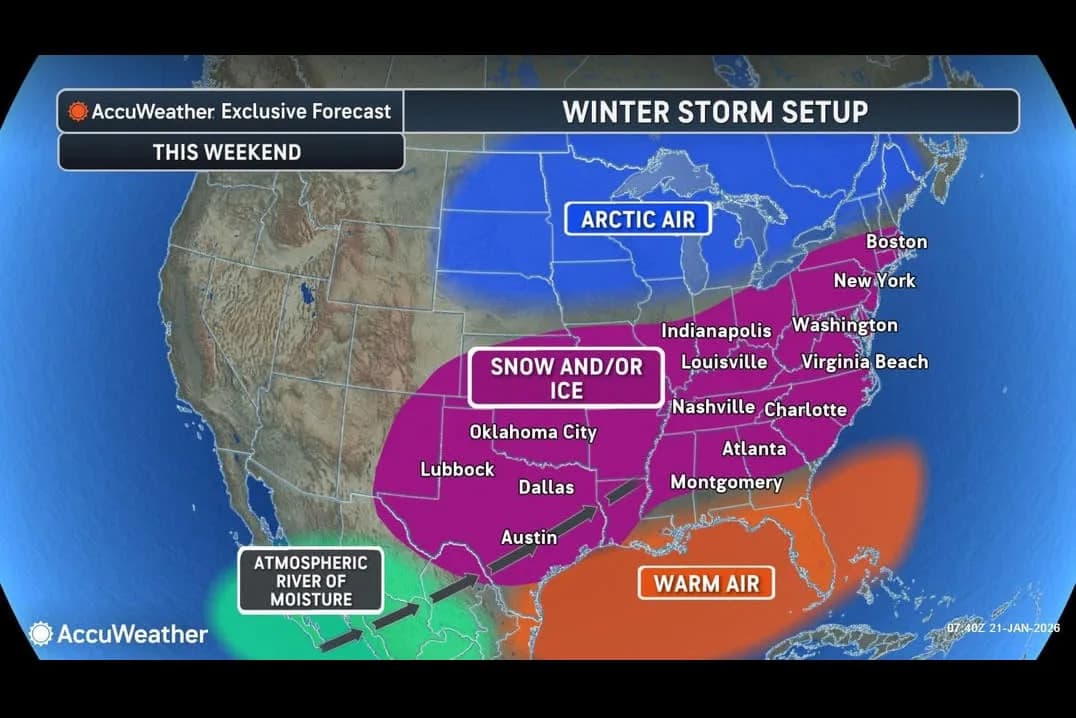
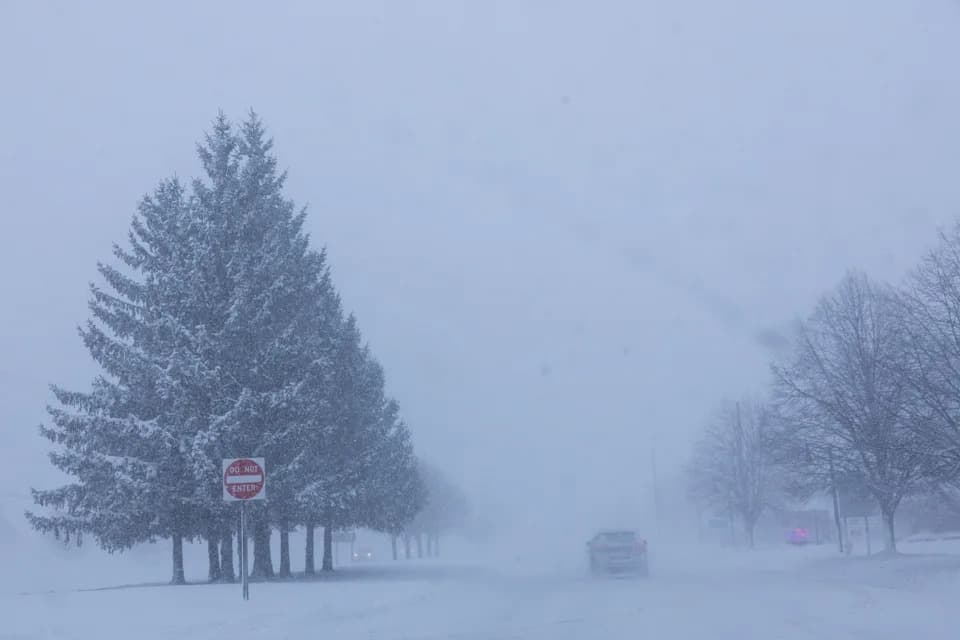
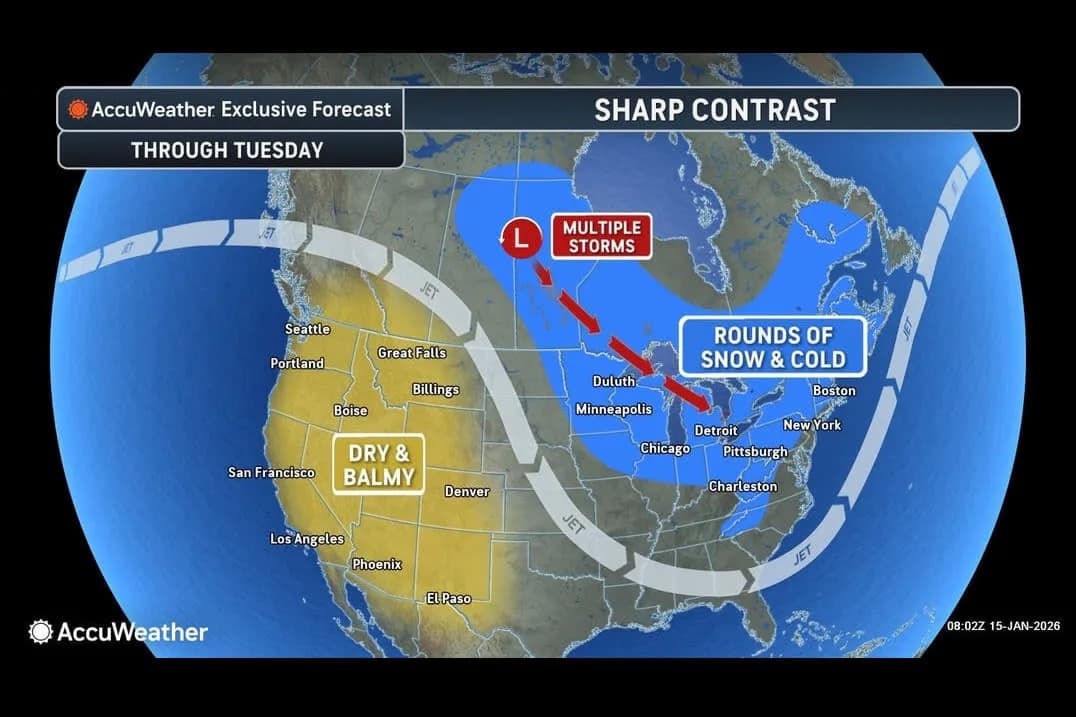
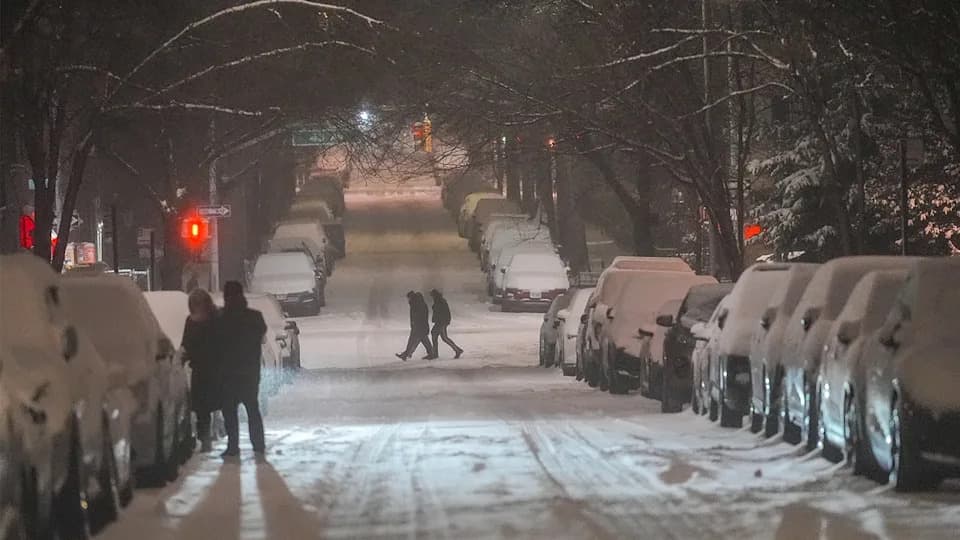
Meteorologists warn a major winter storm will sweep from the Southwest through the Midwest and into the Northeast beginning Friday and lasting through the weekend. The system is forecast to bring heavy snow, sleet, freezing rain and dangerously cold air — potentially affecting more than 230 million people and making this one of the most significant storms of the season.

A shopper buys groceries on Wednesday in Nashville ahead of a winter storm. (George Walker IV/AP)(ASSOCIATED PRESS)
Where The Storm Will Hit
The storm track includes many large metro areas: Dallas and Austin (TX), Oklahoma City, Nashville, Atlanta, Charlotte (N.C.), Washington, D.C., Baltimore, Philadelphia, New York City and Boston. Winter-storm watches currently cover more than 122 million people, from Arizona to New York and as far south as Texas, the National Weather Service said.
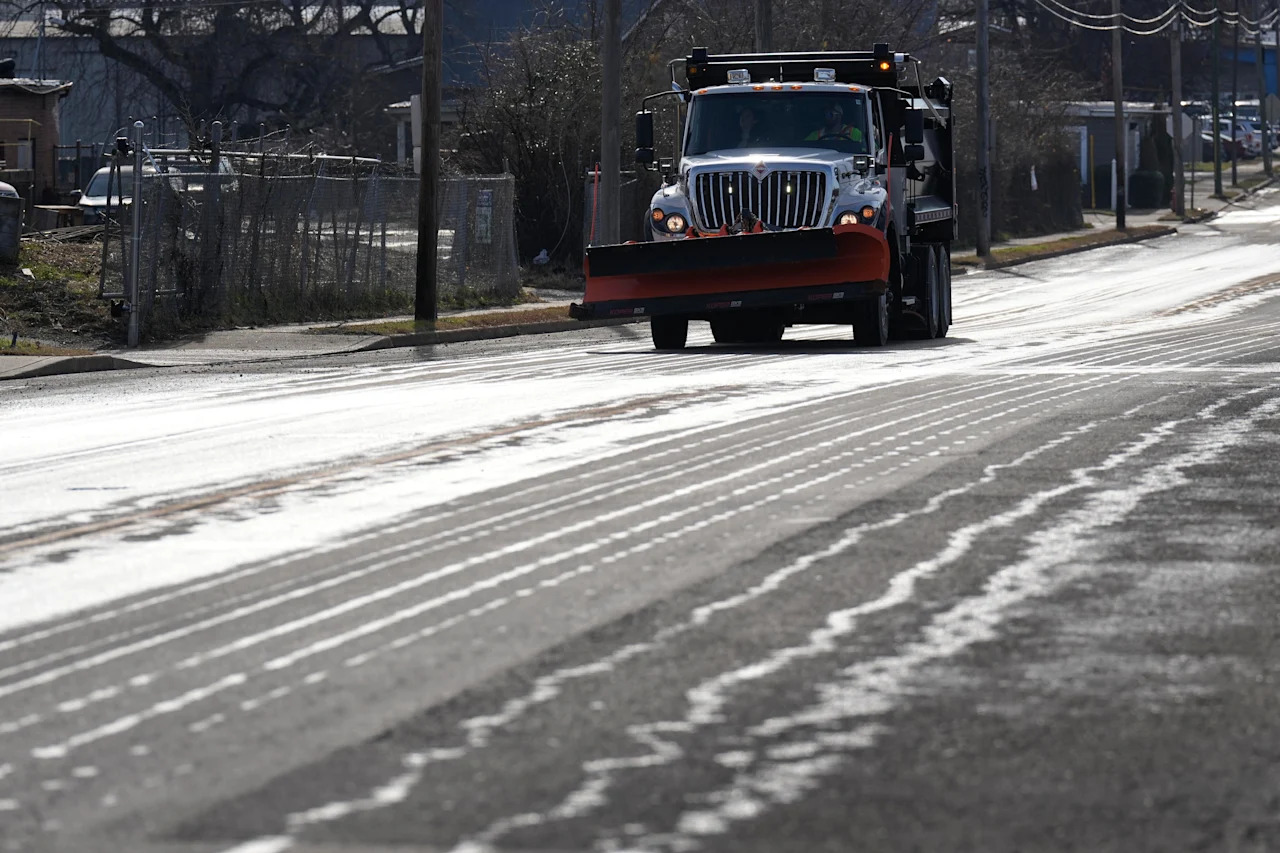
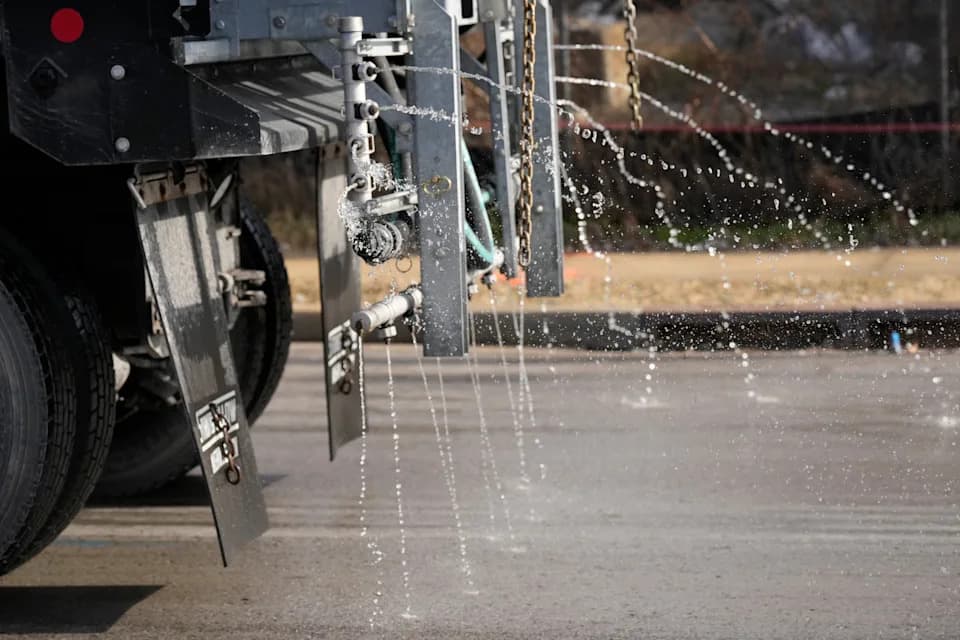
A Nashville Department of Transportation truck applies salt brine to a roadway. (George Walker IV/AP)(ASSOCIATED PRESS)
Expected Impacts
- Heavy snow with localized totals above 12 inches in some areas.
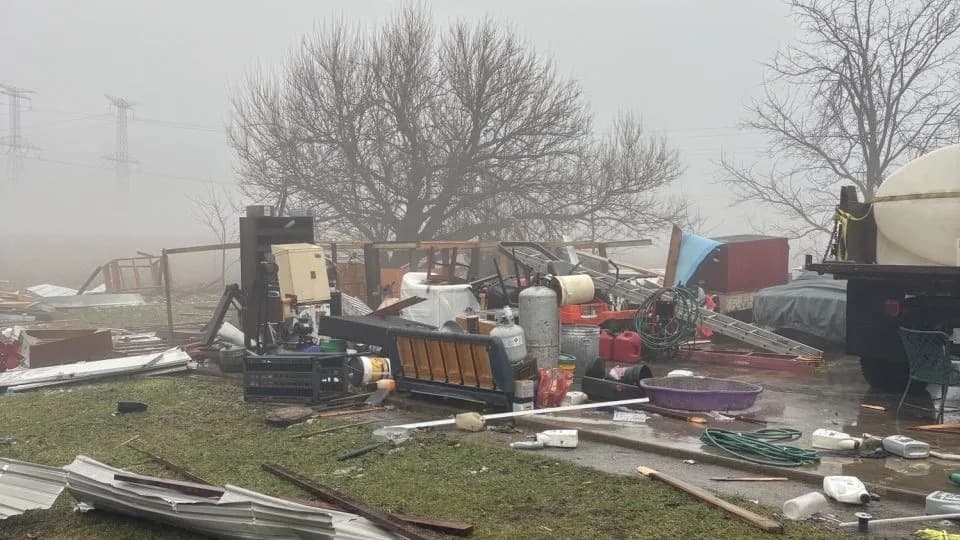
- Widespread freezing rain and sleet that could cause significant ice accumulations (locally up to about an inch in some places), leading to downed power lines and tree damage.
- Extended power outages and heating loss — officials warn that hundreds of thousands could be without electricity and heat for days in hardest-hit areas.
- Severe Arctic air following the storm will produce record-low temperatures and dangerously cold wind chills — forecasters say some locations could see wind chills below -50°F.
- Thousands of flight cancellations and widespread travel disruptions are likely.
Safety And Preparedness
Home and family: Stock nonperishable food (granola bars, nuts), baby formula, pet food, water, batteries and a charged phone. Ensure any emergency heat source is used safely and ventilated properly. Run gasoline-powered generators only outdoors and away from windows to avoid carbon monoxide risk.
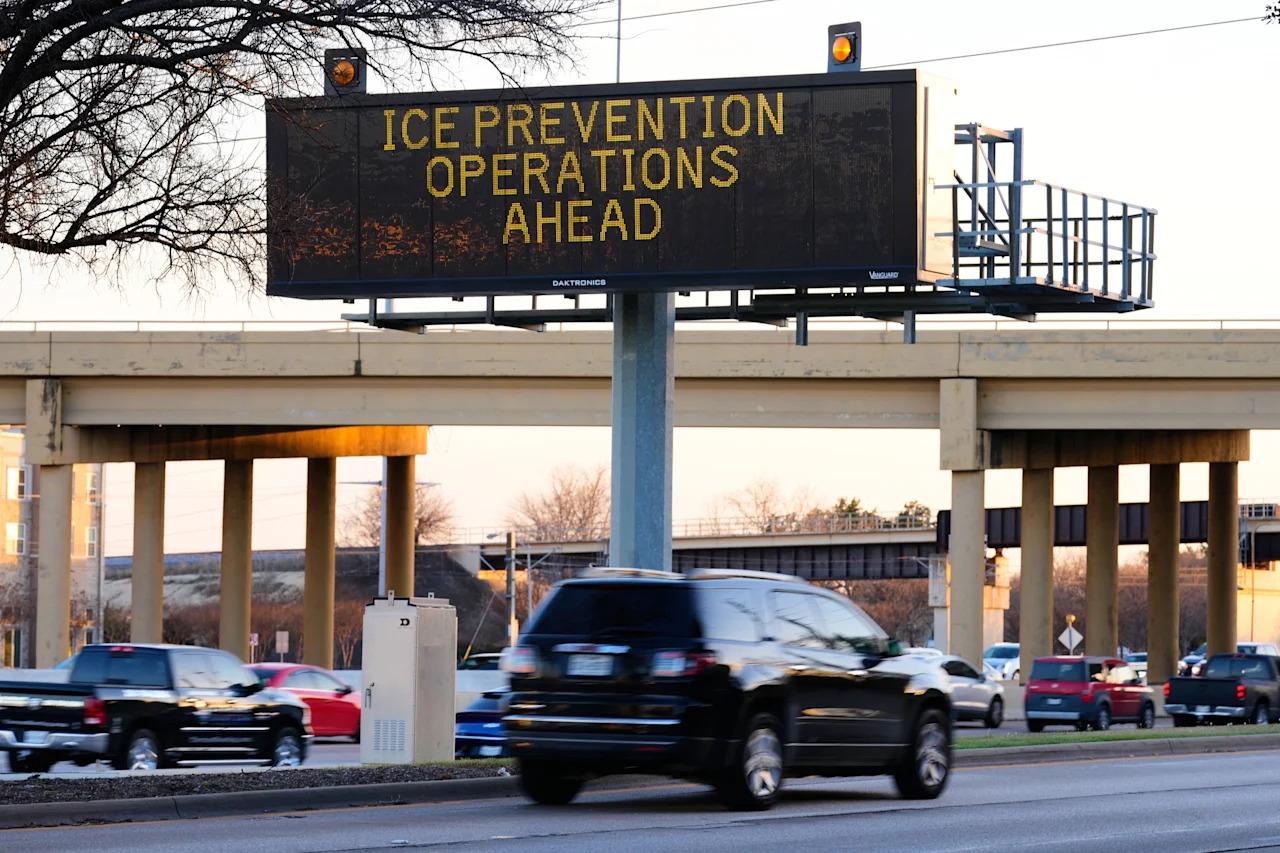
A digital billboard along Highway 75 in Richardson, Texas, warns of road preparations for upcoming inclement weather on Wednesday. (Tony Gutierrez/AP)(ASSOCIATED PRESS)
Travel: If you must drive, keep a full tank or fully charged EV, and carry a winter emergency kit (shovel, ice scraper, jumper cables, first-aid kit, phone charger, blankets, extra food and water).
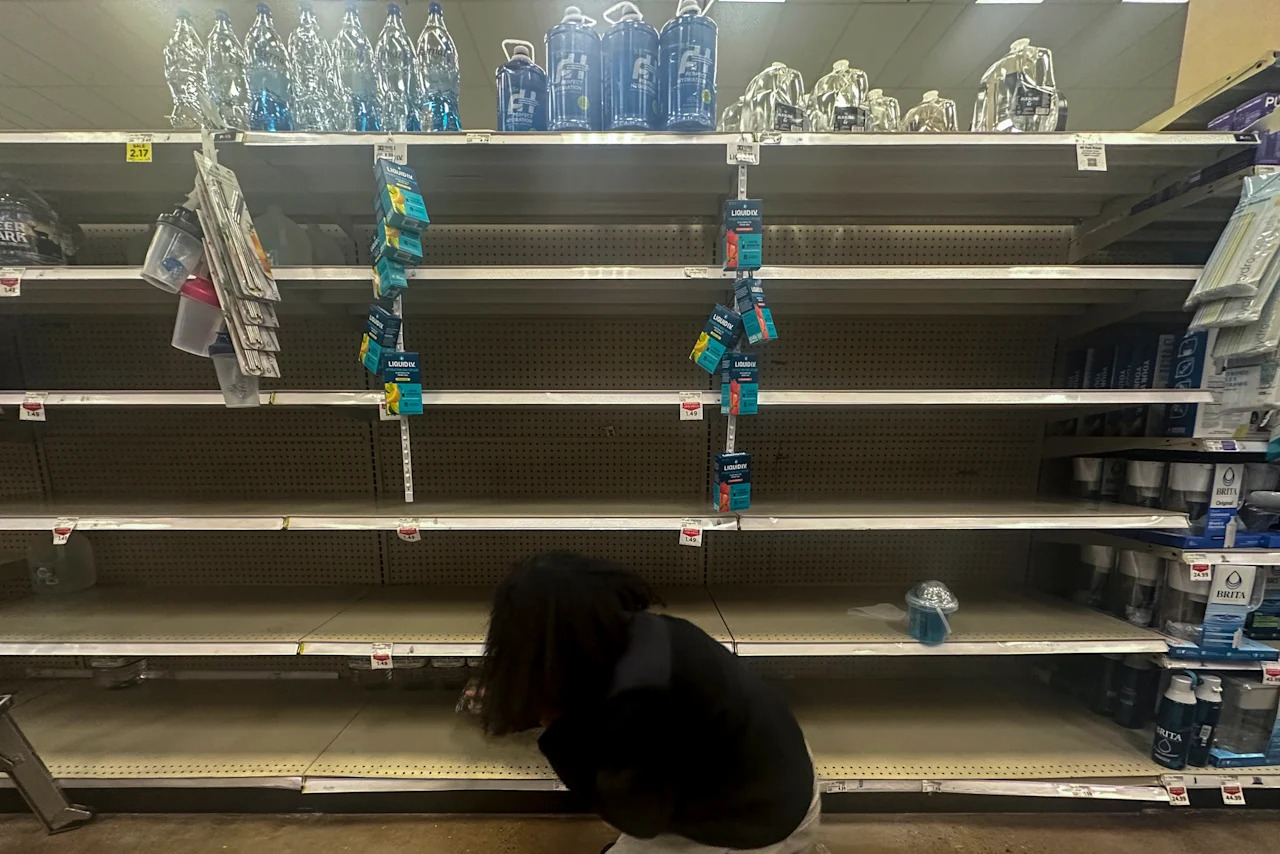
A shopper searches for water on near-empty shelves on Wednesday in Marietta, Ga. (Mike Stewart/AP)(ASSOCIATED PRESS)
Children: Dress kids in one extra layer compared with adults, limit outdoor play with predetermined time caps and perform regular warmth checks. Remove bulky coats before securing children in car seats so harnesses fit snugly.
Government Response And Services
Multiple governors have declared states of emergency (including Texas, Georgia, North Carolina, South Carolina and Louisiana) to mobilize resources and National Guard personnel. Cities and school districts across the storm path have announced closures; Chicago Public Schools canceled classes and after-school activities on Friday due to extreme wind-chill forecasts.
Airlines are issuing travel alerts and waiving some fees. Reported policies include fee waivers or flexibility from American, Delta, Frontier, JetBlue, Spirit, Southwest and United.
Additional Notes
Social media posts about trees "exploding" in the cold reflect a real but rare phenomenon: sudden freezing of sap and water can cause loud bark splits called frost cracks. They can break branches but full tree "explosions" are uncommon.
Stay tuned to local National Weather Service and NOAA updates. Prepare now — finish storm preparations immediately and monitor forecasts closely.
Help us improve.