The UK has sent four RAF Typhoon jets to Qatar in a defensive role at the invitation of the Qatari government, reinforcing bilateral defence ties and regional deterrence. The move comes as US naval assets, including the USS Abraham Lincoln strike group, and additional Patriot and THAAD batteries move toward the Middle East. The build‑up follows a violent crackdown on widespread protests inside Iran, raising concerns about potential retaliation and wider escalation.
RAF Deploys Four Typhoon Jets To Qatar As US–Iran Tensions Escalate
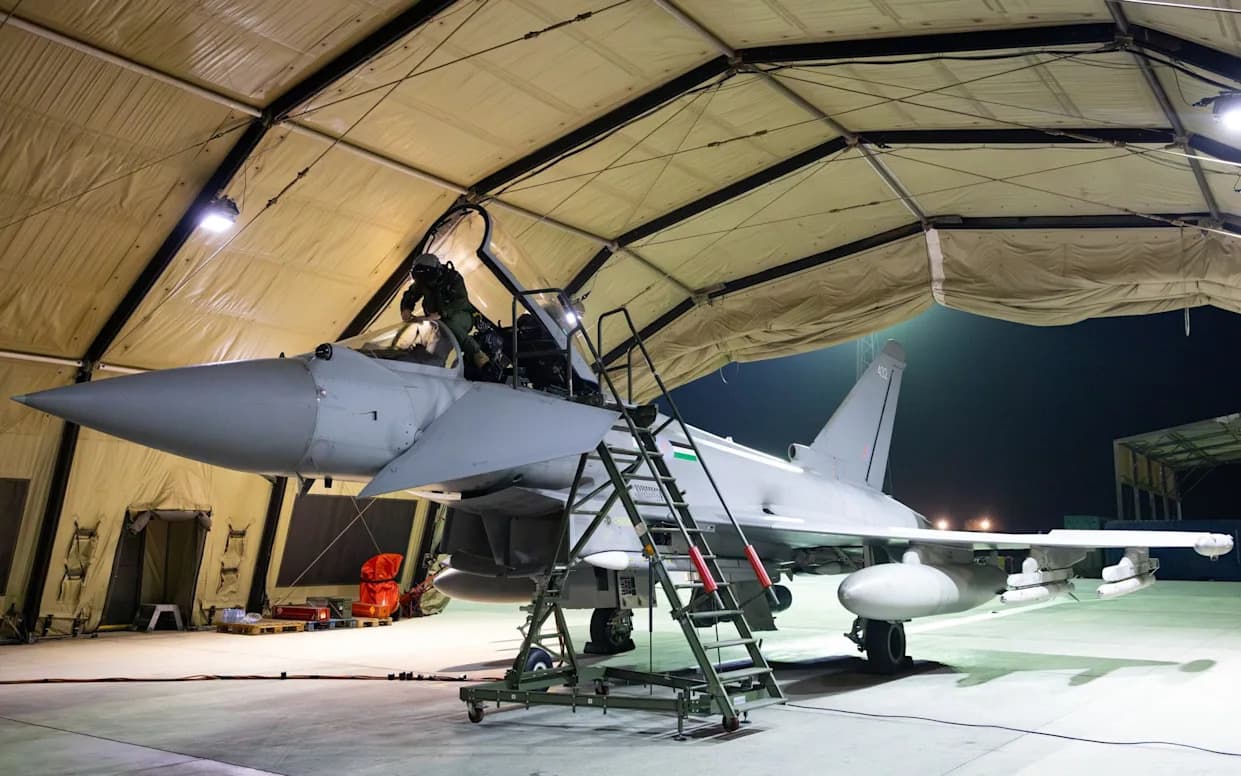
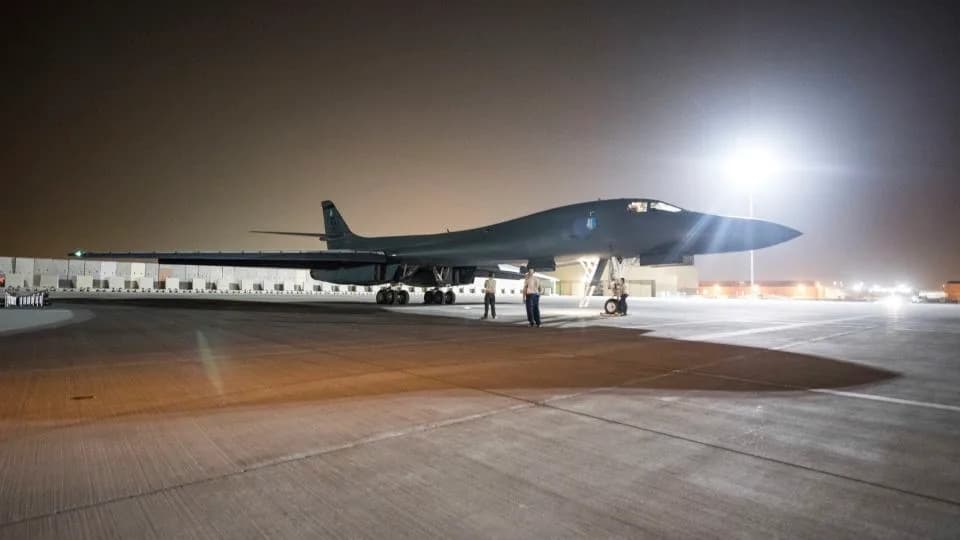
Four Typhoons were deployed to Qatar, just across the Persian Gulf from Iran - Ministry of Defence
The Royal Air Force has deployed four Typhoon fighter jets to Qatar amid escalating tensions between the United States and Iran, the UK Ministry of Defence (MoD) said. The deployment — described by the MoD as "in a defensive capacity" — followed an invitation from the Qatari government and is intended to reinforce existing UK‑Qatar defence cooperation and contribute to regional stability.
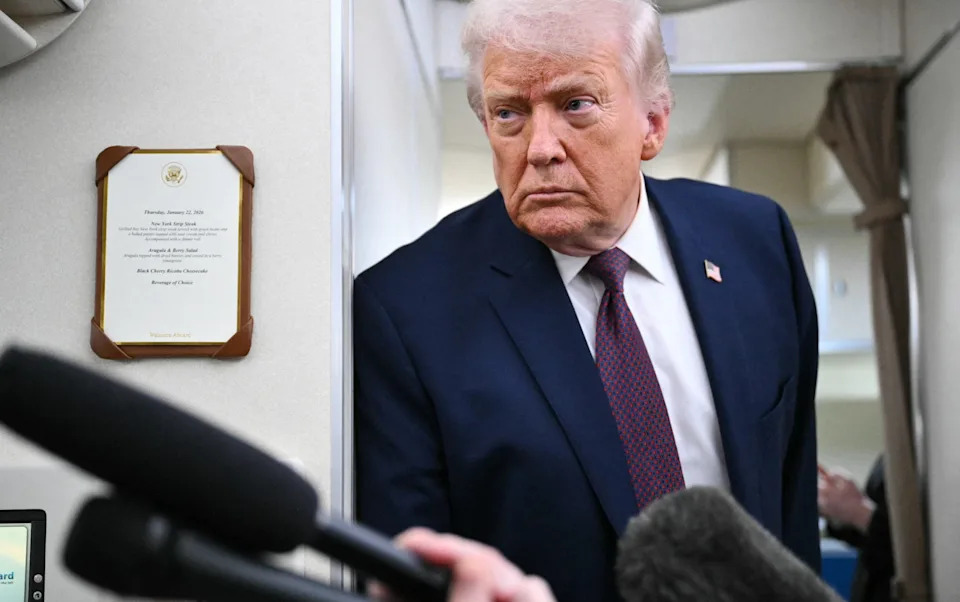
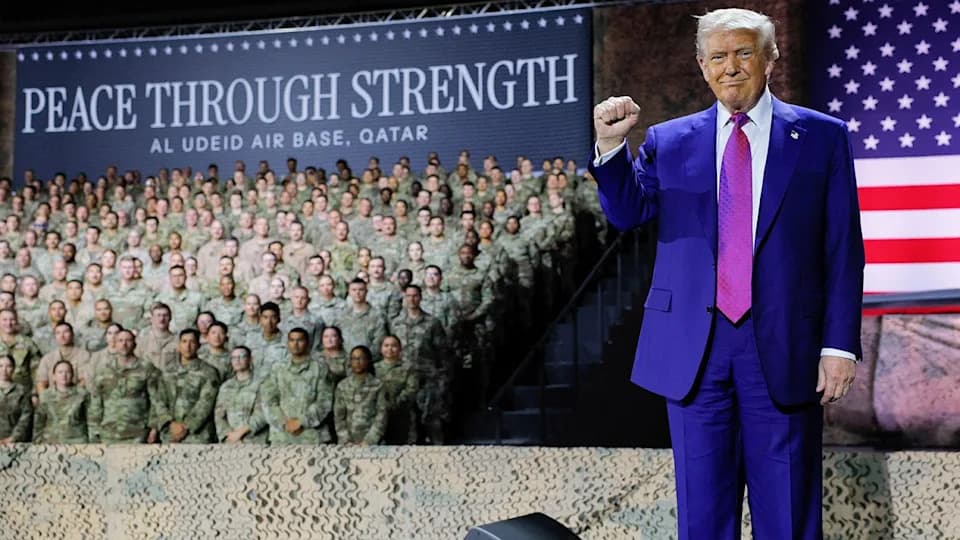
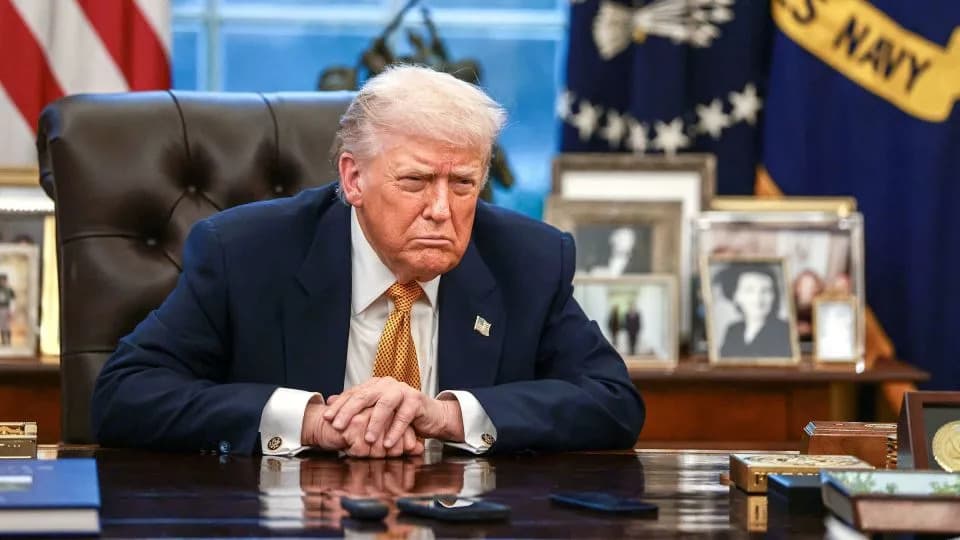
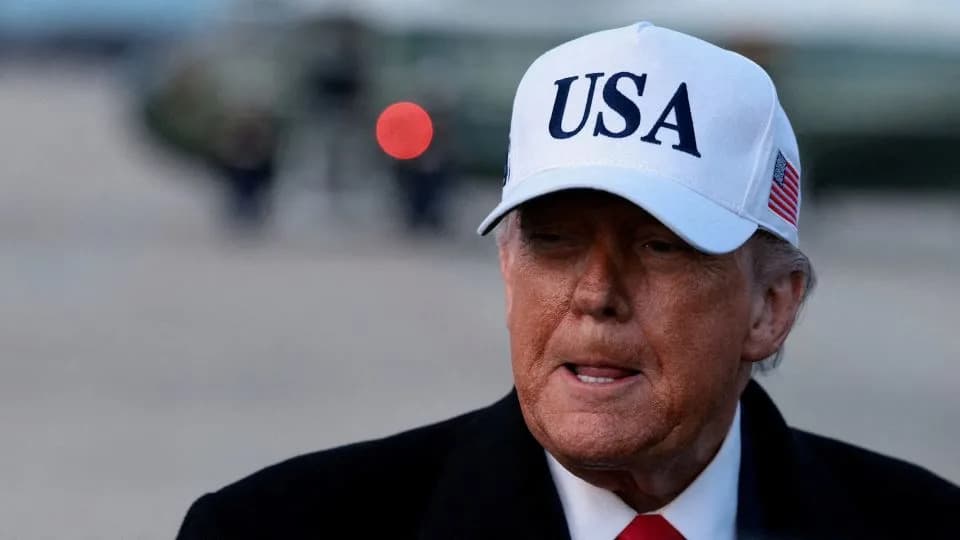
Donald Trump told reporters ‘a lot of ships’ were headed towards Iran on Thursday - Mandel Ngan
Deployment Details and Capabilities
The RAF said the Typhoons were sent to Dukhan air base on Qatar's western peninsula rather than the main US facility at Al‑Udeid. The aircraft are equipped for both offensive and defensive roles: they can carry precision‑guided bombs and long‑range cruise missiles such as the Storm Shadow, and are fitted to intercept drones and, in some cases, non‑ballistic missiles.
US Naval And Missile‑Defence Movements
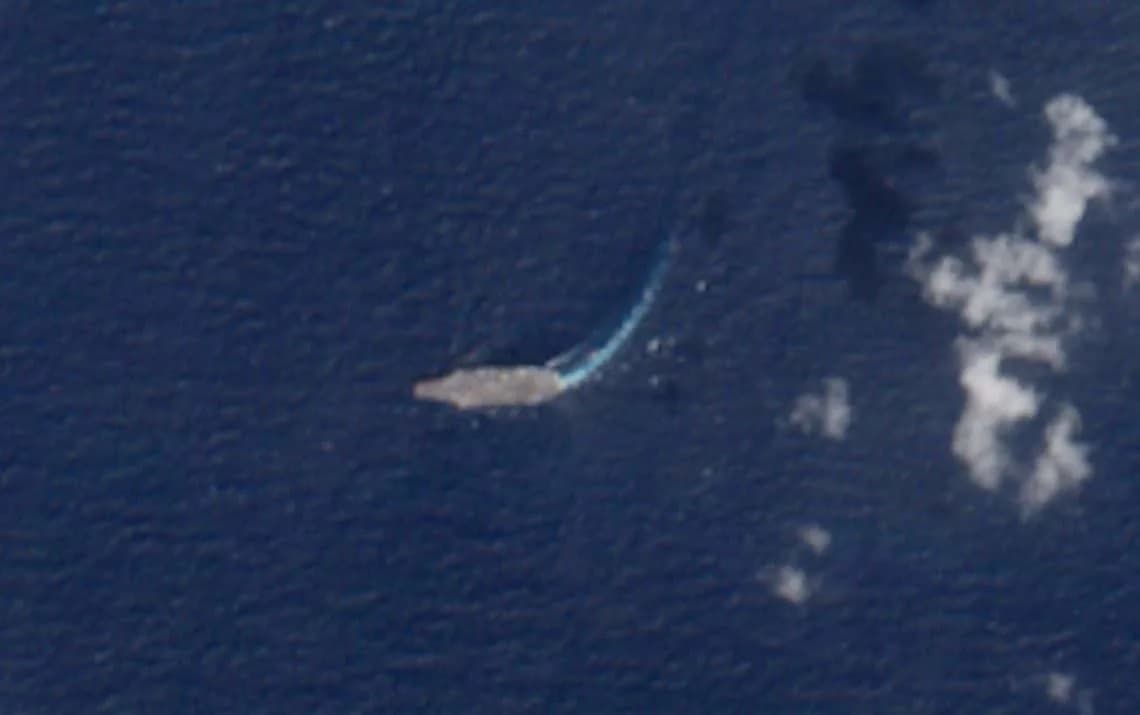
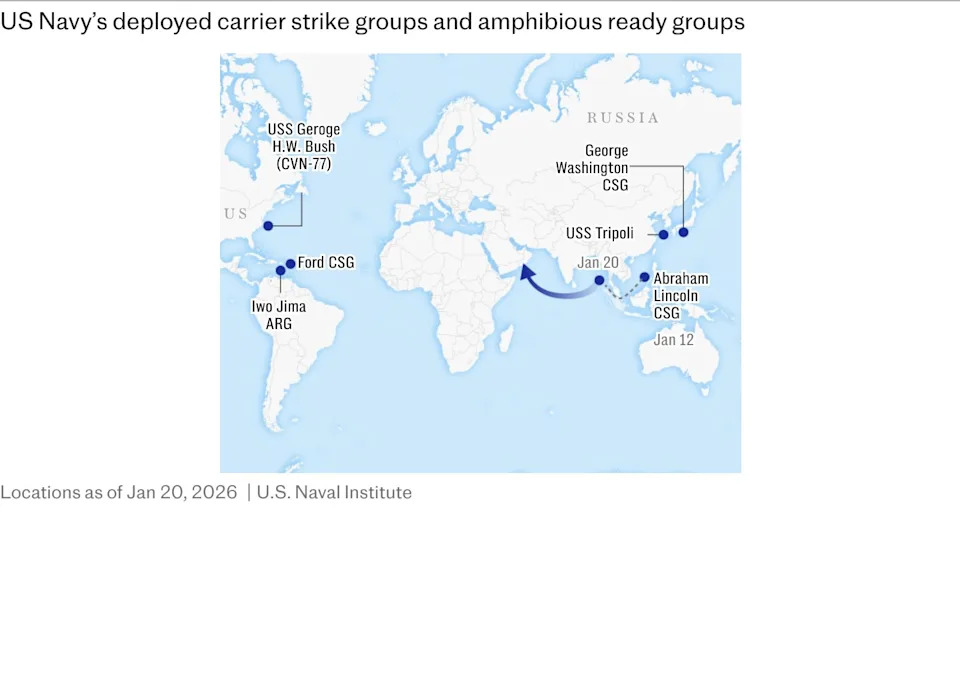
The deployment coincides with reported US naval and air movements. President Donald Trump said he had sent a "massive fleet" toward the Middle East, and the aircraft carrier USS Abraham Lincoln and its strike group were believed to be transiting in the Indian Ocean, potentially arriving in the region within days. Reports also indicate additional Patriot and THAAD air‑defence batteries and C‑17 cargo aircraft have been moved to the area.
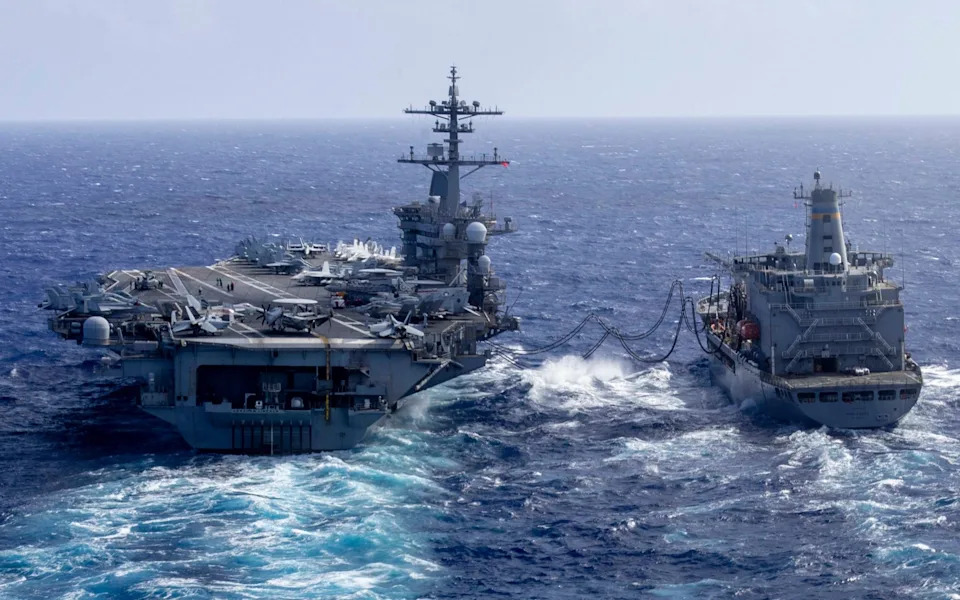
The deployment of USS Abraham Lincoln will boost America’s options against Iran
"We have a lot of ships going that direction. Just in case," Mr. Trump told reporters, adding that the United States was "watching them very closely" and preferred to avoid conflict.
Context: Unrest Inside Iran
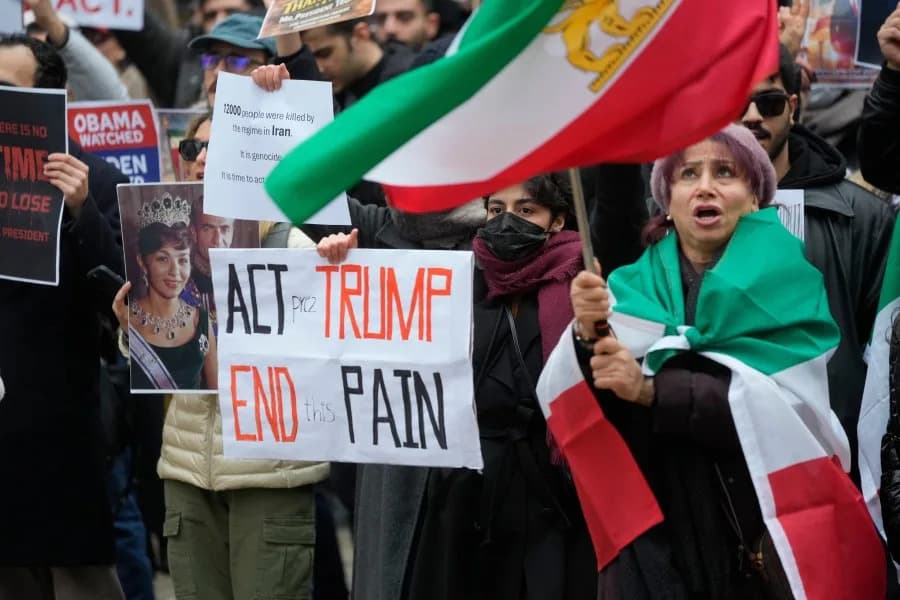
The show of force follows weeks of unrest inside Iran, where antigovernment protests that began on 28 December over economic grievances have been met with a harsh crackdown. The US‑based Human Rights Activists News Agency (HRANA) has reported that more than 5,000 people may have been killed, a figure that remains contested and which officials say could change as communications are restored.
Iranian authorities deployed the Islamic Revolutionary Guard Corps (IRGC) to confront demonstrations and restricted internet access to limit dissent. Iran’s Supreme Leader, Ayatollah Ali Khamenei, has accused foreign powers of fomenting unrest and warned of retaliation against any external attacks. IRGC commanders have issued public warnings that illustrate the heightened risk of escalation.
Analysts' Assessment
Defence analysts say the movement of carrier strike groups, escorting destroyers, transport aircraft and additional missile‑defence systems expands US and allied options in the region. Those options range from increased deterrence and defensive postures to potential limited strikes on specific targets — though analysts emphasise that military action carries a high risk of regional escalation and retaliatory attacks.
The MoD emphasised the RAF deployment is defensive and collaborative: "The deployment, upon invitation of the Qatari government, is in a defensive capacity and builds on the UK’s established defence partnership with Qatar," an MoD spokesman said.
Help us improve.