Yale researchers detected opium biomarkers (noscapine, hydrocotarnine, morphine, thebaine and papaverine) in a dark residue from an eight-inch alabaster jar linked to the era of Xerxes I. Similar residues have been found in New Kingdom vessels, suggesting opiate use spanned centuries and social classes in the ancient Near East. The team argues it is plausible that comparable jars from King Tutankhamun’s tomb once contained opiates; modern analyses of those jars could confirm the role of opium in ancient ritual and daily life.
Yale Study Finds Opium Traces in Ancient Egyptian Vase — Could King Tut Have Used It?
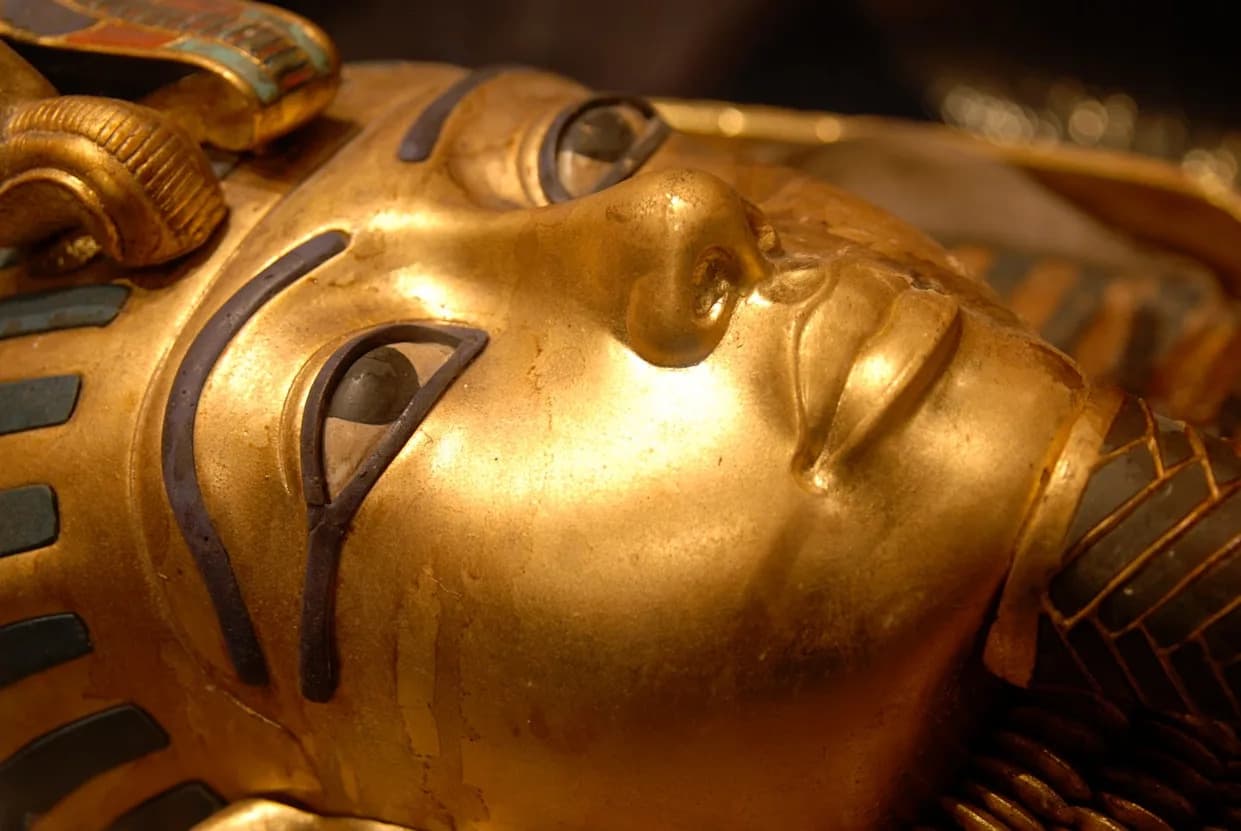
Scientists Found Opium in an Ancient Egyptian Vaseassalve - Getty Images
An ancient alabaster vase in Yale University's museum collection has yielded chemical evidence that opium was used more widely in the ancient Near East than previously recognized. Scientists who analyzed a dark-brown aromatic residue inside the jar found biomarkers consistent with opium, and they argue the discovery reshapes our understanding of drug use across time and social classes in antiquity.
The vessel is an eight-inch-tall (1.2-liter) alabaster jar that bears inscriptions in four ancient languages tying it to the era of Xerxes I (486–465 B.C.E.). Researchers led by Andrew Koh of the Yale Ancient Pharmacology Program published their findings in the Journal of Eastern Mediterranean Archaeology after detecting a chemical profile that included noscapine, hydrocotarnine, morphine, thebaine and papaverine — all compounds associated with opium.
“Our findings combined with prior research indicate that opium use was more than accidental or sporadic in ancient Egyptian cultures and surrounding lands and was, to some degree, a fixture of daily life,” said Andrew Koh, principal investigator and research scientist at the Yale Peabody Museum.
These residues are not unique to this single jar. Similar dark-brown aromatic traces have been identified in New Kingdom alabaster vessels and small juglets dated to the 16th–11th centuries B.C.E., recovered from the tomb of a merchant family. Taken together, the evidence suggests opiate-containing materials were present in both elite and non-elite contexts over many centuries.
Implications for King Tutankhamun's Tomb
Because Tutankhamun reigned from 1333 to 1323 B.C.E. — within the broader timeframe when opium-containing vessels were used — Koh and his colleagues propose it is plausible that similar alabaster jars in King Tut’s tomb once contained opiate substances. When Howard Carter unearthed the pharaoh’s tomb in 1922, and when chemist Alfred Lucas examined the vessels in 1933, many containers were reported to hold a sticky, dark-brown aromatic material. Lucas concluded these residues were not ordinary ointments or perfumes, but analytical methods of his day could not identify them chemically.
Many of Tutankhamun’s alabaster jars show finger marks and evidence of ancient looting, suggesting grave robbers attempted to remove valued contents. Koh argues that it would be unlikely for thieves to risk entry and scrape out vessels for ordinary unguents, which strengthens the case that the removed substances were prized for other reasons.
Today Tutankhamun’s alabaster vessels are held at the Grand Egyptian Museum in Giza and have not been re-analyzed with modern chemical techniques. Koh and other researchers say that doing so could clarify whether certain jars served as cultural markers for opium use — analogous to how hookahs today are associated with shisha tobacco.
Regional and Cultural Context
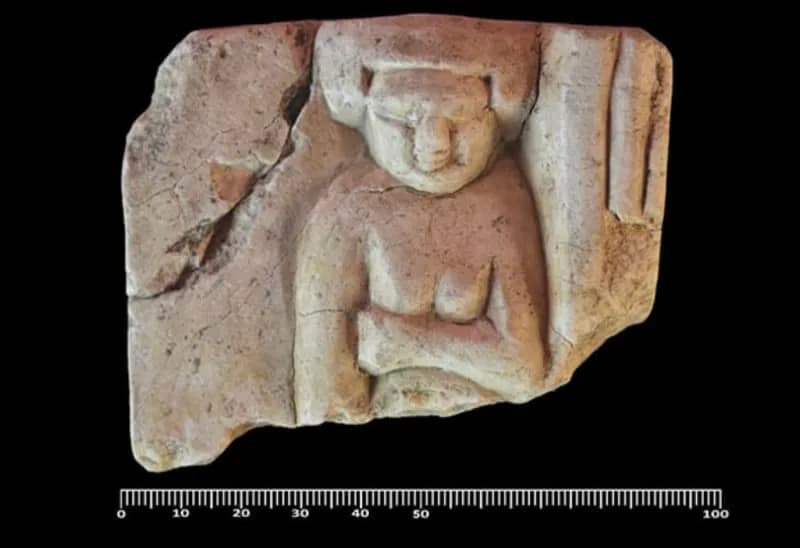
The study places Egyptian opiate use within a broader Eurasian context. Opiates appear in ancient Mesopotamian and Aegean sources, and contemporary Cretan iconography includes a so-called “poppy goddess.” Historical opium traditions in China further illustrate that poppy-based substances were integrated into many ancient societies for medicinal, ritual, and recreational uses.
Researchers caution that while the chemical signature is strong evidence for opiate content in the analyzed jar, confirming the presence of opiates in Tutankhamun’s vessels requires direct, modern testing. Such analyses would help clarify how opium functioned socially, ritually, and medically across different strata of ancient Near Eastern communities.
Next steps: Modern, non-invasive chemical testing of alabaster vessels from Tutankhamun’s tomb and other museum collections could confirm whether opium was deliberately stored and circulated in recognizable containers across ancient Egypt and neighboring regions.
Help us improve.