Researchers analyzing Chang’E‑6 soil report the first natural detection of single‑walled carbon nanotubes on the Moon. Advanced microscopy and chemical tests show tube‑shaped graphitic lattices one atom thick embedded in lunar regolith and inconsistent with Earth contamination. Scientists suggest formation via meteorite delivery, iron‑catalysed reactions, early volcanism and solar wind exposure, a finding that could reshape carbon science and materials design.
Moon Surprise: Natural Single‑Walled Carbon Nanotubes Discovered in Chang’E‑6 Soil
Scientists spot something on Moon’s far side that’s not thought to be naturally occurring
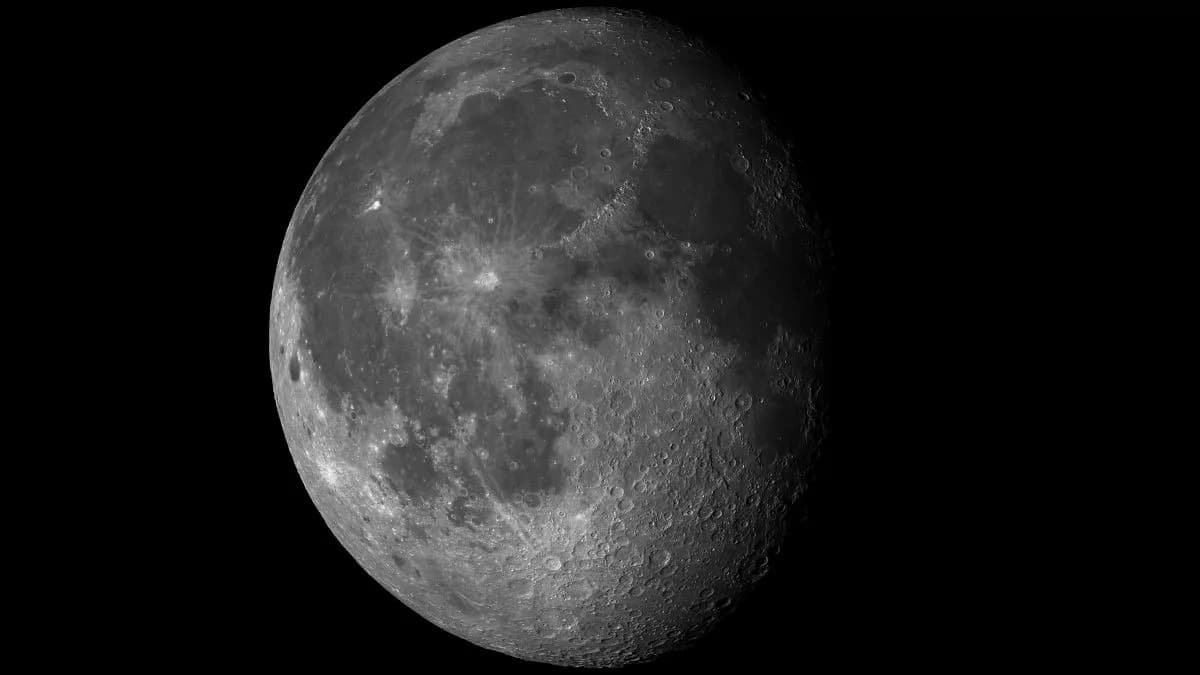
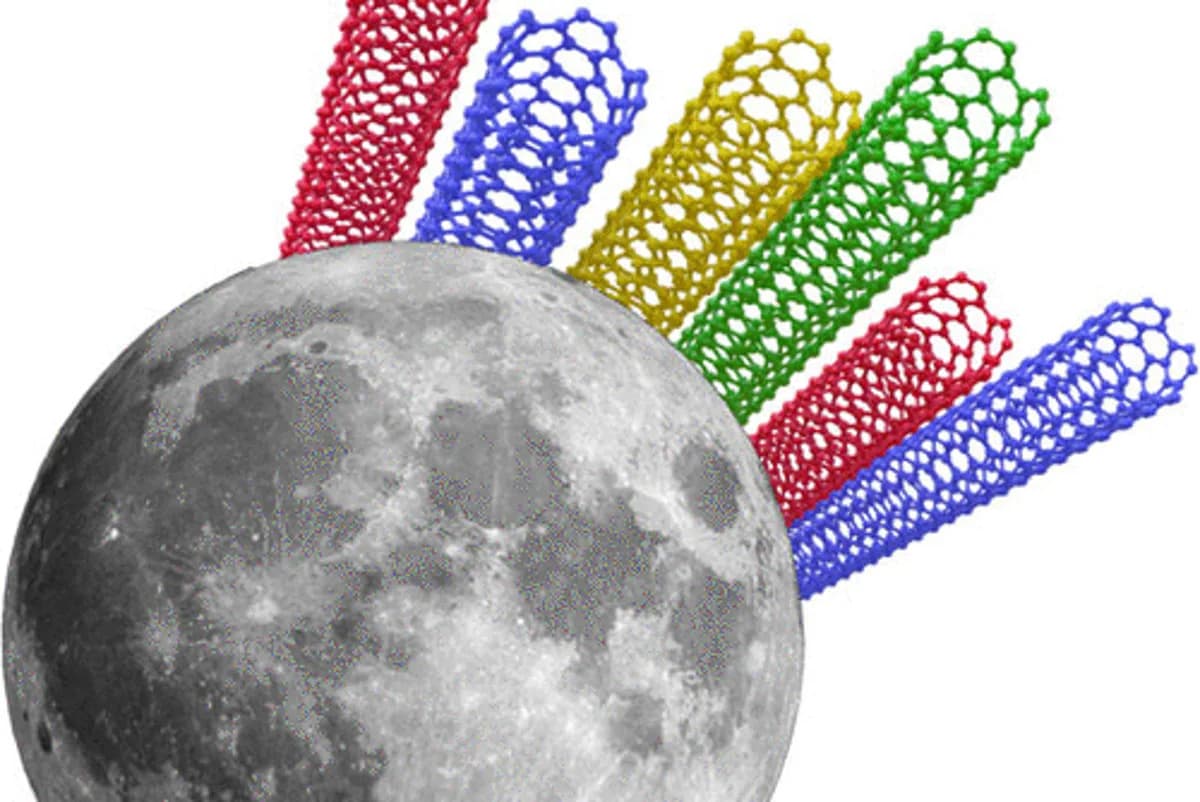
Chinese researchers report the first natural occurrence of single‑walled carbon nanotubes (SWCNTs) in lunar soil returned by the Chang’E‑6 mission from the Moon’s far side. The discovery, led by a team at Jilin University and published in ACS Nano Letters, identifies thin, tube‑shaped graphitic carbon structures whose walls measure just one atom thick.
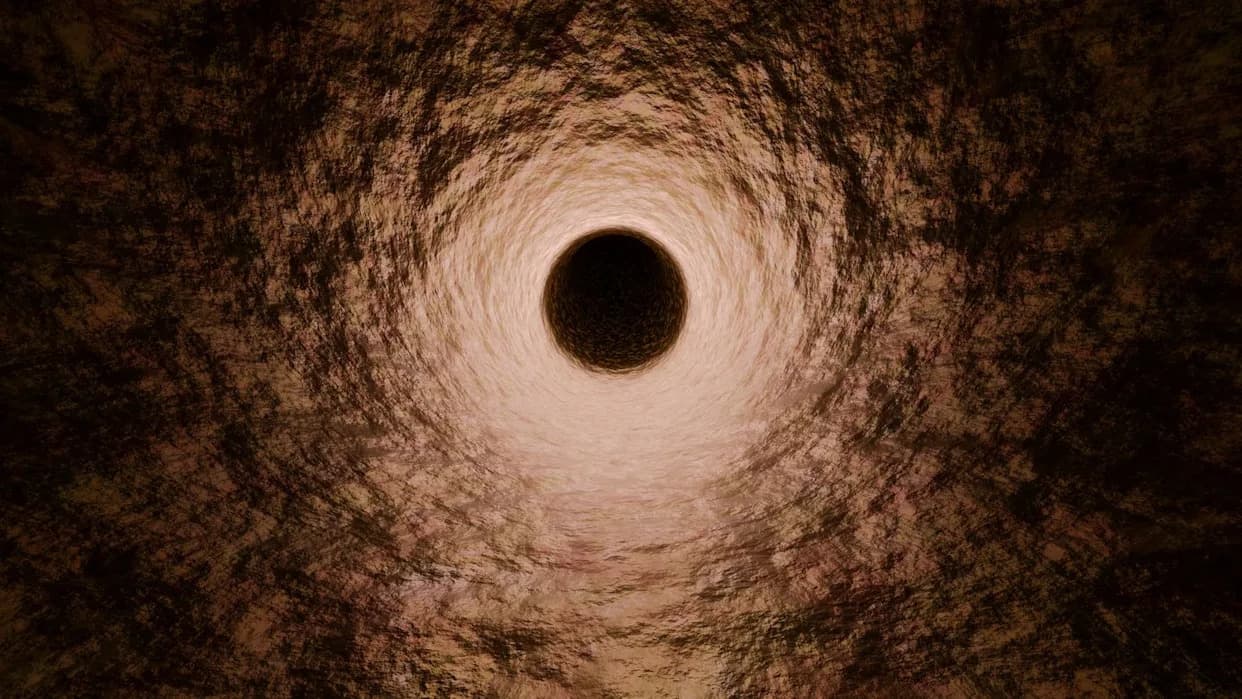
Using high‑resolution electron microscopy and complementary chemical analyses, the team detected nanoscale cylindrical lattices of carbon embedded directly in the CE‑6 regolith. Chemical signatures associated with the nanotubes and the presence of indigenous lunar mineral grains argue strongly against Earth‑based contamination.
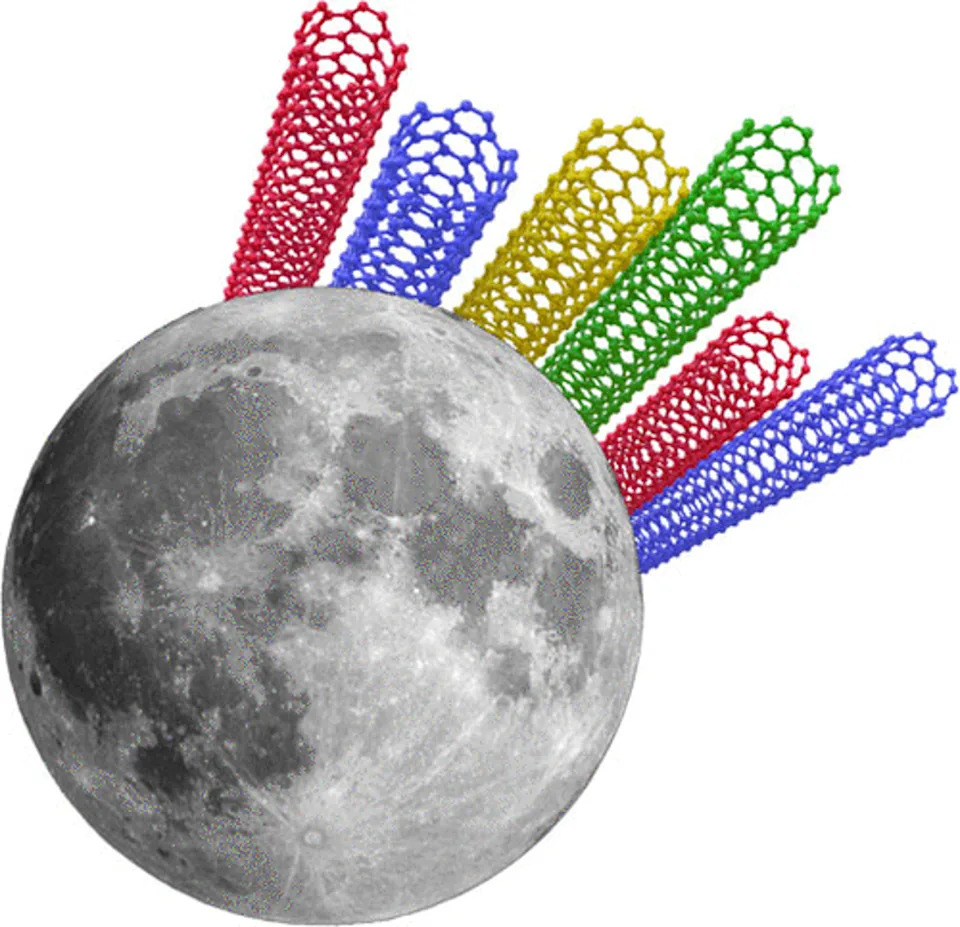
Carbon nanotubes discovered in lunar far side (ACS Nano Letters)
“This study presents the first identification of graphitic carbon in lunar samples taken by Chang’E‑6 (CE‑6) mission from the far side of the Moon. Specifically, single‑walled carbon nanotubes were identified in the CE‑6 lunar samples,” the authors wrote.
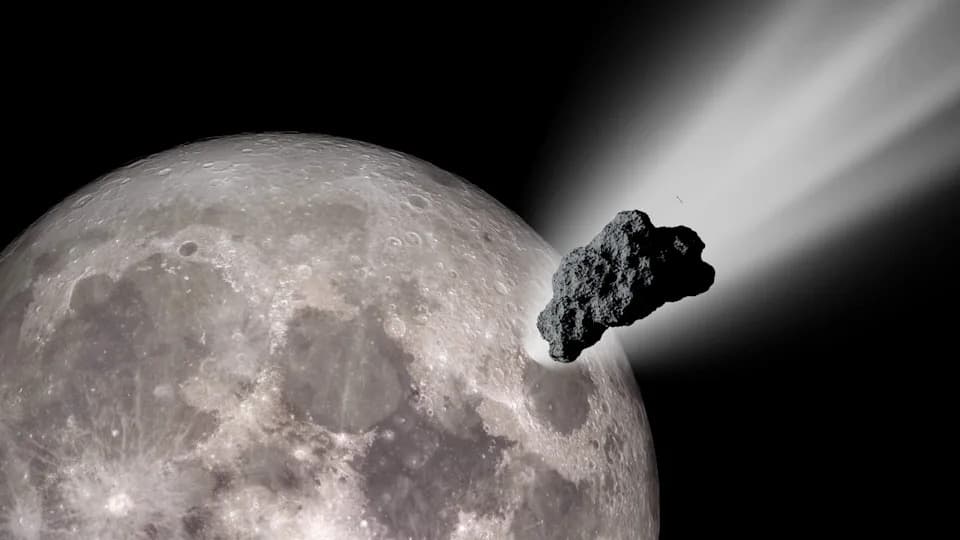
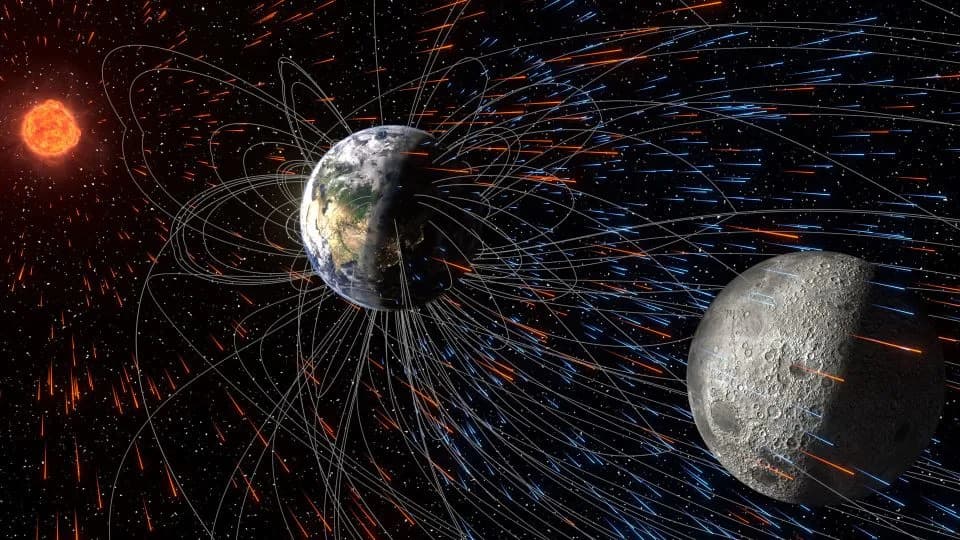
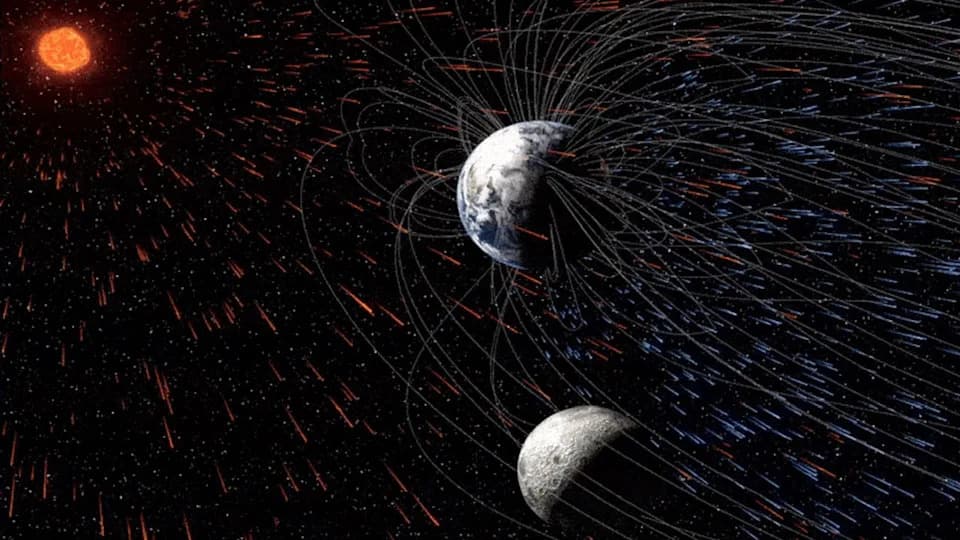
Researchers propose a plausible formation pathway on the Moon: small meteorite impacts delivering carbon, combined with iron in lunar soil acting as a catalyst under conditions linked to early volcanism and sustained solar wind irradiation. Under these extreme but plausible conditions, carbon atoms can reorganize into highly ordered, stable nanotube structures without laboratory synthesis.
Why This Matters
The finding expands our understanding of natural carbon chemistry beyond Earth. Along with earlier reports of natural few‑layer graphene on the Moon’s near side, this discovery suggests the lunar surface experienced more complex chemical processing than previously thought. The result could inspire new research directions in carbon science and inform novel approaches to engineering advanced materials.
What Remains To Be Done
Further studies are needed to establish how widespread these nanotubes are across lunar terrains, to pin down precise formation conditions, and to rule out any remaining sources of contamination definitively. Continued analysis of returned samples and future missions will be key.
Help us improve.