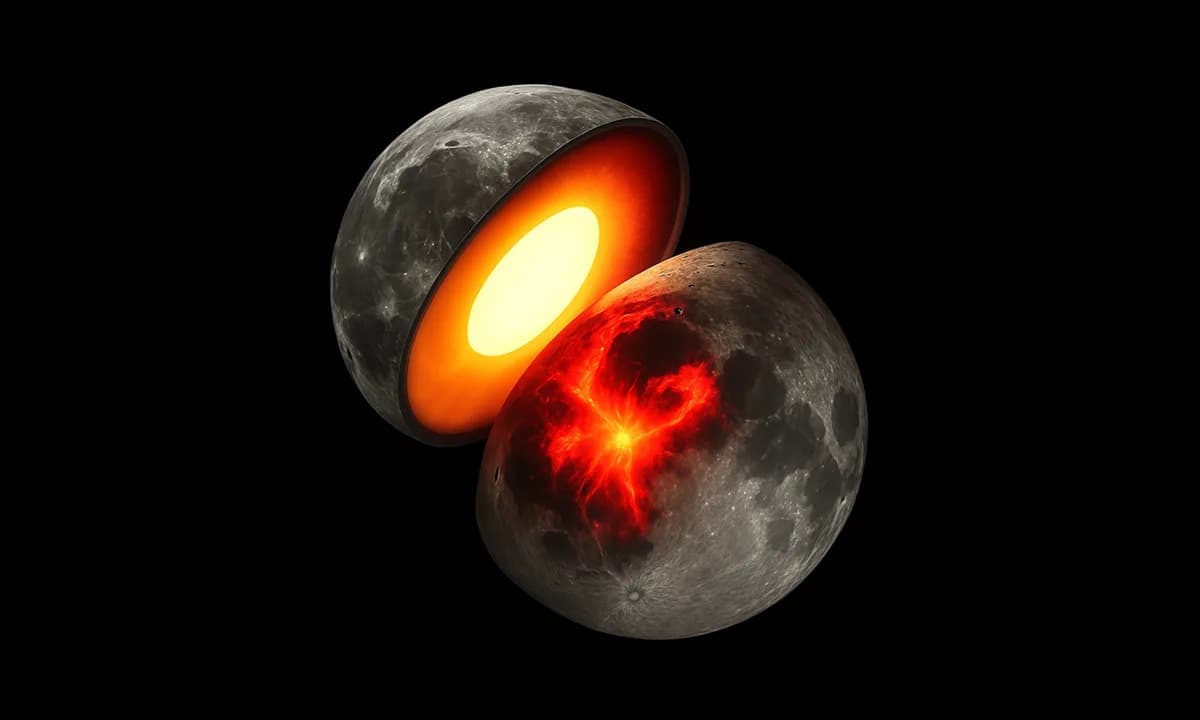
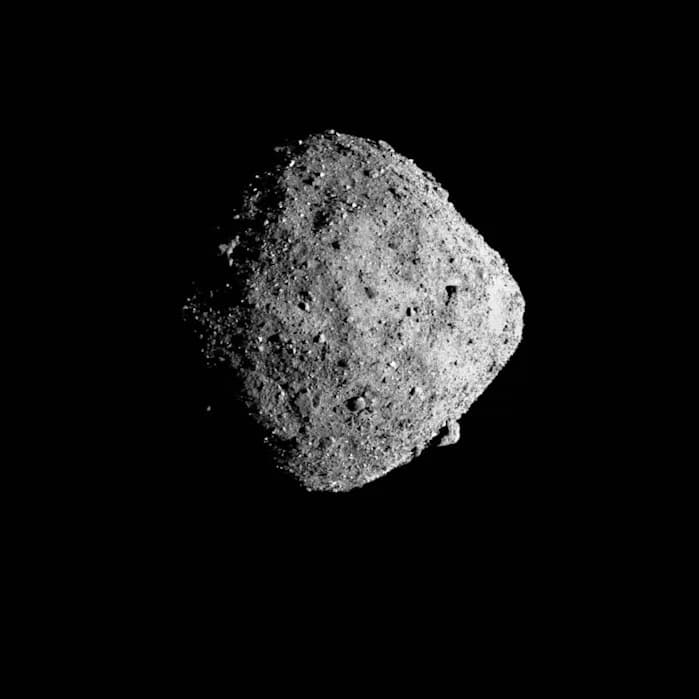
University of Rochester research (Dec 2025) suggests the solar wind has been carrying charged particles from Earth to the Moon, depositing nitrogen, carbon dioxide, helium, argon and traces of water into the lunar regolith. Their simulations indicate Earth’s magnetic field can channel these particles along field lines, meaning transfer likely continued after the magnetosphere formed ~4 billion years ago and may still be happening. If true, lunar soil could preserve a continuous record of Earth’s atmospheric history and might supply raw materials useful for future lunar habitats, though extraction methods and other major challenges remain.
Earth's Atmosphere Is Seeding the Moon — Surprise Resource for Future Lunar Habitats
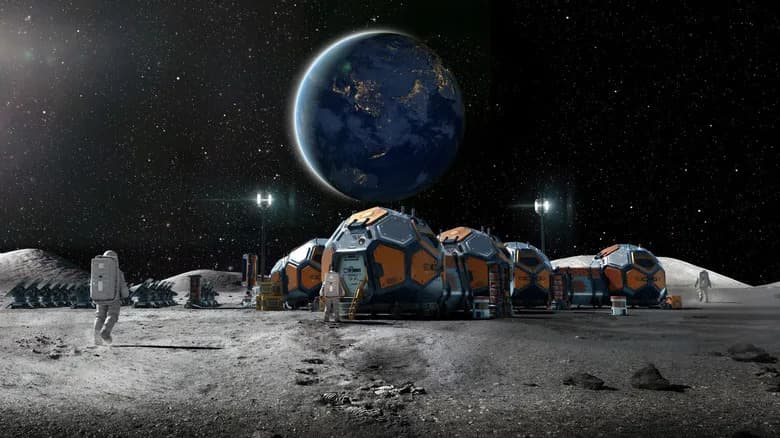
illustration of astronaut facing moon colony - Peepo/Getty Images
Settling humans on the Moon has long been a staple of science fiction, but building truly habitable outposts remains technically challenging. The Moon lacks accessible liquid water and its atmosphere is essentially a vacuum, so any long-term settlement will need reliable systems to produce breathable air.
New Evidence: Solar Wind Carries Earth’s Atmospheric Particles
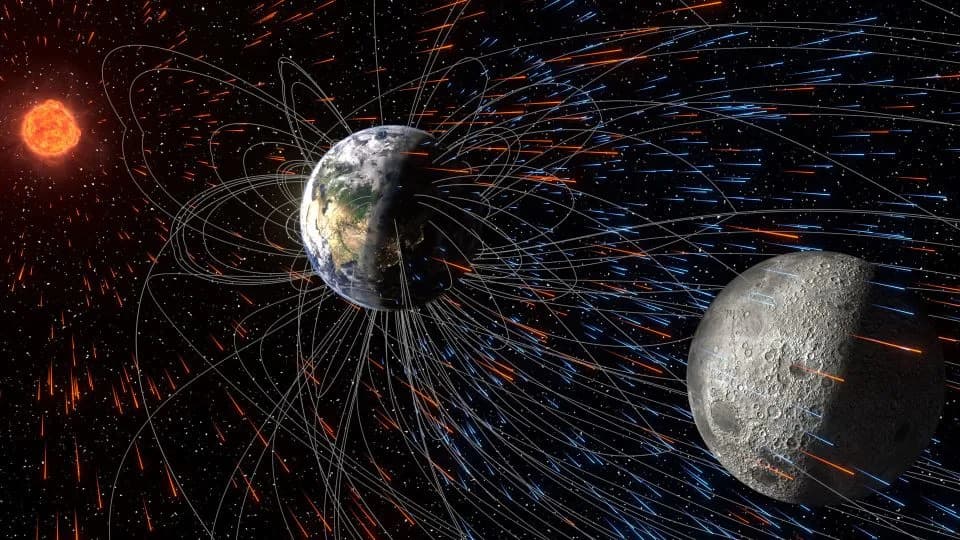
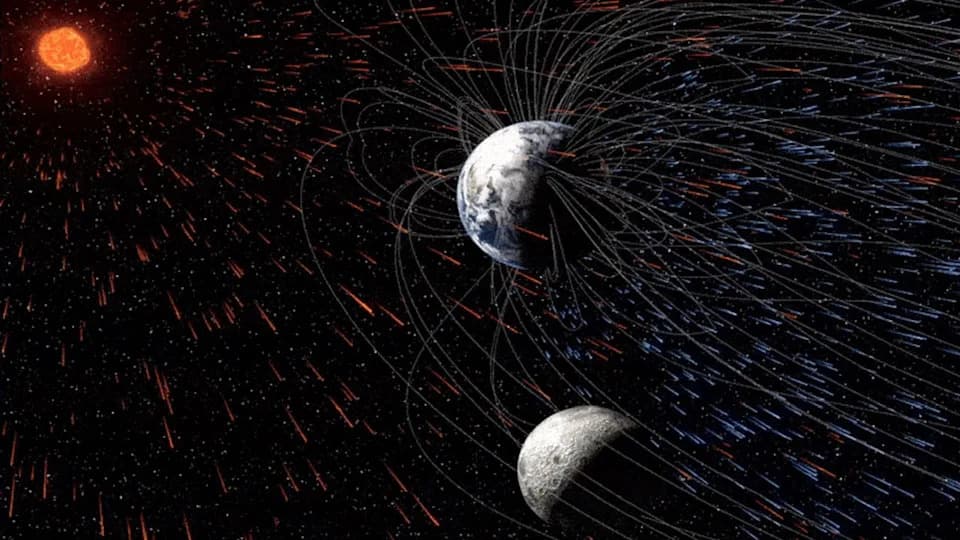
In a December 2025 paper in Communications Earth & Environment, researchers from the University of Rochester’s Department of Physics and Astronomy report that the solar wind has been transporting particles from Earth’s atmosphere to the lunar surface, where they accumulate in the regolith. The solar wind — a stream of charged particles from the Sun — travels through the solar system at roughly 1 million miles per hour, and can push atmospheric ions away from Earth toward the Moon.
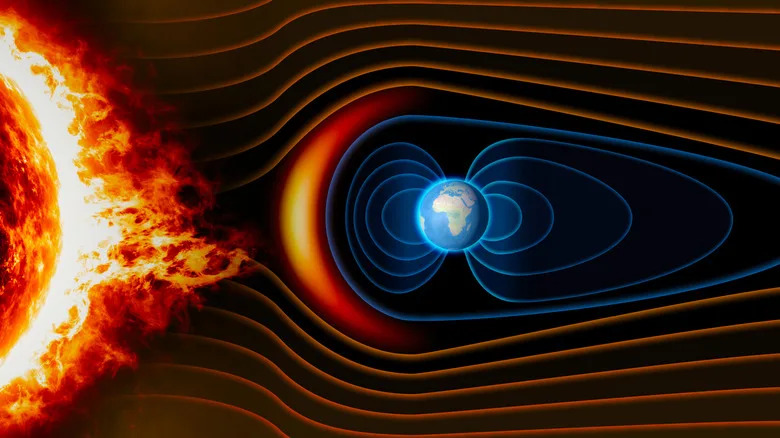
illustration of solar winds and Earth's magnetic field - Naeblys/Getty Images
What Was Found In Lunar Samples
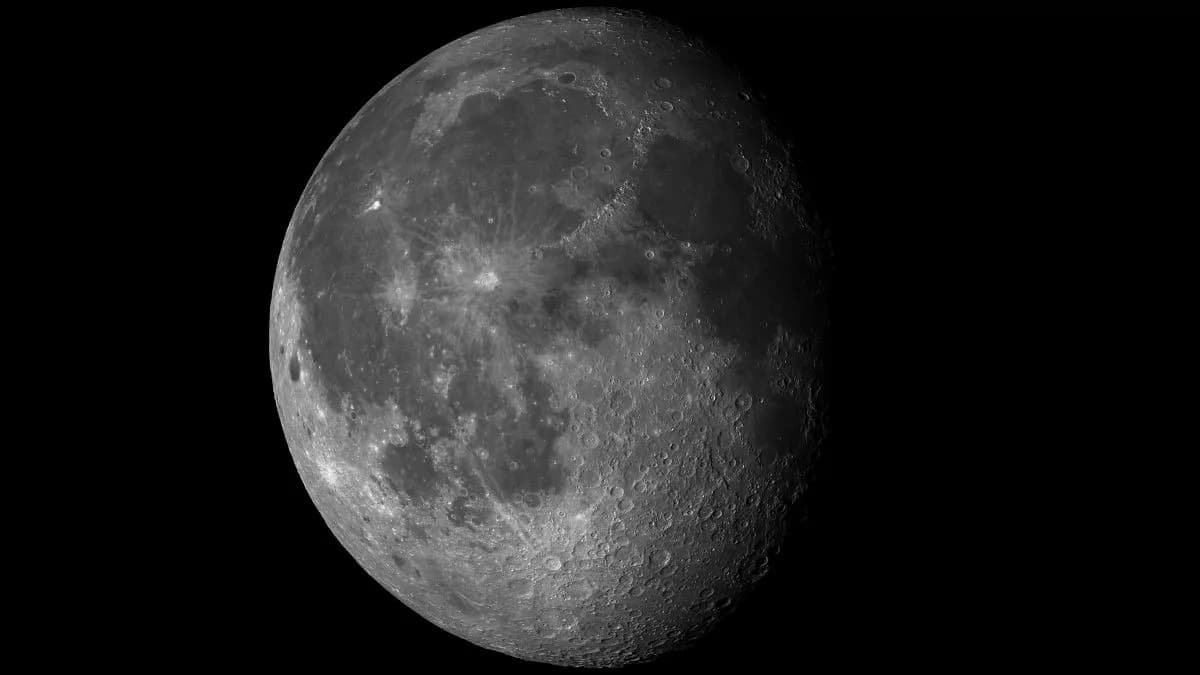
Analyses of Apollo-era lunar samples previously revealed traces of nitrogen, carbon dioxide, helium, argon and even small amounts of water in the regolith. The new study argues these are not indigenous to the Moon but were delivered from Earth by charged particles driven by the solar wind.
The Role Of Earth’s Magnetic Field
Earlier work suggested atmospheric transfer stopped after Earth’s magnetic field formed about 4 billion years ago. However, the University of Rochester team ran computer simulations with and without a magnetosphere and concluded the opposite: Earth’s magnetic field can actually channel charged particles along field lines that extend outward toward the Moon, enhancing transport rather than blocking it. According to their models, particle transfer has continued — and may even have increased — since the magnetosphere developed, and could be ongoing today.
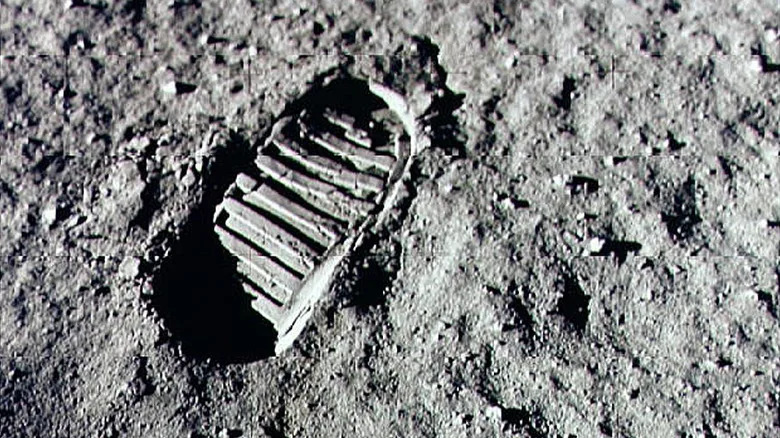
lunar footprint photo from Apollo 11 mission - Nasa/Getty Images
Implication: If the Moon has been continuously collecting particles from Earth, lunar regolith could serve as a time capsule preserving changes in Earth’s atmosphere over geologic time.
Why This Matters
There are two important consequences. First, the regolith could provide a preserved record of Earth’s atmospheric evolution, helping scientists reconstruct how the atmosphere changed as life emerged and the planet cooled. Second, the presence of atmospheric components on the Moon suggests some basic chemical building blocks for breathable air are already there, potentially reducing the volume of material humans must import to create life support systems.
Caveats And Challenges
Important caveats remain. The University of Rochester results are based on simulations and interpretations of sample chemistry; additional observations and targeted lunar measurements will be needed to confirm rates and mechanisms of transfer. Even if atmospheric particles are widespread in the regolith, practical extraction and processing methods must be developed. Lunar challenges — intense radiation, temperature extremes, micrometeorite bombardment and the energy cost of extraction — still pose major hurdles to sustained human presence.
Overall, the discovery that Earth may be naturally seeding the Moon with atmospheric material opens promising new avenues for both scientific research and long-term human presence beyond Earth. Future missions that sample regolith across different lunar environments and depths could test the "time capsule" idea and assess resource potential for habitats.
Help us improve.