The Chang'e 6 mission returned basalt from the South Pole–Aitken Basin that shows an elevated K‑41/K‑39 ratio compared with near‑side rocks. Researchers led by Heng‑Ci Tian ruled out cosmic rays, magmatic processes, and meteoritic contamination as major causes. The most likely explanation is volatile loss during the giant impact that formed the basin, which preferentially removed lighter potassium and reduced later volcanism on the far side. Results were published 12 January in PNAS.
Colossal Impact Reshaped the Moon’s Interior, Chang'e 6 Isotope Data Suggests
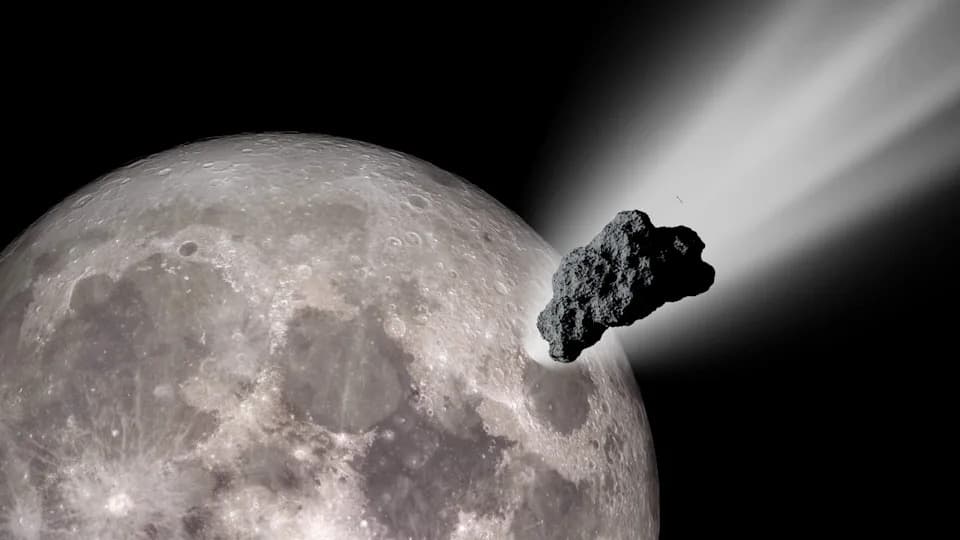
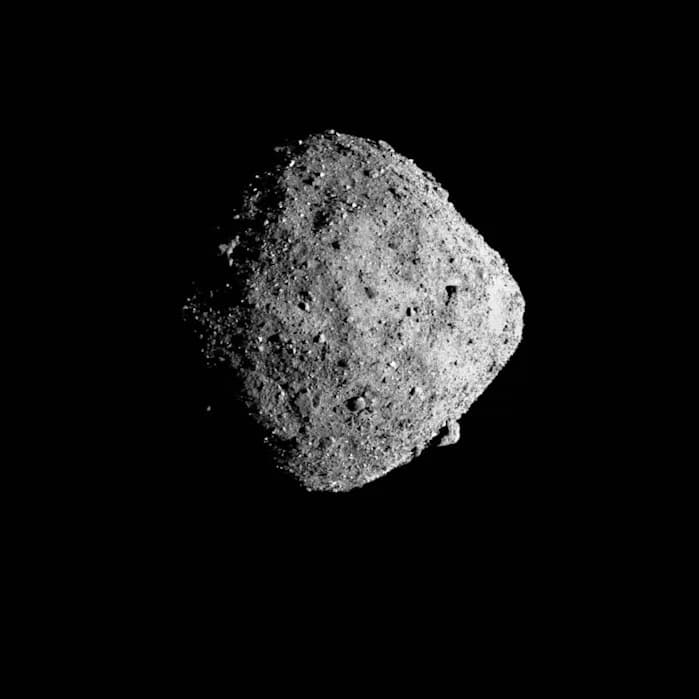
An illustration shows an asteroid heading for a lunar impact. | Credit: Robert Lea (created with Canva)
A surprising imbalance of potassium isotopes in basalt returned by China’s Chang'e 6 mission provides fresh evidence that a giant impact profoundly altered the Moon’s interior and helped produce the striking difference between its near and far sides.
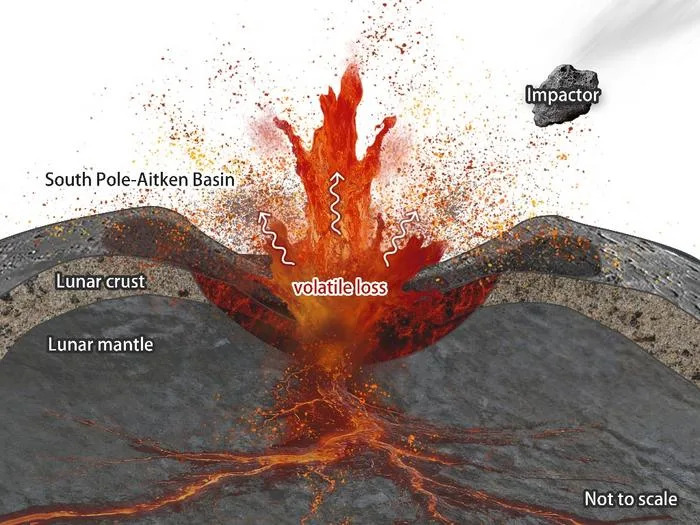
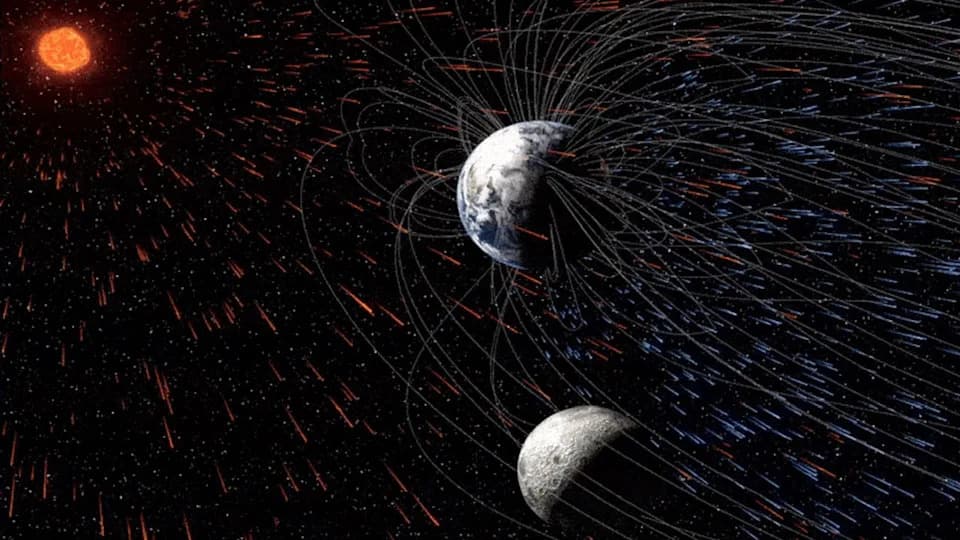
A diagram showing how the impact that carved out the South Pole–Aitken Basin led to a loss of volatiles, including potassium, affecting the whole far side of the moon. | Credit: TIAN Hengci
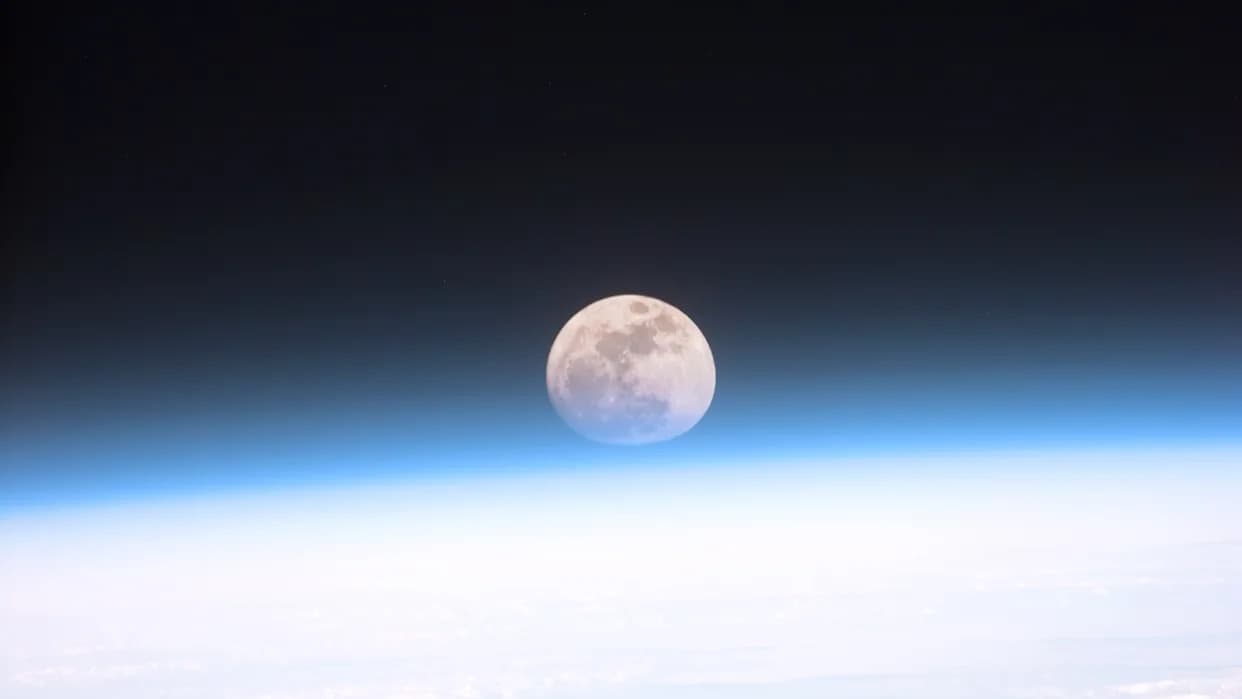
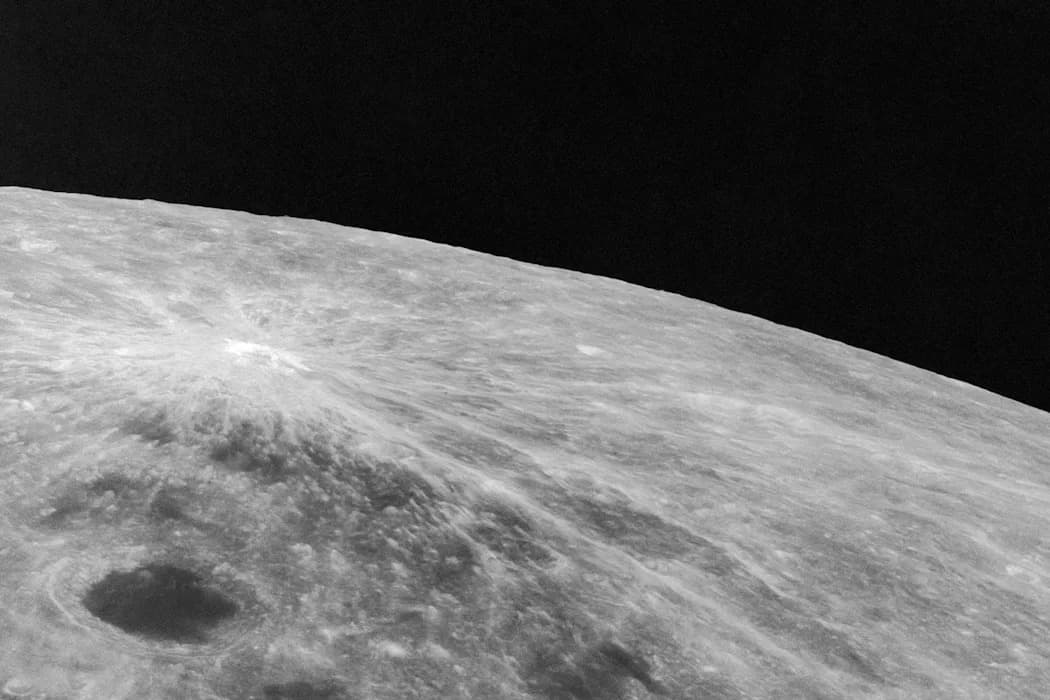
The Moon’s familiar near side displays large, dark volcanic plains called maria that form the so‑called “Man in the Moon.” In contrast, the far side — visible only to spacecraft — has far fewer maria. New geochemical data from the South Pole–Aitken (SPA) Basin, one of the largest and oldest impact basins in the solar system, help explain why.
The SPA Basin stretches roughly 1,600 miles (2,500 km) and is about 4.2–4.3 billion years old, far older than most lunar maria (around 3.6 billion years). Chang'e 6 landed on June 1, 2024 inside the 334‑mile (537 km) Apollo crater within the SPA Basin and returned rock samples to Earth 25 days later. Researchers have since analyzed those basalts to probe how the basin-forming collision changed the Moon’s crust and mantle.
Isotope Evidence
A team led by Heng‑Ci Tian (Institute of Geology and Geophysics, Chinese Academy of Sciences) found that basalts from Chang'e 6 show an elevated ratio of the heavier potassium isotope (K‑41) to the lighter isotope (K‑39) compared with near‑side Apollo samples and lunar meteorites. The K‑41/K‑39 enrichment is a distinctive chemical fingerprint that required explanation.
What They Ruled Out
The researchers tested several alternative explanations — long‑term cosmic‑ray irradiation, magmatic fractionation during melting and eruption, and contamination by meteorites — and concluded these processes could only have a minor effect on the observed ratio. That left the basin‑forming impact as the most plausible cause.
Giant Impact and Volatile Loss
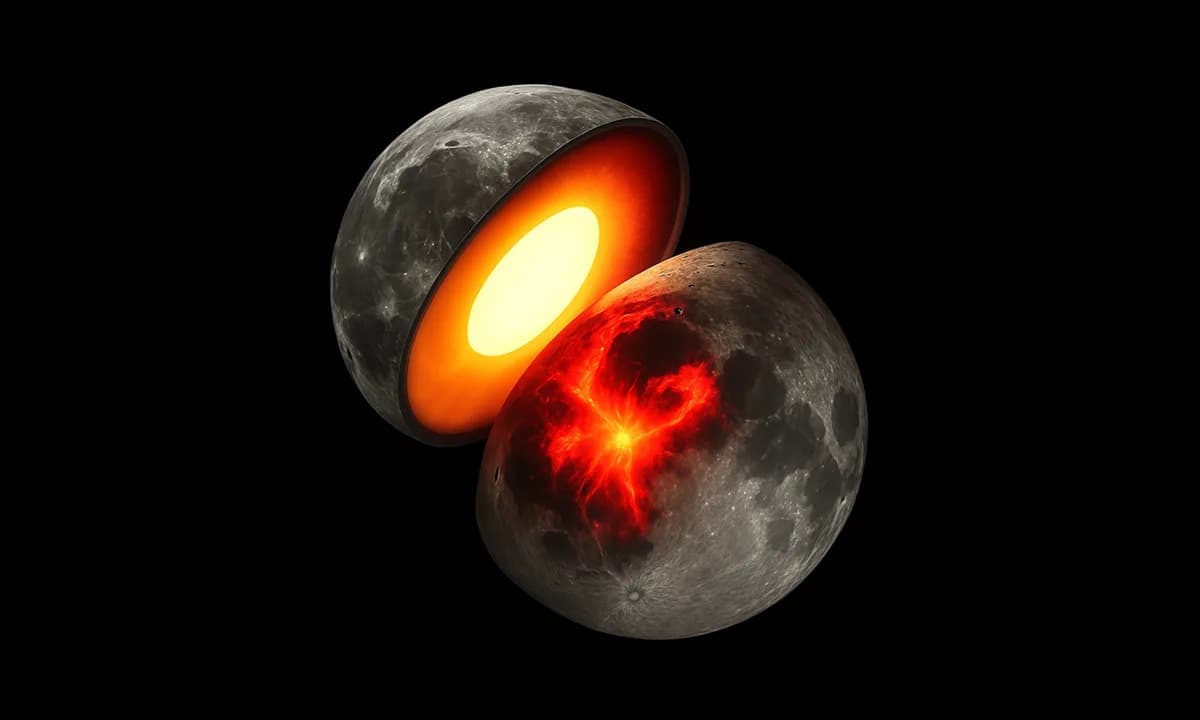
The immense heat and pressure generated by the SPA impact would have driven off volatile elements (those with low boiling points), including potassium and water, from the crust and upper mantle. Because lighter isotopes evaporate more easily than heavier ones, preferential loss of K‑39 would increase the K‑41/K‑39 ratio in the remaining rock. This interpretation aligns with earlier Chang'e 6 results showing the far‑side mantle is drier than the near side.
Broader Implications
Isotopic evidence that the basin‑forming impact stripped volatiles from the Moon explains not only chemical differences between hemispheres but also geological ones: volatile depletion would suppress magma production and long‑term volcanism, helping to account for the scarcity of maria on the lunar far side. The team published their results on 12 January in the Proceedings of the National Academy of Sciences (PNAS).
Bottom line: Chang'e 6 basalt chemistry reveals that an ancient, massive impact likely evaporated lighter volatile elements and left the far side of the Moon depleted and less volcanic than the near side.
Help us improve.