A triangular fragment of dense elephant cortical bone recovered at Boxgrove, England, has been identified as a soft-hammer retoucher dating to about 500,000 years ago. High-resolution scans reveal microscopic flint embedded in its impact scars, proving repeated use to resharpen flint handaxes. Researchers say the find — published in Science Advances — indicates planning, material knowledge, and advanced knapping techniques by hominins such as Homo heidelbergensis and early Neanderthals.
500,000-Year-Old Elephant-Bone Hammer From Boxgrove Reveals Advanced Early Human Tool Skills
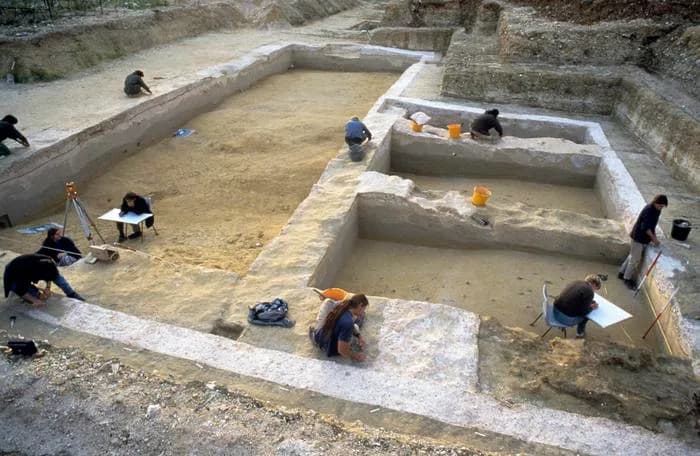
The Boxgrove archaeological site from the 1990s when the elephant bone tool was excavated. Credit: Boxgrove Project, UCL
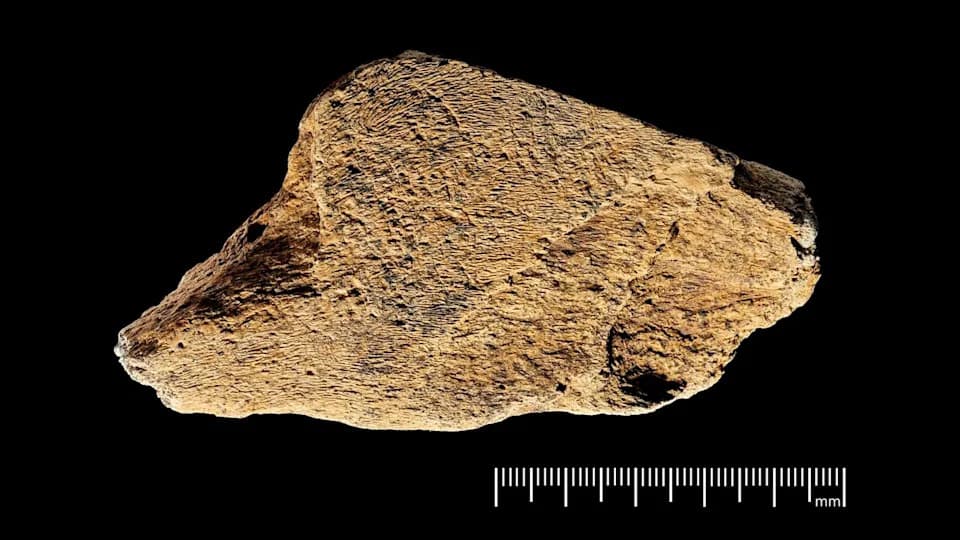
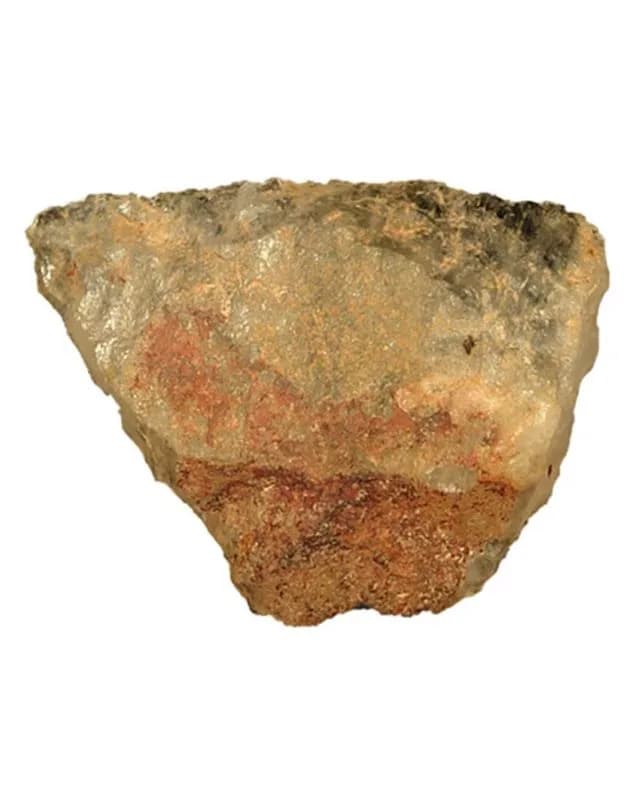
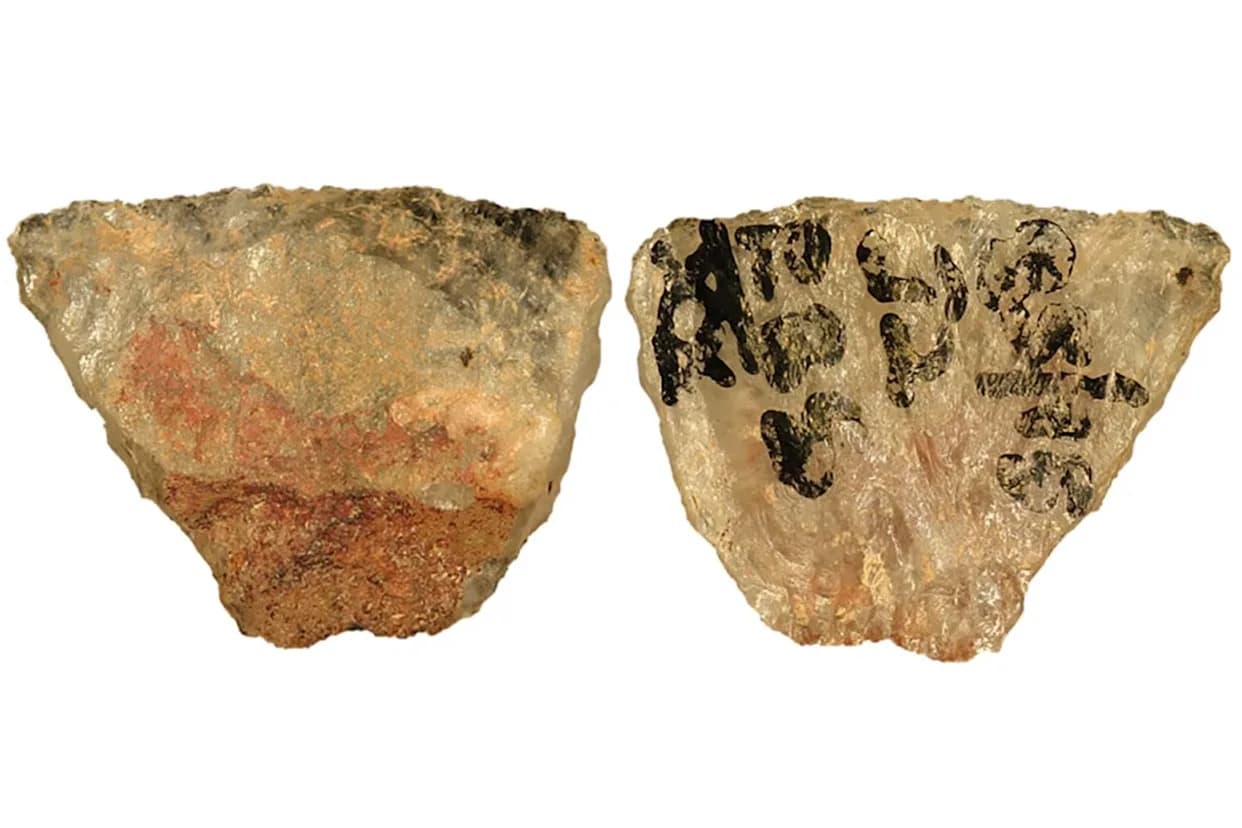
Archaeologists have identified a roughly 500,000-year-old elephant-bone soft-hammer retoucher from the famous Boxgrove site in England. The specimen — a triangular fragment of dense cortical bone — was first excavated in the 1990s but has only now been recognised as a specialised tool used repeatedly to resharpen flint handaxes.
Measurements and identification
The artifact measures approximately 11 cm × 6 cm × 3 cm and shows deliberate modification and impact marks consistent with use as a retoucher. High-resolution scans found microscopic flint fragments embedded in its impact scars, direct evidence that it was repeatedly used to sharpen stone edges. The bone’s extreme density indicates it came from a mammoth or elephant, though the fragment is too small to determine the exact species or skeletal element.
What it reveals about early hominins
Researchers from University College London and the Natural History Museum argue the tool provides new insight into the cognitive and technological abilities of hominins such as Homo heidelbergensis and early Neanderthals. Choosing elephant cortical bone — rare in prehistoric England — for a durable soft hammer implies foresight, selectivity, and an understanding of material properties.
“This remarkable discovery showcases the ingenuity and resourcefulness of our ancient ancestors,” said Simon Parfitt, lead author. “Collecting and shaping an elephant bone fragment and then using it repeatedly to sharpen stone tools demonstrates complex thinking and technical knowledge.”
Technique and technological context
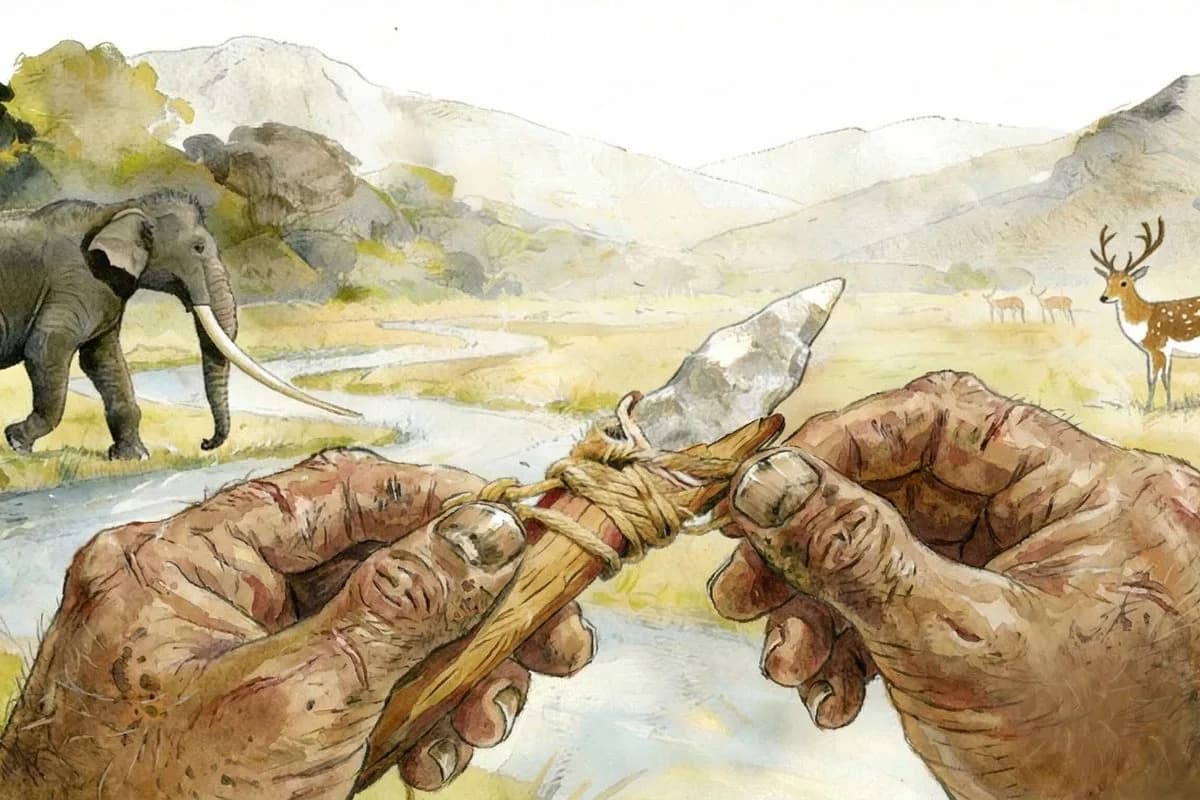
The retoucher would have been used in knapping: controlled strikes that remove tiny flakes from a flint edge to restore a sharp cutting surface. Elephant cortical bone is particularly resilient to repeated impacts, making it a superior choice compared with thinner, more brittle bones from smaller animals.
While similar bone-tool traditions are documented in Africa as early as 1.5 million years ago, bone retouchers are exceptionally rare in Europe and typically appear in later or warmer regions. This specimen is the first elephant-bone tool identified among Boxgrove’s extensive assemblage of flint and antler implements.
Publication
The research was published in the journal Science Advances on January 21.
Help us improve.