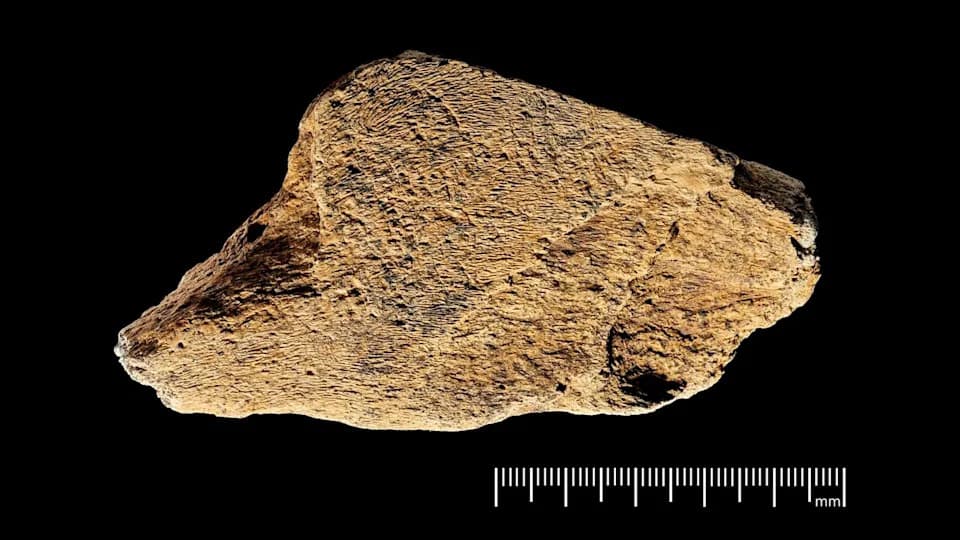
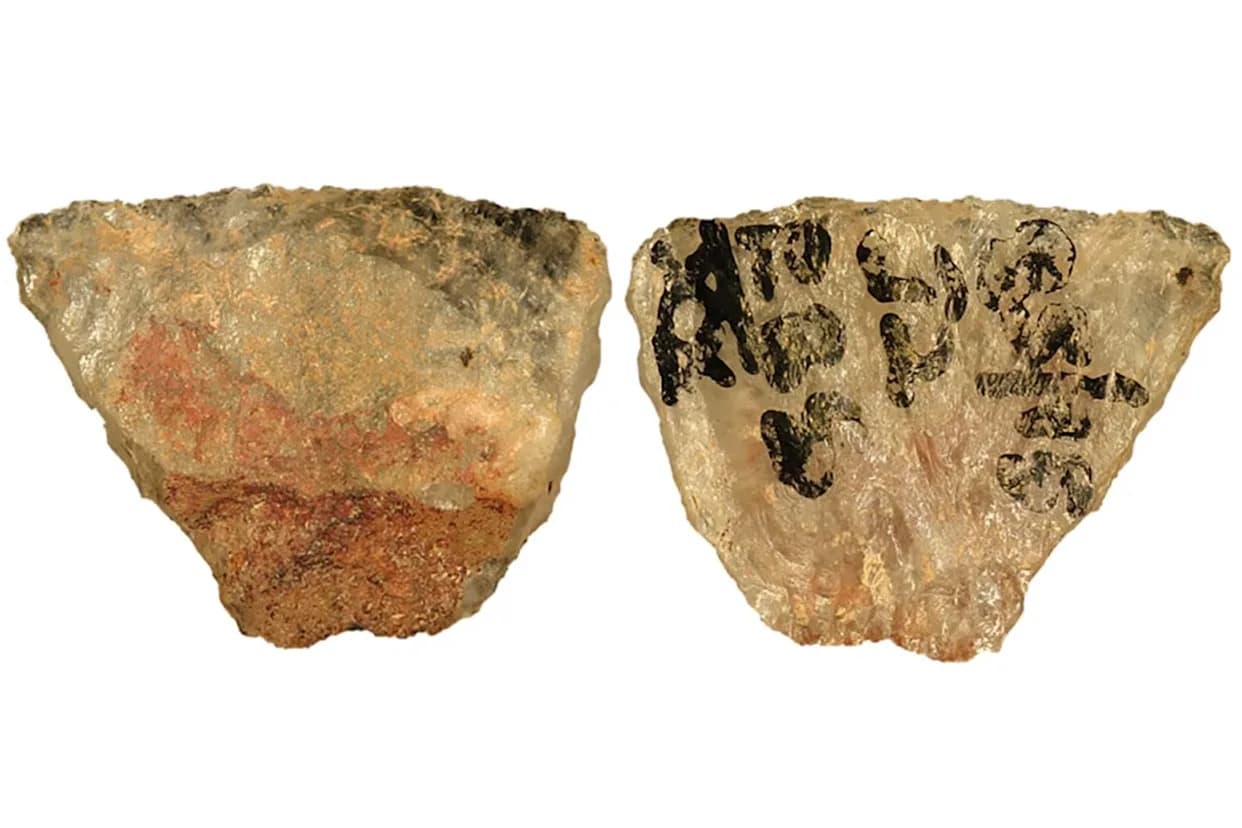
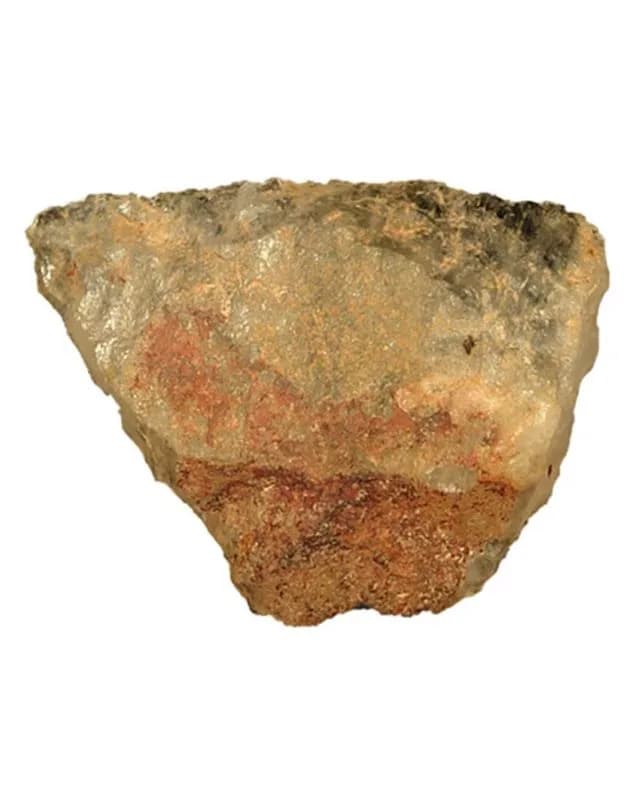
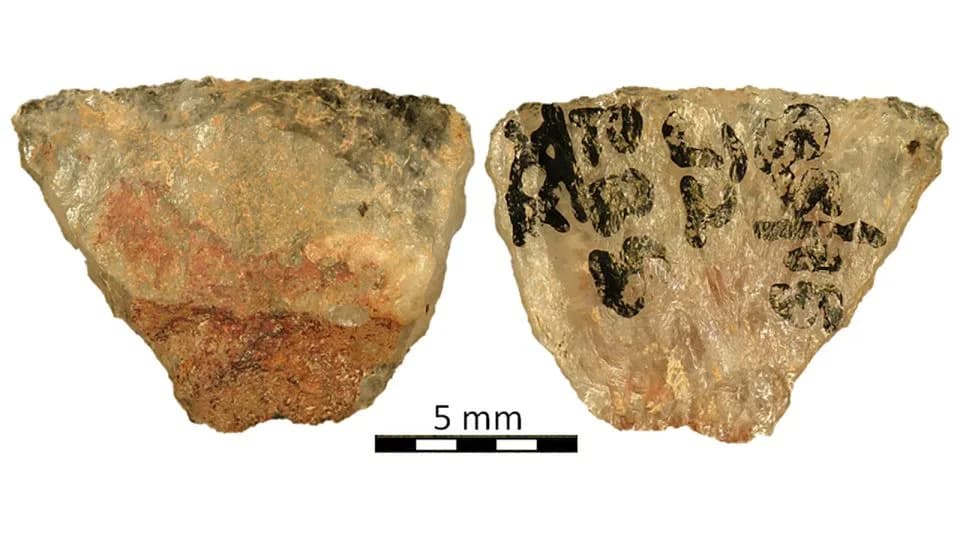
A triangular fragment of elephant bone discovered at Boxgrove in southern England has been identified as a retoucher — a tool used to resharpen and shape stone hand axes — dating to about 480,000 years ago. The artifact, roughly 10.9 by 5.8 cm (4.3 by 2.3 inches), is the oldest known elephant-bone implement recovered in Europe, according to a study published Jan. 21 in Science Advances.
Discovery and Context
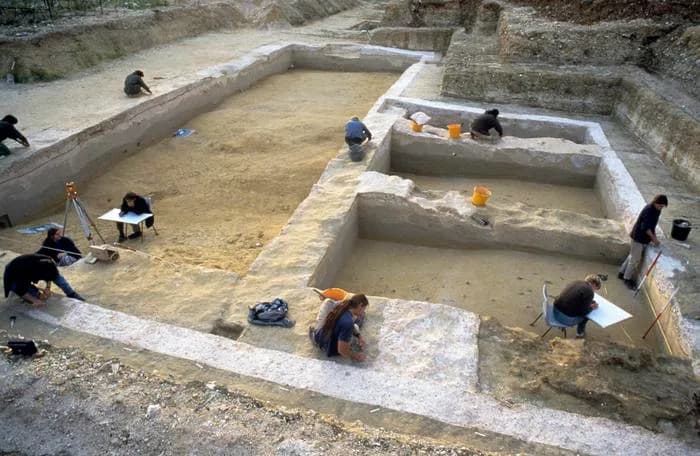
The bone was originally excavated in the early 1990s at Boxgrove, an internationally important Paleolithic site that has produced finely crafted stone tools, animal bones with cut marks, and some of the oldest human remains found in Britain. At the time of excavation the fragment's significance was not recognized; a recent reanalysis by Silvia Bello (Natural History Museum, London) and Simon Parfitt (UCL Institute of Archaeology) has now identified deliberate shaping and use-wear consistent with a knapping implement.
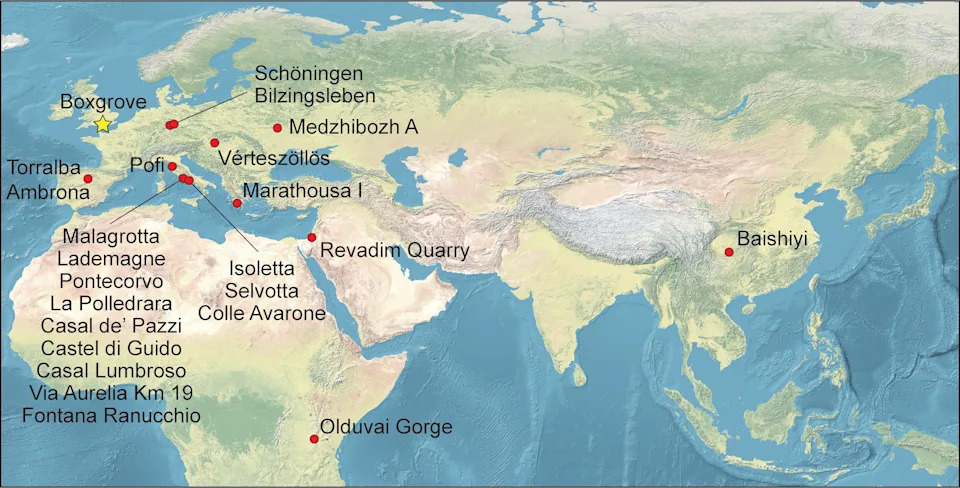
A map showing Stone Age sites with known elephant-bone tools. | Credit: Parfitt et al., Sci. Adv. 12, eady1390
What the Object Reveals
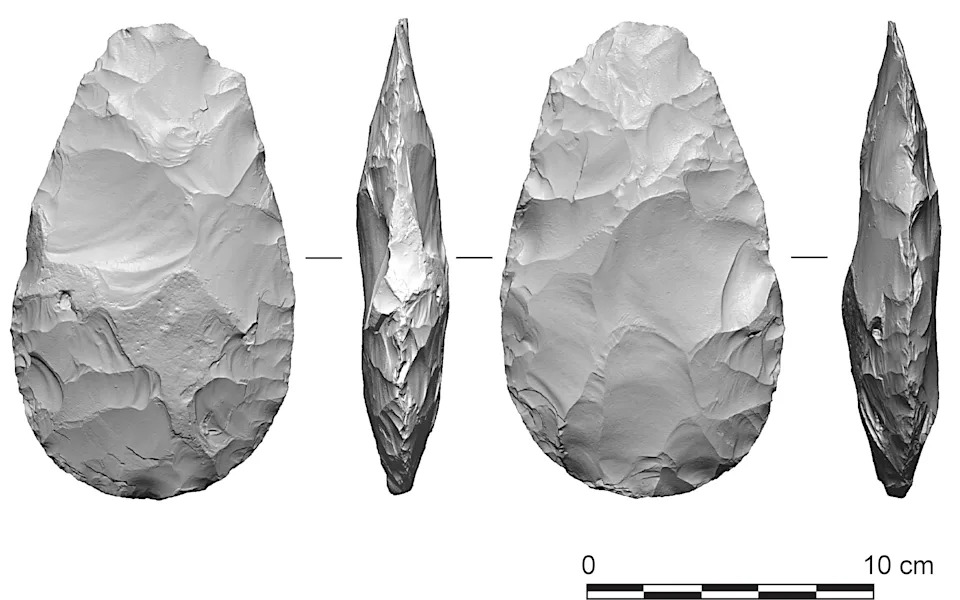
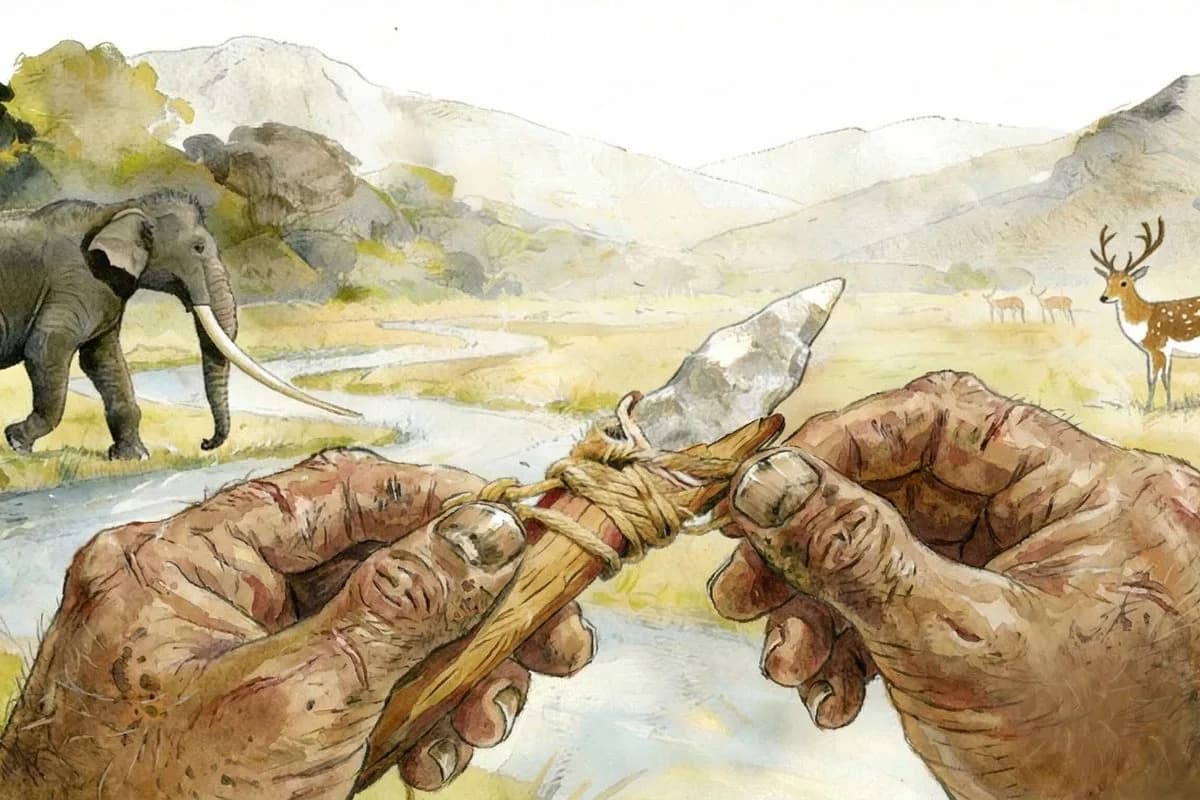
Microscopic and wear analyses show that the bone was shaped and used while still fresh, indicating that its makers understood and intentionally exploited the mechanical properties of elephant bone for tool maintenance. Retouchers are organic tools used to strike or refine the edges of lithic implements; this elephant-bone piece would have been used to resharpen the "finely worked" hand axes characteristic of the Boxgrove assemblage.
"The tool provides an extraordinary glimpse into the ingenuity of the early human ancestors who made it," said Silvia Bello. Co-author Simon Parfitt added that the find demonstrates both detailed knowledge of local materials and sophisticated toolmaking techniques.
Who Made It—and Why It Matters
Because of the artifact's age and its findspot, the likely makers are either early Neanderthals or Homo heidelbergensis, though the study does not assign it definitively to either group. Organic knapping implements such as bone, antler and wood were important in Paleolithic toolkits but seldom survive in the record; an elephant-bone retoucher of this antiquity is exceptionally rare worldwide and unique for Europe.
Four views of a hand ax from the Boxgrove, U.K. | Credit: Parfitt et al., Sci. Adv. 12, eady1390
Prehistoric elephant remains are themselves scarce at Boxgrove, so the use of this material suggests opportunistic behaviour and a clear appreciation of its value. The discovery highlights the technological flexibility and resourcefulness of archaic human relatives as they adapted to northern environments nearly half a million years ago.
Study Reference: Bello, S. & Parfitt, S., published Jan. 21 in Science Advances.