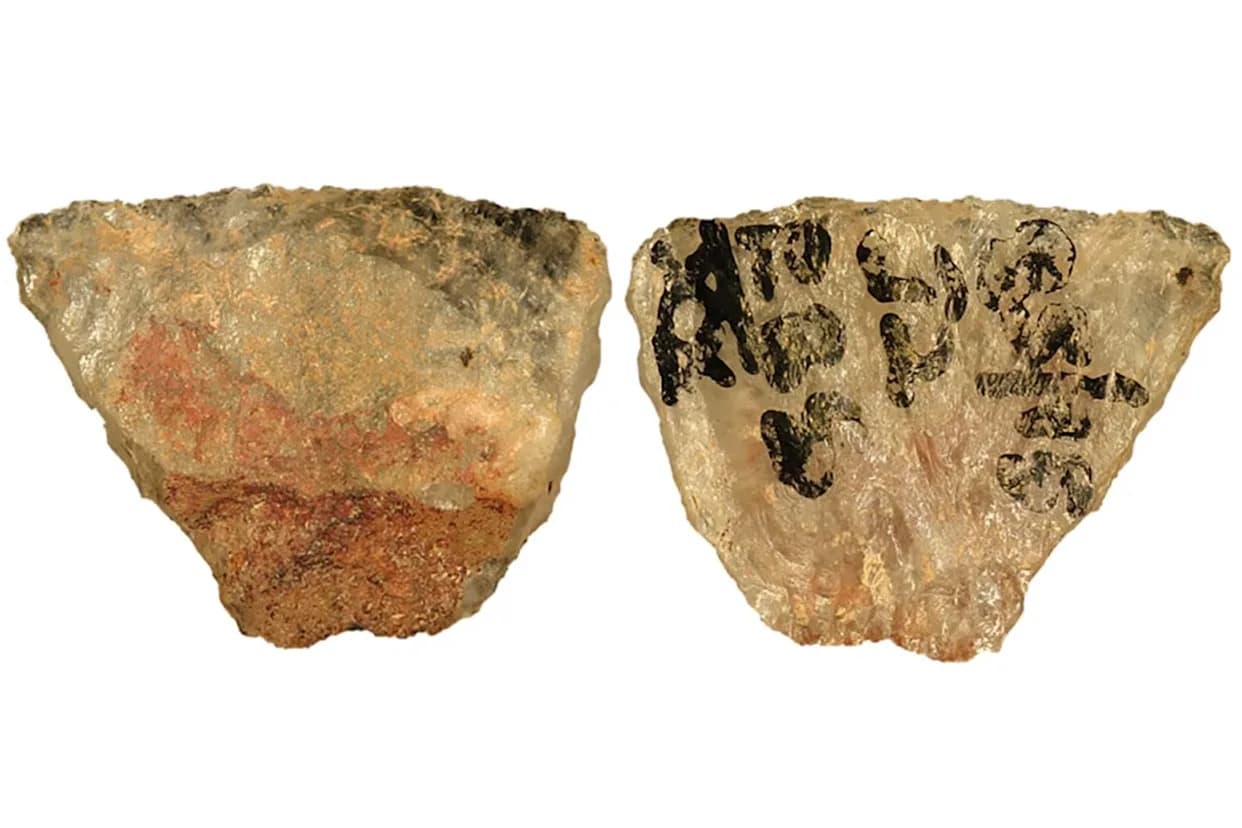
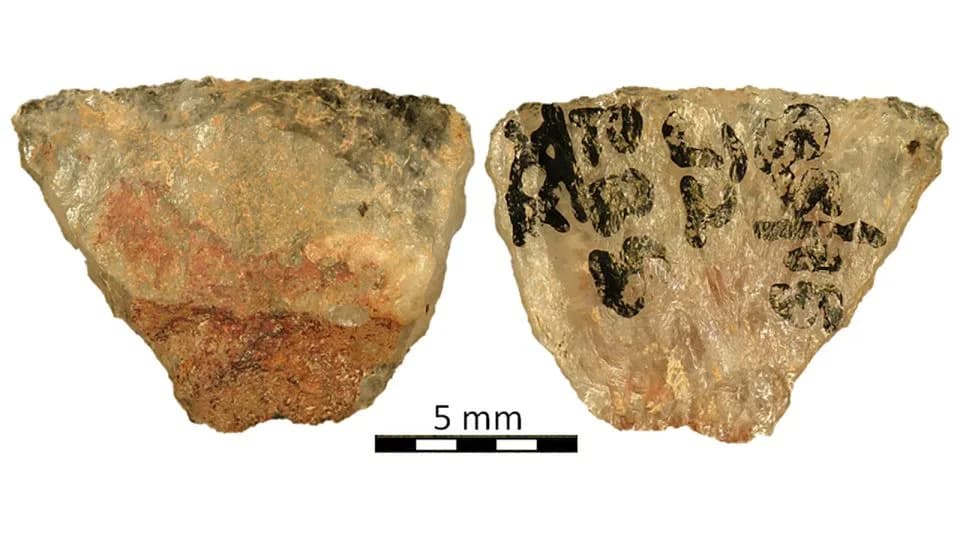
Archaeologists have uncovered two wooden implements from Greece's Megalopolis Basin that are likely about 430,000 years old. One is an 80 cm shaft possibly used for digging; the other is a small willow or poplar piece that may have been used to shape stone tools. Preserved by rapid burial in wet sediments, the artifacts broaden our picture of early human technology despite the absence of human remains at the site.
430,000‑Year‑Old Wooden Tools Recovered From Greek Lakeshore — Oldest Yet Found
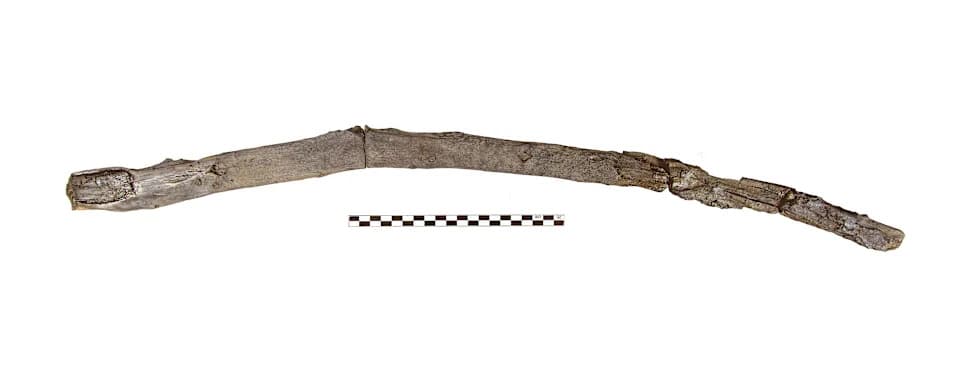
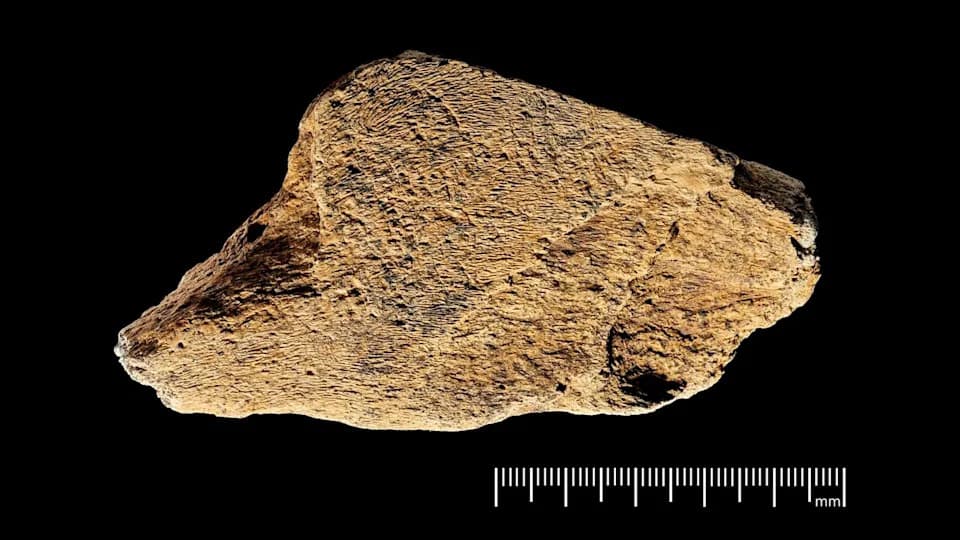
This undated image provided by Katerina Harvati shows a 430,000 year old wooden tool from Greece that was possibly used for digging. (Katerina Harvati, Dimitris Michailidis via AP)(ASSOCIATED PRESS)
Researchers have recovered two wooden artifacts from a lakeshore in Greece that represent the oldest wooden tools identified so far, with the archaeological context placing them at roughly 430,000 years old.
The Finds
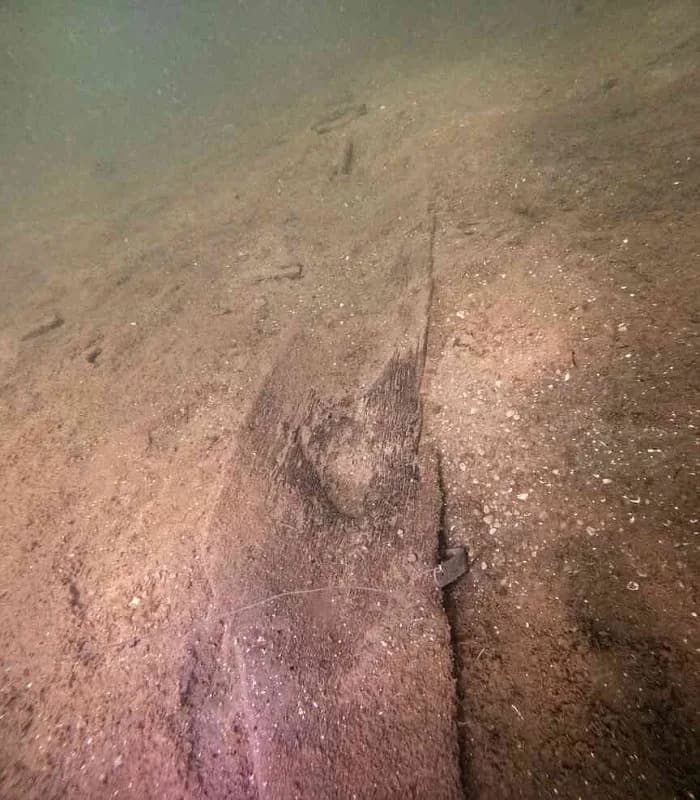
One artifact is a thin, spindly shaft about 2 1/2 feet (80 cm) long that researchers suggest may have been used for digging in muddy ground. The second is a smaller, handheld piece carved from willow or poplar that could have been used to shape or abrade stone tools.
Why These Finds Matter
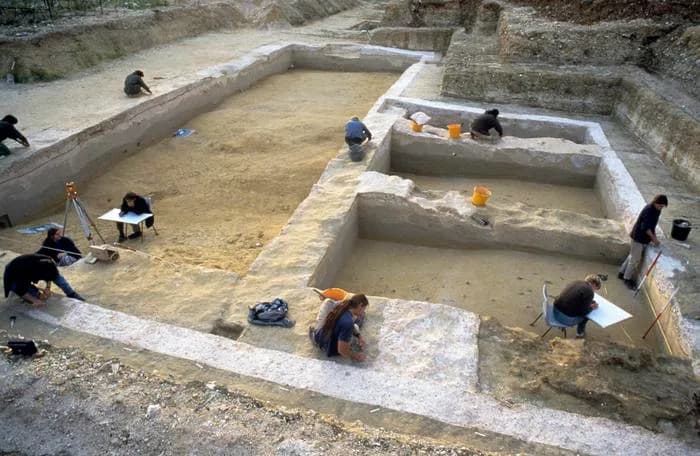
Wood rarely survives in the archaeological record because it decays quickly. Preservation typically requires exceptional conditions such as freezing, caves, or prolonged waterlogging. The two implements were recovered from Greece's Megalopolis Basin, where rapid burial by sediment and consistently wet conditions appear to have conserved the wood over hundreds of thousands of years.
Dating and Context
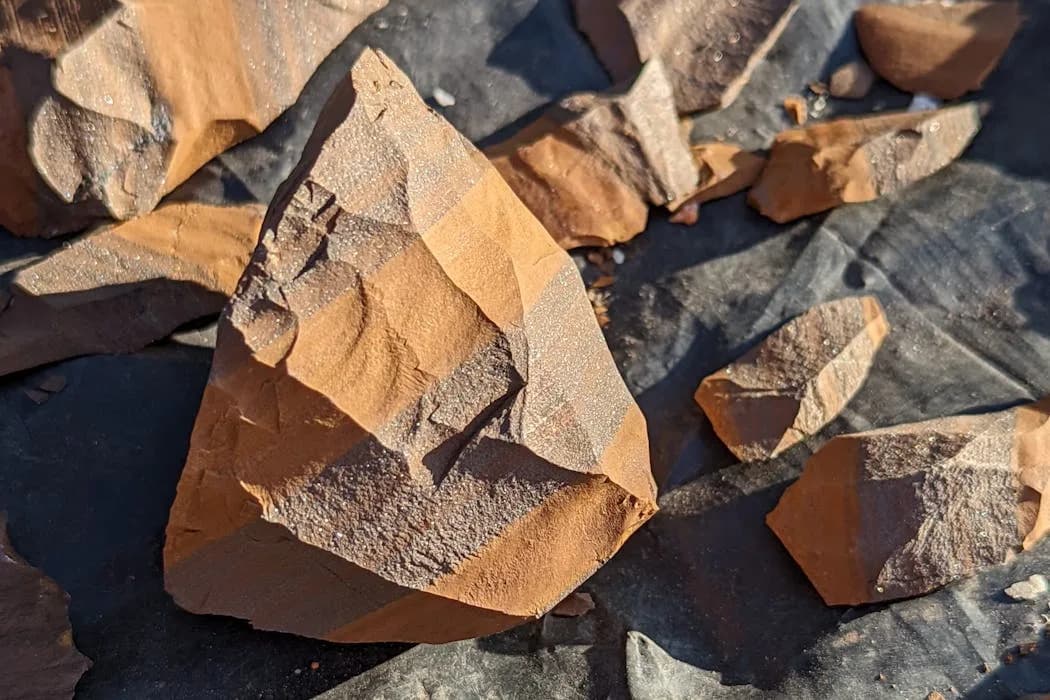
The wooden implements themselves were not directly radiometrically dated. Instead, researchers rely on the well-studied archaeological layer that produced them, which is dated to about 430,000 years ago. The same site has previously yielded stone tools and elephant bones bearing cut marks, strengthening the case for sustained hominin activity in the area.
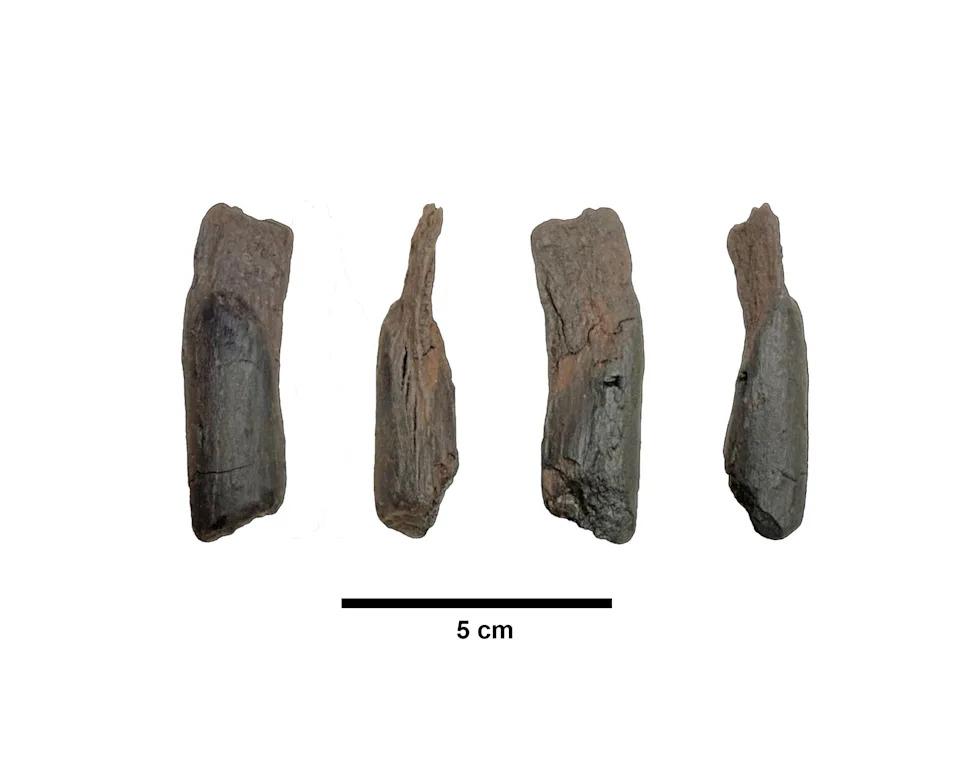
This undated image provided by Katerina Harvati shows various angles of a 430,000 year old wooden tool from Greece. (Katerina Harvati, Nicholas Thompson via AP)(ASSOCIATED PRESS)
Who Made the Tools?
No human skeletal remains have yet been found at the Megalopolis site, so the identity of the toolmakers remains uncertain. The implements could have been used by Neanderthals, an earlier Homo lineage, or another archaic human population.
“I’ve always just been thrilled to be able to touch these objects,” said study author Annemieke Milks of the University of Reading.
Jarod Hutson of the Smithsonian National Museum of Natural History, who was not involved in the study, noted that the site likely contains more discoveries but cautioned that the modest appearance of these objects makes definite interpretation difficult: “They don’t strike you immediately as wooden tools. And we don’t know what they were used for.”
Broader Significance
The discovery, published in the Proceedings of the National Academy of Sciences (PNAS), provides a rare glimpse into the organic component of early human technology. Other ancient wooden tools — such as spears from Germany and 300,000-year-old digging sticks from China — show that wood played an important role in prehistoric toolkits but is rarely preserved in the archaeological record.
While questions remain about precise function and makers, these two finds expand our understanding of the diversity of materials and technologies used by early humans and underscore the importance of waterlogged sites for preserving organic artifacts.
Help us improve.