Quartz arrowpoints from Umhlatuzana Rock Shelter in KwaZulu‑Natal bear chemical residues of Boophone disticha toxin and date to about 60,000 years ago, making them the oldest known poisoned projectiles. The poison would have debilitated prey over hours rather than causing immediate death, indicating hunters anticipated delayed effects. Researchers say the find implies advanced cause‑and‑effect reasoning, detailed ecological knowledge and sophisticated hunting strategies among Pleistocene humans.
60,000-Year-Old Poisoned Arrowheads Found in South Africa Suggest Advanced Pleistocene Cognition
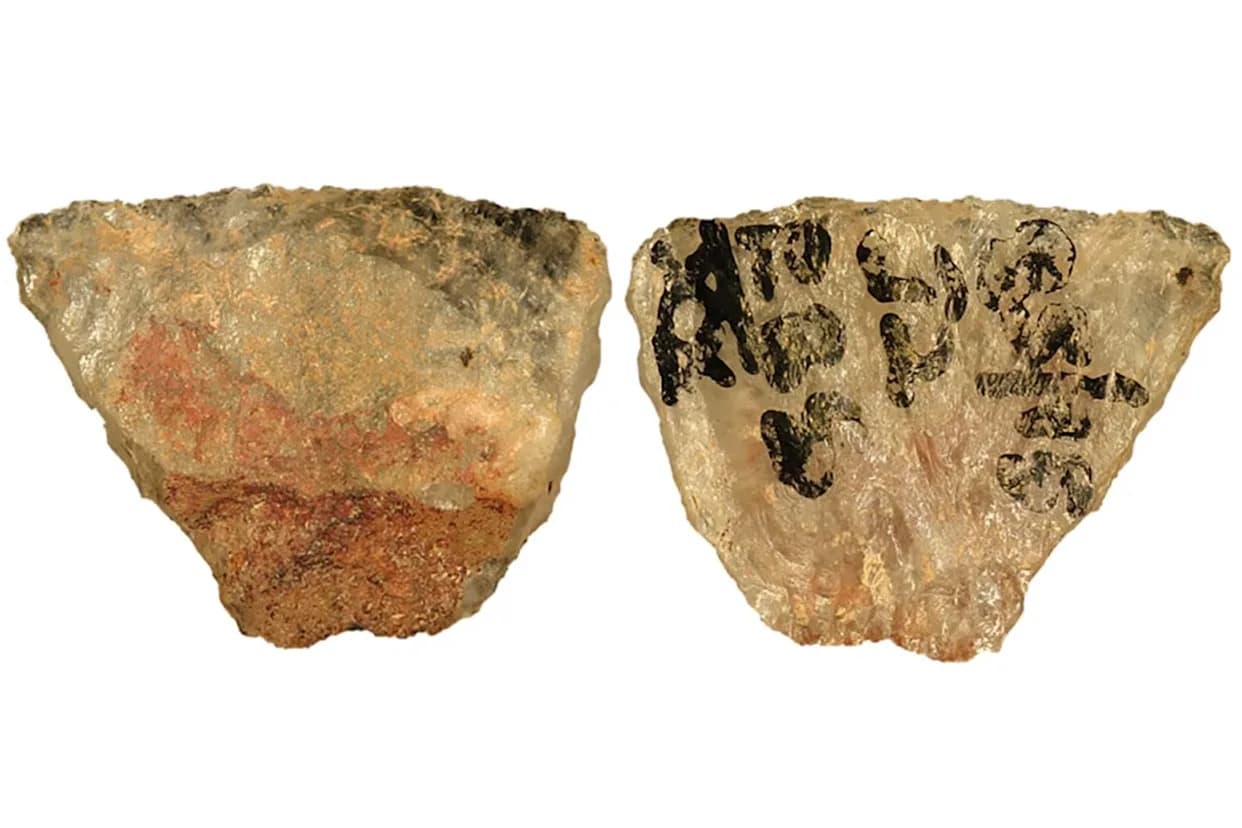
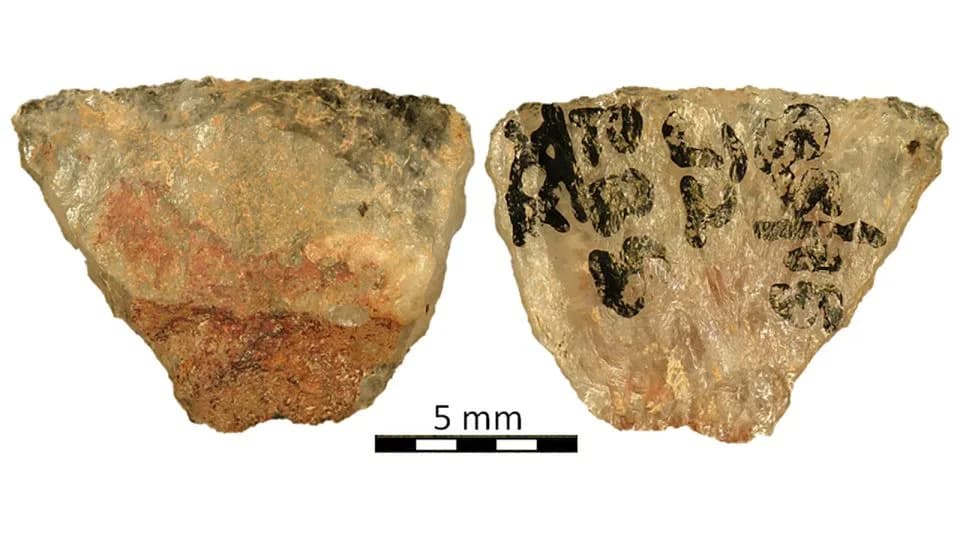
Marlize Lombard/University of JohannesburgPoisonous arrowheads discovered in South Africa
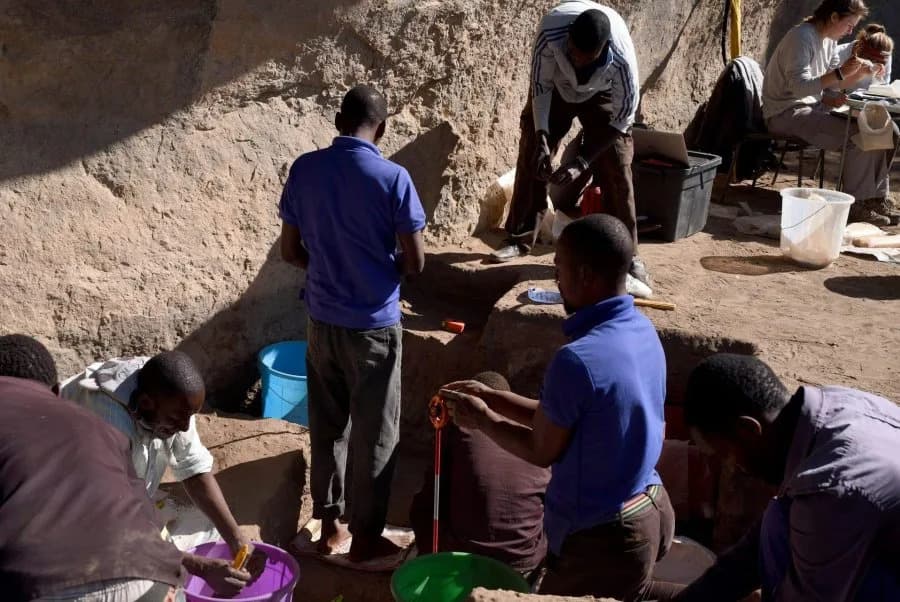
Researchers have identified residues of plant toxin on small quartz points from the Umhlatuzana Rock Shelter in KwaZulu‑Natal, South Africa, dating to roughly 60,000 years ago. The discovery — published in Science Advances by a team from Sweden and South Africa — represents the earliest known use of poisoned projectile weapons and sheds new light on the technological and cognitive capabilities of Pleistocene hunters.
What Was Found
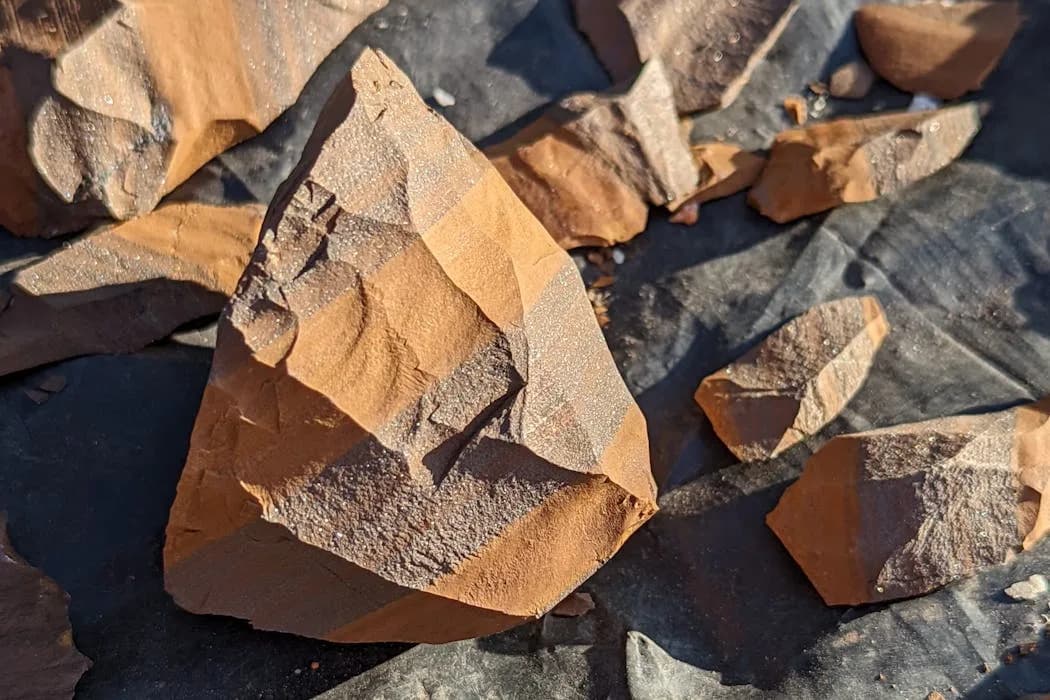
Archaeologists recovered small, expertly worked quartz points that chemical analyses show carried residues from the bulb of the native flowering plant Boophone disticha. Unlike instant‑kill toxins, the compound would have debilitated animals over time, slowing them and making them easier to track and capture.
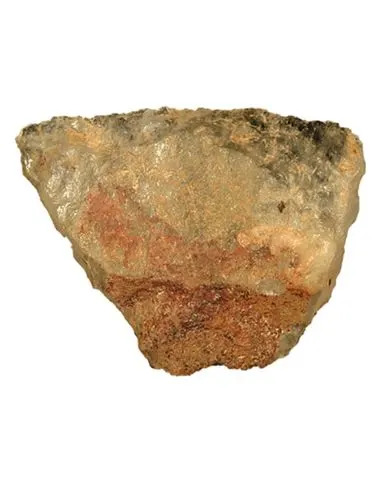
Marlize Lombard/University of JohannesburgQuartz arrowhead discovered in South Africa
Why It Matters
The use of a delayed‑acting poison implies an understanding of cause and effect and the ability to anticipate outcomes hours after an action — cognitive skills associated with planning and complex cultural knowledge. Lead author Sven Isaksson of Stockholm University emphasizes that recognizing and applying a substance that weakens prey hours later reflects advanced reasoning and well‑developed hunting strategies.
Methods And Context
The team used chemical residue analysis to identify compounds matching those in historically documented arrow poisons, demonstrating the compounds' long‑term stability in buried contexts. Prior to this find, the earliest conclusive examples of poisoned arrows dated to the mid‑Holocene (about 4,000–8,000 years ago) in Egypt and later South African contexts; these new specimens push that antiquity back by many tens of thousands of years.
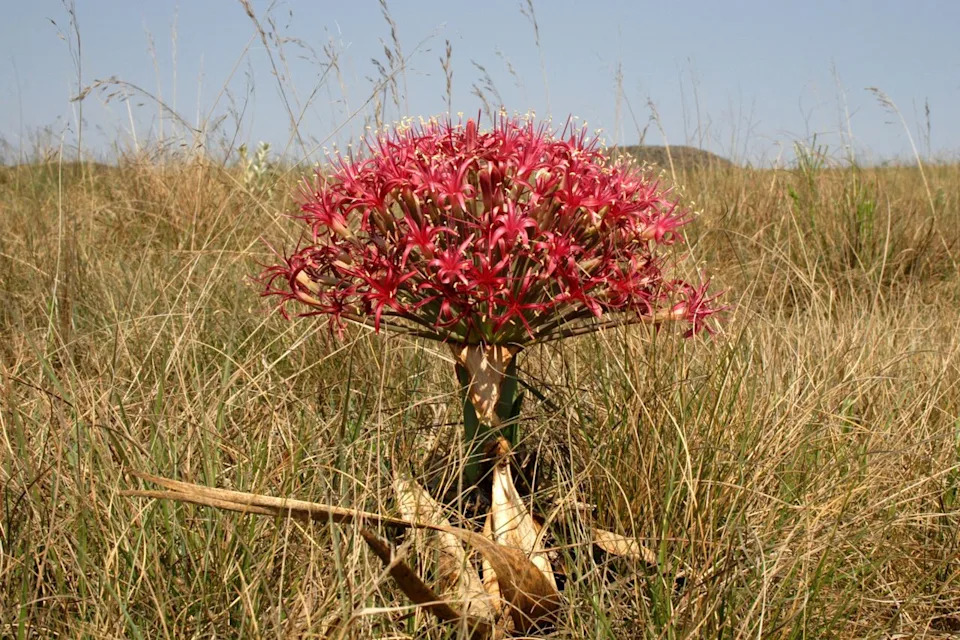
Philip Perry/Flpa/imageBROKER/ShutterstockFlowering Boophone disticha plant
Sven Isaksson: "Understanding that a substance applied to an arrow will weaken an animal hours later requires cause‑and‑effect thinking and the ability to anticipate delayed results."
Implications
Taken together, the artefacts and residue analyses point to sophisticated technological behavior, deep ecological knowledge (including safe handling of toxic plants), and complex social and hunting practices among humans in southern Africa during the Pleistocene.
Publication: Science Advances. Site: Umhlatuzana Rock Shelter, KwaZulu‑Natal. Toxin: Boophone disticha bulb compounds.
Help us improve.