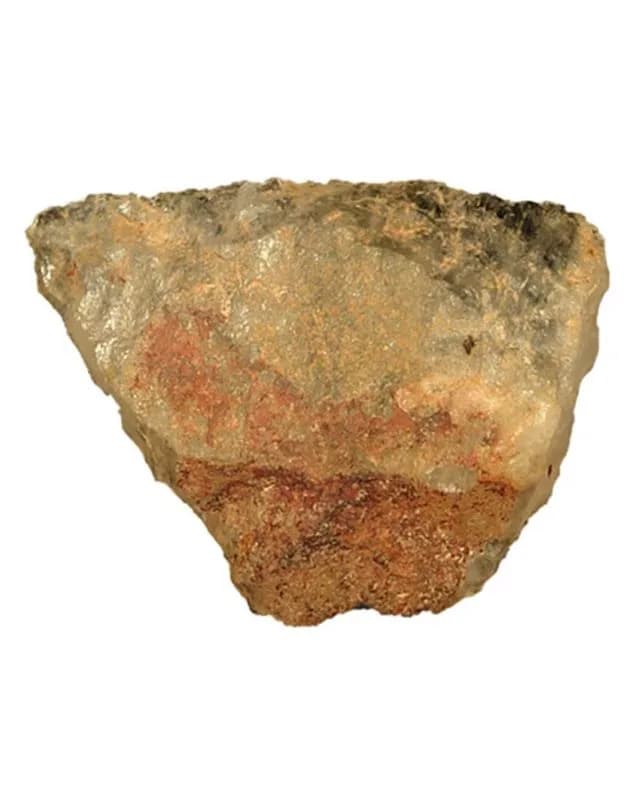
A small triangular fossil bone from the Boxgrove site in southern England—measuring 4.3 by 2.4 inches—has been identified as a hammer-like knapping tool used to retouch flint. 3‑D scanning and electron microscopy revealed notches, pits and embedded flint flakes consistent with repeated percussive use. The fragment likely came from a large elephant relative (either Palaeoloxodon antiquus or Mammuthus trogontherii) and was probably used by an early Neanderthal or Homo heidelbergensis. The find highlights early humans’ sophisticated material knowledge and the reuse of animal remains in toolmaking.
Boxgrove Fossil Shows Early Humans Used Elephant Bone as a Hammer to Sharpen Flint
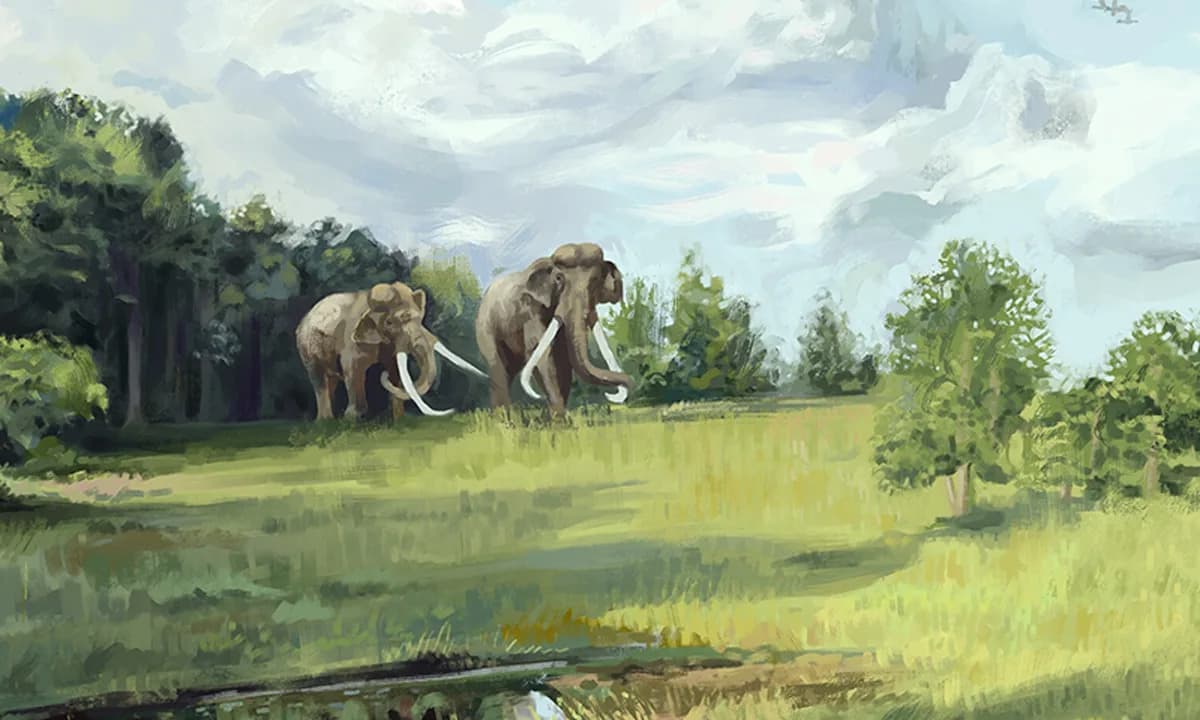
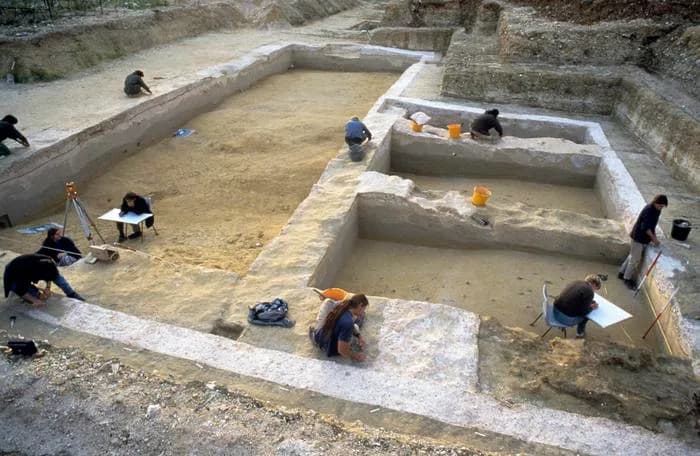
Lead image: Brennan Stokkermans / Wikipedia(Nautilus)
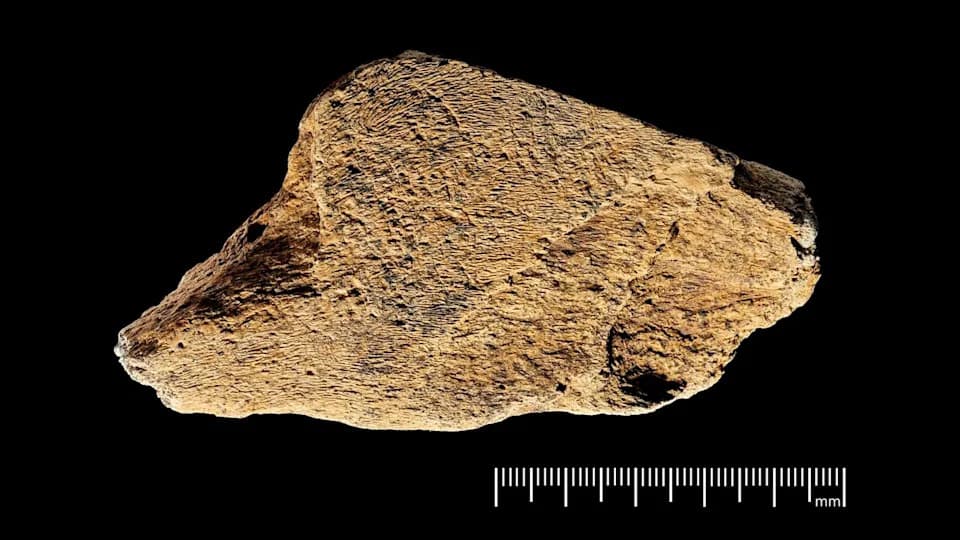
A small, triangular fragment of fossilized elephant bone recovered from the Boxgrove site in southern England has been identified as a hammer-like tool used to retouch and sharpen flint implements. Measuring 4.3 inches by 2.4 inches (about 11 × 6 cm) and unusually dense and thick for bone, the object was excavated in the 1990s but only recently recognized as a worked tool thanks to advances in imaging technology.
Modern Imaging Reveals Ancient Use
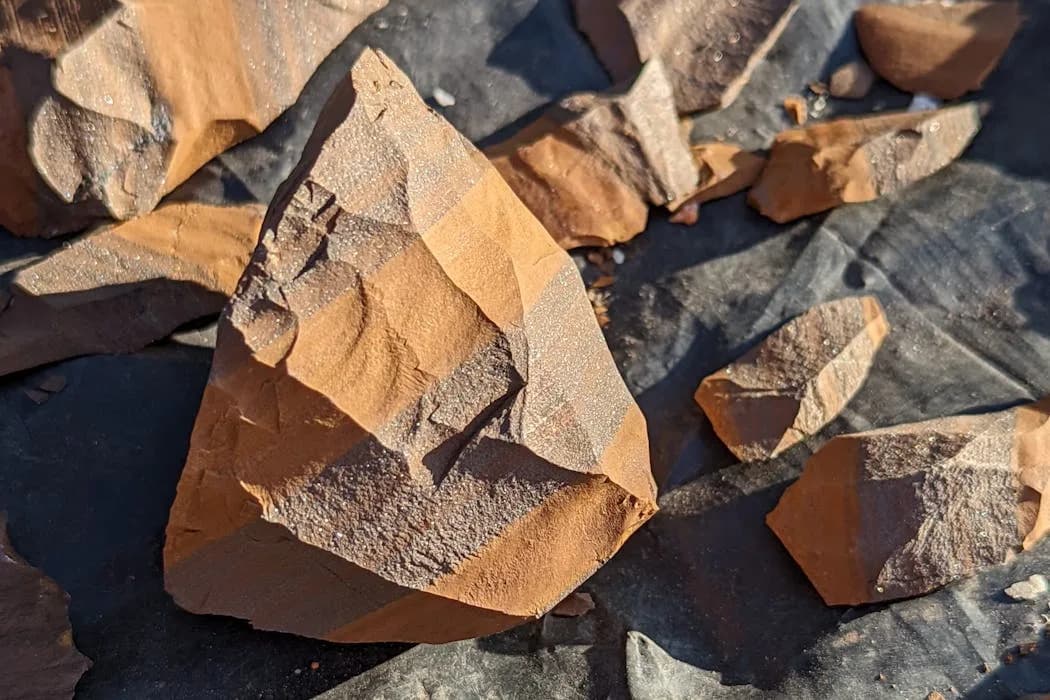
Researchers applied high-resolution 3‑D scanning and scanning electron microscopy to examine the fragment’s surface. The analyses revealed a distinctive pattern of notches, pits and impact marks, and several embedded flint micro‑flakes. These features, together with the battered texture of the surface, indicate repeated use as a "knapper"—a softer bone used to strike and remove tiny flakes from harder flint edges to refine cutting tools.
"Collecting and shaping an elephant bone fragment and then using it on multiple occasions to shape and sharpen stone tools shows an advanced level of complex thinking and abstract thought," said co‑author and anthropologist Silvia Belloi in a statement.
Context and Significance
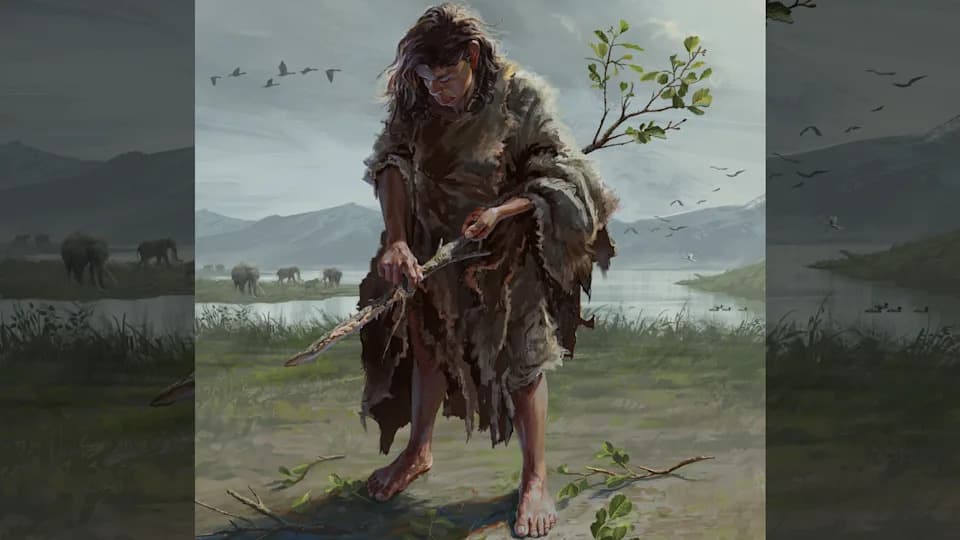
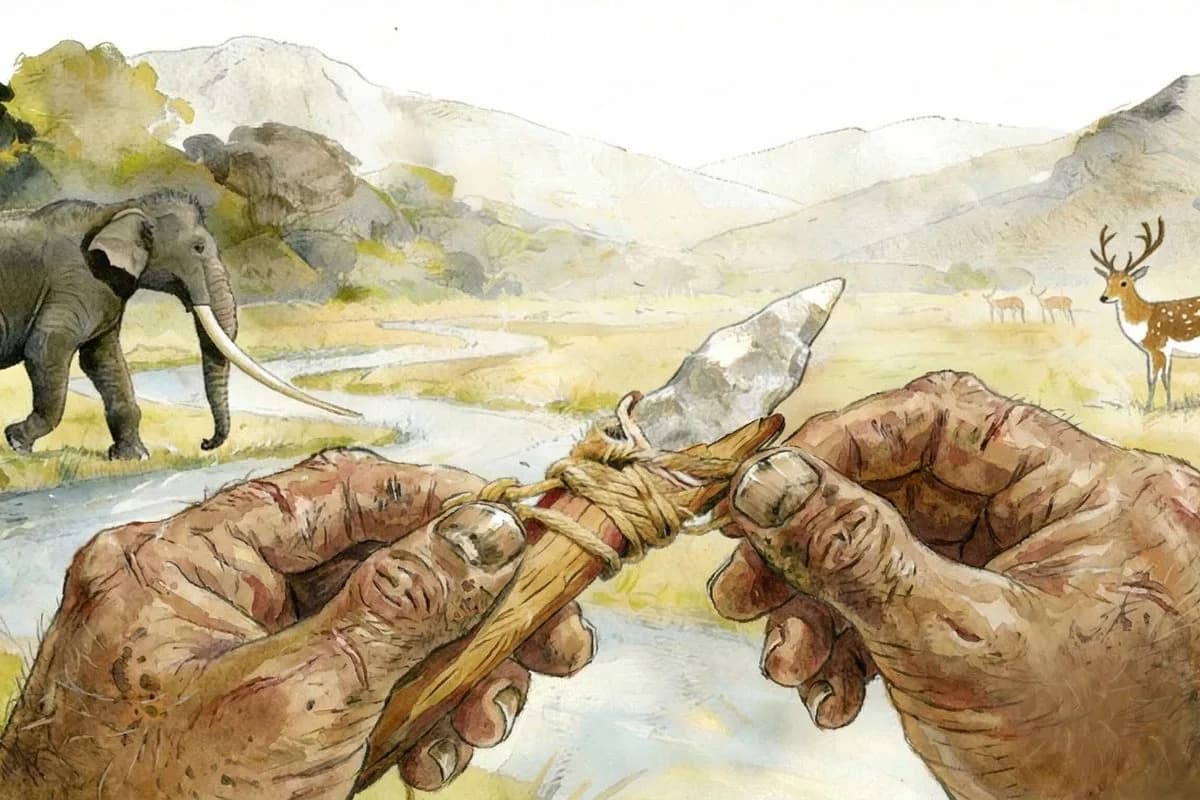
It is unclear whether the bone came from an animal hunted by the toolmaker or scavenged from a carcass. The study notes two of the largest elephant relatives present in Europe during the Middle Pleistocene: the Eurasian straight‑tusked elephant (Palaeoloxodon antiquus) and the steppe mammoth (Mammuthus trogontherii). Both species could reach heights approaching 4 meters (around 13 feet). The bone fragment shows slight deformation consistent with use while relatively fresh, supporting the interpretation that it was used as a percussive tool.
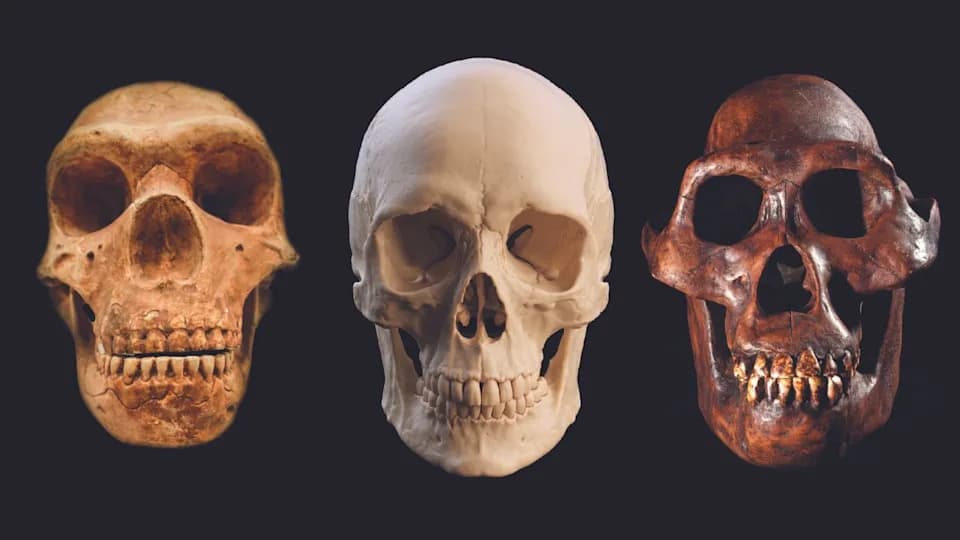
Both species were uncommon in prehistoric southern England, making this bone-tool find rare at Boxgrove. The carcass that supplied the fragment could also have provided other valuable resources—teeth and tusks, hide, fat and meat—which early humans frequently exploited. Based on the age and stratigraphic context of Boxgrove, the researchers propose that the toolmaker was likely an early Neanderthal (Homo neanderthalensis) or Homo heidelbergensis.
"This remarkable discovery showcases the ingenuity and resourcefulness of our ancient ancestors," said lead author Simon Parfitt. "They possessed a sophisticated understanding of local materials and effective techniques for producing refined stone tools."
Although small, this bone fragment expands our picture of how Pleistocene humans combined organic and lithic materials when crafting tools and demonstrates that large mammal remains were repurposed in technologically meaningful ways.
Help us improve.