New fossils from the Koobi Fora Formation in northern Kenya—dated to about 2.02–2.06 million years—represent a partial Homo habilis skeleton (KNM-ER 64061) that may be the oldest and most complete specimen assigned to the Homo genus. The material includes shoulder and arm bones, lower-back fragments, and a full set of teeth, and suggests an individual about 5'3" (≈160 cm) and 69–72 lb (≈31–33 kg). Anatomy shows a mosaic of primitive and Homo-like traits; some features hint at climbing ability, but researchers caution they may be ancestral remnants rather than proof of arboreal behavior.
2.02–2.06 Million-Year-Old Homo habilis Skeleton May Be Oldest Known Member Of Our Genus
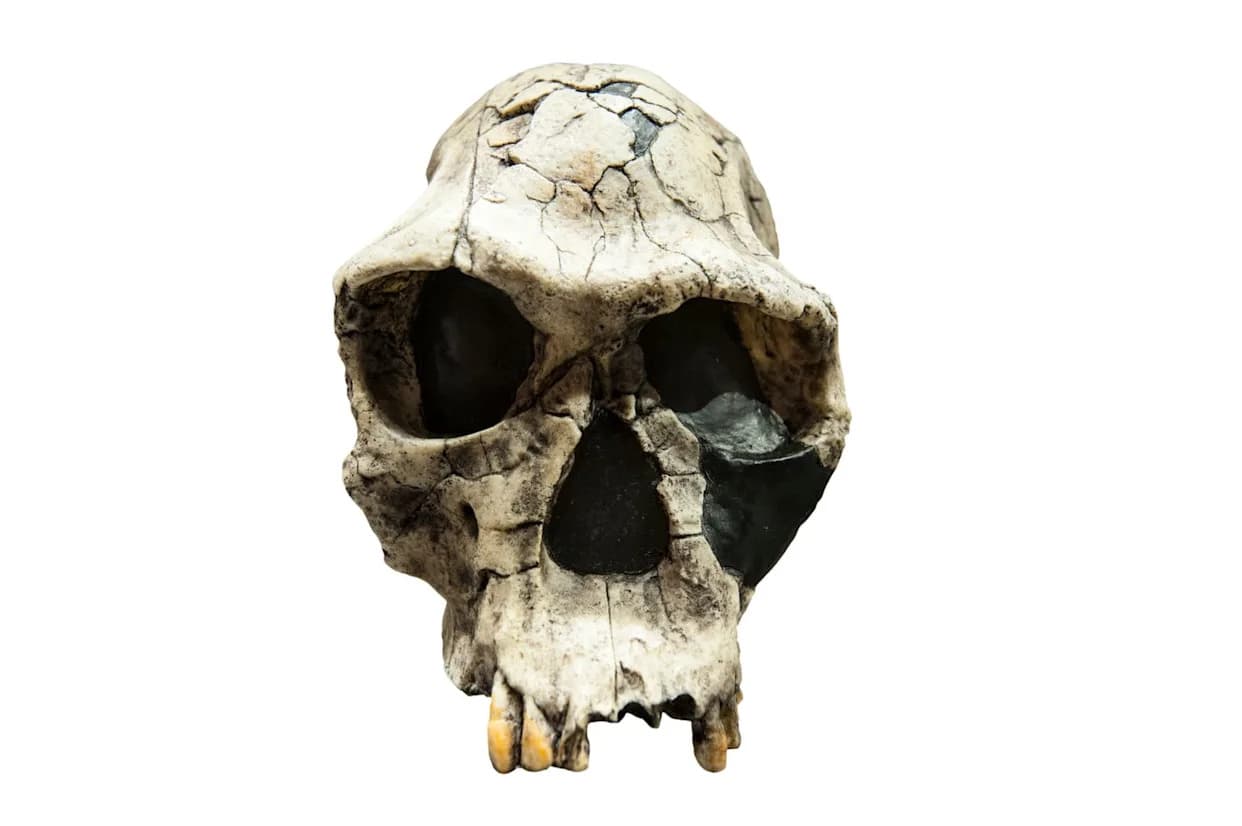
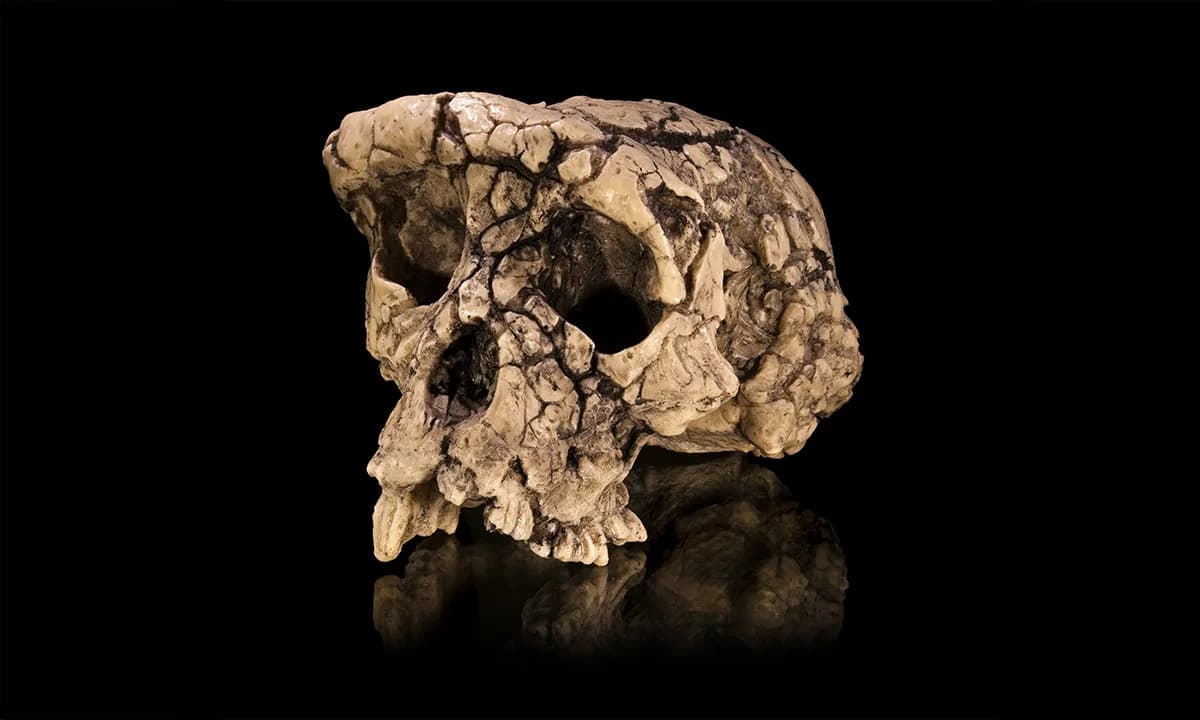
This Set of Fossils Could Be Our Oldest Ancestormarkchentx - Getty Images
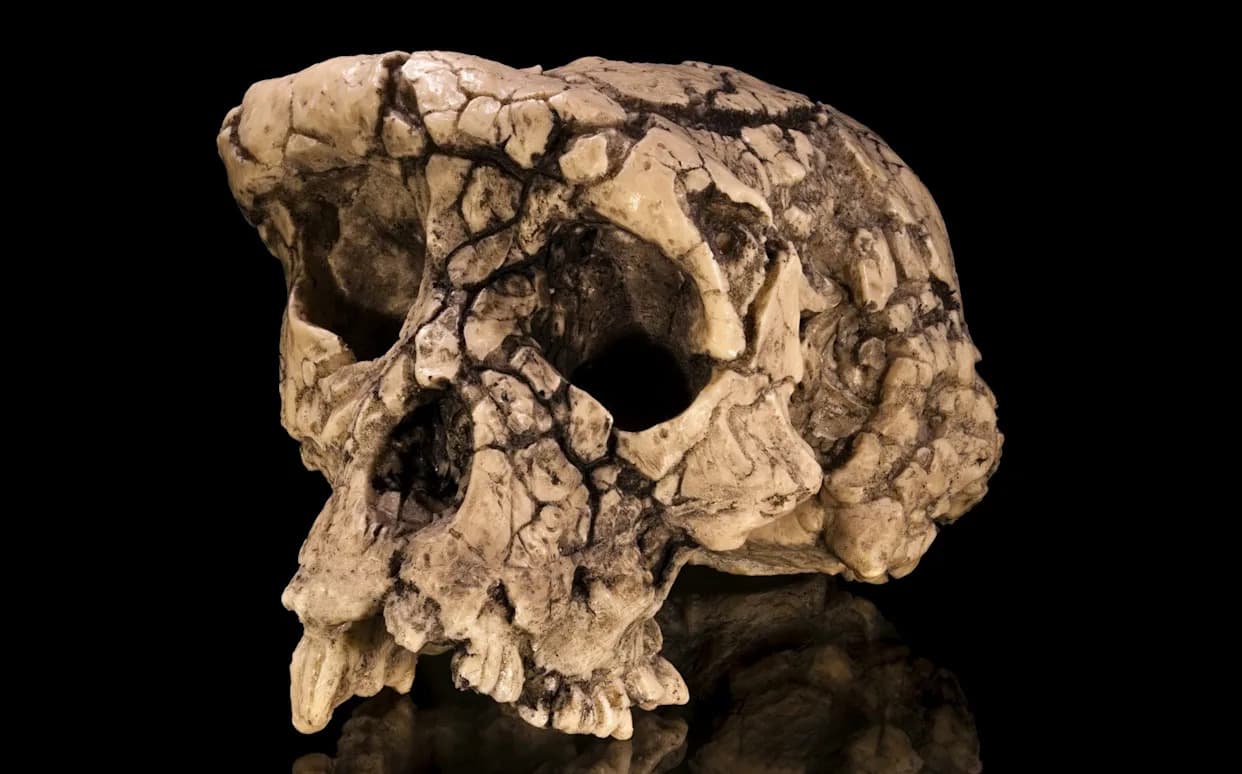
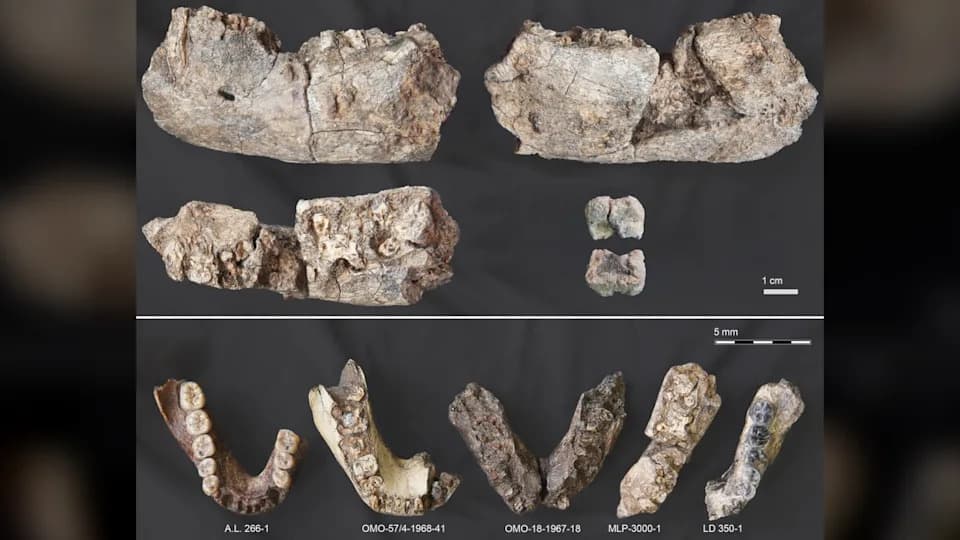
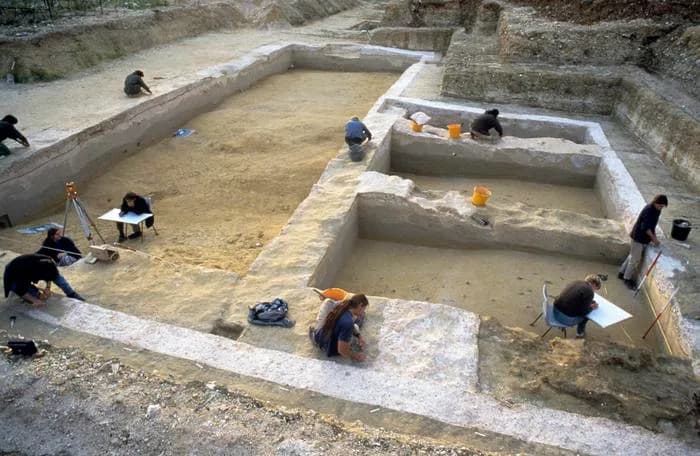
Newly described fossils from the Koobi Fora Formation in northern Kenya—dated to roughly 2.02–2.06 million years—represent a partial Homo habilis skeleton (KNM-ER 64061) that may be the oldest and most complete specimen assigned so far to the Homo genus.
What Was Found
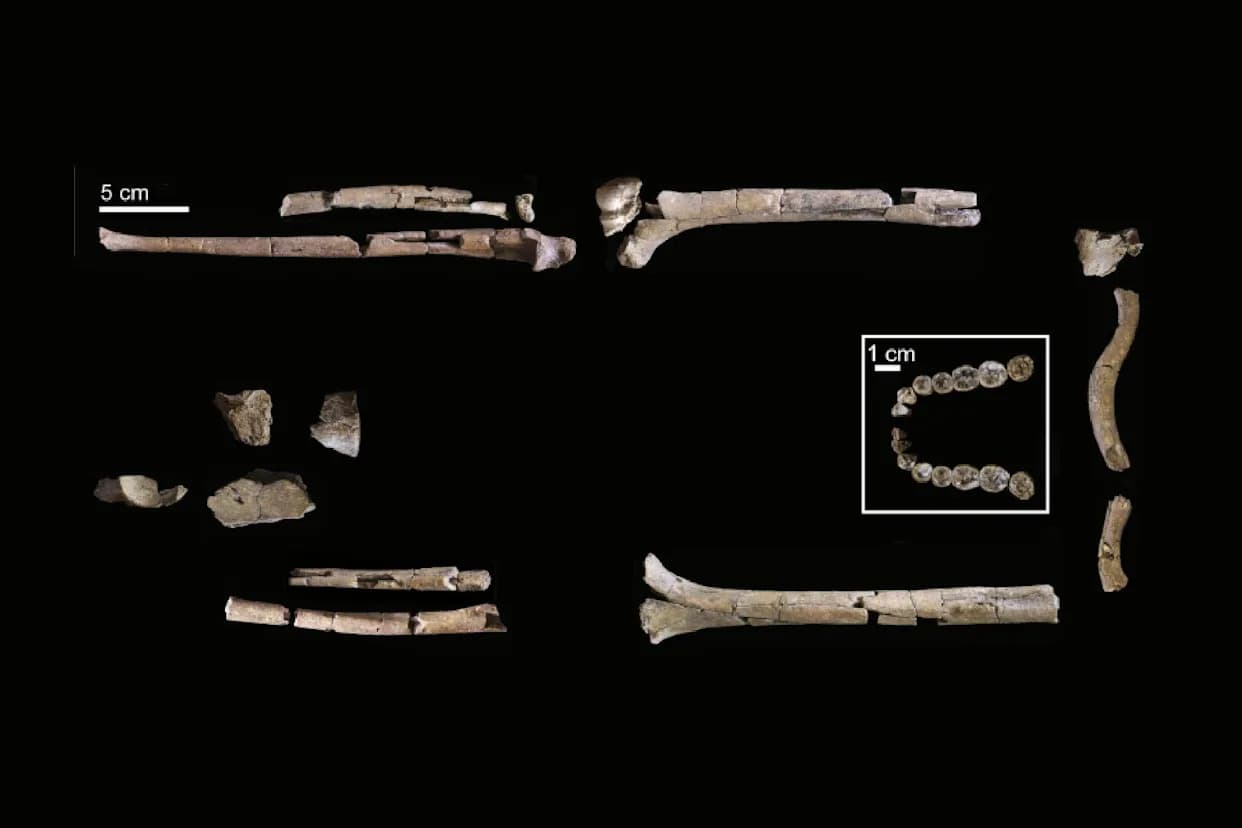
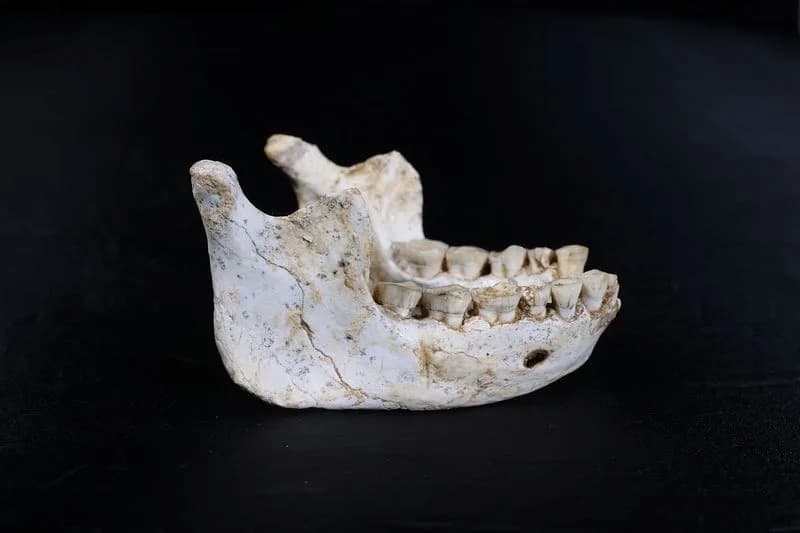
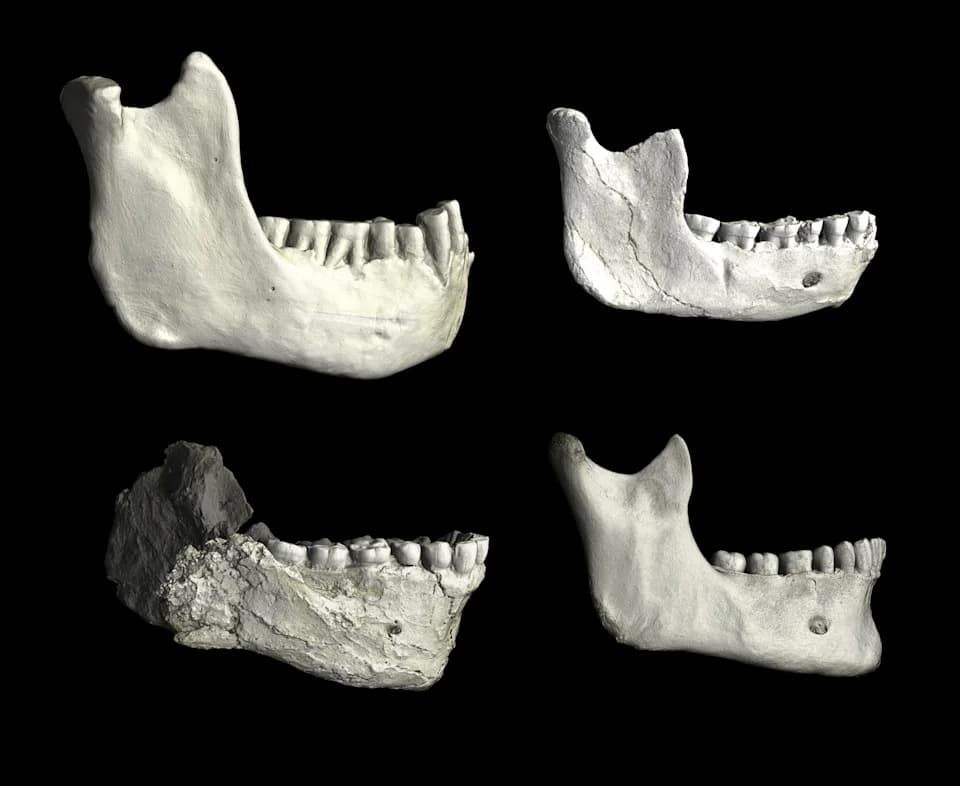
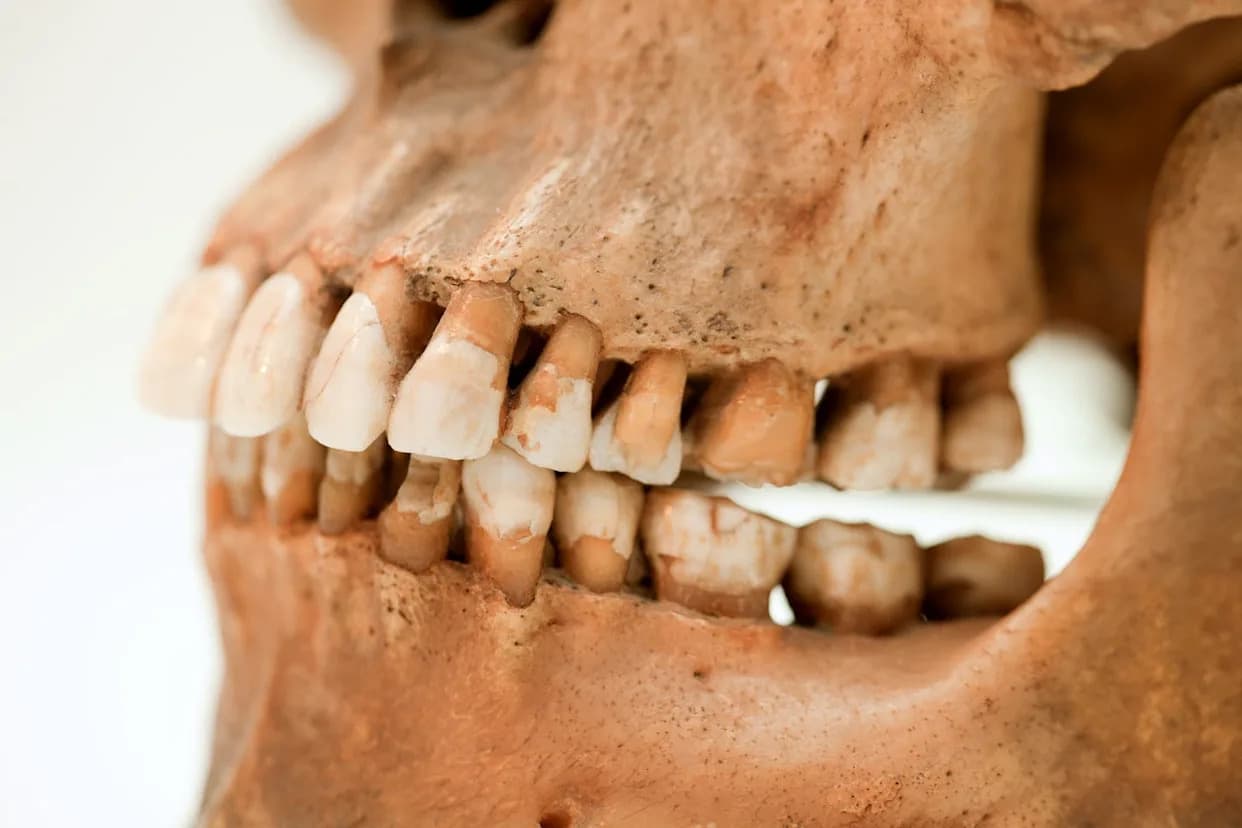
Anthropologist Fred Grine and his team from Stony Brook University identified a clavicle, fragments of a scapula, both humeri (upper arm bones), forearm bones, and fragments of the lower back; a complete set of H. habilis teeth was recovered nearby. Together these remains likely represent a single individual—a rare discovery because only three other partial H. habilis skeletons are known.
Physical Details and Significance
Catalogued as KNM-ER 64061, the specimen is estimated to have stood about 5'3" (≈160 cm) and weighed roughly 69–72 lb (≈31–33 kg), placing it near the middle of previously estimated size ranges for the species. Postcranial material (bones below the skull) and associated teeth from Early Pleistocene African hominins are uncommon, so these elements are particularly valuable for reconstructing locomotion, limb proportions, manipulative abilities, and body size.
"Postcranial bones provide valuable information about the locomotor habits, manipulative abilities, limb proportions, and body sizes of fossil hominin taxa, and they may also furnish taxonomically diagnostic features," Grine wrote in The Anatomical Record.
Mosaic Anatomy: What It Tells Us
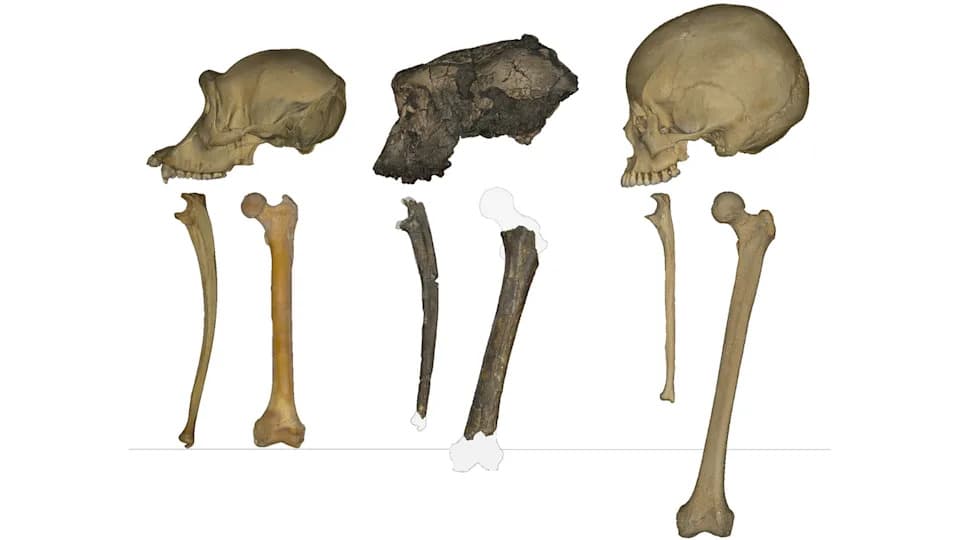
The new material shows a mosaic of traits. Elements of the lower back indicate lower-limb mechanics more like later Homo species than like australopiths, while thick cortical bone in upper-limb elements resembles both australopiths and Homo erectus. Forearm bones are relatively long, and overall proportions remain more primitive than those of H. erectus.
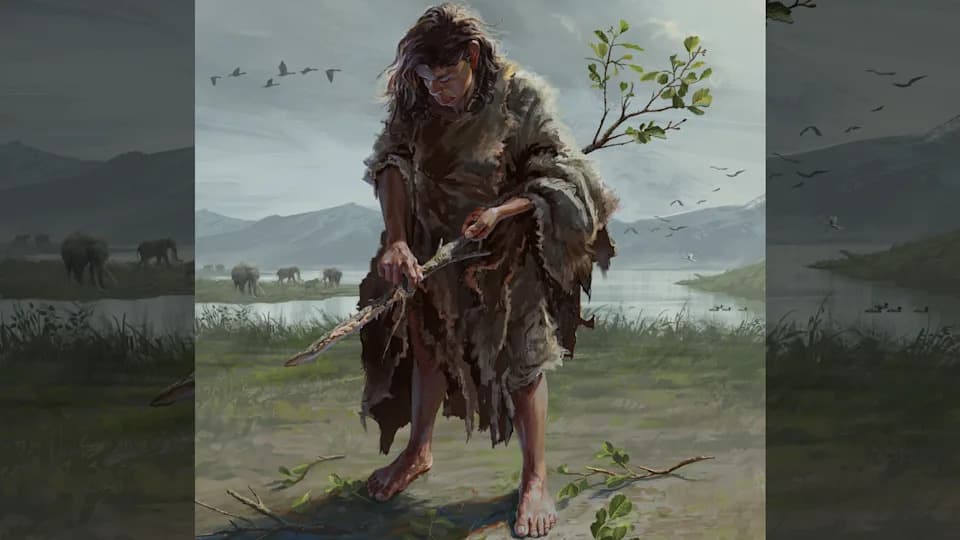
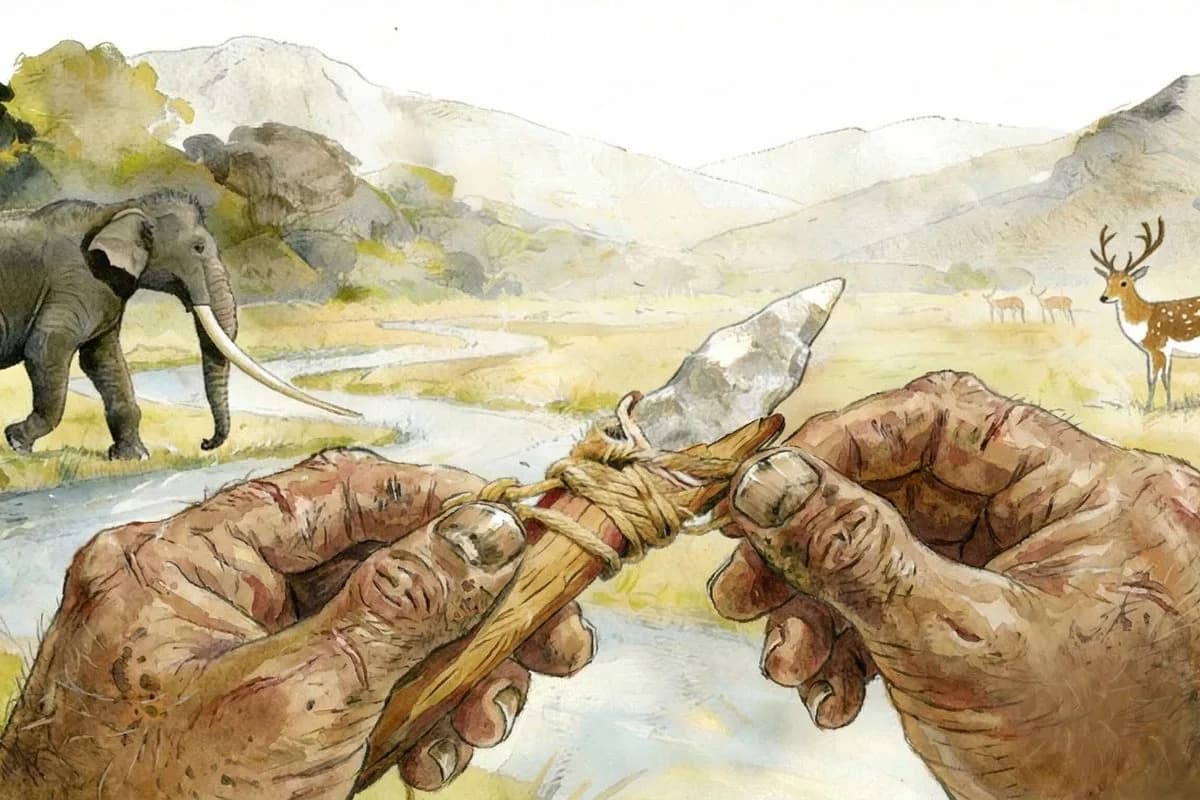
H. habilis also exhibits long, curved fingers and toes—features commonly associated with arboreal climbing and branch suspension in species such as chimpanzees. However, Grine and other researchers caution that these traits can be retained as ancestral features even if they are no longer central to a species’ daily behavior.
Interpreting Behavior With Caution
Mixed or "primitive" features do not automatically prove arboreal habits. As Grine notes, "primitive features . . . may still confer some behavioral advantage, but they may simply reflect phyletic heritage rather than current utility," and a given anatomical feature can have multiple functions. Until more leg bones or other complementary material are found, interpretations of how much time H. habilis spent in trees versus on the ground remain tentative.
Overall, KNM-ER 64061 strengthens the case for H. habilis as an early member of the Homo genus while emphasizing the species' mosaic anatomy—an evolutionary patchwork that complicates straightforward conclusions about locomotion and lifestyle.
Help us improve.