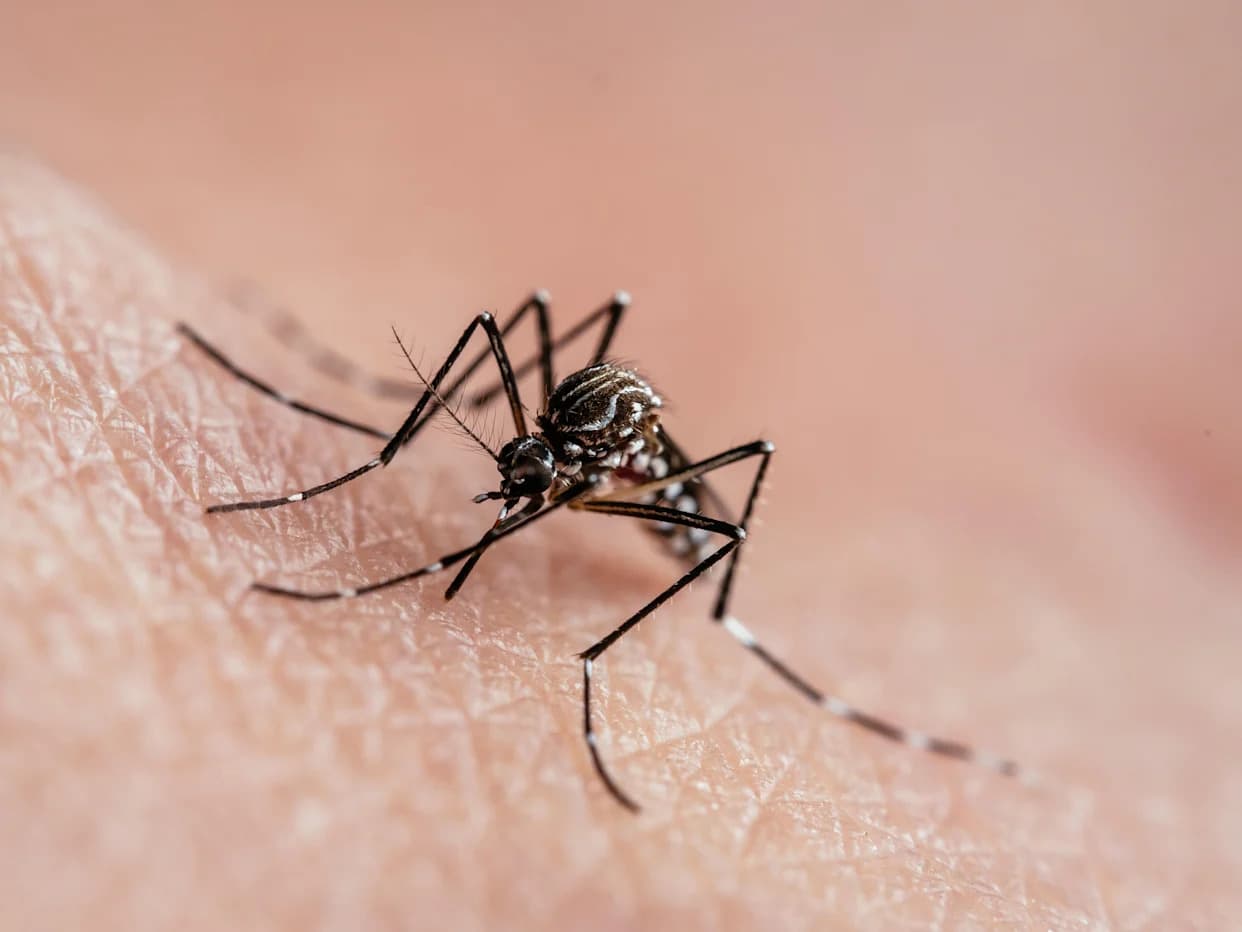
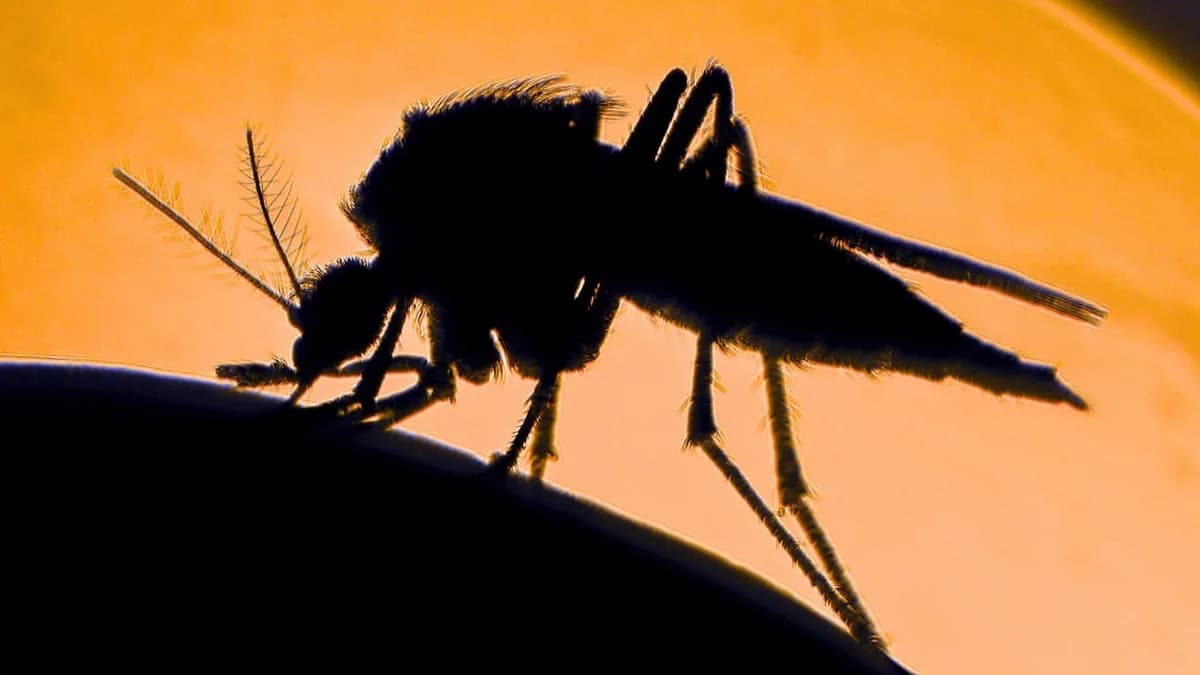
Researchers working in Brazil’s Atlantic Forest found that mosquitoes increasingly feed on humans as habitat loss reduces wildlife hosts. DNA analysis of mosquito blood meals identified human blood in a substantial share of identified samples, although overall identification rates were low. The shift toward people raises the risk of transmission of viruses such as yellow fever, dengue, Zika and others. Authors say results can inform targeted surveillance and ecosystem-aware control strategies.
Biodiversity Loss Is Pushing Mosquitoes In Brazil’s Atlantic Forest To Bite Humans — Raising Disease Risks
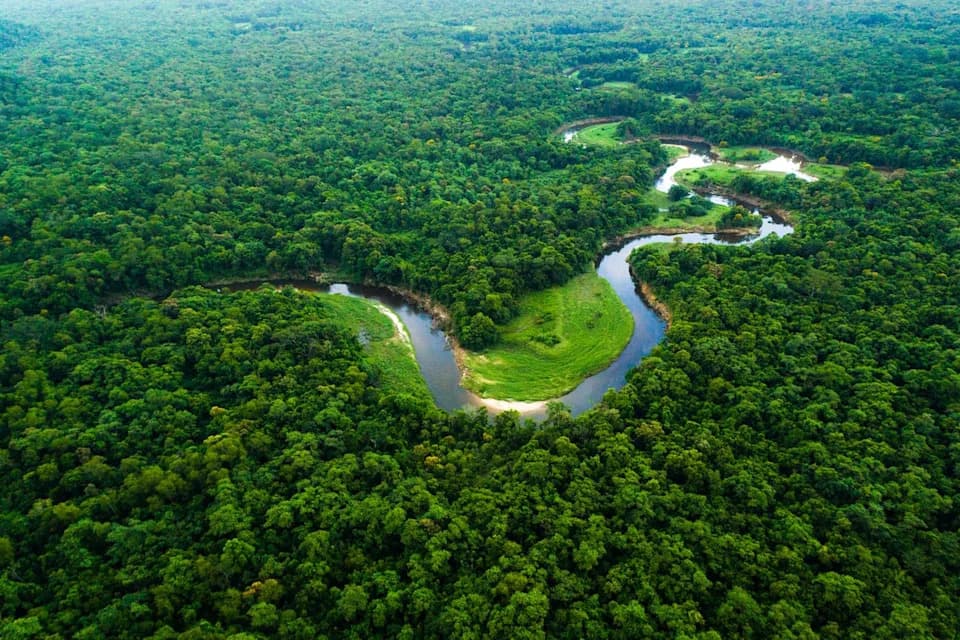
File. Brazil’s Atlantic Forest (Getty)
New research from Brazil’s Atlantic Forest shows mosquitoes are increasingly feeding on people as habitat loss and declining wildlife reduce their natural blood sources. The shift — observed even inside protected forest remnants — could raise the risk of human exposure to several mosquito-borne viruses.
The study team collected 1,714 mosquitoes at two natural reserves in the state of Rio de Janeiro. In the lab they used DNA sequencing of blood meals from recently fed female mosquitoes to identify host species. Of the captured insects, 145 appeared to have recent blood meals; researchers were able to genetically identify the blood source in 24 of those specimens.
What the Results Show
The identified blood meals included 18 different humans, six birds, one amphibian, one dog and one mouse. Some mosquitoes had mixed meals from more than one host type, indicating opportunistic feeding where preferred hosts are scarce.
“Here we show that the mosquito species we captured in remnants of the Atlantic Forest have a clear preference for feeding on humans,” said Jeronimo Alencar of the Oswaldo Cruz Institute in Rio de Janeiro.
Co-author Sergio Machado (Federal University of Rio de Janeiro) noted that in a biodiverse ecosystem such as the Atlantic Forest, a measurable shift toward human feeding can substantially increase the risk of pathogen transmission.
Methods, Limitations and Uncertainties
The authors emphasize limitations: only a minority of captured mosquitoes were blood-fed, and DNA identification succeeded for a small fraction of those. Mixed blood meals were particularly difficult to resolve, reducing the number of confidently identified host species. (Based on the counts reported: 145 blood-fed of 1,714 total captures — about 8.5% — and 24 identified blood sources, roughly 16.6% of the blood-fed specimens.)
These low identification rates mean the results should be interpreted cautiously, but they still reveal an important pattern: human hosts appear frequently among identified meals, pointing to increased mosquito–human contact where wildlife hosts have declined.
Public-Health Implications
Mosquitoes in this region can transmit yellow fever, dengue, chikungunya, Zika, Mayaro and Sabiá viruses. Increased feeding on humans could raise the likelihood of outbreaks and complicate prevention efforts.
The researchers recommend using these findings to guide targeted surveillance, strengthen vector-control measures around human settlements, and support long-term strategies that restore and conserve ecosystem balance — measures that can reduce mosquito contact with people by preserving diverse wildlife host communities.
“Knowing that mosquitoes in an area have a strong preference for humans serves as an alert for transmission risk,” Mr Machado said. “This allows for targeted surveillance and prevention actions,” added Mr Alencar.
Help us improve.