A new Brazilian study finds several mosquito species in the Atlantic Forest show a marked preference for feeding on humans after habitat loss. Researchers analyzed blood meals from 145 female mosquitoes and reported their results in Frontiers in Ecology and Evolution. Though the study is limited by sample size and some unidentified samples, it links deforestation and biodiversity loss to increased human exposure to mosquito-borne diseases. The Atlantic Forest has been reduced to less than one-third of its original 1.3 million sq km extent, and humans clear about 10 million hectares of forest each year.
Deforestation Drives Mosquitoes to Prefer Human Blood, Brazilian Study Finds
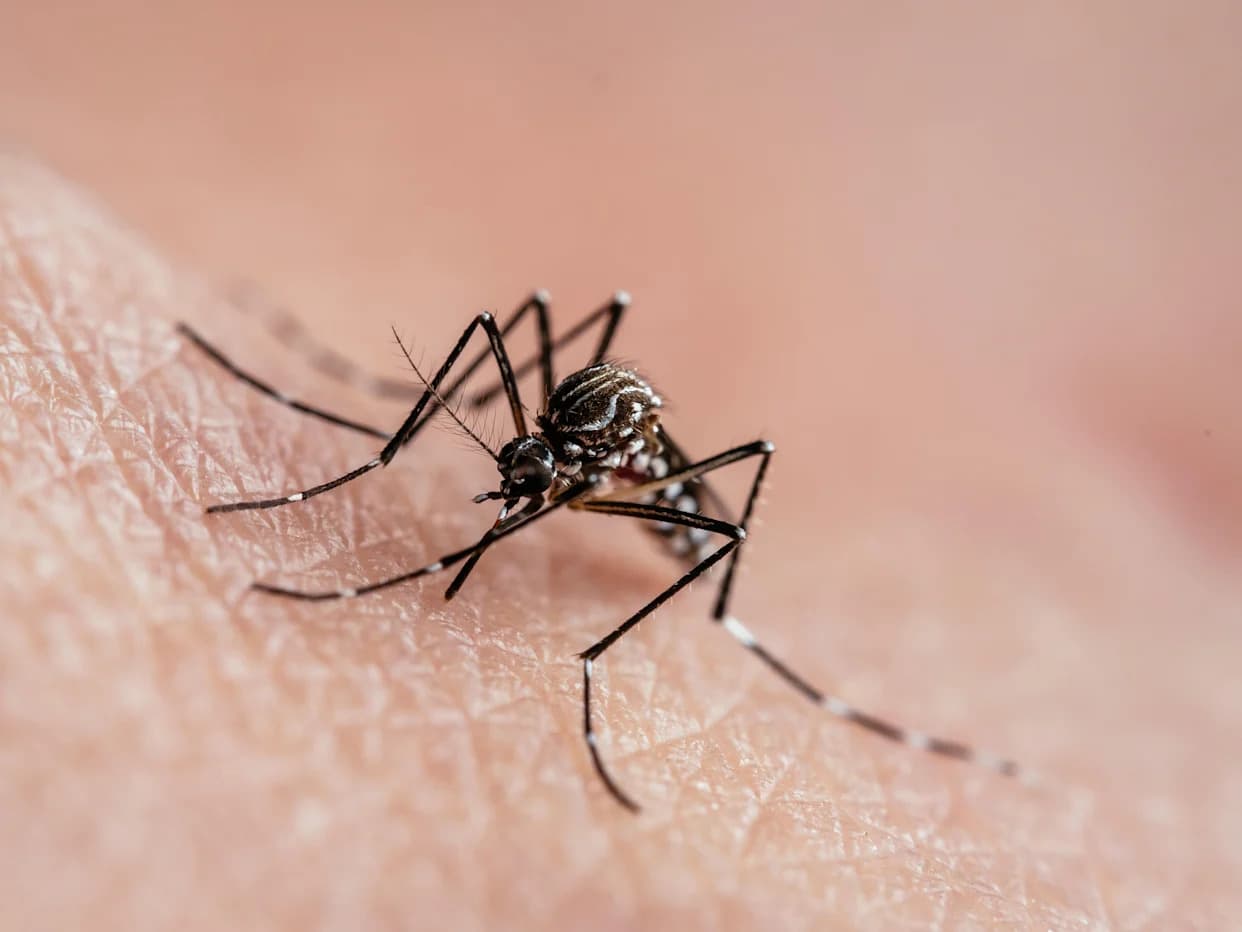
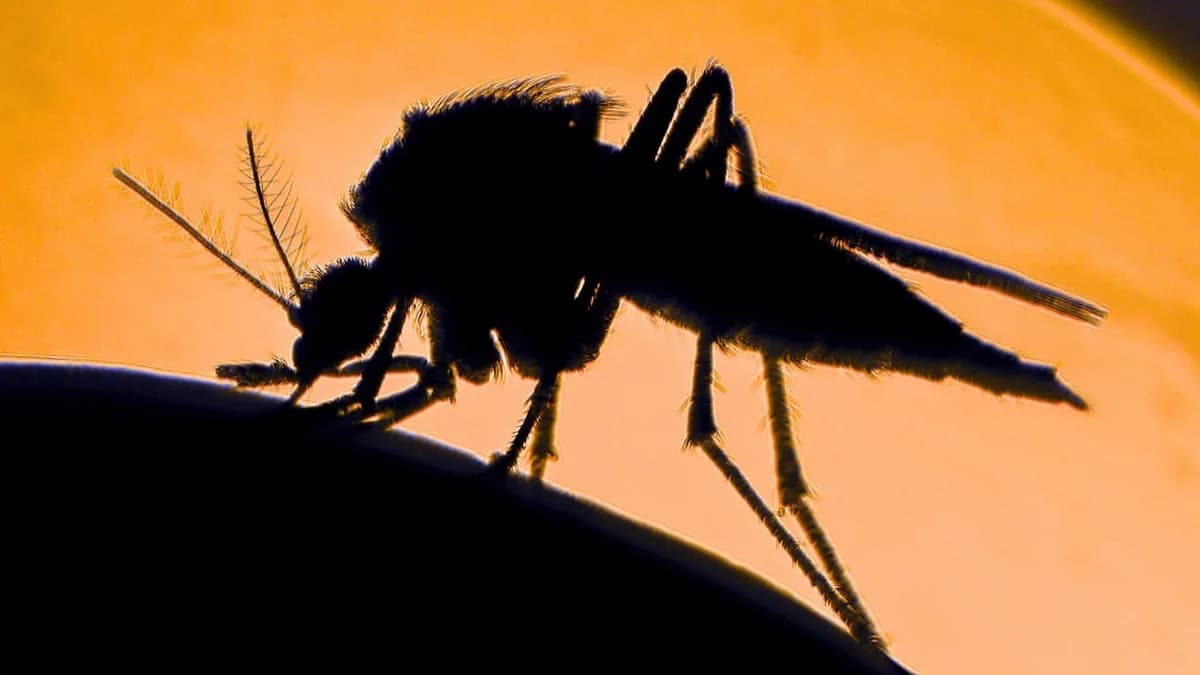
Mosquitoes are opportunistic feeders that will sip nectar or take blood from a wide range of animals — chickens, rats, alligators, frogs and, increasingly, humans. A new study from Brazil indicates that habitat loss and fragmentation may push some mosquito species to favor human hosts over other animals.
Study Details
Researchers collected mosquitoes in reserves of Brazil’s Atlantic Forest and analyzed the blood meals of captured females. Of the samples they tested, several species showed “a clear preference for feeding on humans,” said Jeronimo Alencar, a biologist at the Oswaldo Cruz Institute and a co-author of the paper, in a statement. The study was published in Frontiers in Ecology and Evolution.
Why This Matters
The findings add to growing evidence that deforestation increases human contact with animal and insect disease vectors. Mosquitoes can transmit pathogens that cause Zika, dengue, malaria and encephalitis — illnesses that can lead to severe disease and death. If mosquitoes shift their feeding toward humans as forests shrink, local disease risk for people may rise.
Context and Scale
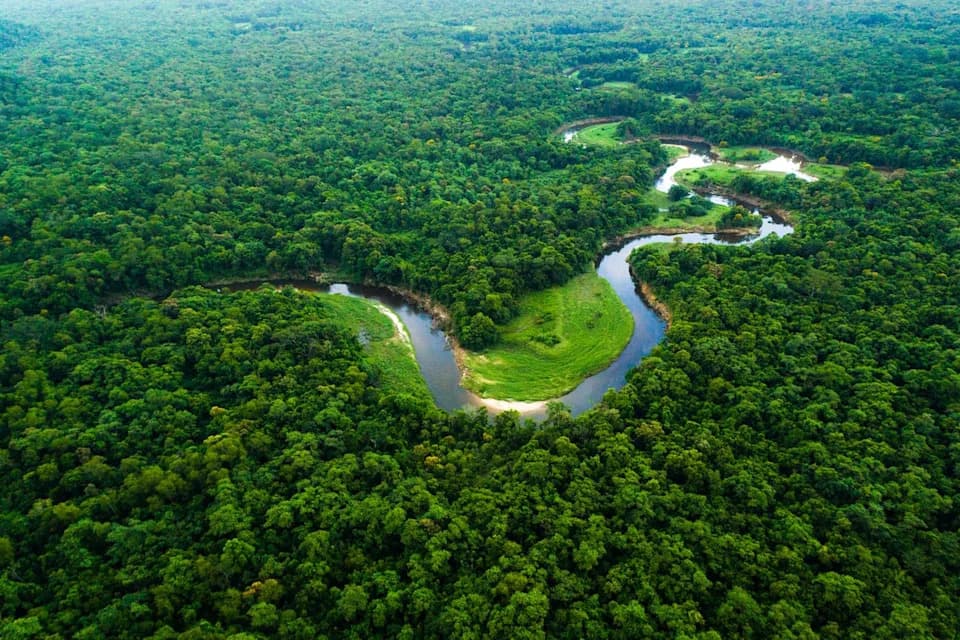
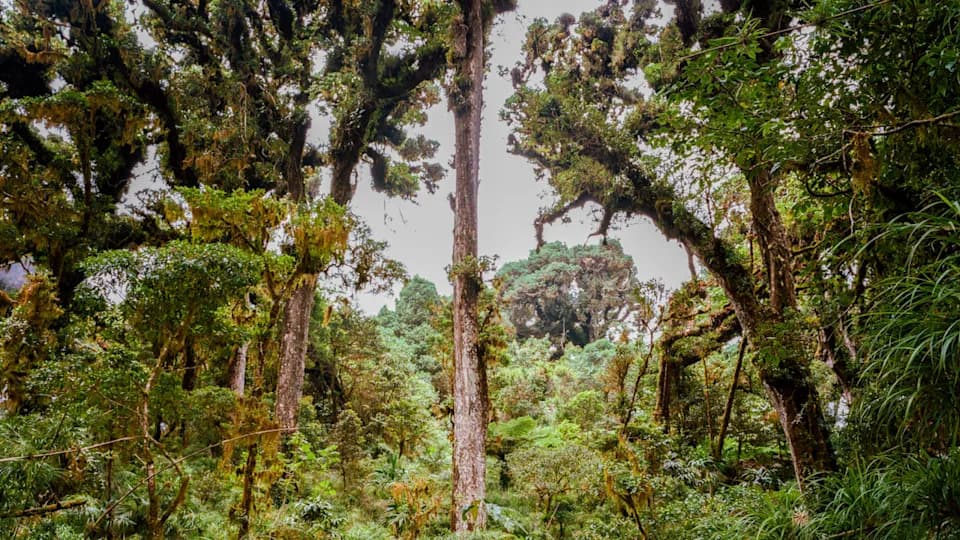
The Atlantic Forest once covered roughly 1.3 million square kilometers across Brazil — an area larger than Texas and California combined. Today it has been reduced to less than one-third of that original extent due to agricultural expansion and residential development. Despite the loss, the forest still supports about 270 mammal species, some 850 bird species and roughly 570 reptiles and amphibians.
Study Limitations
The authors acknowledge several limitations: their blood-meal analysis is based on just 145 female mosquitoes, not all samples could be definitively identified, and there is no direct comparison to mosquito feeding patterns from before major forest loss. These constraints mean the results should be interpreted cautiously and may not generalize across all species or regions.
Broader Implications
Humans clear about 10 million hectares of forest per year worldwide. The authors write that "deforestation reduces local biodiversity, causing mosquitoes, including vectors of pathogenic agents, to disperse and seek alternative food sources" — and those alternatives increasingly may be people. The study underscores the complex links between habitat destruction, biodiversity loss and rising risks of vector-borne disease.
Bottom line: While limited in scale, this research suggests habitat loss can alter mosquito feeding behavior in ways that increase human exposure to disease-carrying insects, highlighting another public-health cost of deforestation.
Help us improve.