The Braults sued Connecticut after finding a camera collar on "Bear Number 119" that frequented their 114-acre preserve, alleging DEEP engaged in warrantless surveillance in violation of the Fourth Amendment. Their claim collides with the Supreme Court's "open fields" doctrine, which treats land beyond a home's curtilage as unprotected. Legal experts warn camera-equipped wildlife creates novel privacy risks because animals can enter curtilage unpredictably, while the Institute for Justice questions the historical basis for the open-fields exception. The case highlights how emerging surveillance techniques test longstanding Fourth Amendment doctrines.
If You Give a Bear a Badge: When Wildlife Becomes a Surveillance Tool and What It Means for Your Rights
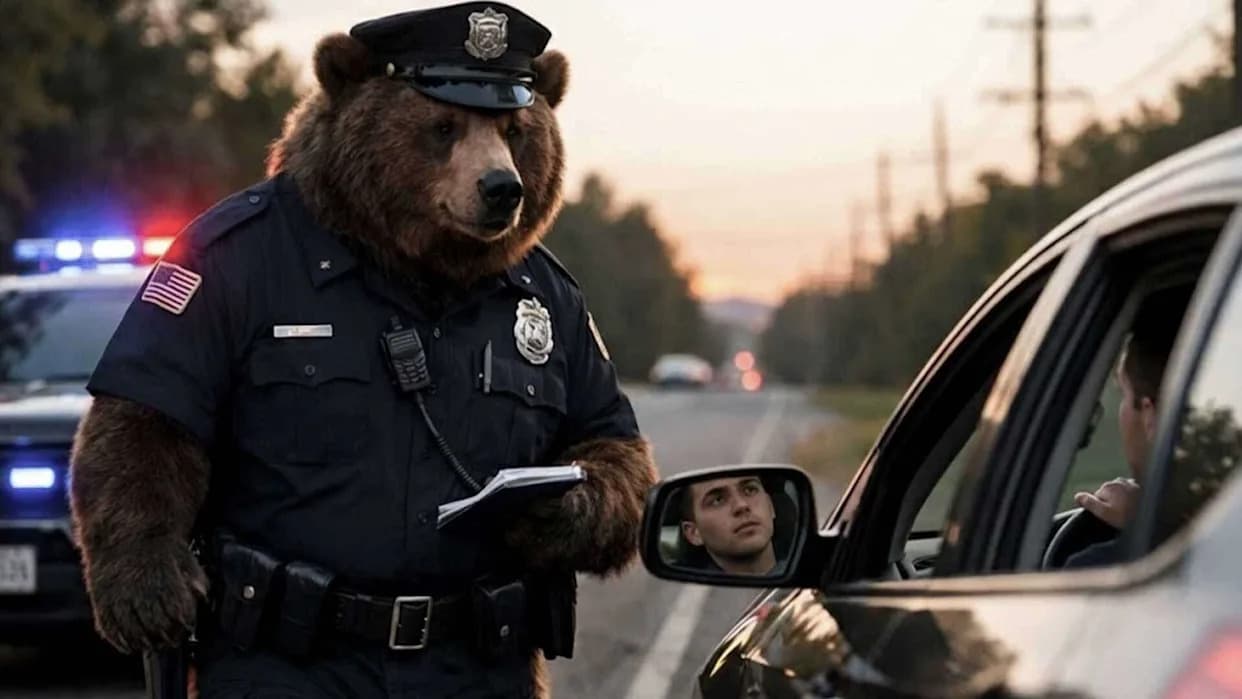
If You Give a Bear a Badge, Will It Respect Your Rights?
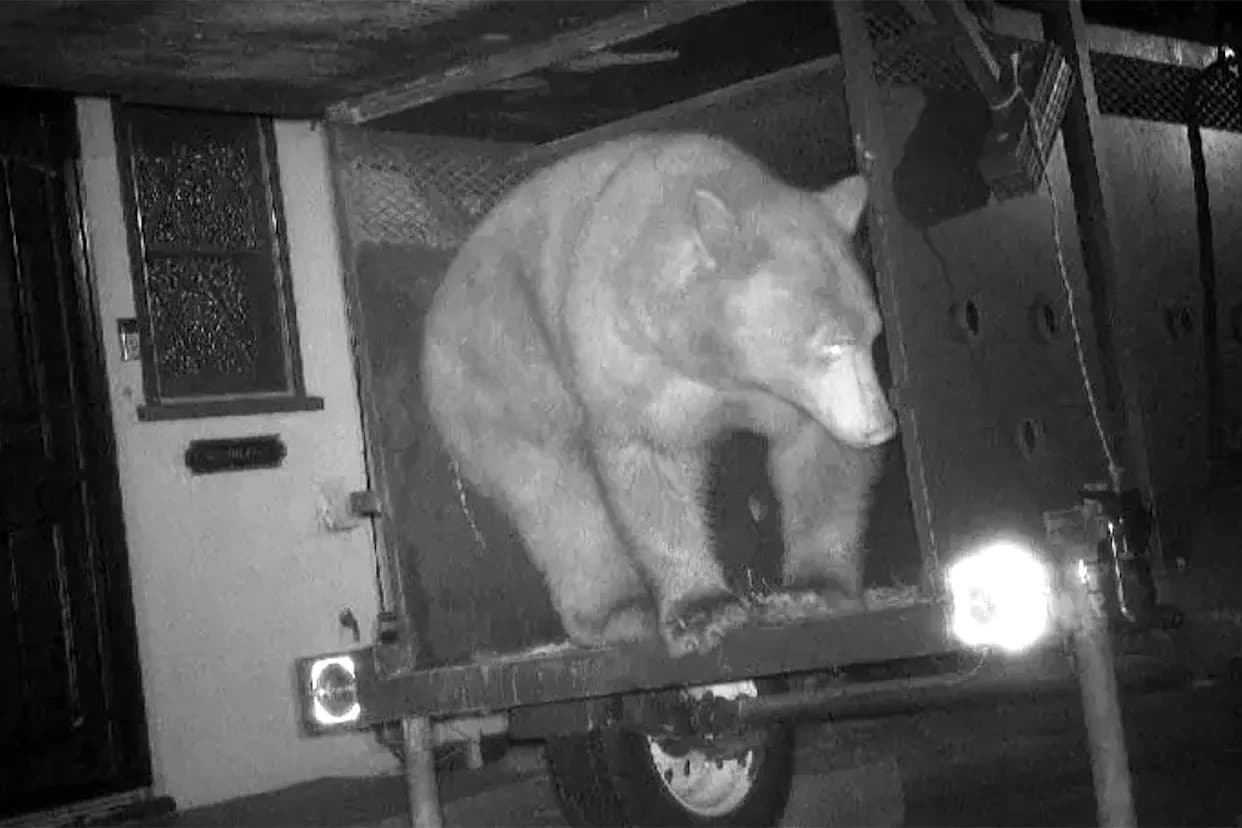
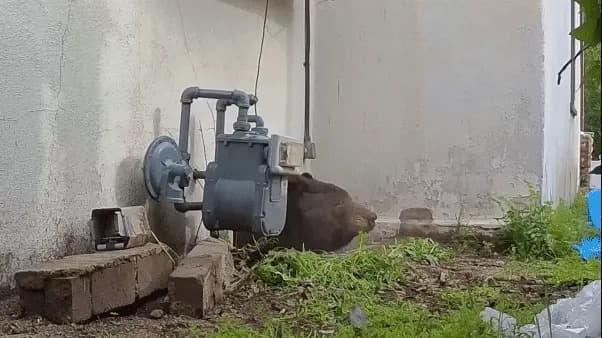
A few years ago in Connecticut, Mark and Carol Brault discovered that state officials had fitted a camera collar to a black bear that frequented their 114-acre nature preserve. The Braults say the Connecticut Department of Energy and Environmental Protection (DEEP) used the collared animal to try to substantiate allegations that they had been feeding bears, and they contend that deploying a camera-bearing bear amounted to warrantless surveillance in violation of the Fourth Amendment.
Legal Background: Open Fields vs. Curtilage
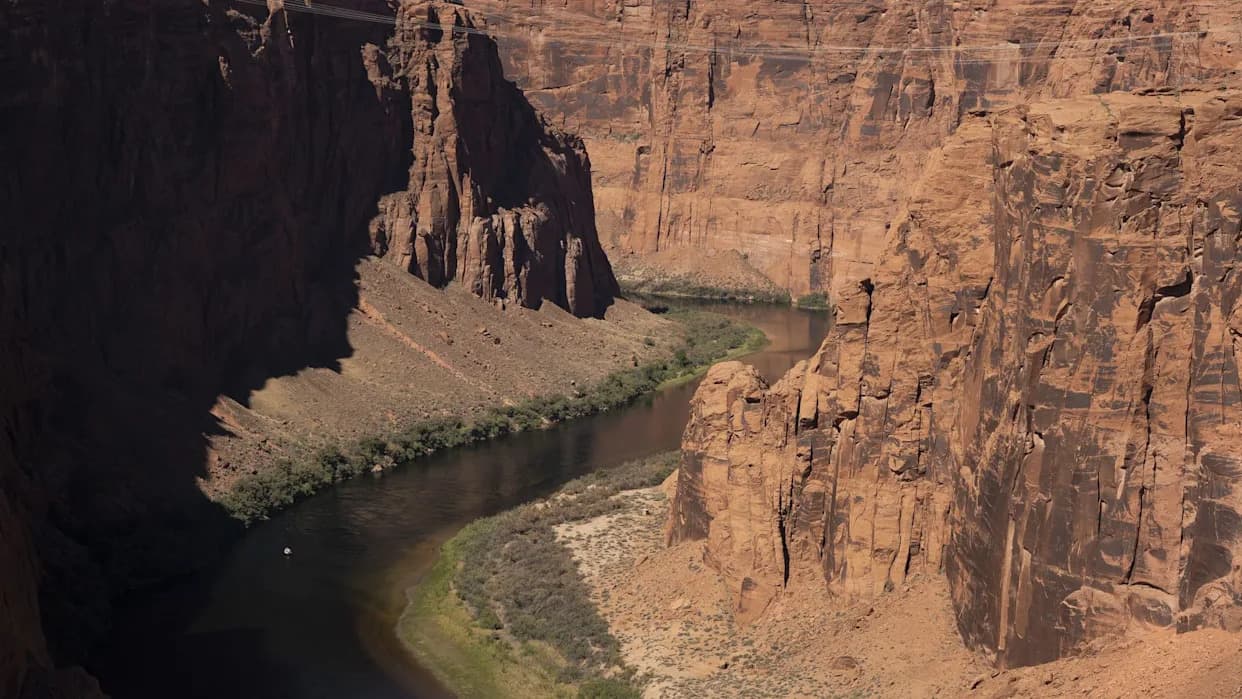
Their claim collides with the Supreme Court's long-established "open fields" doctrine: land beyond the immediate area surrounding a home (the "curtilage") generally receives no Fourth Amendment protection. In Hester v. United States (1924) the Court held that the special protection afforded "persons, houses, papers and effects" does not extend to open fields. That principle was reaffirmed in Oliver v. United States (1984) and subsequently applied in United States v. Dunn, where officers approached and peered into a barn about 50 yards from a house without a warrant.
Why a Camera-Wearing Bear Creates New Questions
Bear Number 119 was photographed "near the center of our property, within 200 yards of our residence," Mark Brault said in an affidavit filed with the Braults' lawsuit. They claim DEEP conducted "warrantless ground-level photographic surveillance of the interior of [our] property," despite "No Trespassing" signs on their land.
Because wildlife roam unpredictably, defenders of privacy argue camera-equipped animals pose a unique threat: unlike a human officer or a technology fixed to public property, a bear can move from open fields into curtilage and record what would otherwise be private activity. Legal observers noted parallels to Florida v. Jardines (2013), where the Court held police needed a warrant to bring a drug-sniffing dog onto a home's porch; the concern is that animal-assisted surveillance could evade similar limits.
"Turning wildlife into unguided surveillance drones is unbearable," quipped Institute for Justice attorney Robert Frommer, stressing that a collared bear could unknowingly park itself near someone’s home and capture private activity.
Constitutional Doctrines and Analogies
The debate touches other precedents. In California v. Greenwood (1988), the Court said there is no reasonable expectation of privacy in trash left at the curb; by contrast, Carroll v. United States (a Prohibition-era car-search case) allowed vehicle searches without a warrant when probable cause exists because vehicles can quickly move out of jurisdiction. The Court has described probable cause as a "substantial chance" or "fair probability" that evidence of a crime will be found, but it has not precisely defined the term.
Florida v. Harris (2013) recognized that a trained dog's alert can, by itself, establish probable cause to search a vehicle. Some observers speculate a bear's extraordinary sense of smell could similarly implicate probable-cause questions, though bears are neither trained to detect drugs nor likely to act under any formal chain of command.
Practical and Normative Concerns
The Institute for Justice has also attacked the historical underpinnings of the open-fields doctrine, arguing the cases the Court relied on did not actually support such a broad rule. Whether courts will treat camera-carrying wildlife differently than other investigatory tools remains uncertain.
There are also practical differences between bears and humans. Bears are indifferent to cash and unlikely to pursue civil forfeiture, tolerate being filmed far more readily than many police officers tolerate being recorded, and appear far less likely to kill people: recent counts found only eight fatal bear attacks in the U.S. from 2020–2022, compared with more than 600 fatal shootings by law enforcement annually.
Bottom Line
The Braults' suit forces courts to confront a modern twist on longstanding Fourth Amendment questions: when government surveillance piggybacks on wildlife, do existing doctrines like open fields and curtilage still protect privacy? The answer will turn on how courts apply precedent to new surveillance methods and on whether policymakers impose rules limiting the use of animals as evidence-gathering tools. For now, the case serves as a provocative reminder that technology—even when strapped to a bear—can outpace the law.
Note: This article originally appeared on Reason.com.
Help us improve.