
Colossal Biosciences released a festive short film featuring a genetically engineered 'woolly mouse' to showcase a proof of concept: mammoth gene orthologs produced curlier, denser fur and changes to fat‑metabolism genes. Researchers used mice for their short ~20‑day gestation to rapidly observe genotype-to-phenotype effects, rather than testing in elephants with ~22‑month gestations. Colossal says the animals are 'thriving and doing great,' and frames the work as a controlled demonstration relevant to conservation and de‑extinction research.
How a 'Woolly Mouse' Holiday Video Turned a Genetic Breakthrough Into a Heartwarming Moment

Colossal Biosciences
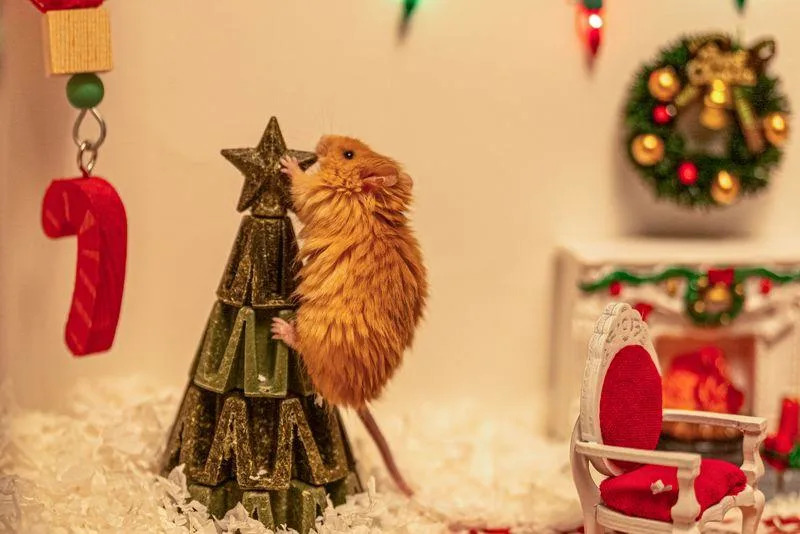
Colossal Biosciences has wrapped a notable laboratory milestone in holiday cheer with a short, storybook-style film that spotlights a genetically modified 'woolly mouse.' Shared exclusively with PEOPLE, the video retells the classic poem 'A Visit from St. Nicholas' from the point of view of a tiny, furrier creature experiencing Christmas for the first time.
Colossal Biosciences
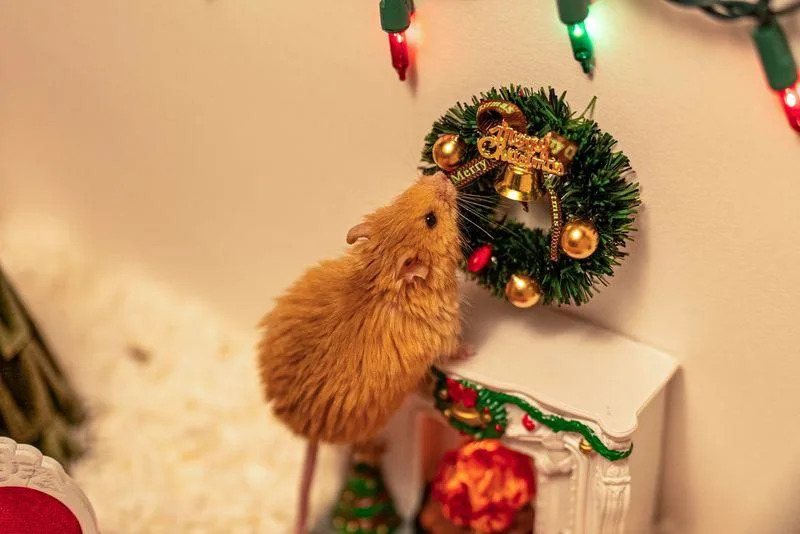
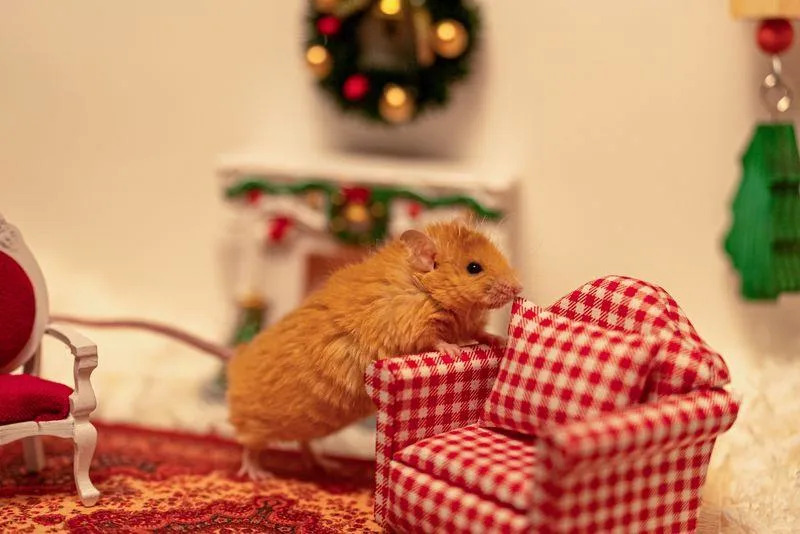
The film pairs cozy seasonal imagery—stockings, twinkling lights and a miniature fireplace—with a clear scientific context. Unlike a typical lab mouse, the star wears longer, thicker, curlier fur and other cold-adapted features inspired by traits once found in woolly mammoths. The short closes with a festive message: 'From Colossal’s lab to your wintry nights, happy holidays to all … and to all woolly mice.'
Colossal Biosciences
What the Woolly Mouse Actually Demonstrates
Behind the whimsical visuals is a deliberate proof of concept. Colossal engineered the mice by inserting mammoth gene orthologs to produce cold-adapted characteristics—most visibly curlier and denser hair and genetic changes linked to fat metabolism. These modifications are intended to mirror adaptations that helped mammoths survive frigid, resource-scarce environments.
Colossal Biosciences
Colossal’s chief science officer, Beth Shapiro, described the animal as 'really our first validation' that mammoth-inspired genetic traits can produce observable changes in a living organism. The company emphasizes that mice were chosen for practicality and speed: mice have a roughly 20-day gestation period, whereas elephants—mammoths' closest living relatives—have about a 22-month gestation and take years to mature.
Colossal Biosciences
'I'm excited,' Colossal's chief science officer Beth Shapiro told PEOPLE. 'It's the first time that we've succeeded.'
Purpose, Ethics and Next Steps
Colossal frames the woolly mouse as a tightly controlled experiment to test how genotype maps to phenotype, not as a long-running project. Sara Ord, the company's director of species restoration, has said the mice served a specific testing purpose and that the initiative was not intended to continue indefinitely. A company spokesperson reported that the woolly mice are currently 'thriving and doing great.'
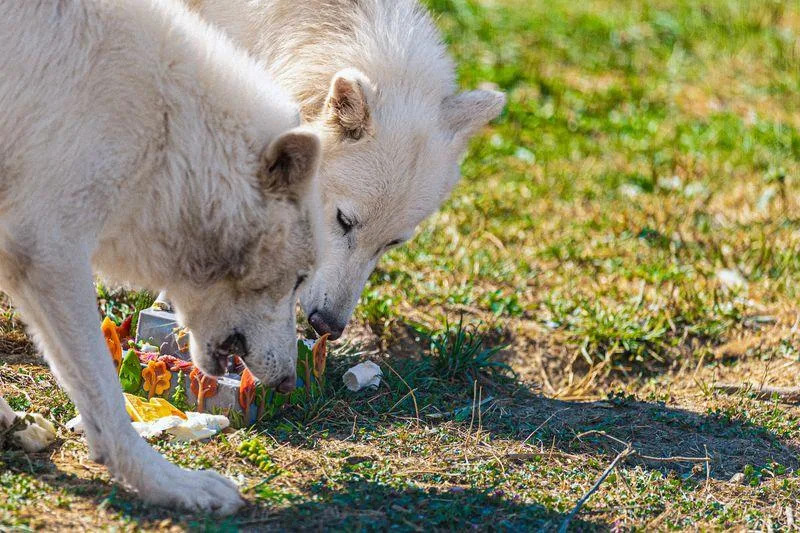
Co-founder Ben Lamm highlighted the broader implications: the work is an early demonstration of how advanced genetic engineering might be applied thoughtfully in conservation and de-extinction research. Colossal has also drawn public attention with other projects and moments, including de-extinct dire wolves Romulus and Remus, and ongoing efforts focused on dodo and thylacine (Tasmanian tiger).
While the holiday video softens the public entry point to complex science, it also raises important ethical and practical questions about de-extinction and gene editing in conservation—questions Colossal says it is considering as projects evolve.
For now, the woolly mouse occupies a rare intersection of warmth and wonder: a small creature that helped demonstrate a larger scientific capability and captured public imagination by pairing rigorous research with compelling storytelling.


