Researchers from Griffith University and the University of Hawaiʻi used 13 suction-cup camera tags over two seasons in Moreton Bay, recording more than 35 hours of movement, acoustic and video data. About half of the tagged calves were filmed nursing — the first documented underwater footage of this behaviour in Australian waters. The study also recorded many mother–calf pairs, social groups of calves and scars consistent with boat propeller strikes, findings that could shape state rezoning and vessel-management measures.
Camera Tags Capture First Underwater Footage Of Humpback Calves Nursing In Australian Waters
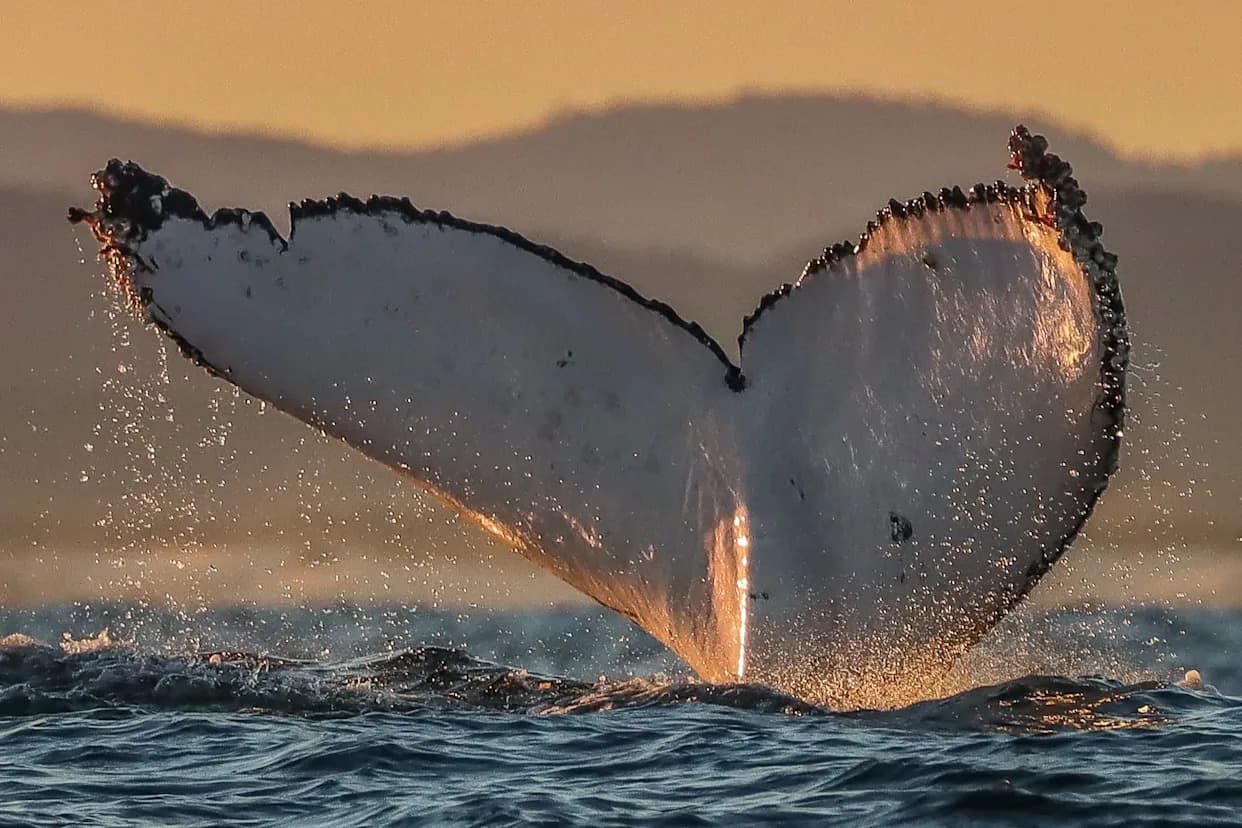
Photo Credit: iStock
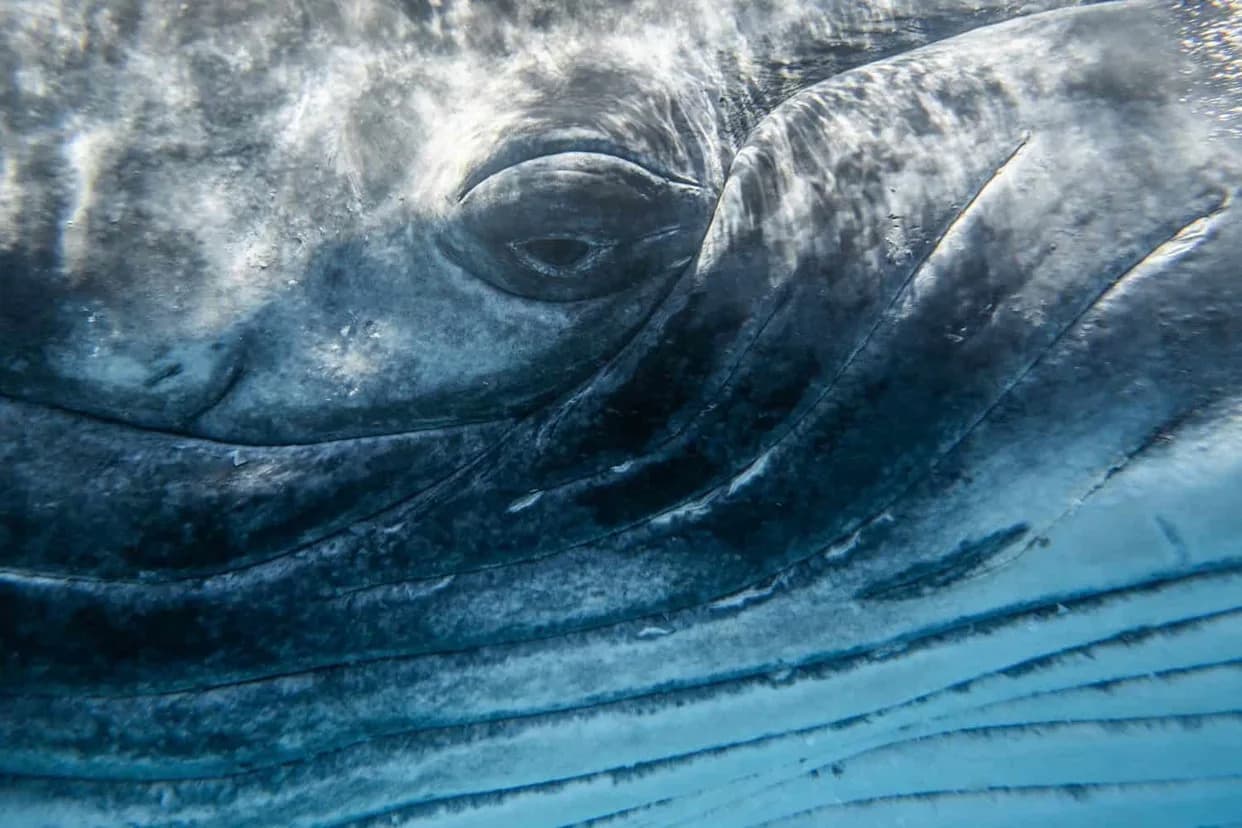
Researchers working in Quandamooka Sea Country (Moreton Bay) have recorded what they describe as the first documented underwater video of humpback whale calves nursing in Australian waters. The clips were captured using camera-equipped suction-cup tags and reinforce Moreton Bay's importance as a resting and nursery area for migrating mothers and their young.
Teams from Griffith University and the University of Hawaiʻi deployed 13 camera-equipped suction tags across two field seasons, collecting more than 35 hours of combined movement, acoustic and video data. Approximately half of the tagged calves were filmed nursing — a milestone that gives scientists direct insight into close-range mother–calf interactions in shallow coastal habitats.
Key Observations
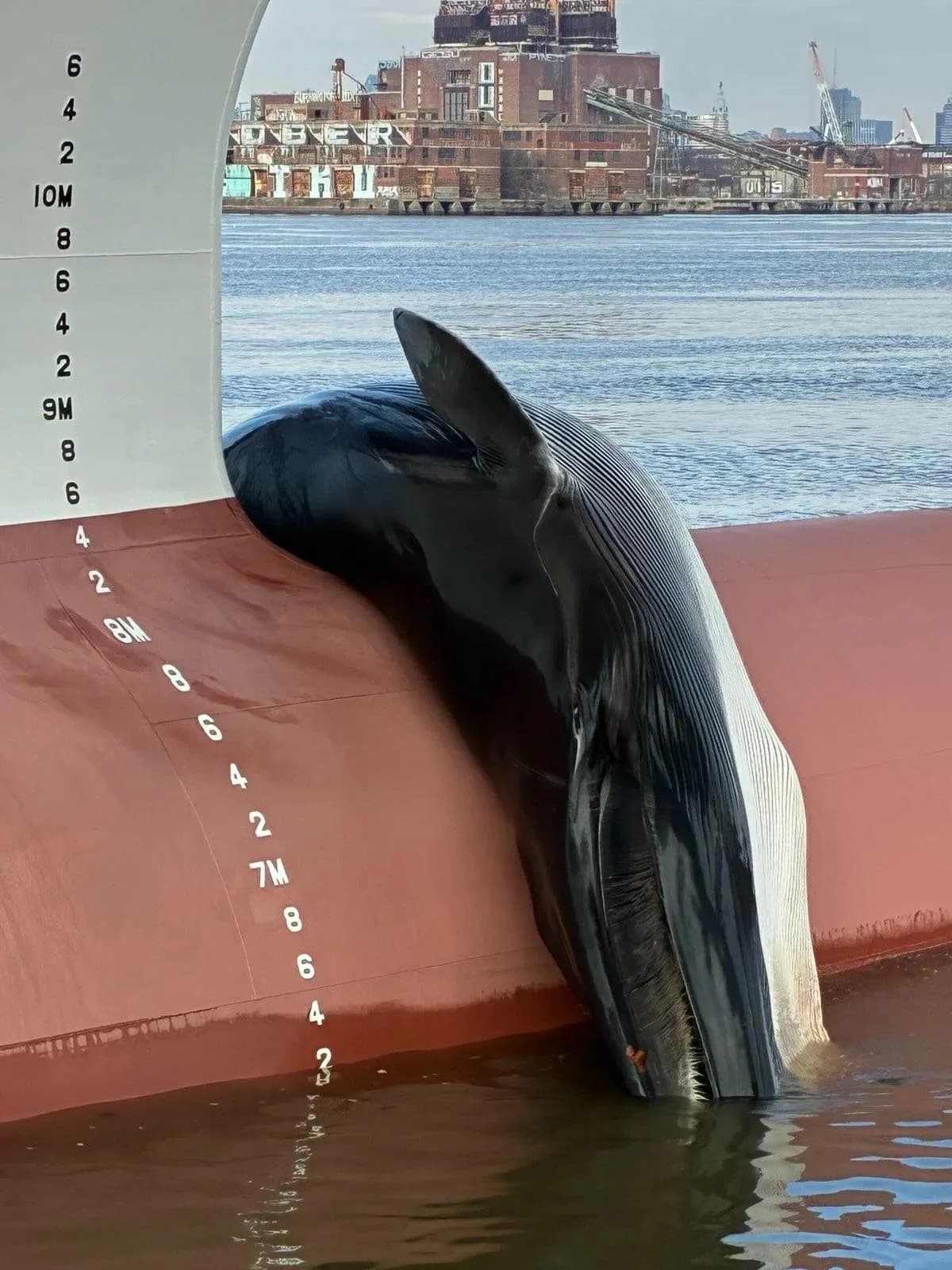
The study documented unusually high numbers of mother–calf pairs, groups of calves socialising and lone adults using the bay. Researchers also observed multiple whales with scars consistent with boat propeller strikes, and high levels of recreational vessel traffic in areas where whales were resting near the surface or in shallow water.
“To our knowledge, this is the first documented use of camera-equipped suction-cup tags on humpback whale calves in Australia.”
— Griffith University PhD candidate Stephanie Stack.
“Our growing understanding of the critical role that the bay plays in the life-history of the whales warrants a holistic assessment of the true ecological, social and cultural value of the bay so that these values are not degraded or lost in favour of short-term financial gain. Both years, we observed high levels of recreational vessel traffic throughout the Bay, including in areas where whales were resting at the surface or in shallow waters, and often in direct transit zones for boats.”
— Professor Susan Bengston Nash.
Researchers emphasise that non-invasive suction-cup camera tags are powerful conservation tools: they provide detailed behavioural, movement and acoustic information that can help assess population health, evaluate environmental restoration outcomes and guide targeted protection measures. Similar monitoring technologies have supported conservation work for species ranging from red pandas to Andean wild cats and wild buffalo in Thailand.
Implications for Management
The universities say the findings should inform state government rezoning discussions and vessel-management strategies to reduce the risk of collisions and propeller strikes. Suggested next steps include incorporating the new behavioural data into spatial planning, seasonal vessel restrictions or speed limits in critical nursery areas, and continued monitoring to evaluate conservation measures.
By combining direct video evidence with movement and acoustic records, the study provides compelling, actionable evidence of Moreton Bay’s role as a vital nursery and resting ground for humpback whales — and underscores the need for policy responses that balance human use with whale safety.
Help us improve.