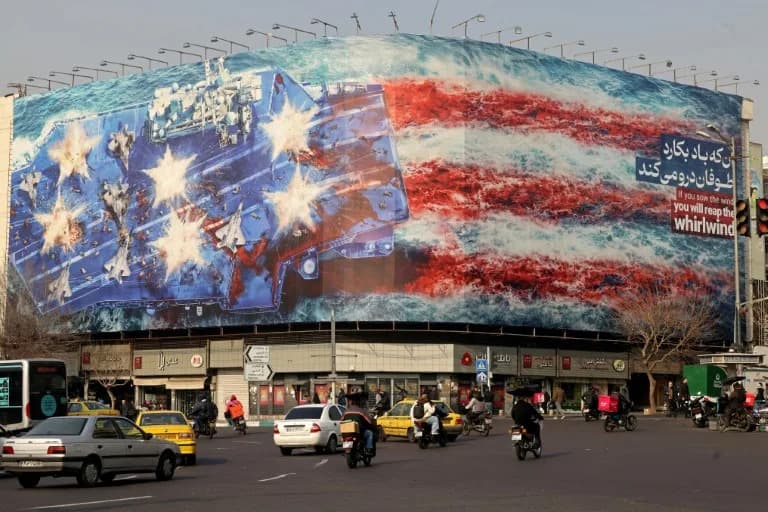
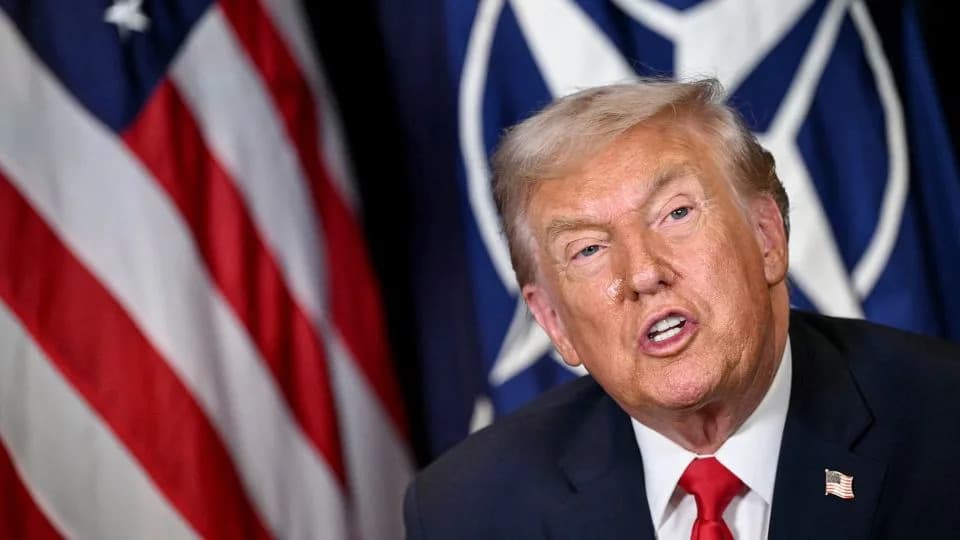
Maritime traffic in the Persian Gulf dropped sharply after the USS Abraham Lincoln Carrier Strike Group entered the U.S. Central Command area, as growing U.S.–Iran tensions prompted warnings from both sides. Ambrey Intelligence said five U.S.-flagged vessels were in the Gulf and advised operators of “heightened risk.” President Trump posted about a large naval deployment, while Iranian officials vowed immediate and severe retaliation for any U.S. strike. Human Rights Activists News Agency reported more than 6,200 protest-related deaths in Iran since Dec. 28.
Gulf Shipping Slows After USS Abraham Lincoln Enters Region as U.S. Readies Forces; Iran Issues Stark Warnings
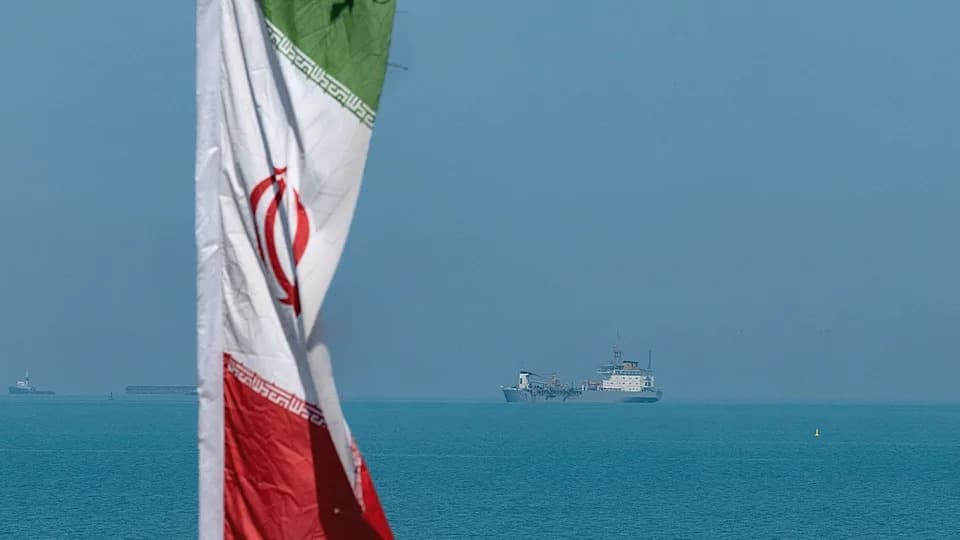
Persian Gulf tanker and cargo shipping dips as Trump positions military against Iran.(Getty Images)
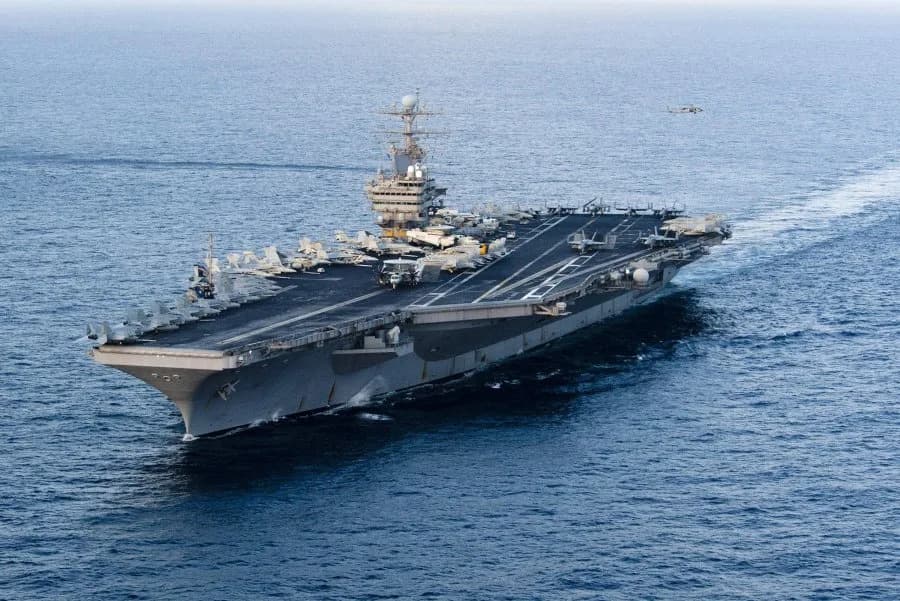
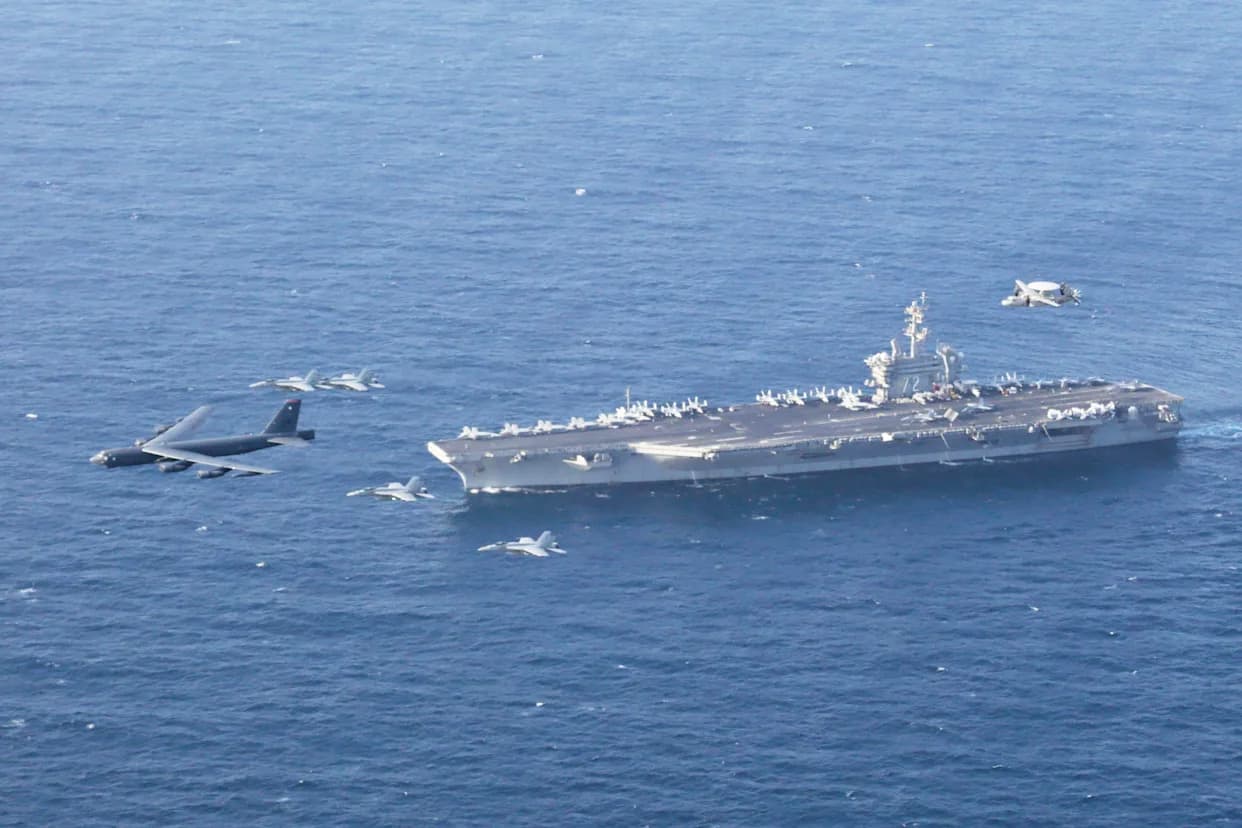
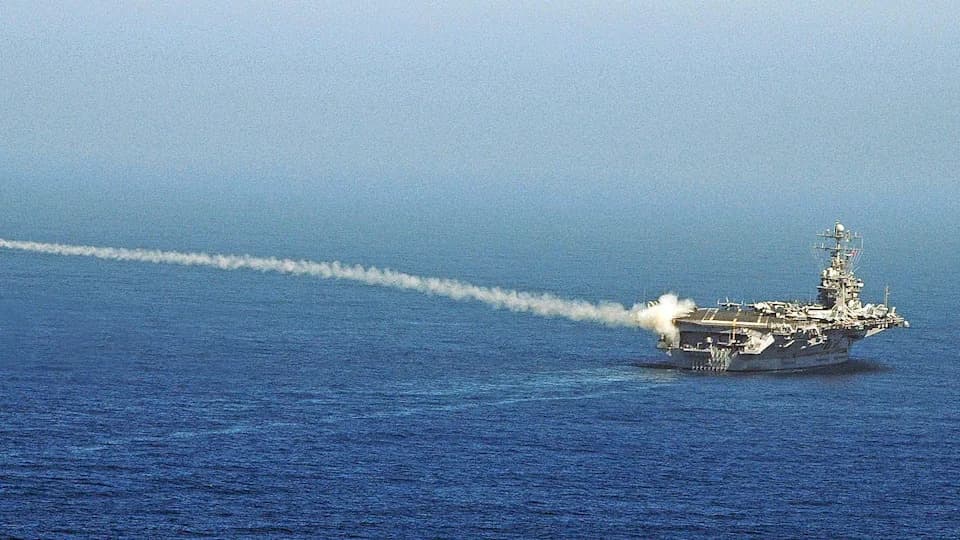
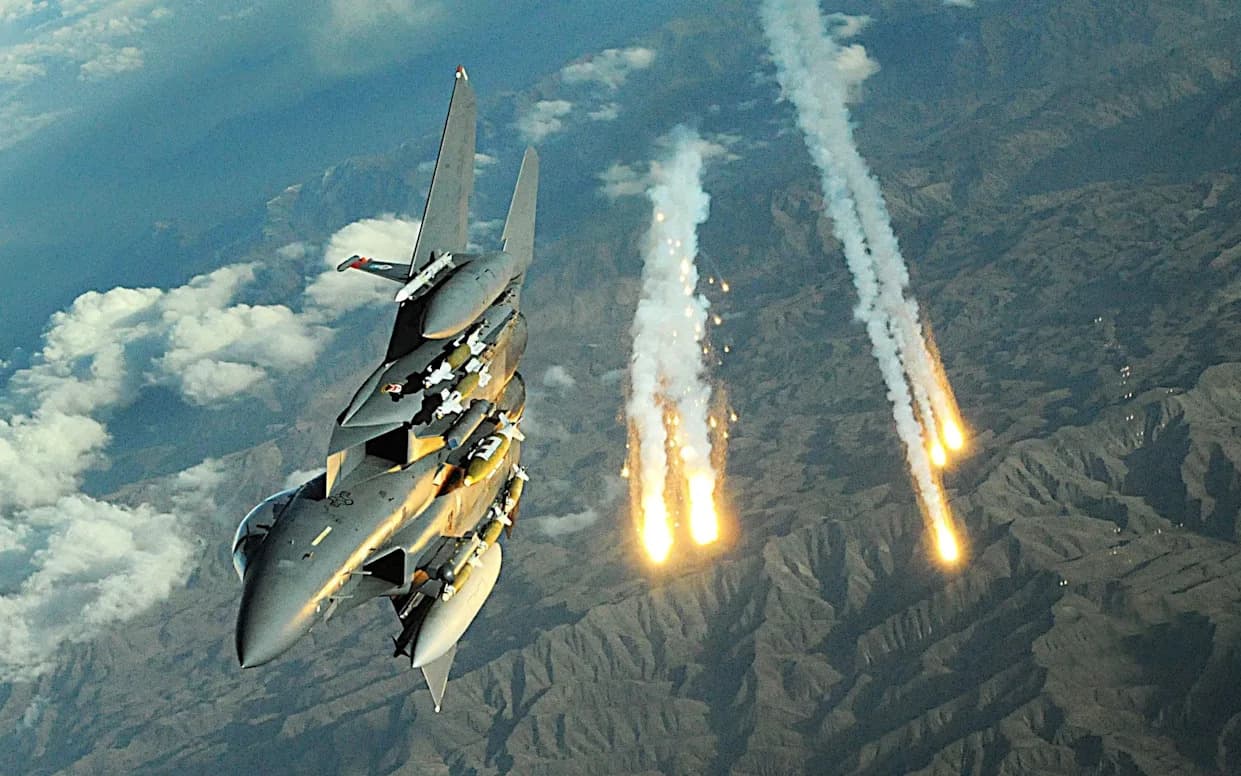
Maritime traffic in the Persian Gulf fell sharply Wednesday after the U.S. Navy's USS Abraham Lincoln Carrier Strike Group entered the U.S. Central Command area of responsibility, according to maritime intelligence sources. The movement comes amid heightened tensions between the United States and Iran and reports that U.S. forces are being positioned for a possible strike.
Naval Movements and U.S. Posture
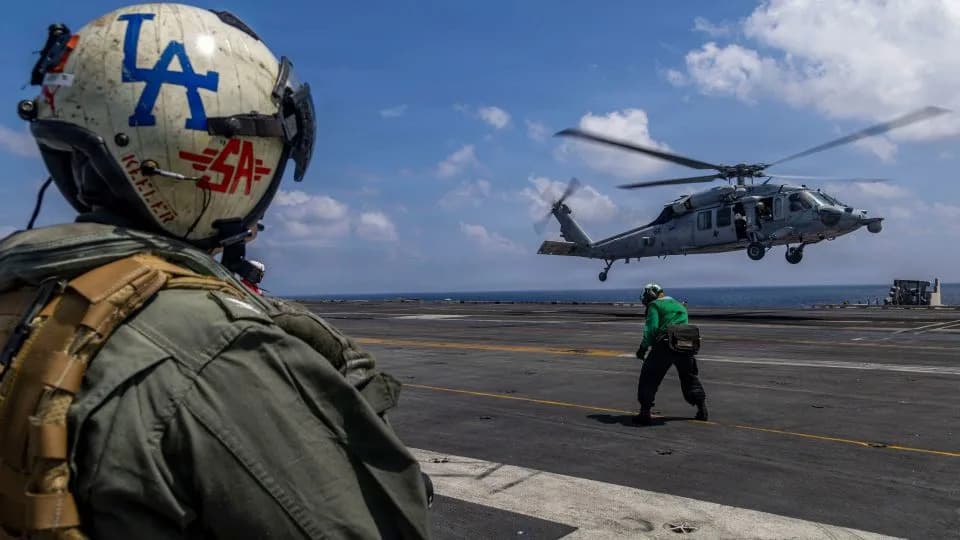
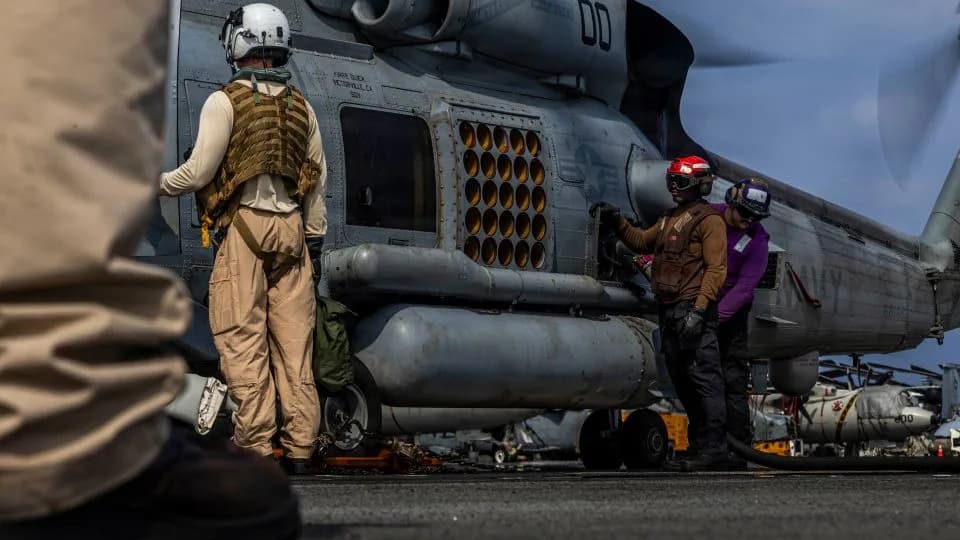
A U.S. official confirmed to Fox News Digital that the Abraham Lincoln group entered the region Monday. President Donald Trump continued to emphasize that military options remained on the table.
“At this stage, it remains ambiguous, and probably intentionally ambiguous, what the objectives and desired outcomes are of any U.S. military action,” said Robert Peters of Ambrey Intelligence. “This means that there are a wider range of possibilities and retaliatory scenarios under consideration.”
Peters added that five U.S.-flagged merchant vessels — a mix of tankers and cargo ships — were in the Gulf that day. Two had already transited the Strait of Hormuz without reported incident, but vessels currently in the Gulf and bound for the United States faced what he called a “heightened risk.”
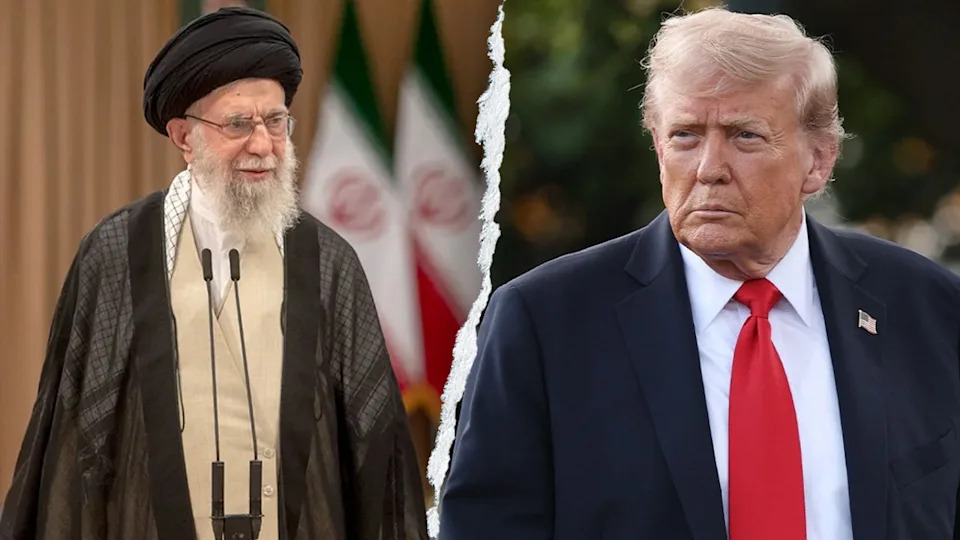
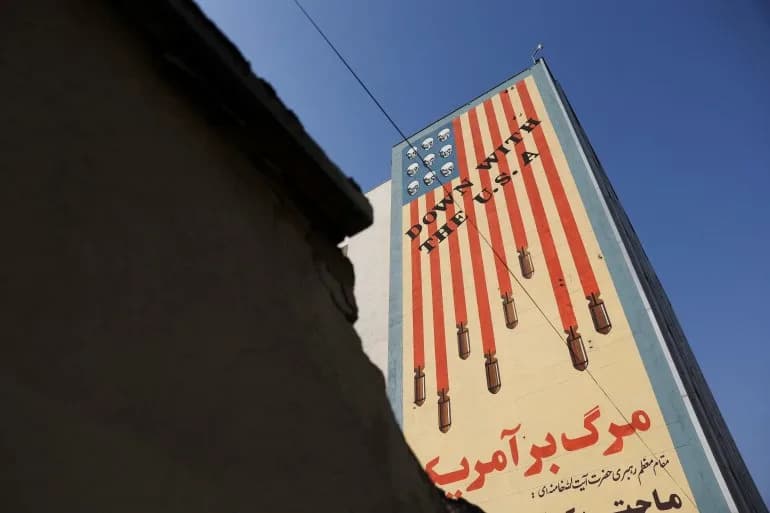
Iranian Supreme Leader Ayatollah Ali Khamenei says any action by the U.S. will be met with retaliation.
Political Messaging
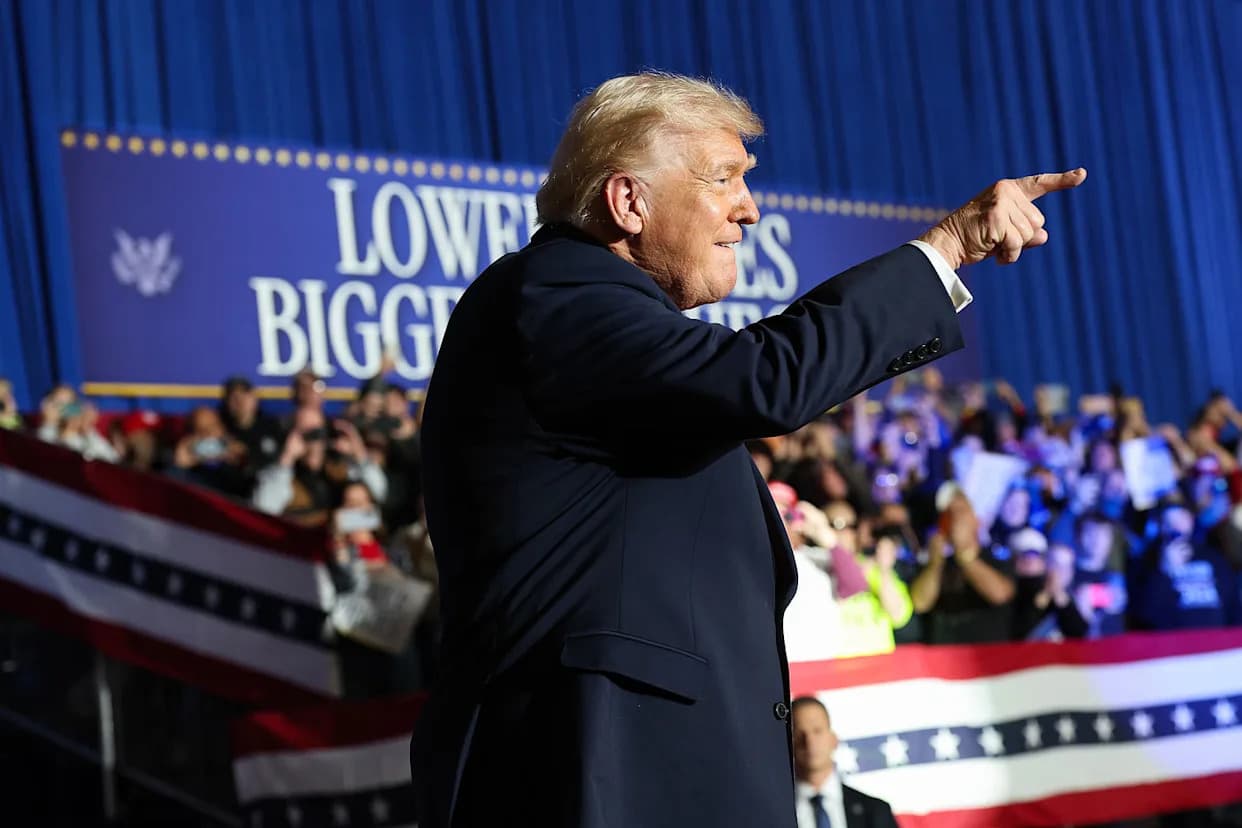
President Trump posted on Truth Social that “a massive armada is heading to Iran,” describing the force as larger than a prior deployment to Venezuela and warning that it was ready to act “with speed and violence, if necessary.” He urged Iran to “come to the table” and negotiate, reiterating a call for no nuclear weapons and warning time was running out.
Domestic Unrest in Iran
The Human Rights Activists News Agency (Hrana) reported that nationwide protests in Iran have resulted in more than 6,200 deaths since Dec. 28, with nearly 17,100 people reportedly under investigation amid ongoing arrests and internet restrictions. The domestic unrest forms part of the broader context behind the current spike in tensions.

Demonstrators burn a poster depicting Iran's Supreme Leader Ayatollah Ali Khamenei during a rally in support of anti-government protests in Iran Jan. 14., in Holon, Israel.
Iranian Warnings
Ali Shamkhani, an adviser to Iran’s Supreme Leader Ali Khamenei, warned that any U.S. military action “from any origin and at any level” would be treated as the start of a war and would prompt an “immediate, all-out, and unprecedented” response targeting “the heart of Tel Aviv and all those who support the aggressor,” according to Iran International.
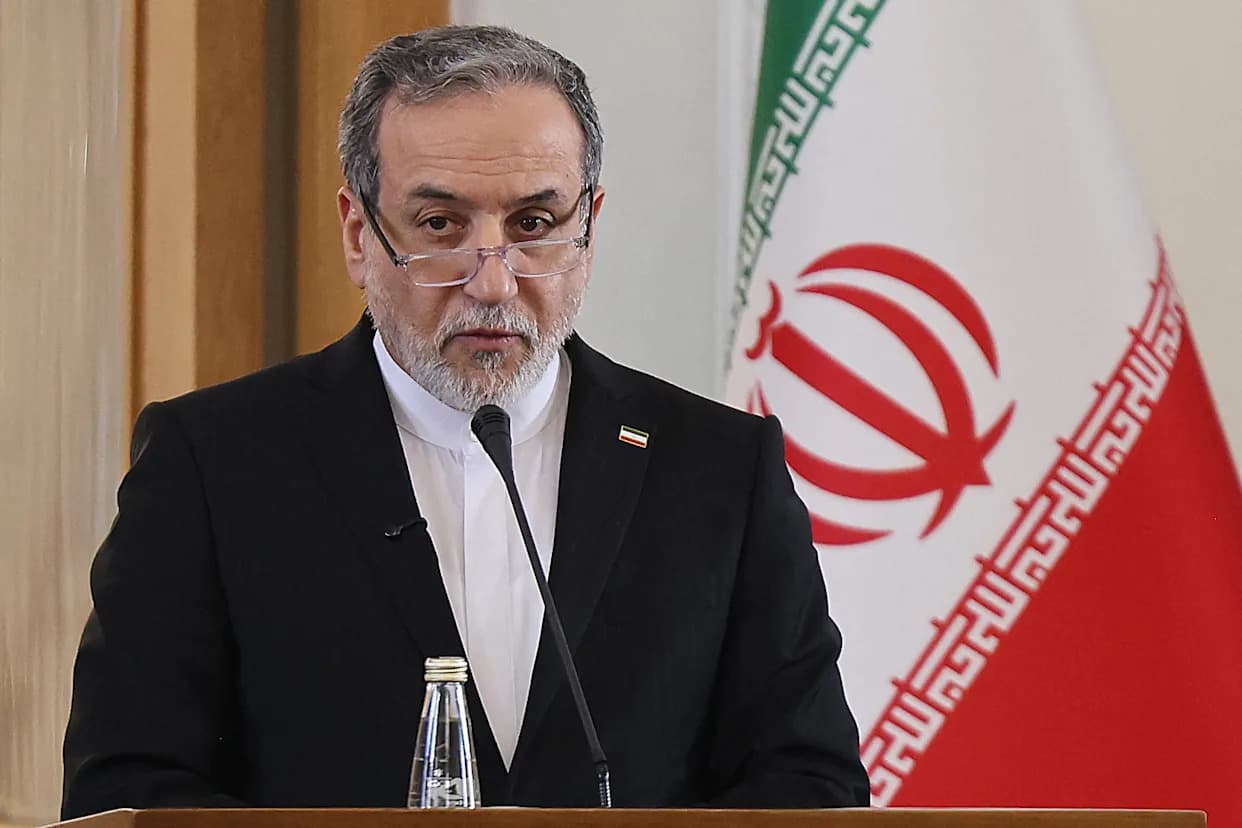
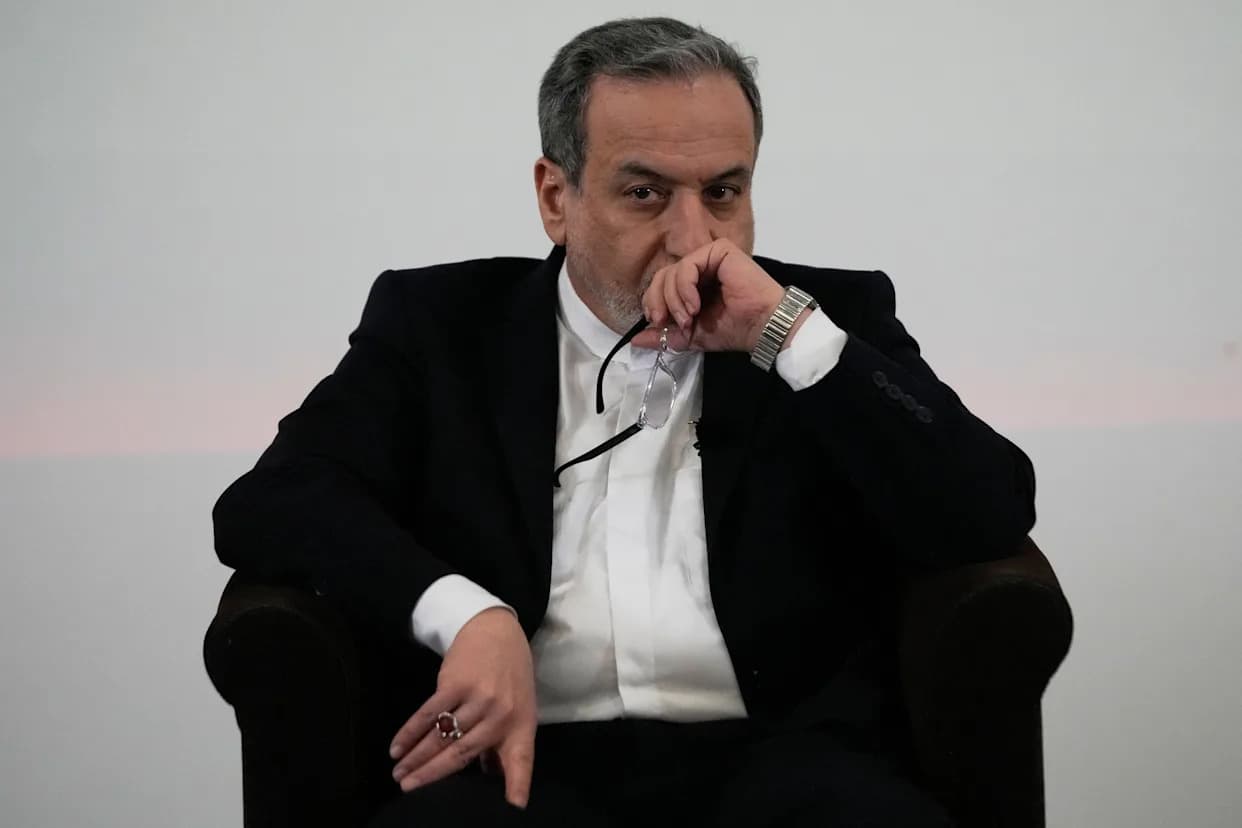
Iran’s Foreign Minister Abbas Araghchi posted on X that “our brave Armed Forces are prepared — with their fingers on the trigger — to immediately and powerfully respond to ANY aggression against our beloved land, air, and sea.”
Commercial Shipping Reaction
Maritime and shipping firms have been advised to reduce aggregate exposure when operating in the Arabian/Persian Gulf. Practically, that guidance can mean rerouting vessels, delaying transits or waiting closer to a destination port until tensions ease.
“At this point, it is more appropriate to wait further away in case of an escalation,” Peters said, explaining that cargo charterers may request ships to load in the Gulf but shipowners often decline to limit risk. He noted that last year Iran did not significantly expand maritime retaliation; Israeli shipping was already avoiding the Gulf and U.S. military strikes were narrowly targeted at nuclear capabilities. But Peters warned that a broader, regime-destabilizing operation could produce far-reaching disruption to shipping and trade.
Outlook
The situation remains fluid and ambiguous. Analysts say ambiguity expands the range of plausible outcomes — from limited, highly targeted strikes to broader operations that could trigger retaliatory attacks affecting commercial shipping and regional stability. Shipping firms and insurers likely will remain cautious until diplomatic or operational signals reduce the risk of escalation.
Help us improve.