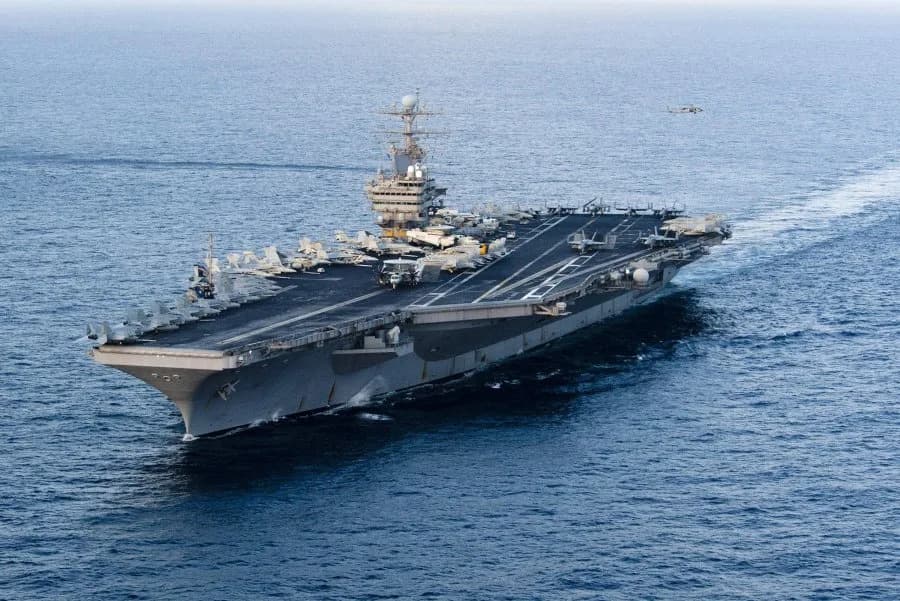
USS Abraham Lincoln carrier strike group has moved into the Indian Ocean, operating inside CENTCOM’s area and drawing U.S. forces closer to Iran. President Trump is reportedly still weighing strike options while Iranian leaders warn any attack would be met with strong, destabilizing responses. HRANA has reported thousands of protest-related deaths inside Iran amid the crackdown. Regional allies have urged restraint to avoid a wider escalation.
USS Abraham Lincoln Carrier Strike Group Moves Into Indian Ocean, Raising Tensions With Iran
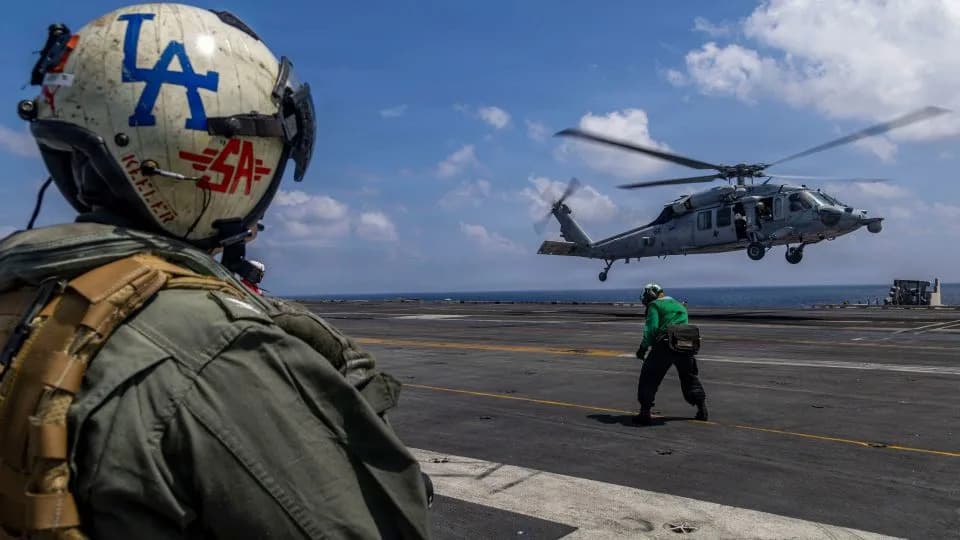
U.S. Navy Capt. Daniel Keeler prepares to fly an MH-60R Sea Hawk helicopter, attached to Helicopter Maritime Strike Squadron 71, on January 23, 2026. Sources told CNN on Monday that the Abraham Lincoln Carrier Strike Group is now in the Middle East region. - Seaman Daniel Kimmelman/US Navy
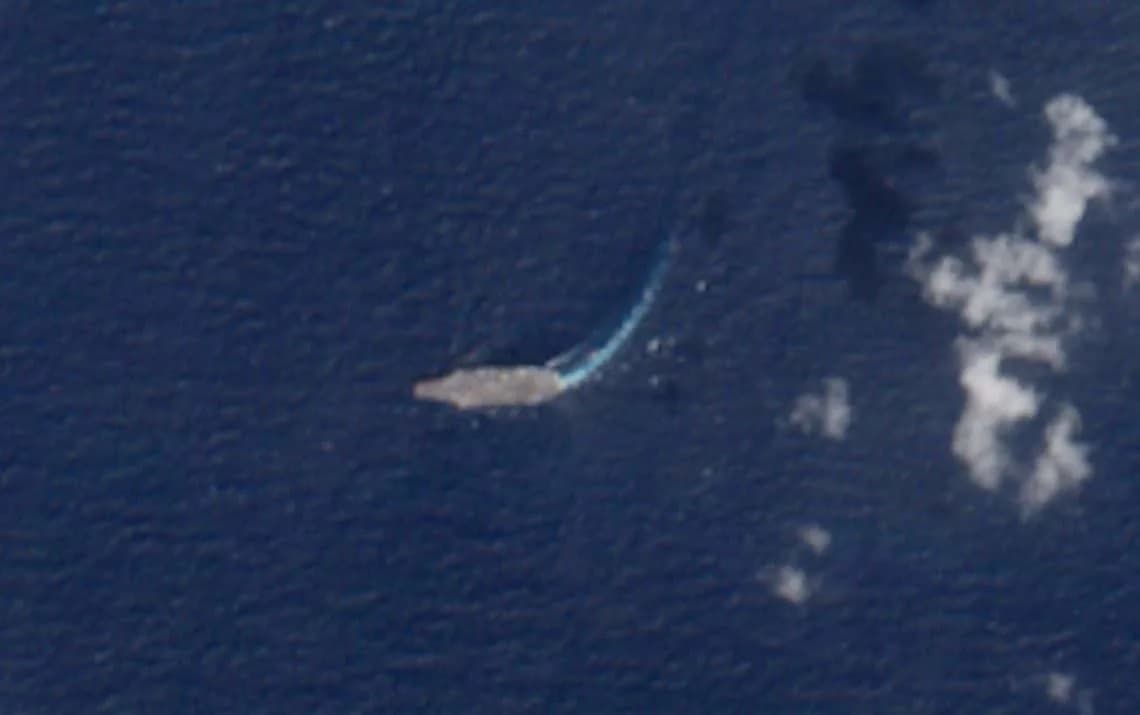
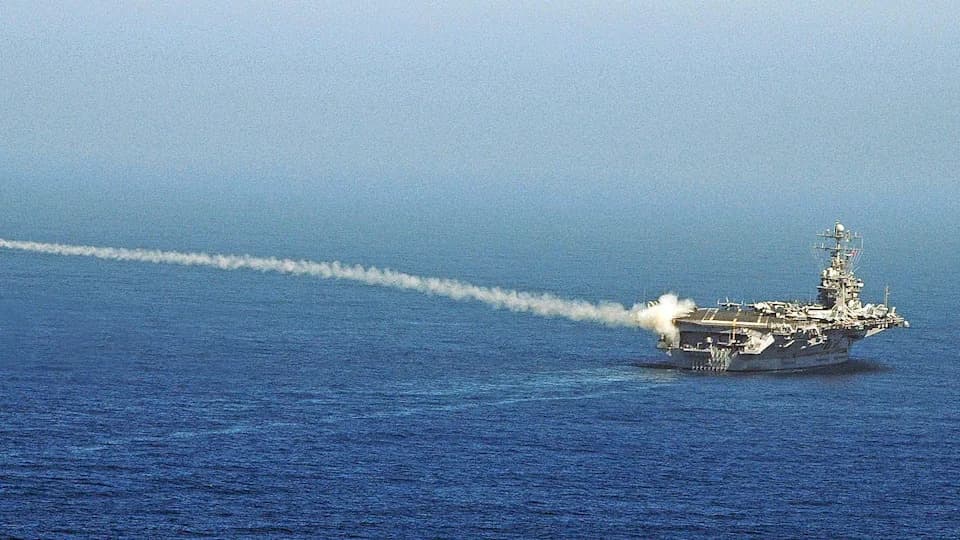
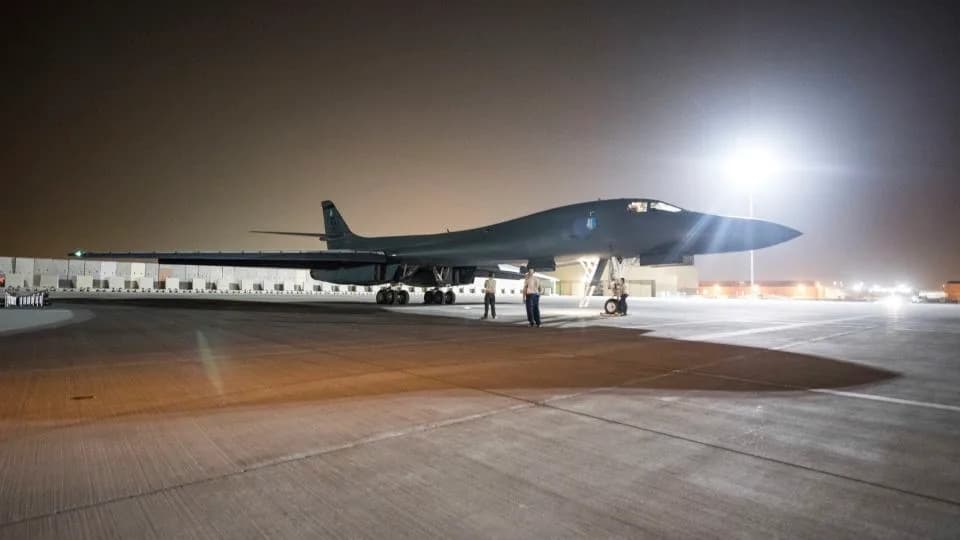
The USS Abraham Lincoln carrier strike group has moved into the Indian Ocean, U.S. officials told CNN, positioning U.S. naval power closer to the Middle East and potentially within reach to support operations targeting Iran.
The carrier and its escort ships are operating inside the area of responsibility of U.S. Central Command (CENTCOM), the military authority that oversees operations in the region. Officials cautioned the group’s current location does not necessarily represent a final launch point for any strike; President Donald Trump is reportedly still weighing options and no decision has been announced.
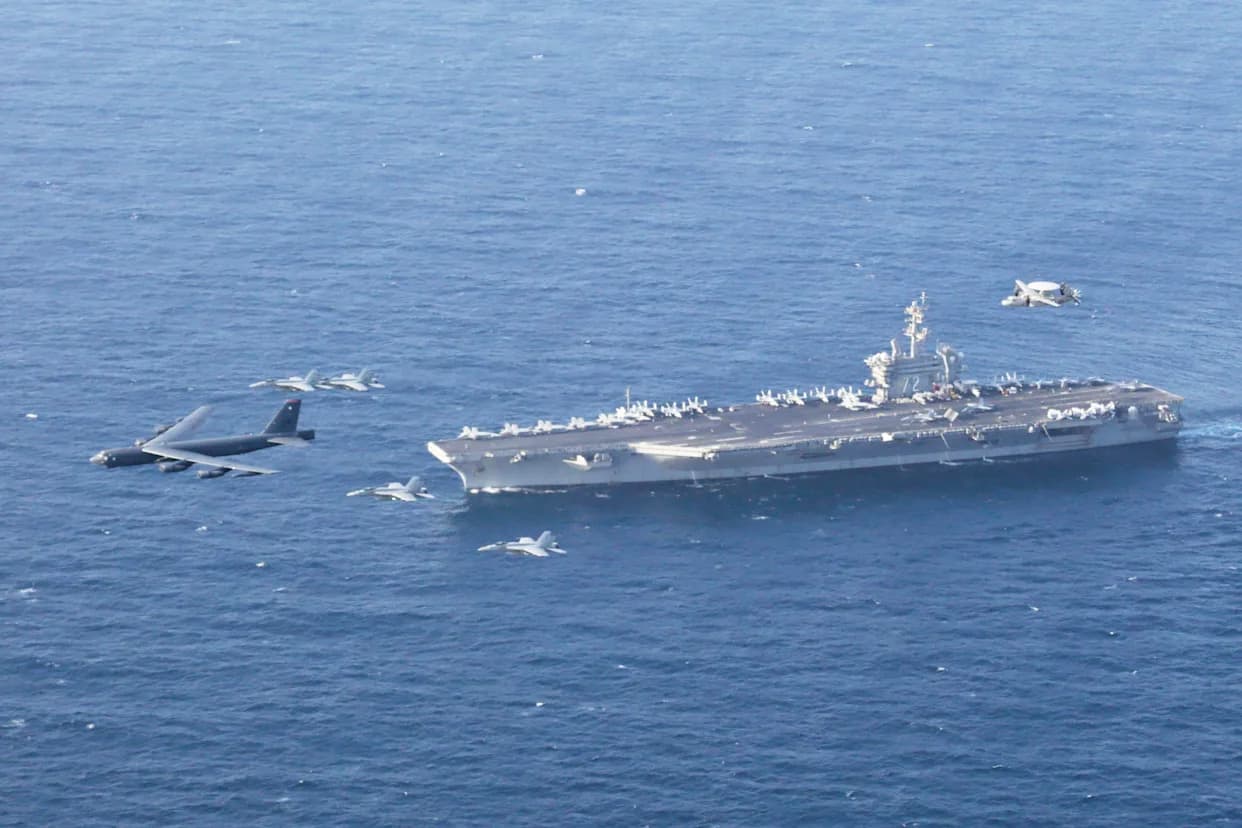
What a carrier strike group includes
A carrier strike group typically comprises an aircraft carrier alongside guided-missile cruisers, air-defense ships and anti-submarine destroyers or frigates.
CNN previously reported the Abraham Lincoln was en route to the region. U.S. partners and allies have urged Washington to refrain from precipitating military action that could further destabilize the area.
Humanitarian Toll and Political Pressure
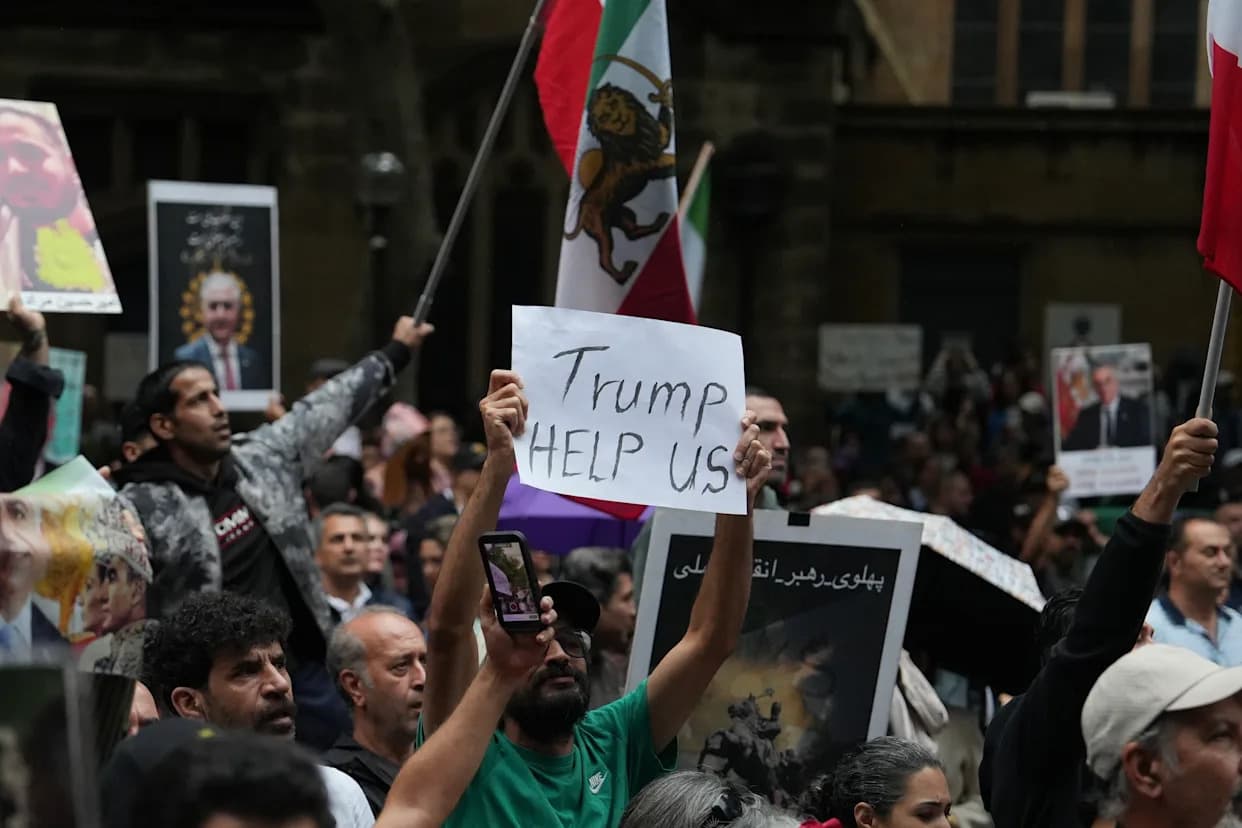
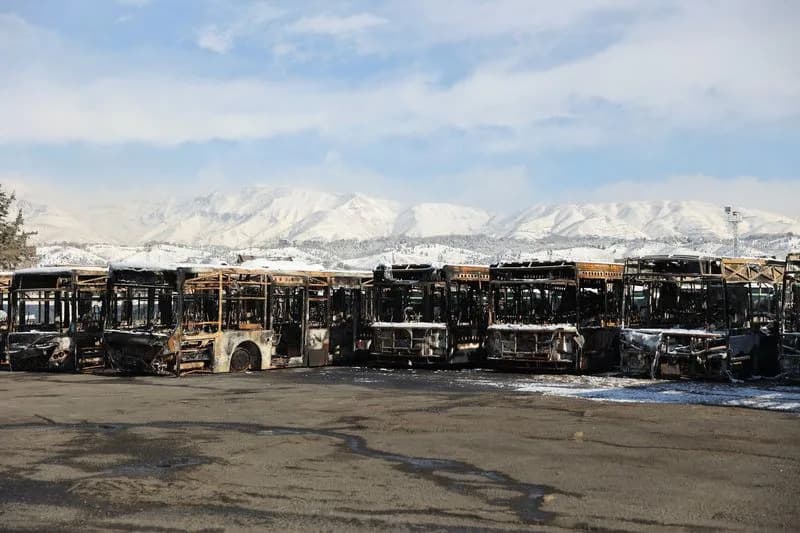
In Iran, the government’s crackdown on nationwide demonstrations has produced mounting casualties. The U.S.-based Human Rights Activists News Agency (HRANA) reported on Sunday that 5,520 protesters have been killed since demonstrations began late last month, and that another 17,091 deaths remain under review. These figures are as reported by HRANA.
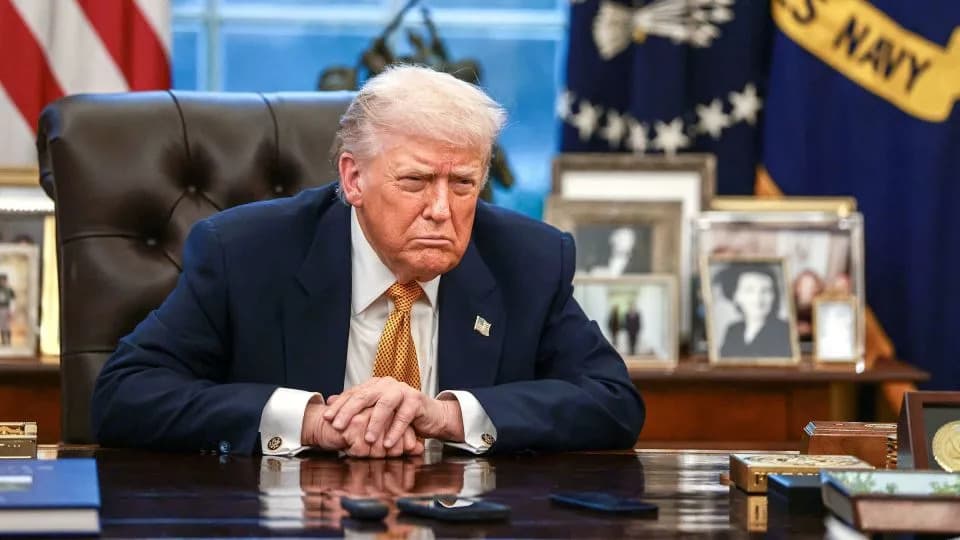
President Trump has repeatedly warned Iran against killing protesters and has threatened possible intervention if repression continues. Still, he suggested last week that Tehran “wants to talk,” and an administration official reiterated on Monday that the United States is open to discussions if Iran understands the terms.
“We are open for business … as they say, so if they want to contact us and they know what the terms are, then we’re going to have the conversation,” the official said.
Tehran’s Response
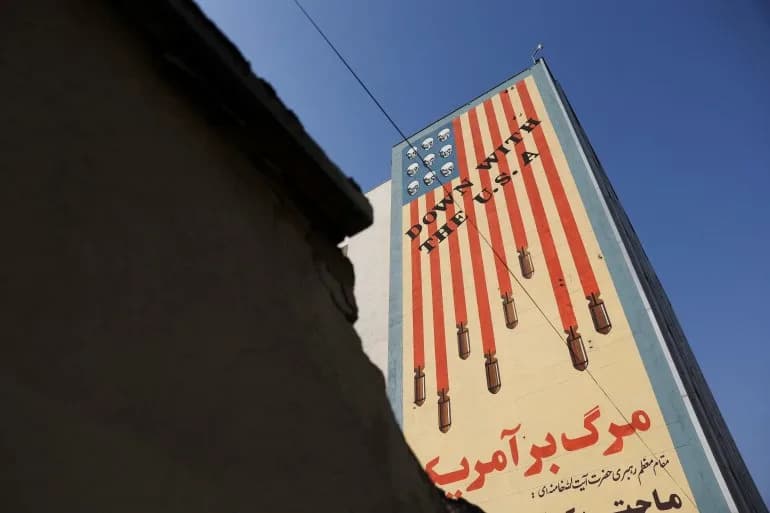
Iranian authorities and military officials have warned they would respond forcefully to any U.S. attack. In Tehran, a large mural unveiled in Revolution Square depicted fighter jets flying over a warship bearing a U.S. flag. During Friday prayers, the sermon’s imam warned Washington against launching strikes.
Mohammad Ali Akbari said: “The trillion dollars you invested in the region are under the watch of our missiles.”
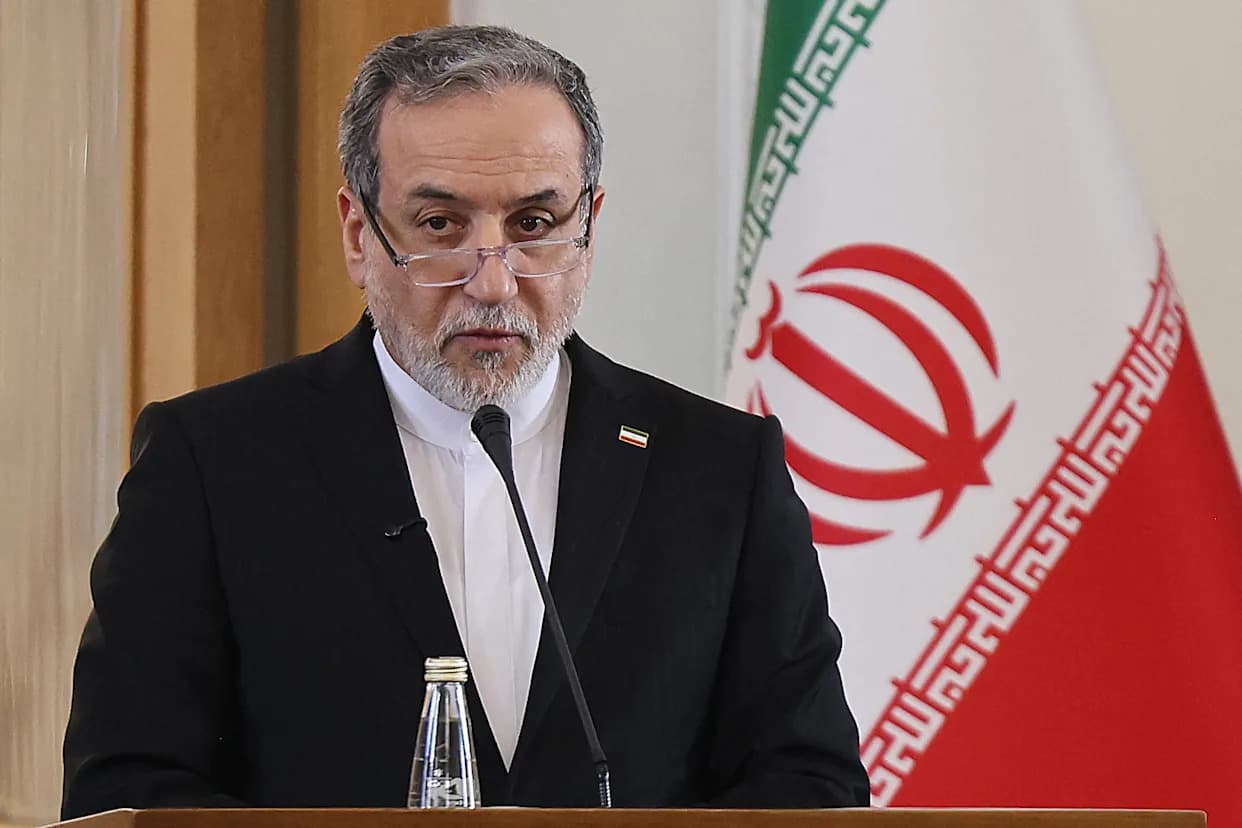
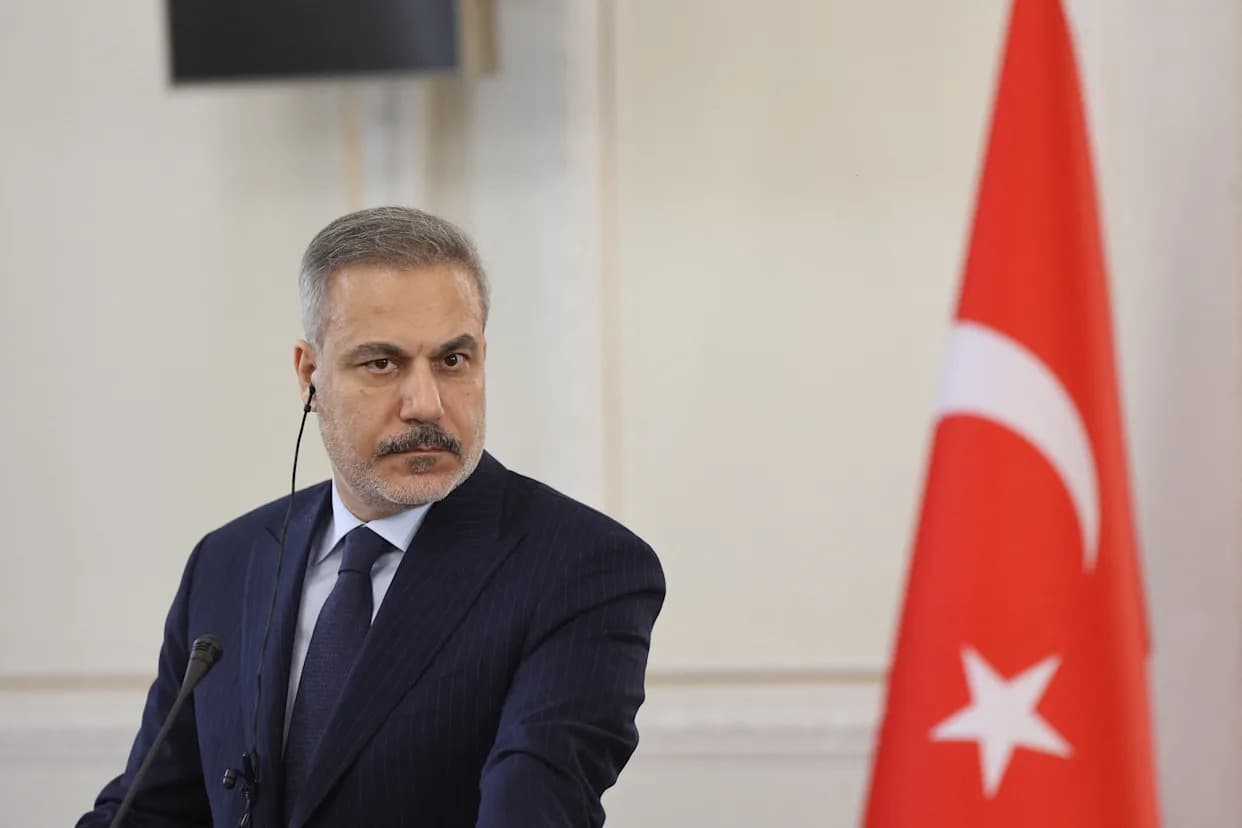
Iranian Foreign Ministry spokesman Esmaeil Baghaei told journalists that Tehran is “more than capable” of responding to aggression with a “regretful” response and added that “the arrival of one or several warships does not impact Iran’s defensive determination.”
“Our armed forces are monitoring every development and are not wasting a single second to enhance their capabilities,” Baghaei said.
Iranian military statements this weekend also asserted that missile and drone capabilities have improved significantly since a 12-day conflict with Israel in June; Tehran said it launched multiple waves of missile and drone strikes during that confrontation. Maj. Gen. Ali Abdollahi, commander of Iran’s Khatam al-Anbiya Central Headquarters, warned any aggression against Iran “will immediately turn all American interests, bases and centers of influence into legitimate, definite and accessible targets.”
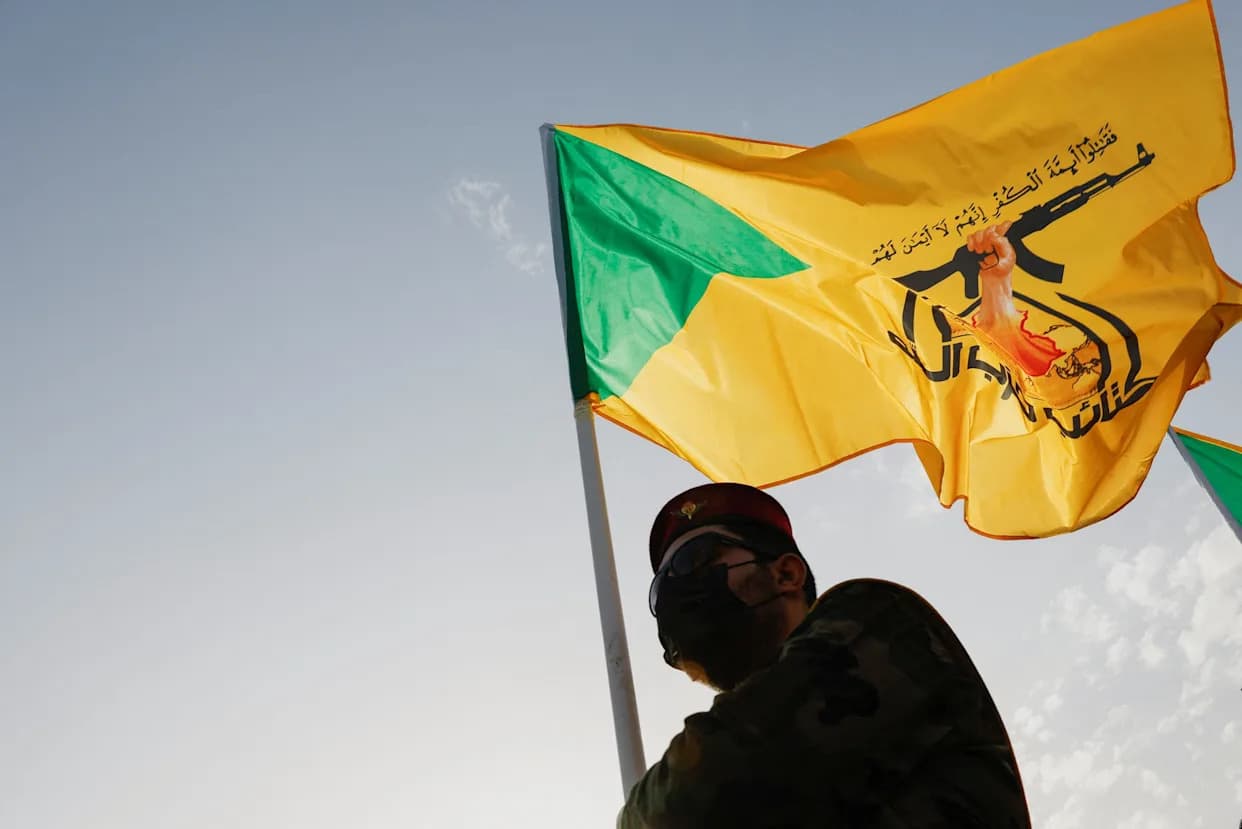
Iran also has a network of regional proxies that could be mobilized in response to an attack. Some groups, such as Hezbollah, have been weakened by recent fighting with Israel, while other militias remain well-armed. On Sunday, Abu Hussein al-Hamidawi, commander of Iraq’s pro-Iran Kataeb Hezbollah, urged loyalists “across the globe … to prepare for all-out war in support of the Islamic Republic of Iran.”
Regional U.S. allies in the Persian Gulf, worried about escalation, have reportedly lobbied the U.S. government to exercise restraint, according to officials who spoke with CNN.
Reporters Nadeen Ebrahim and Jennifer Hansler contributed to this report.
Help us improve.