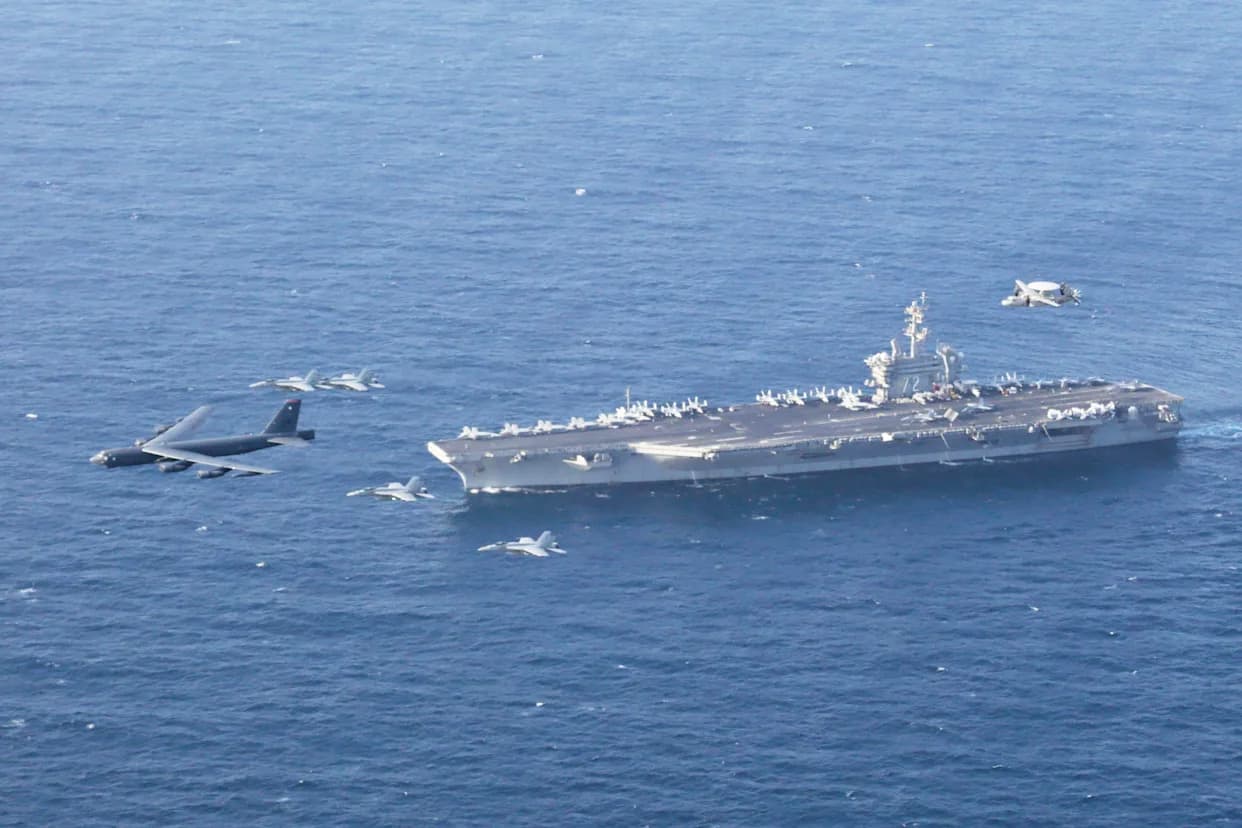
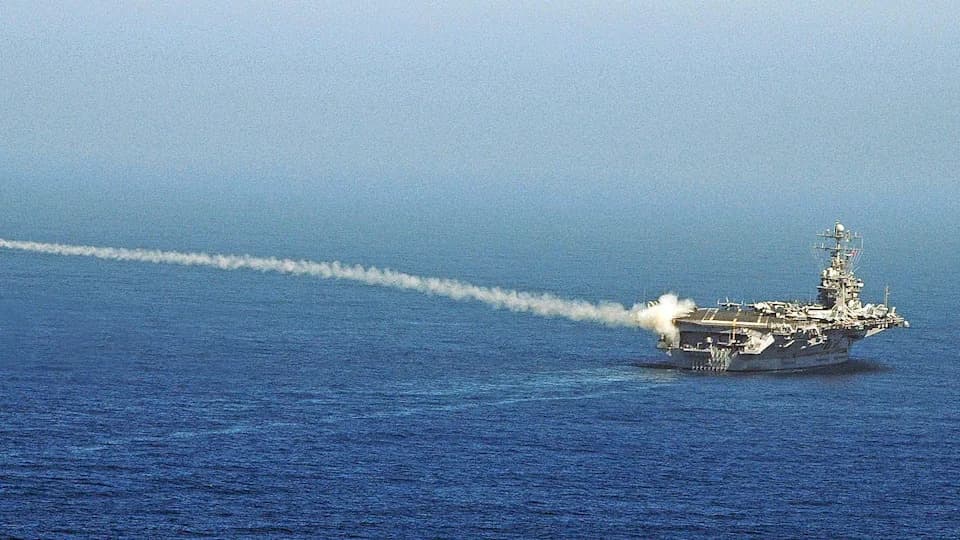
A United States aircraft carrier strike group is heading to the Gulf as tensions with Iran intensify. US officials say the deployment includes the carrier USS Abraham Lincoln and escort vessels, and is intended to bolster deterrence and protect US forces and interests in the region.
What Is Deploying
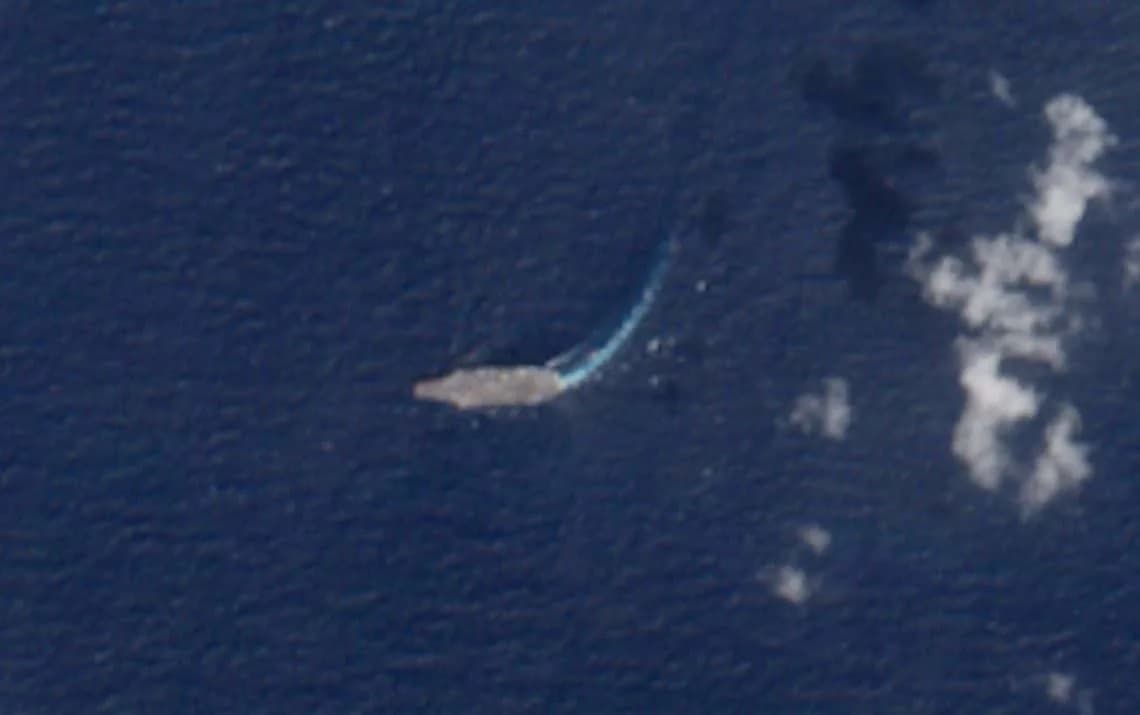
The carrier strike group: The USS Abraham Lincoln was redirected from the South China Sea toward the Middle East more than a week ago. Its strike group includes Arleigh Burke–class destroyers equipped with Tomahawk cruise missiles.
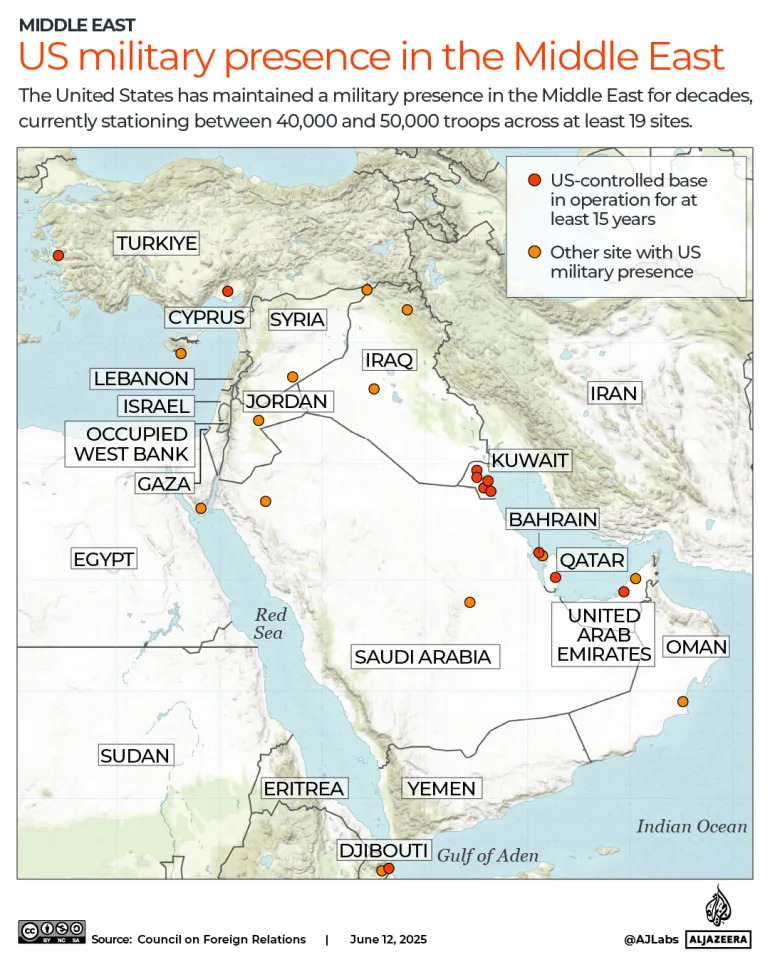
INTERACTIVE-US Military presence in the Middle East June 2025 map-1768495584
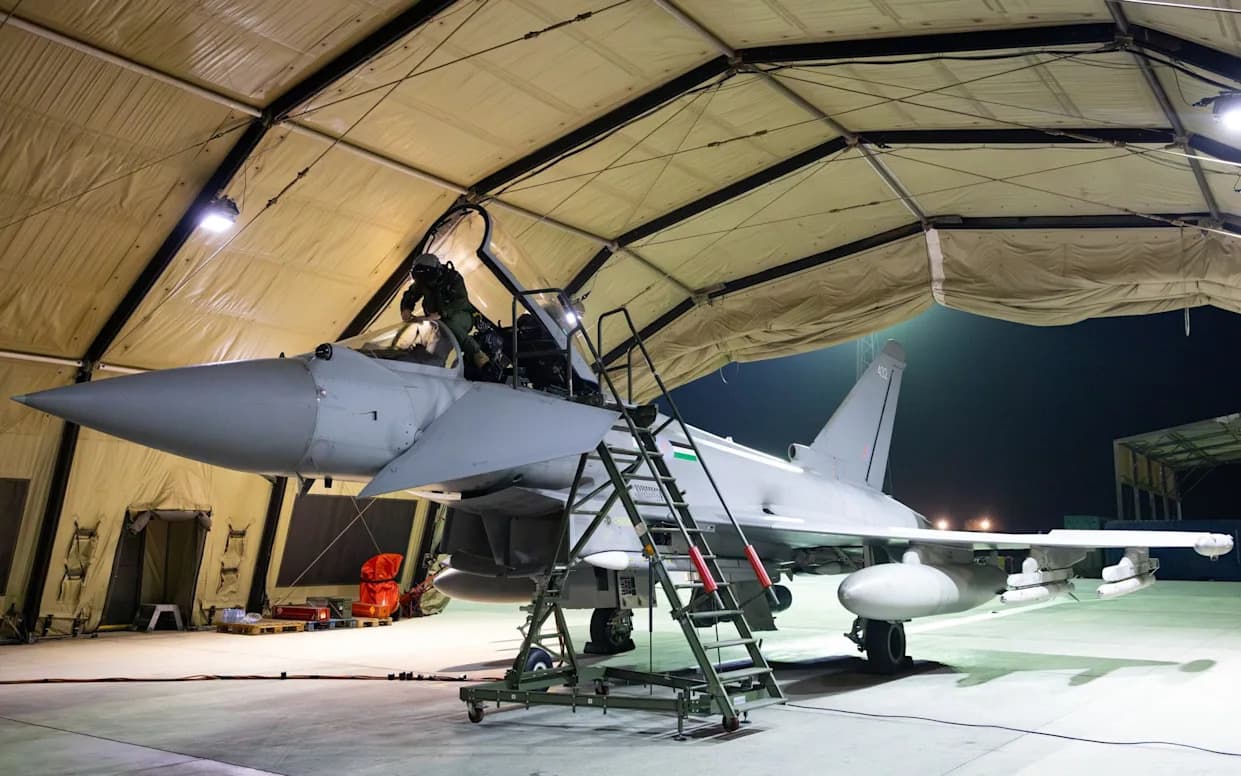
Escort vessels and air-defence assets: Other ships en route are fitted with the Aegis combat system, which provides layered defence against ballistic and cruise missiles and other aerial threats. US officials have also said additional air-defence systems are under consideration for possible deployment to regional bases.
Capabilities and Past Actions
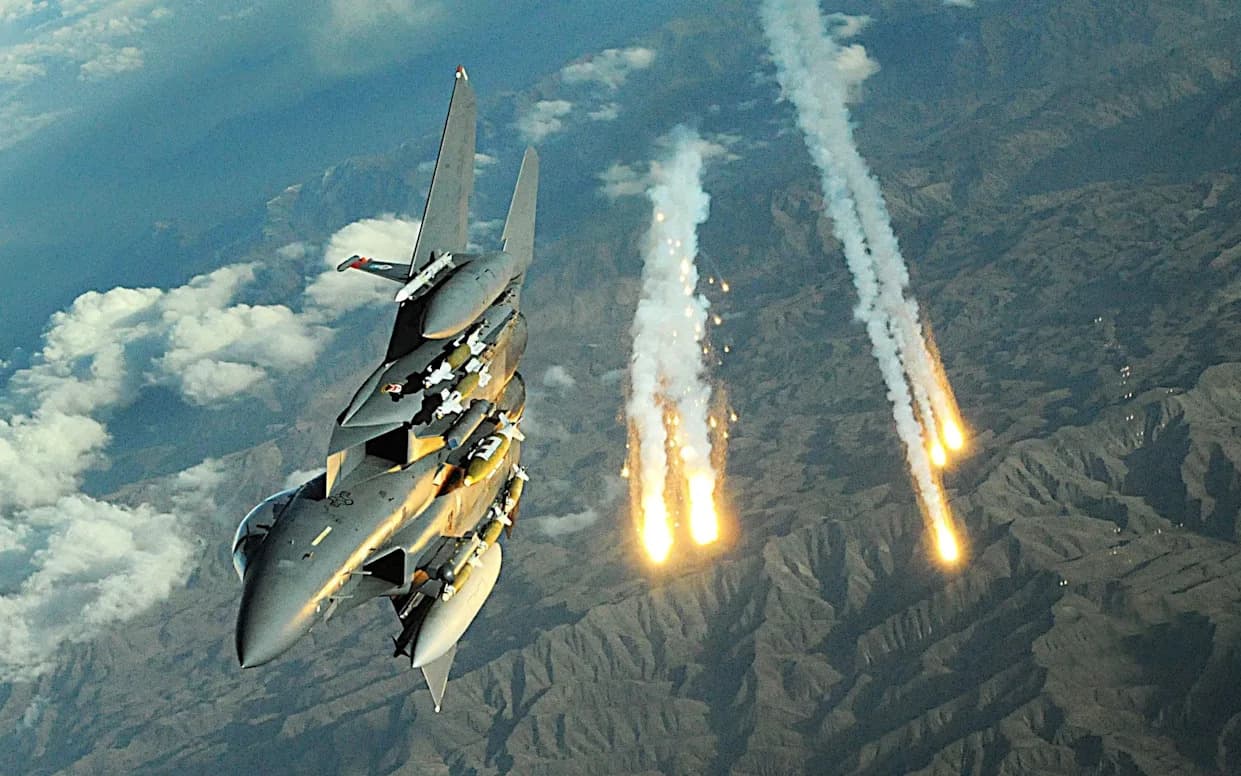
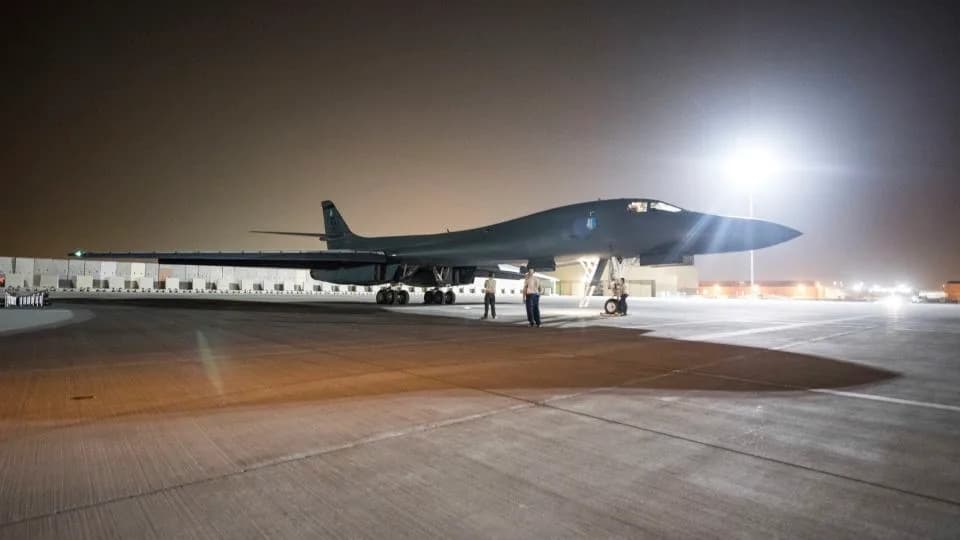
The destroyers accompanying the carrier are capable of launching long-range Tomahawk cruise missiles that can strike targets deep inland. When Washington has conducted strikes in the past, US forces reportedly have used submarine-launched Tomahawks and long-range bombers.
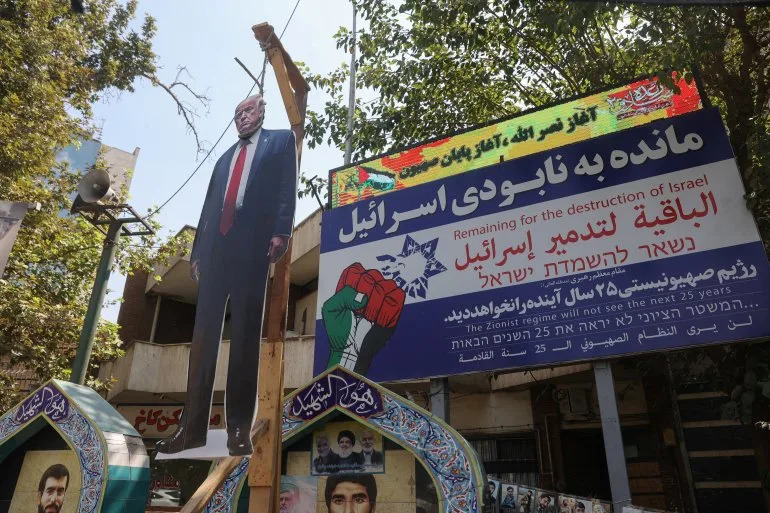
A cut-out of US President Donald Trump is hanged in Palestine Square in Tehran, Iran, on September 6, 2025 [Majid Asgaripour/WANA via Reuters]
Rhetoric, Warnings and Reactions
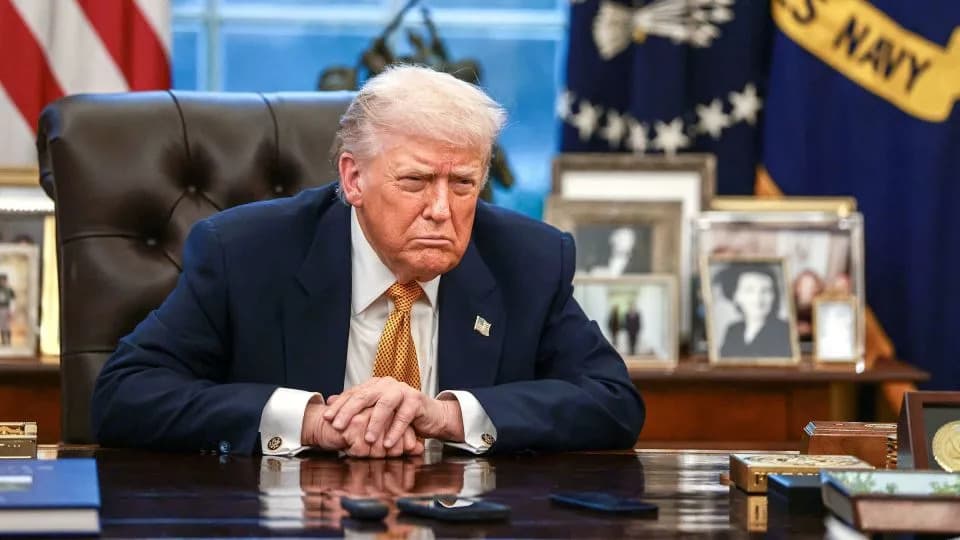
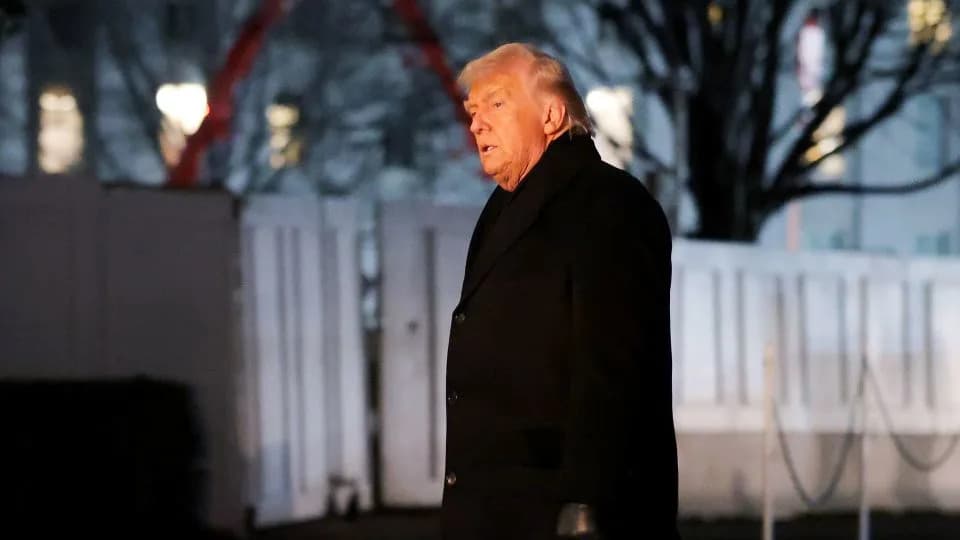
President Donald Trump described a US "armada" moving toward the Gulf, saying, "We’re watching Iran. We have a big force going towards Iran," while adding that the hope was the force would not need to be used.
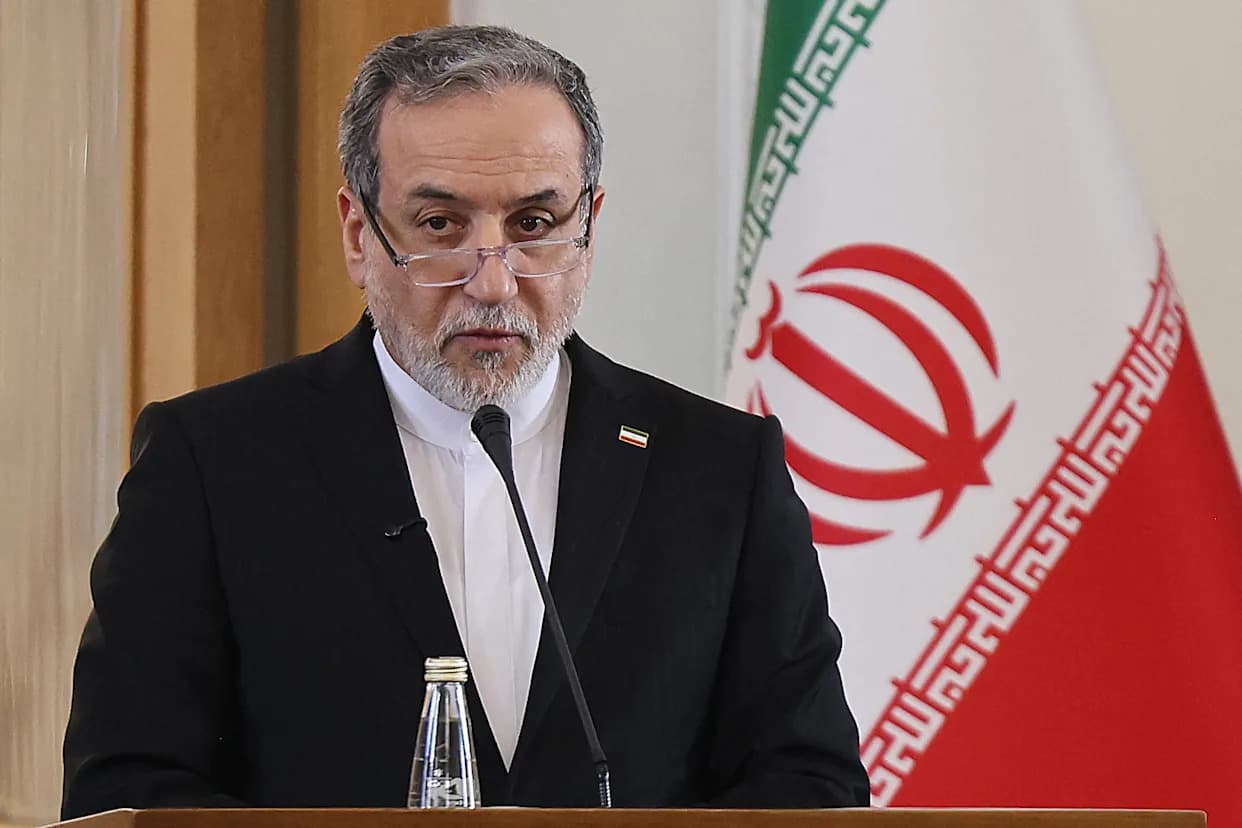
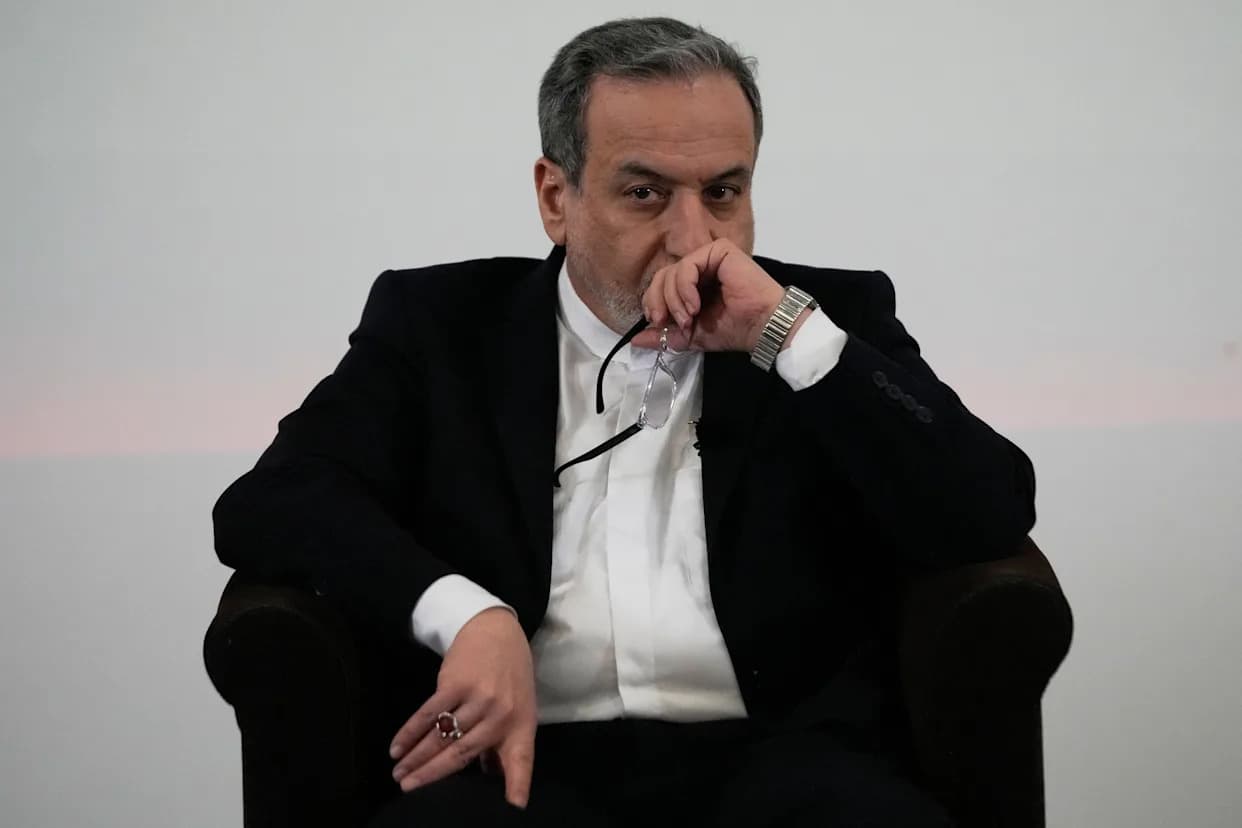
Iranian officials responded with stern warnings. Ali Abdollahi Aliabadi, who coordinates between Iran’s regular army and the Islamic Revolutionary Guard Corps, warned any strike on Iran would make US bases in the region "legitimate targets." General Mohammad Pakpour of the Revolutionary Guard said Iran was "more ready than ever, finger on the trigger," and cautioned against miscalculation.
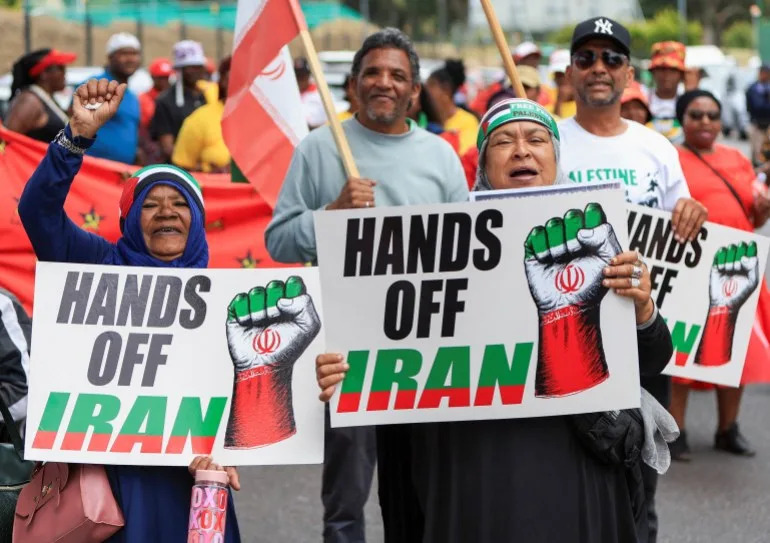
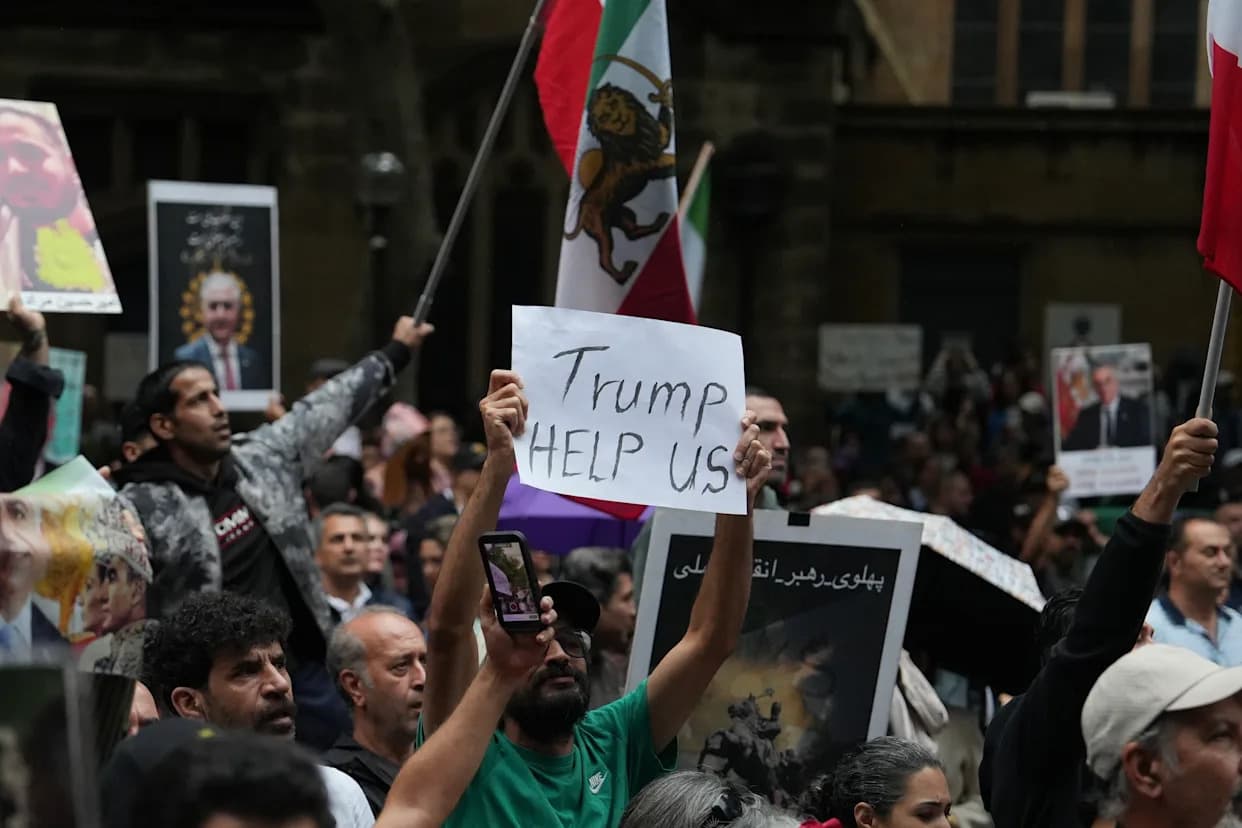
Protesters rally outside the US embassy in solidarity with the people of Venezuela, Iran and Palestine in Cape Town, South Africa, on January 22, 2026 [Esa Alexander/Reuters]
Regional Impact
The build-up has affected regional security and transportation. Several airlines temporarily canceled or postponed routes to Dubai and other Gulf destinations, citing safety concerns. Over the weekend, carriers including Air France, Luxair, KLM and Transavia adjusted flights to and from the region.
Sanctions and Diplomatic Pressure
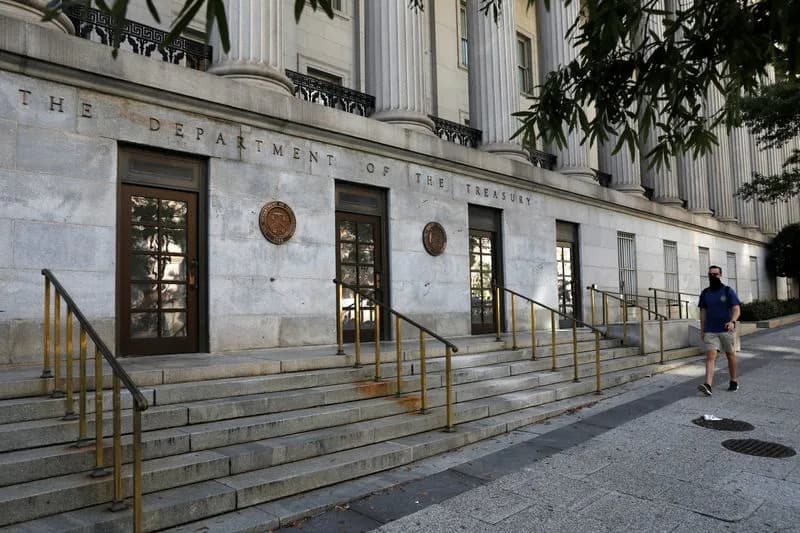
As part of ongoing pressure on Tehran, the US imposed sanctions on a fleet of nine ships and their owners, accusing them of transporting significant quantities of Iranian oil to foreign markets in violation of sanctions. US officials described the vessels as part of a "shadow fleet" used to move sanctioned goods.
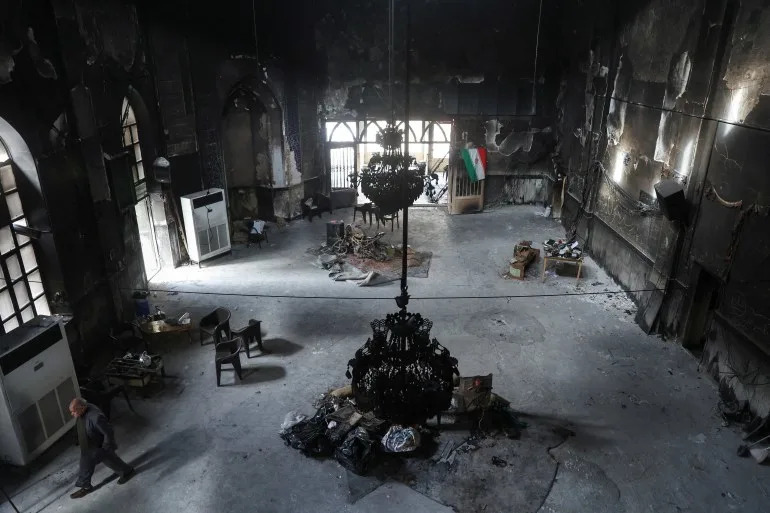
This mosque in Tehran was burned this month during antigovernment protests [File: Majid Asgaripour/WANA via Reuters]
US Treasury officials said the measures were also imposed in response to Iran’s temporary internet shutdown during its crackdown on antigovernment protests, a move Washington says was aimed at concealing abuses.
Casualties and International Response
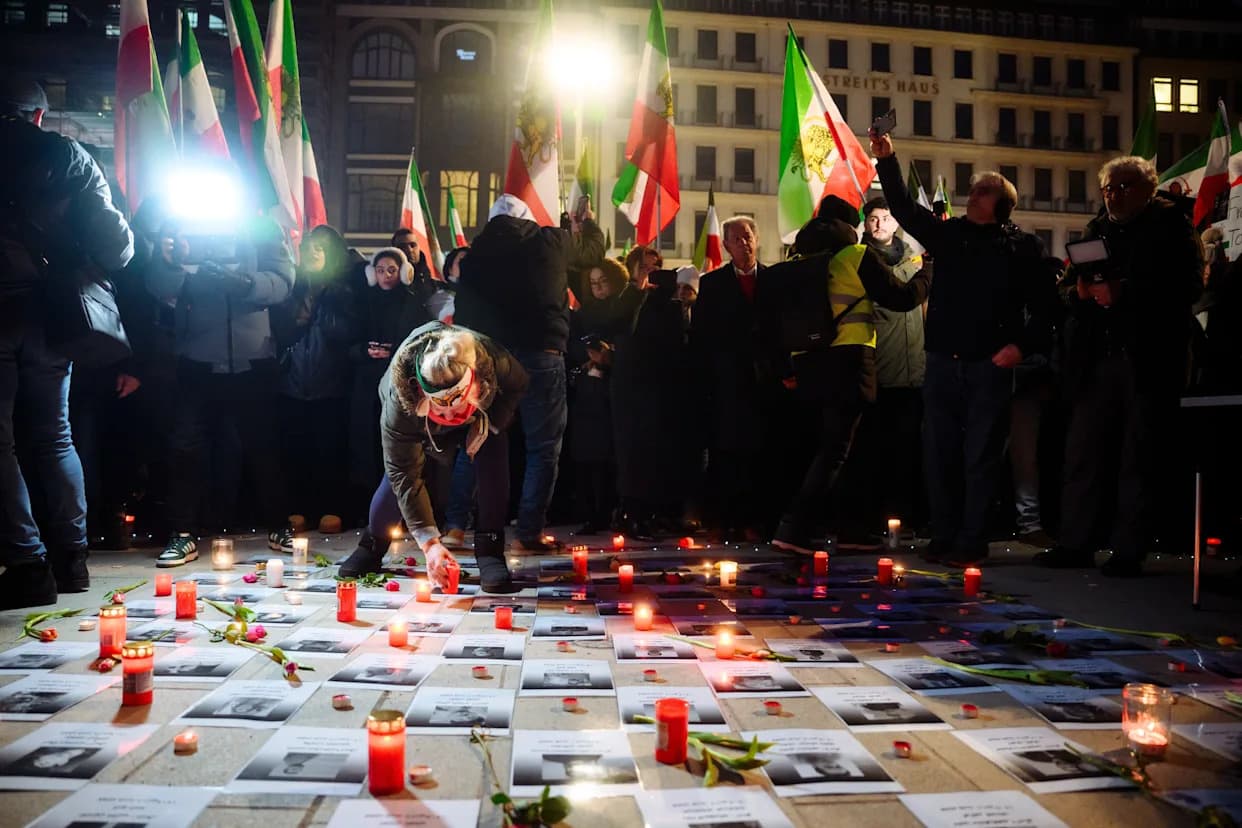
Reported death tolls from the antigovernment protests in Iran vary. Iranian state media reported 3,117 dead (including security forces and civilians), while independent groups have published higher figures and are continuing investigations. The United Nations Human Rights Council adopted a resolution condemning Iran’s crackdown.
The United States continues to operate tens of thousands of troops and a network of bases across the Middle East. According to the Council on Foreign Relations, the US maintains sites at at least 19 locations in the region, including eight permanent bases.
Bottom line: The deployment of the Abraham Lincoln strike group and associated assets reflects heightened US focus on deterring further escalation with Iran. The situation remains fluid, with diplomacy, military preparedness and economic pressure all in play.