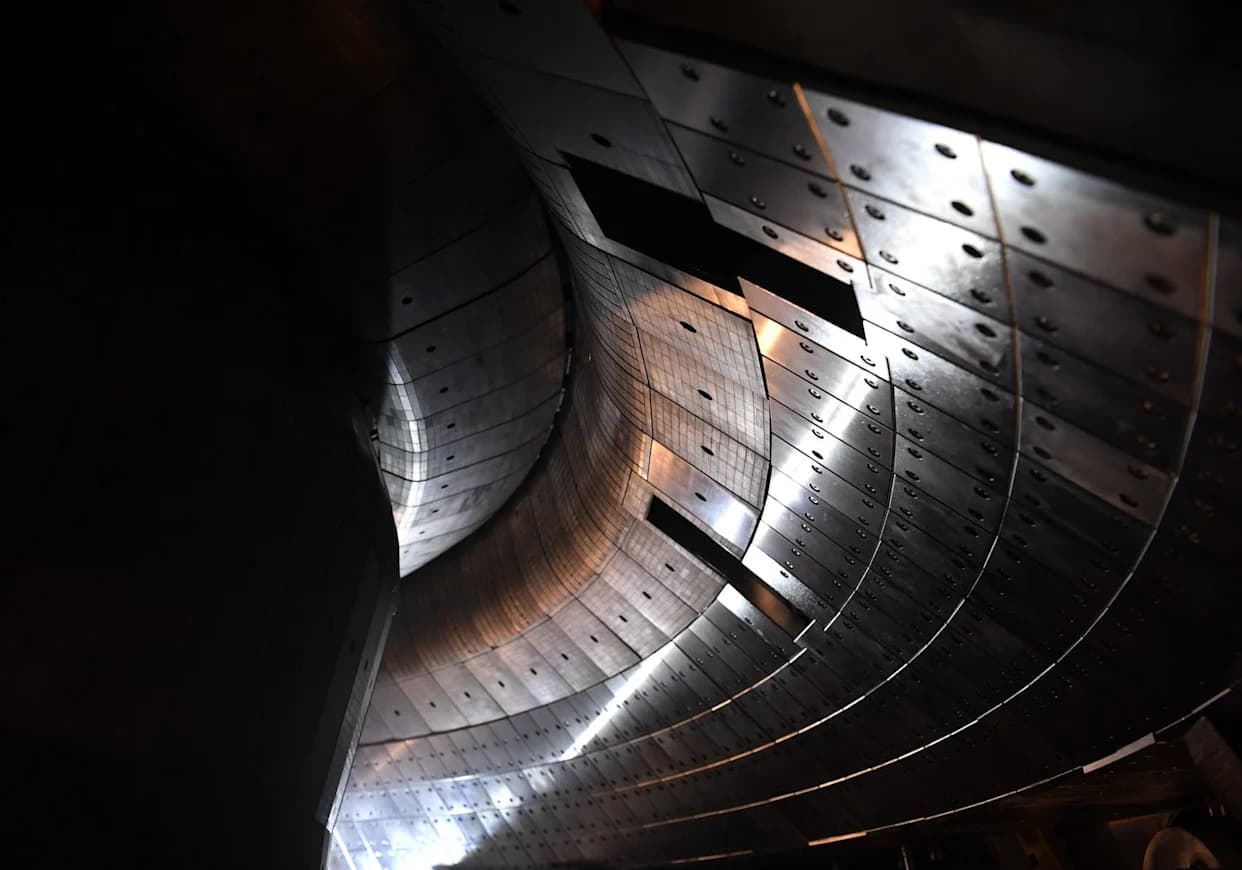
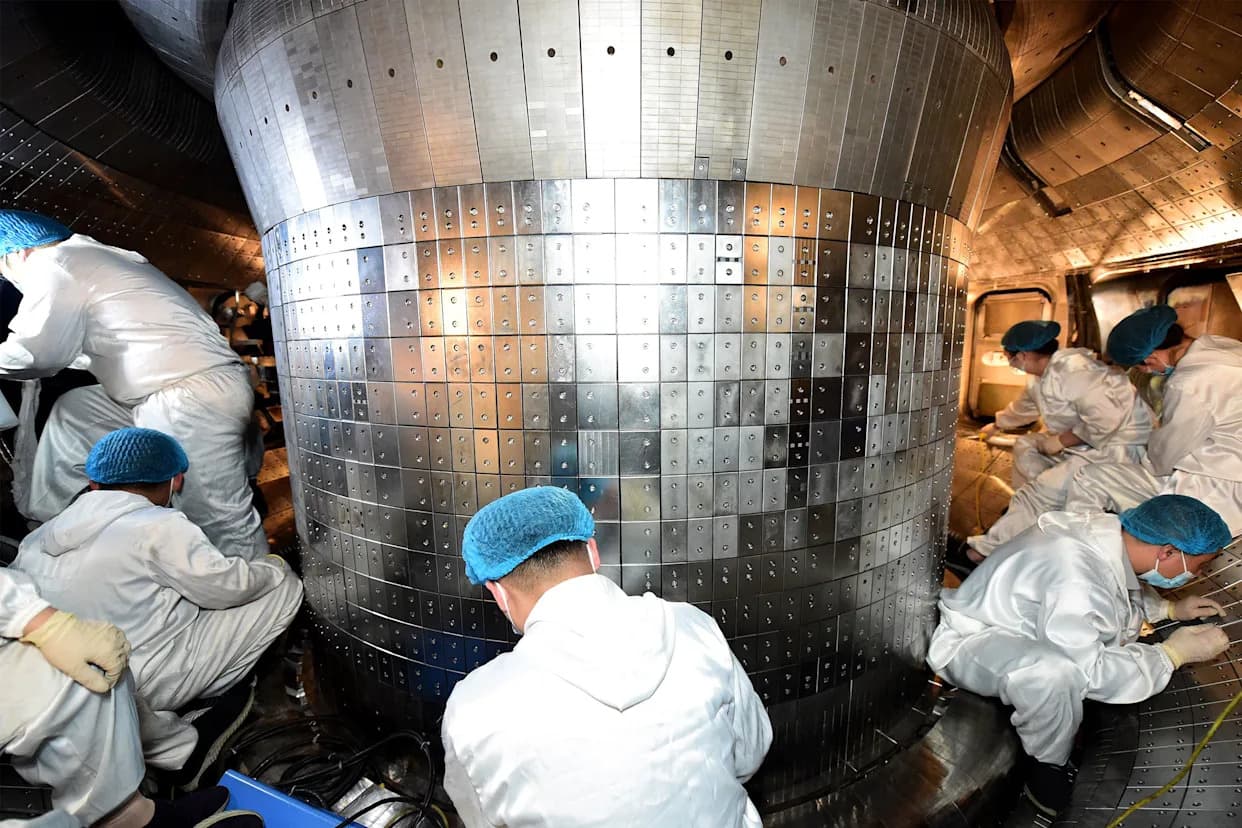
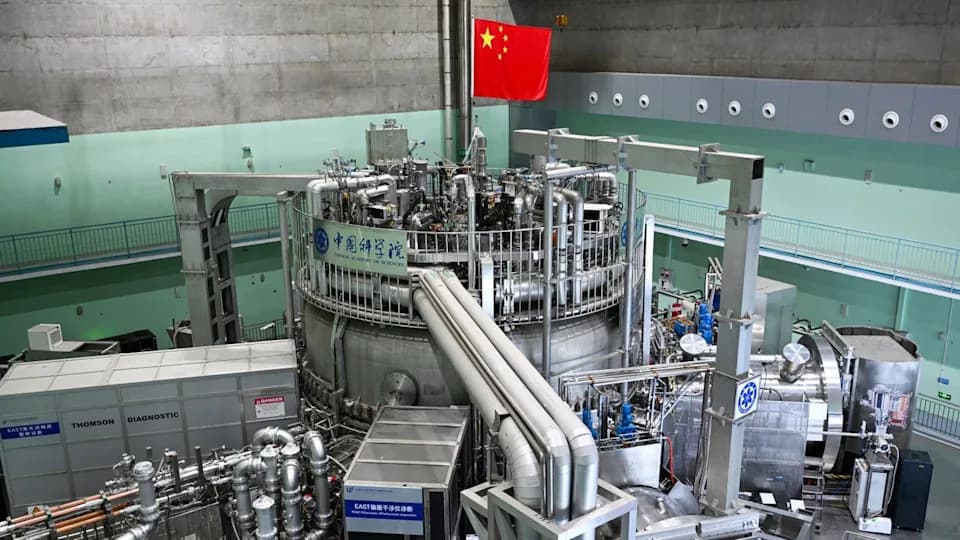
China’s EAST tokamak sustained plasma at 1.65× the Greenwald density on Jan 1, 2026, entering a so-called "density-free regime" that validates plasma-wall self-organization theory. The experiment—reported by Prof. Ping Zhu in Science Advances—used electron cyclotron heating and precise fuel control to keep the plasma stable above the traditional limit. While the result narrows a critical physics gap, major engineering challenges (energy gain and materials durability) remain before commercial fusion becomes practical.
China’s EAST Tokamak Surpasses 70-Year Greenwald Limit — Plasma Density Reaches 1.65×, Advancing Fusion Roadmaps
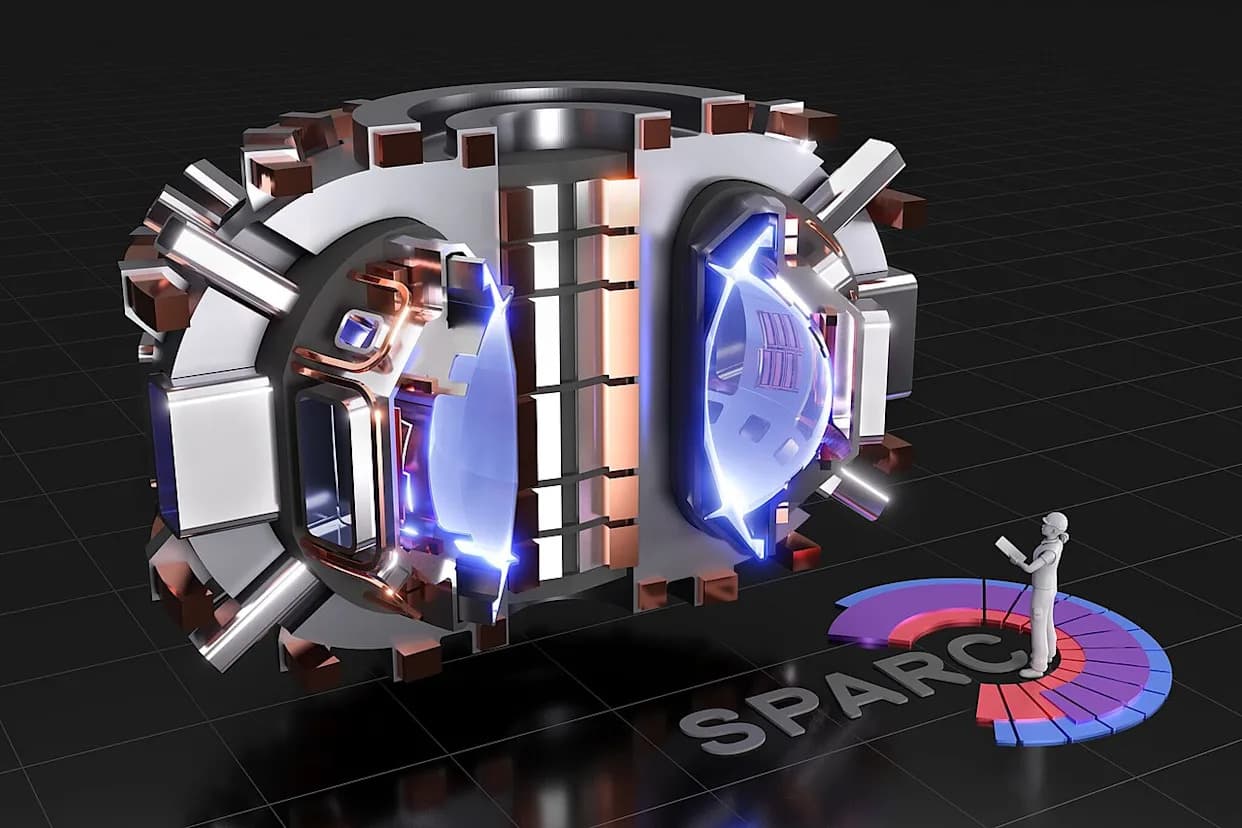
Image: Wikimedia Commons
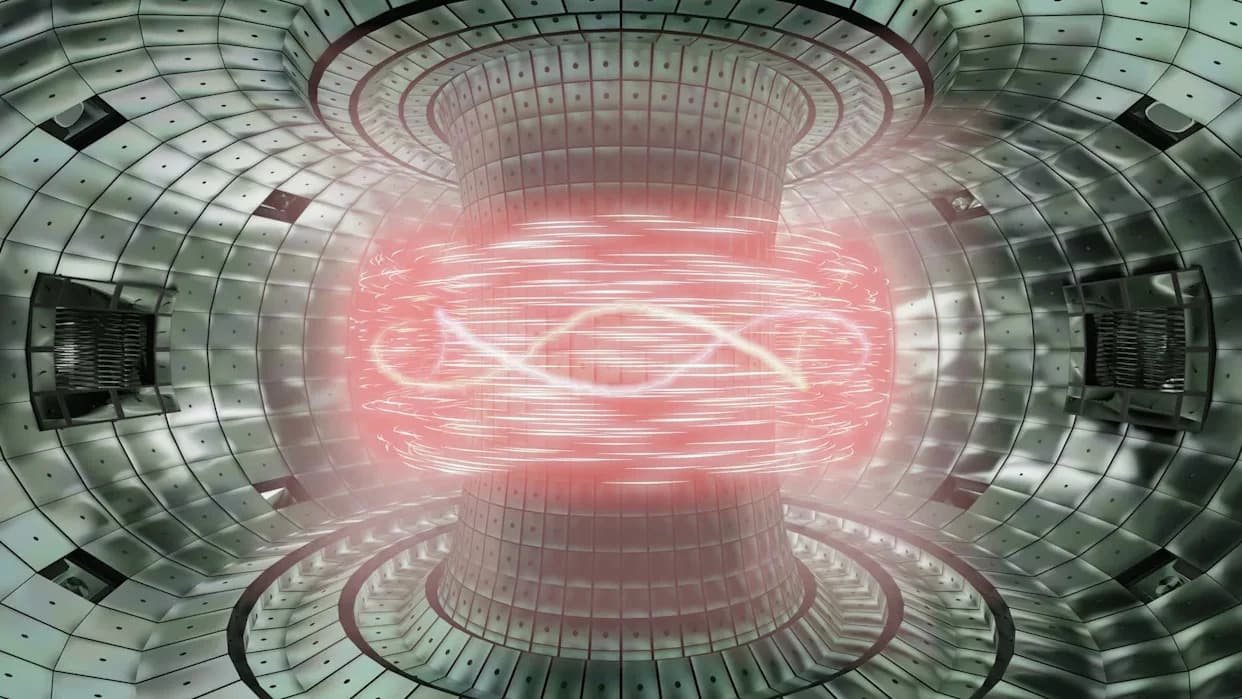
On January 1, 2026, China’s Experimental Advanced Superconducting Tokamak (EAST) sustained plasma at a density 1.65 times higher than the long-accepted Greenwald limit, a milestone many in the fusion community considered unlikely. Researchers describe the result as entering a "density-free regime," and say it validates key predictions of plasma-wall self-organization theory.
How they did it
The EAST team attributes the achievement to a combination of optimized electron cyclotron heating and tight control of fuel pressure, which together maintained plasma stability despite exceeding the density threshold that traditionally leads to disruptive events. The results were published by Prof. Ping Zhu and colleagues in Science Advances.
Why it matters
This experiment removes a long-standing physics constraint on achievable plasma density, narrowing an important gap on the path toward fusion ignition—the point at which a reactor produces net, self-sustaining energy. Higher stable densities can improve the prospects for producing useful fusion power in future devices and inform operational strategies for large projects such as ITER.
“The findings suggest a practical and scalable pathway for extending density limits,” said Prof. Ping Zhu, whose team reported the results in Science Advances.
Remaining challenges and caveats
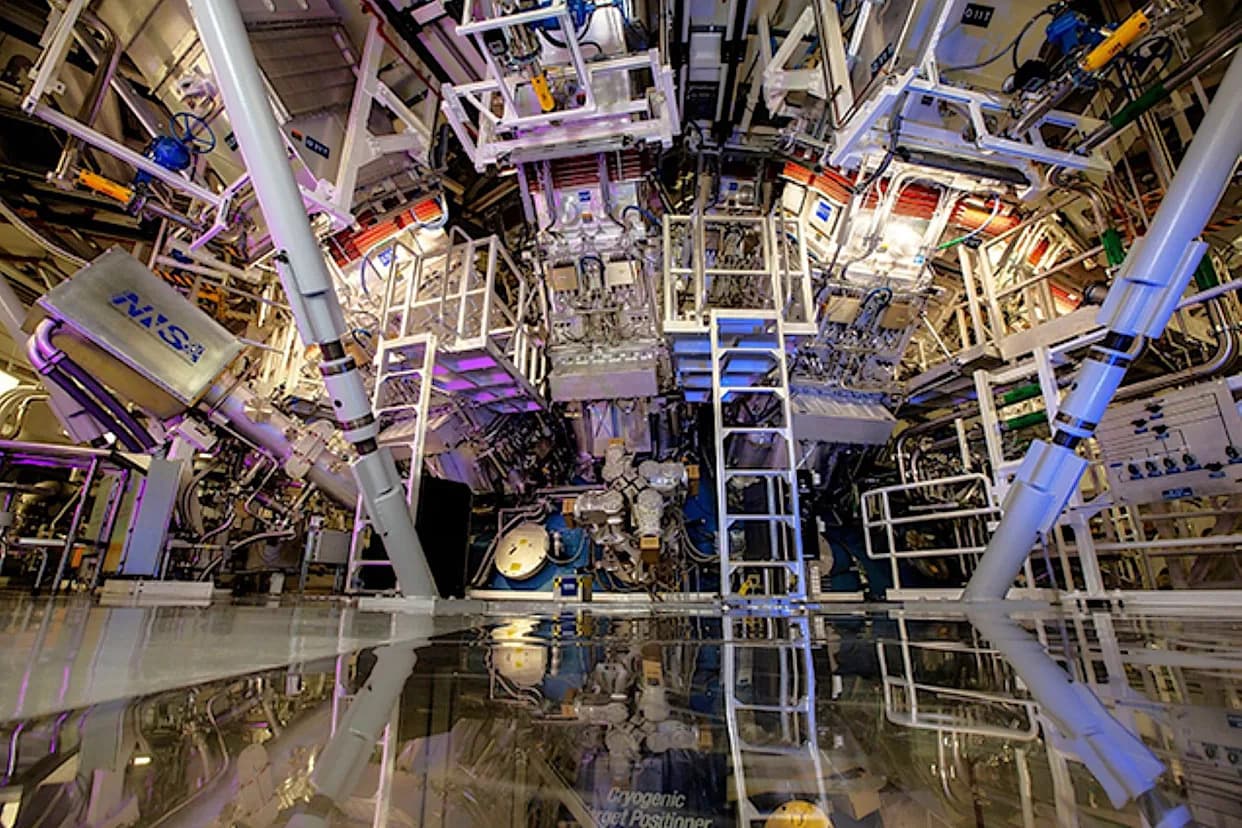
Important engineering and materials hurdles remain. The Joint European Torus (JET) still holds an energy gain record below unity (about 0.67), meaning reactors today consume more power than they produce. Long-lived structural materials that can tolerate sustained neutron bombardment are not yet finalized, and integrating physics advances into commercial designs will require extensive development and testing.
Implications
A validated method for exceeding the Greenwald limit gives ITER and other projects clearer technical pathways to test in larger devices, and it strengthens the case for continued private and public investment. If the physics can be translated into engineered systems, fusion could provide stable, low-carbon power for AI data centers, high-performance computing, and electric grids—potentially operating continuously where solar and wind are intermittent.
Bottom line
EAST’s density breakthrough is a major physics advance that reduces uncertainty on one front of fusion research. It is not a demonstration of net power production, but it supplies a promising, repeatable approach that fusion teams worldwide can build on as they tackle the remaining engineering and materials challenges toward commercial fusion in the coming decades.
Help us improve.