The U.S. is publicly keeping a wide range of responses on the table amid nationwide protests and a violent crackdown in Iran. President Trump has warned of "very strong options," but the Pentagon has not surged forces and Gulf partners are reluctant to support strikes. Analysts say limited military strikes risk consolidating the regime and sparking wider conflict, while cyber operations, covert measures and efforts to restore internet access offer less escalatory ways to pressure Tehran.
Will the U.S. Strike Iran? How Washington Weighs Military, Cyber and Covert Options
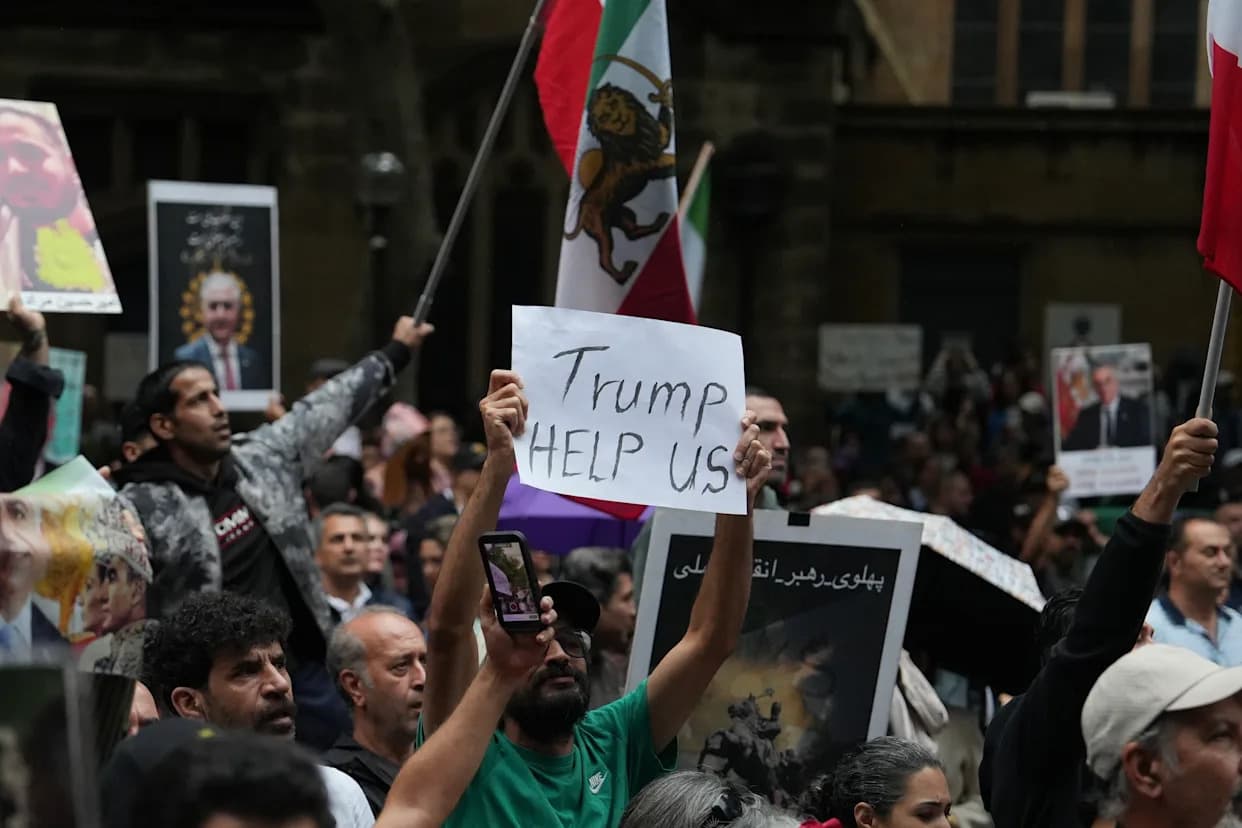
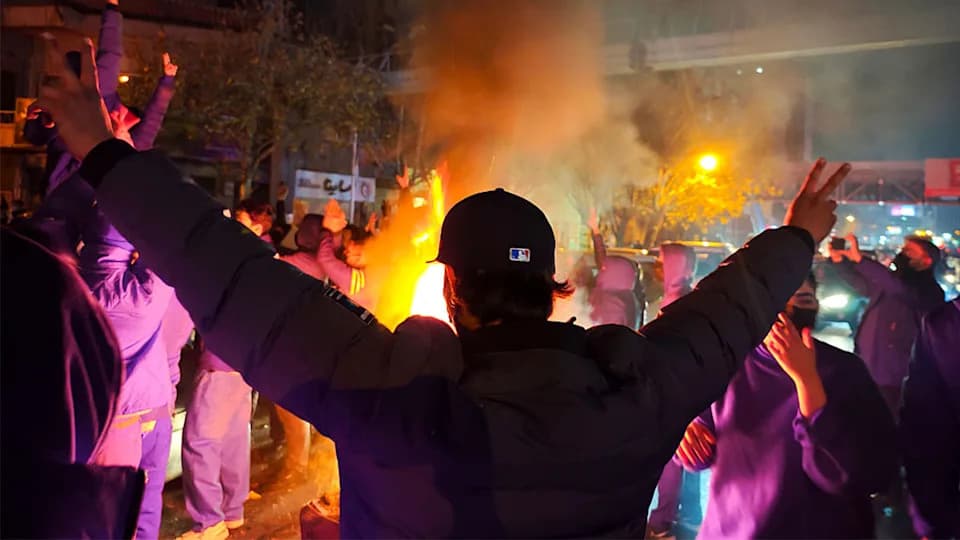
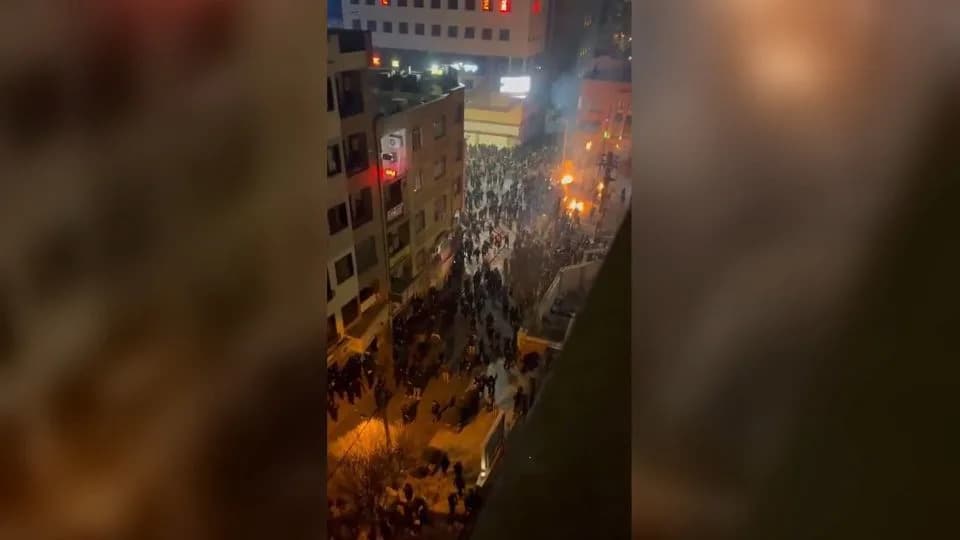
Hundreds of demonstrators gathered in Sydney on January 11, 2026, calling for regime change in Iran, a sign of unrest that has rippled far beyond Tehran. As nationwide protests confront a harsh security crackdown, President Donald Trump has renewed talk of possible U.S. intervention — prompting debate in Washington over what form American action might take and what it would aim to achieve.
Options On The Table
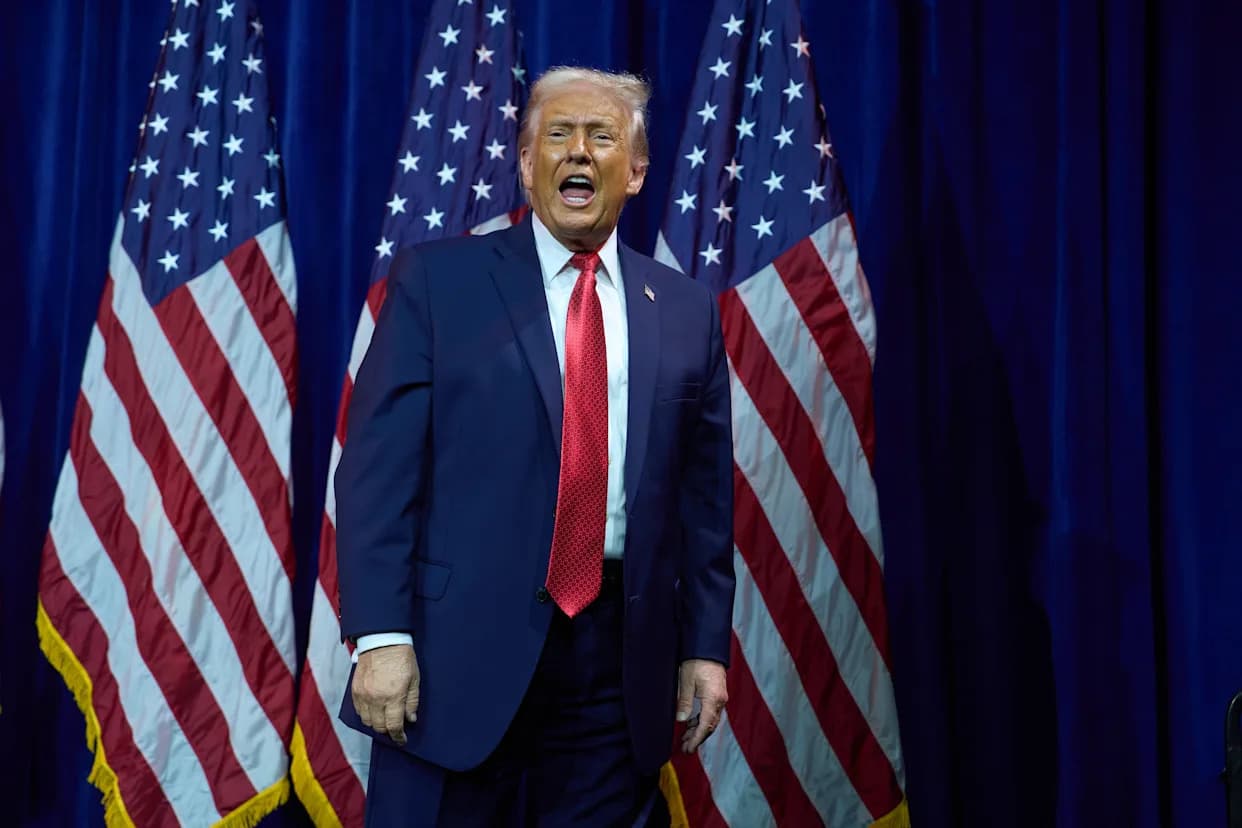
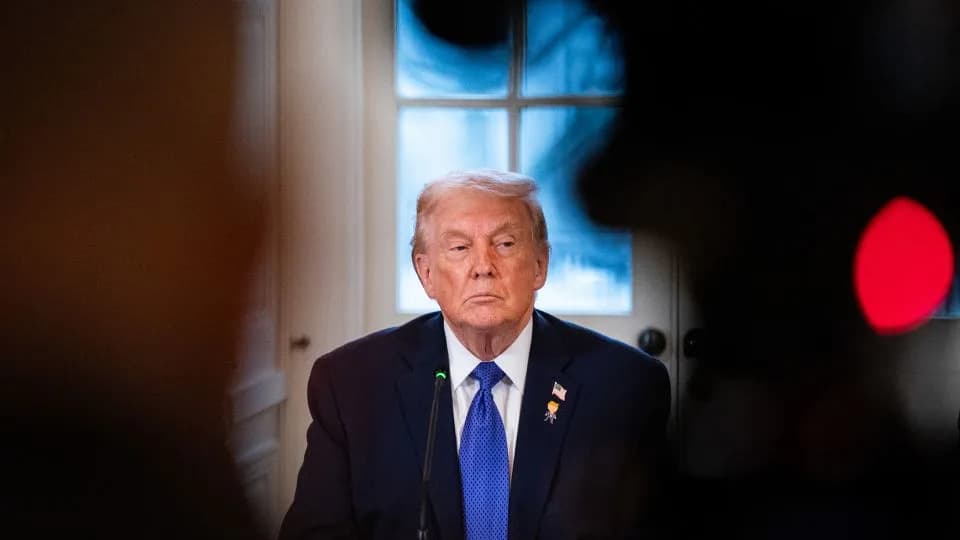
Officially, the Administration says diplomacy remains the preferred route, but officials acknowledge the President has been briefed on a broad spectrum of responses — military and nonmilitary — ranging from cyber operations to narrowly targeted strikes. Trump told reporters the "military is looking" at "some very strong options" and warned that if Iran retaliates, "we will hit them at levels that they’ve never been hit before." He also said Iranian officials had contacted him and "they want to negotiate," though he cautioned the administration "may have to act because of what’s happening before the meeting."
Posture And Regional Reaction
Despite the sharp rhetoric, the Pentagon has not redeployed carriers or strike groups into the Gulf, and regional partners remain cautious. Gulf states, still wary after Iranian missile strikes during last year’s brief conflict with Israel, have been reluctant to host or support U.S. attacks on Iran.
"This is another example of the United States inserting itself into something happening in the Middle East with no clear end game," says Jon Hoffman, a Middle East expert at the Cato Institute.
The Protests And The Human Cost
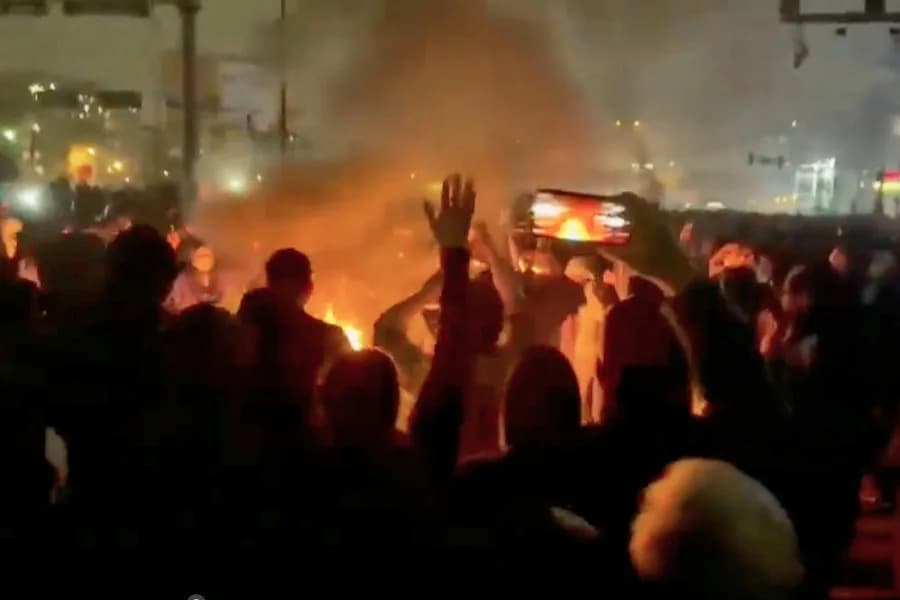
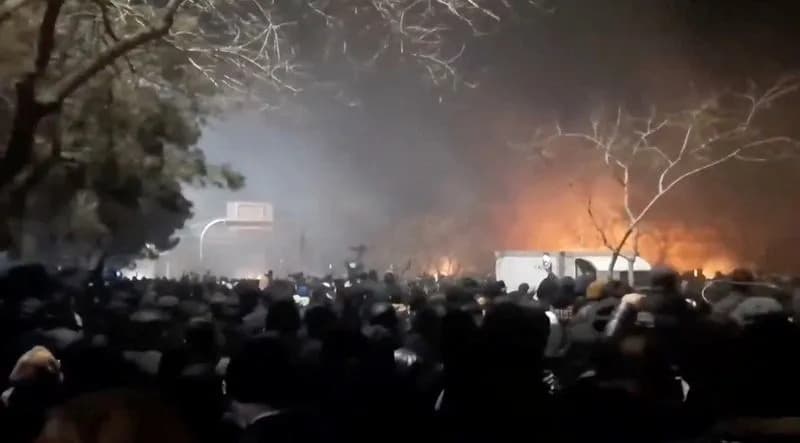
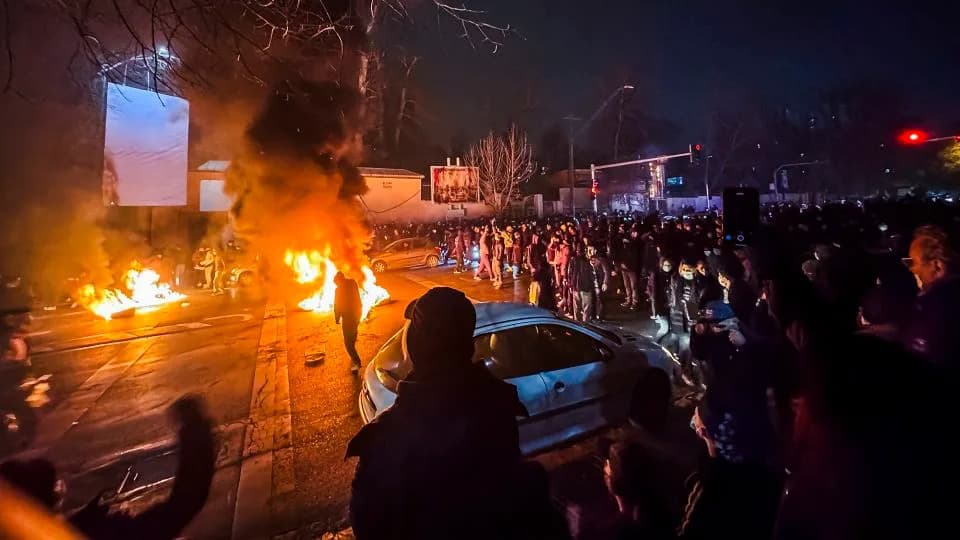
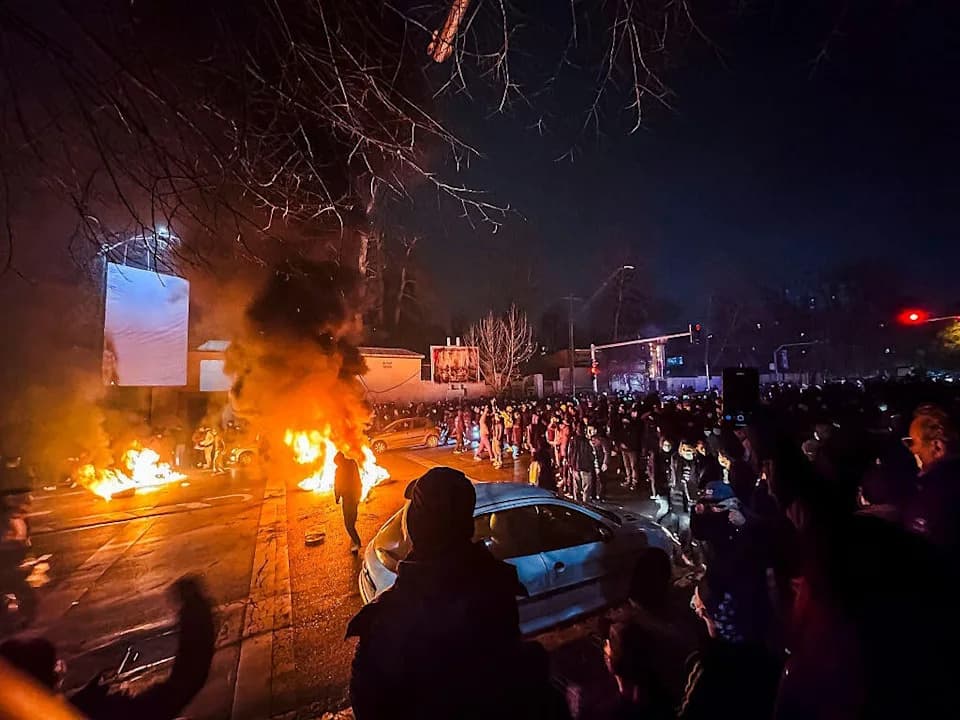
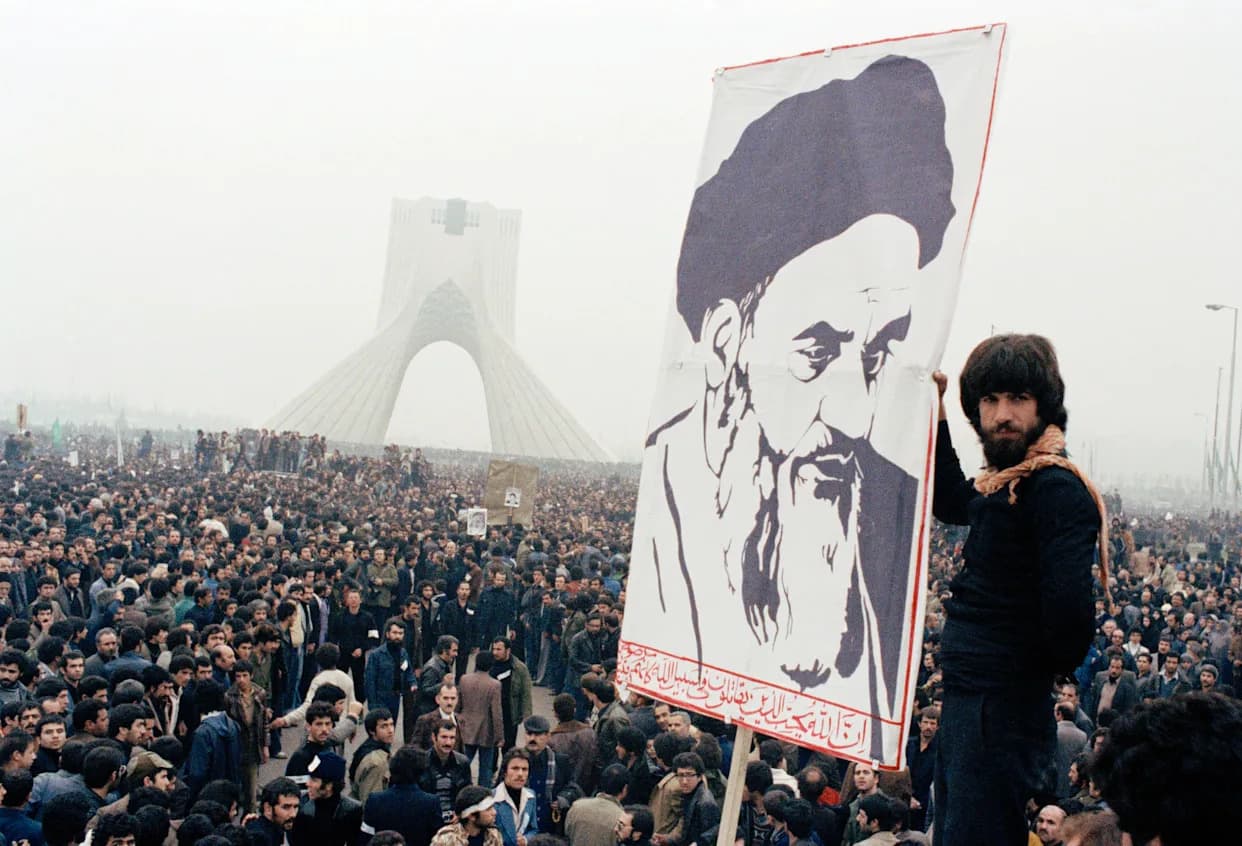
The unrest is one of the most serious challenges to Iran’s clerical leadership in decades. What began in late December as protests over soaring prices and a collapsing currency has spread nationwide and evolved into explicit calls for the fall of the Islamic Republic. Human rights groups estimate that thousands of protesters may have been killed, although those figures are difficult to verify amid an internet blackout imposed by Tehran.
Iranian officials insist they retain control. Foreign Minister Abbas Araqchi has accused foreign actors of fomenting violence and warned that any attack would prompt reprisals against American and Israeli targets. Nevertheless, Araqchi confirmed diplomatic lines with Washington remain open even as Tehran decries U.S. threats as incompatible with diplomacy.
What Would Trigger U.S. Military Action?
Mona Yacoubian, director of the Middle East Program at the Center for Strategic and International Studies (CSIS), says the clearest trigger for U.S. military engagement would be incontrovertible evidence that the regime is slaughtering large numbers of civilians. But she warns that the current information environment — internet outages and restricted reporting — makes such a finding difficult.
Short of that threshold, Washington may prefer to weaken Tehran’s position without escalating to full-scale war. "If the Trump Administration felt there was a way to sufficiently weaken the Iranian regime such that it is compelled to come to the table on U.S. terms," Yacoubian said, "that might be another driver."
Limited Strikes, Cyber Tools And Covert Measures
Analysts stress that a limited strike — for example against an Islamic Revolutionary Guard Corps facility, an intelligence ministry building or a command-and-control center — might be intended to signal resolve without provoking a regional conflagration. But such strikes carry risks: they could rally nationalist sentiment, consolidate support for the regime and reduce the chance of defections within Iran’s security forces.
Behnam Ben Taleblu, senior director of the Foundation for Defense of Democracies’ Iran Program, argues that U.S. action, if taken, should be directed at the regime’s repression apparatus — layered security forces, command-and-control systems and the infrastructure used to throttle communications. Officials have also discussed less kinetic measures: cyber intrusions against military and government networks, covert operations, and initiatives to restore internet access inside Iran. President Trump has publicly suggested helping Iranians reconnect, even raising the idea of contacting Elon Musk after Iranian authorities partially jammed Starlink service.
Sanctions And The Limits Of Pressure
Sanctions remain a central tool of U.S. policy toward Iran, but analysts say they now offer diminishing returns given the breadth of existing restrictions. More discreet options — targeted cyber operations, intelligence activities or measures designed for plausible deniability — could allow Washington to apply pressure while avoiding a direct military confrontation.
Ambiguity And Risk
The debate inside the Administration reflects broader tensions in Trump’s foreign policy. Campaigning on skepticism of "forever wars," the President has increasingly leaned on threats, coercion and shows of force while maintaining he seeks to avoid major conflicts. The result, analysts say, is an unpredictable posture that complicates planning and raises the risk of miscalculation.
"The greatest risk is an actual military strike on Iran," Hoffman warns, noting the administration is pulled between hawks urging decisive action and officials wary of another Middle Eastern entanglement.
For now, Washington’s posture remains ambivalent: military assets have not been surged toward Iran, diplomatic channels stay open, and the Administration’s list of responses remains a menu rather than a concrete plan.
Photo credit: Norvik Alaverdian—NurPhoto via Getty Images
Write to Nik Popli at nik.popli@time.com.
Help us improve.