International rights groups and health agencies report that Iranian security forces have raided hospitals, arrested wounded protesters and detained medical staff. The World Health Organization says at least five doctors have been detained. Documented cases include Sajad Rahimi, who died after a gunshot wound, and 12‑year‑old Taher Malekshahi, who lost an eye to pellet shot. Authorities have publicly urged the injured to seek care even as NGOs report raids, pressure on families, and restrictions on medical personnel.
Rights Groups Say Iran Is Raiding Hospitals, Detaining Wounded Protesters and Medical Staff
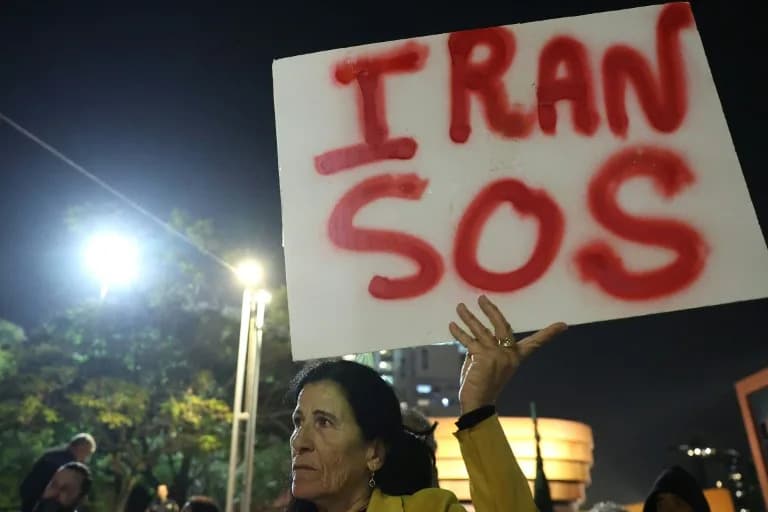
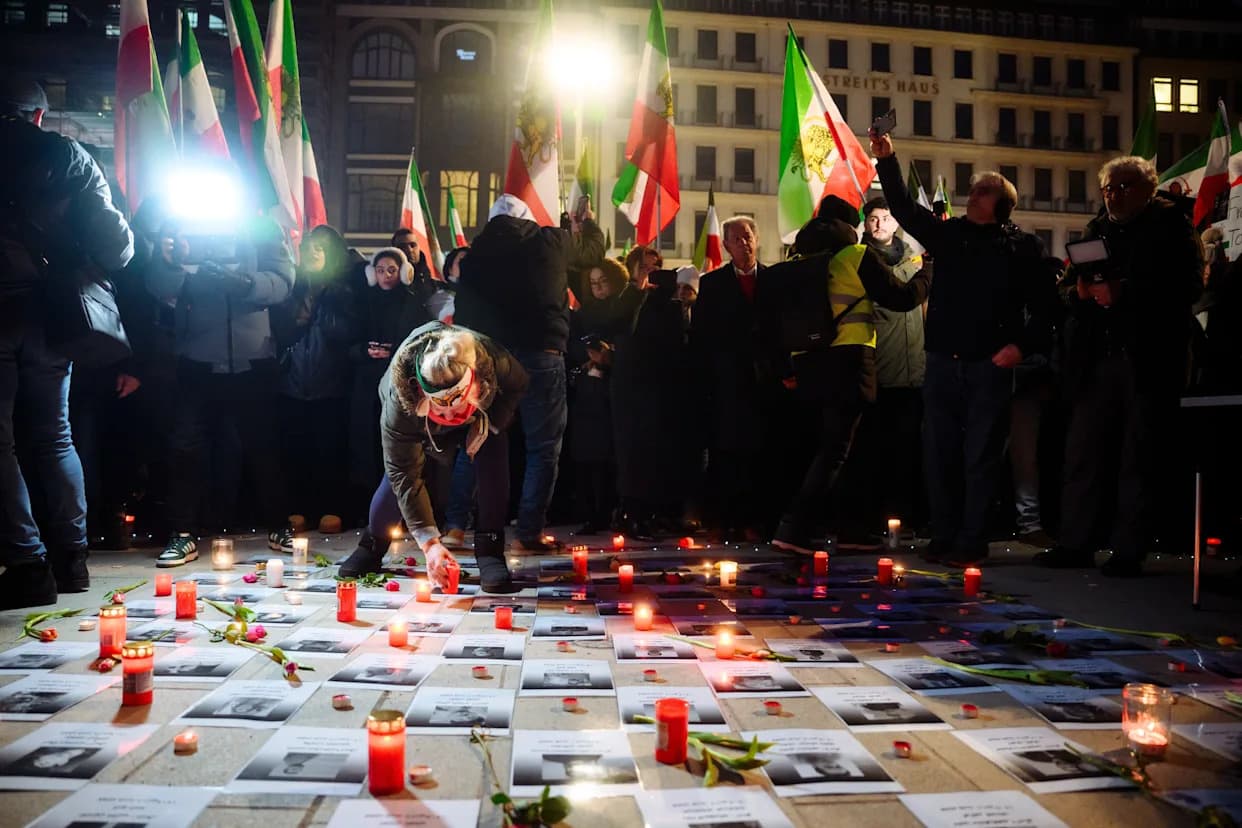
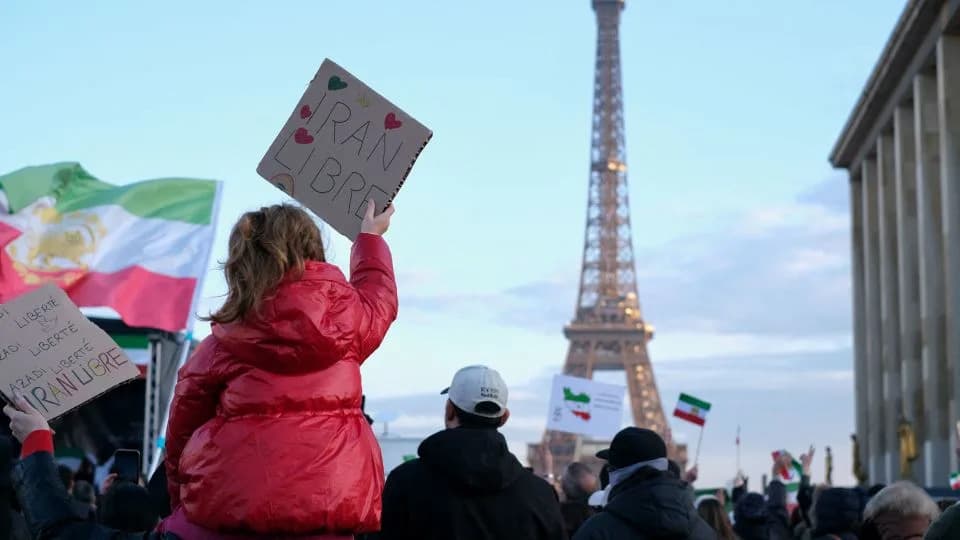
Raids on hospitals have sparked international concern (Jack GUEZ)(Jack GUEZ/AFP/AFP)
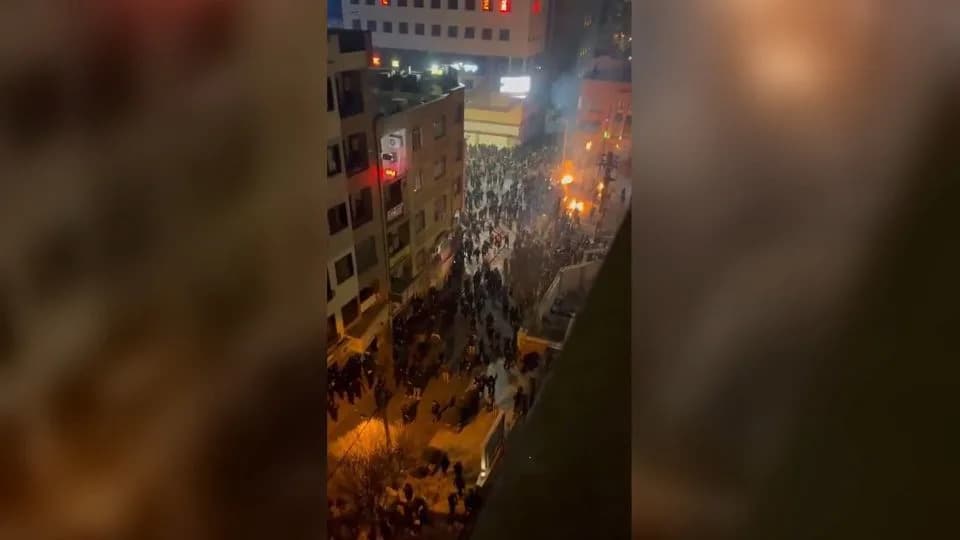
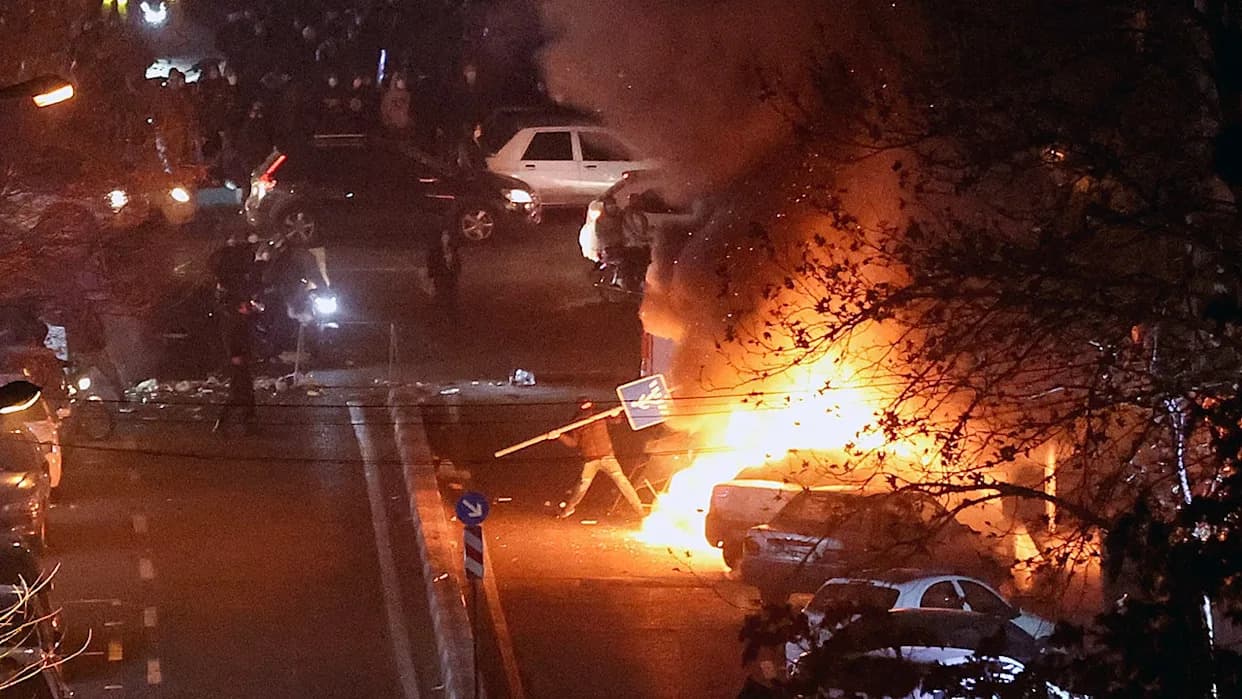
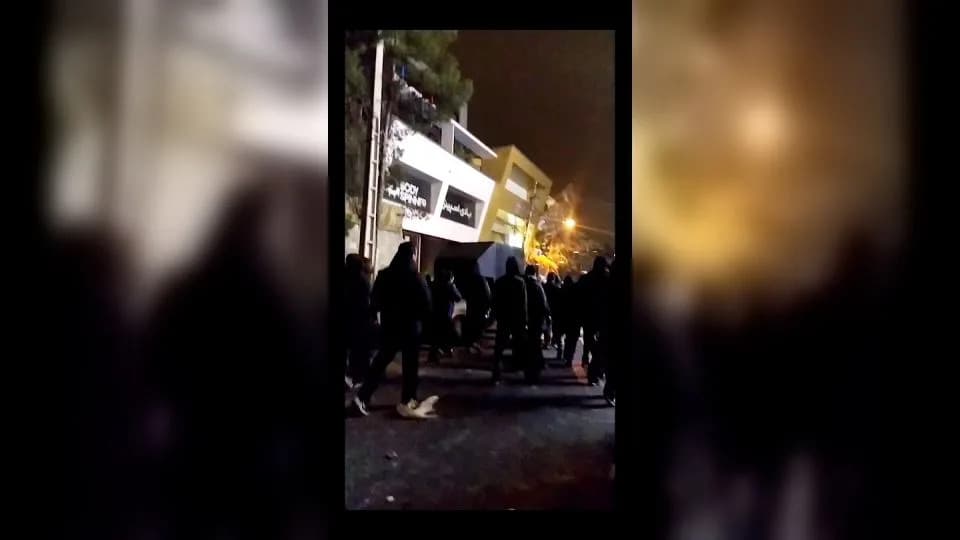
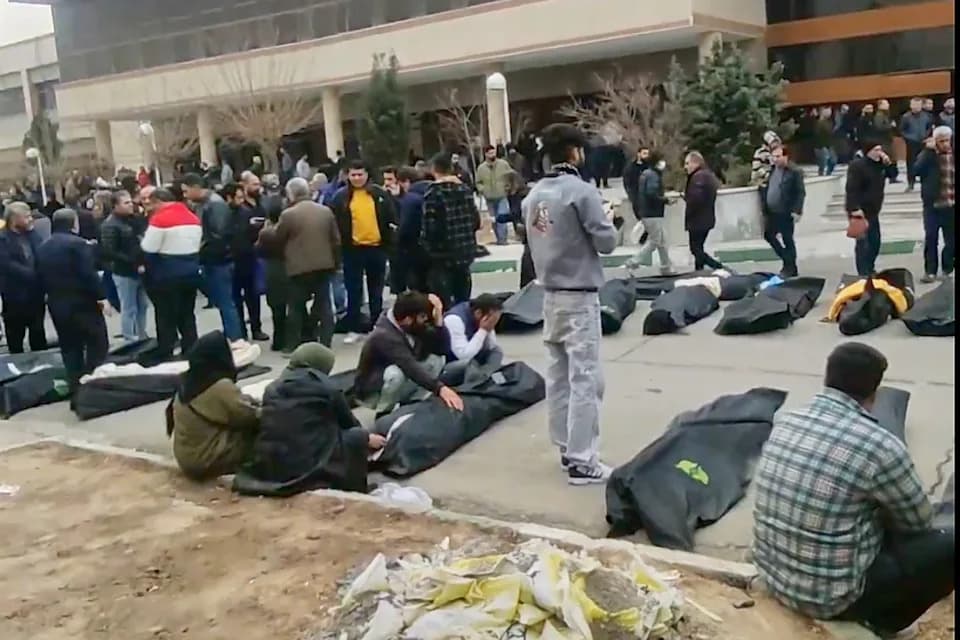
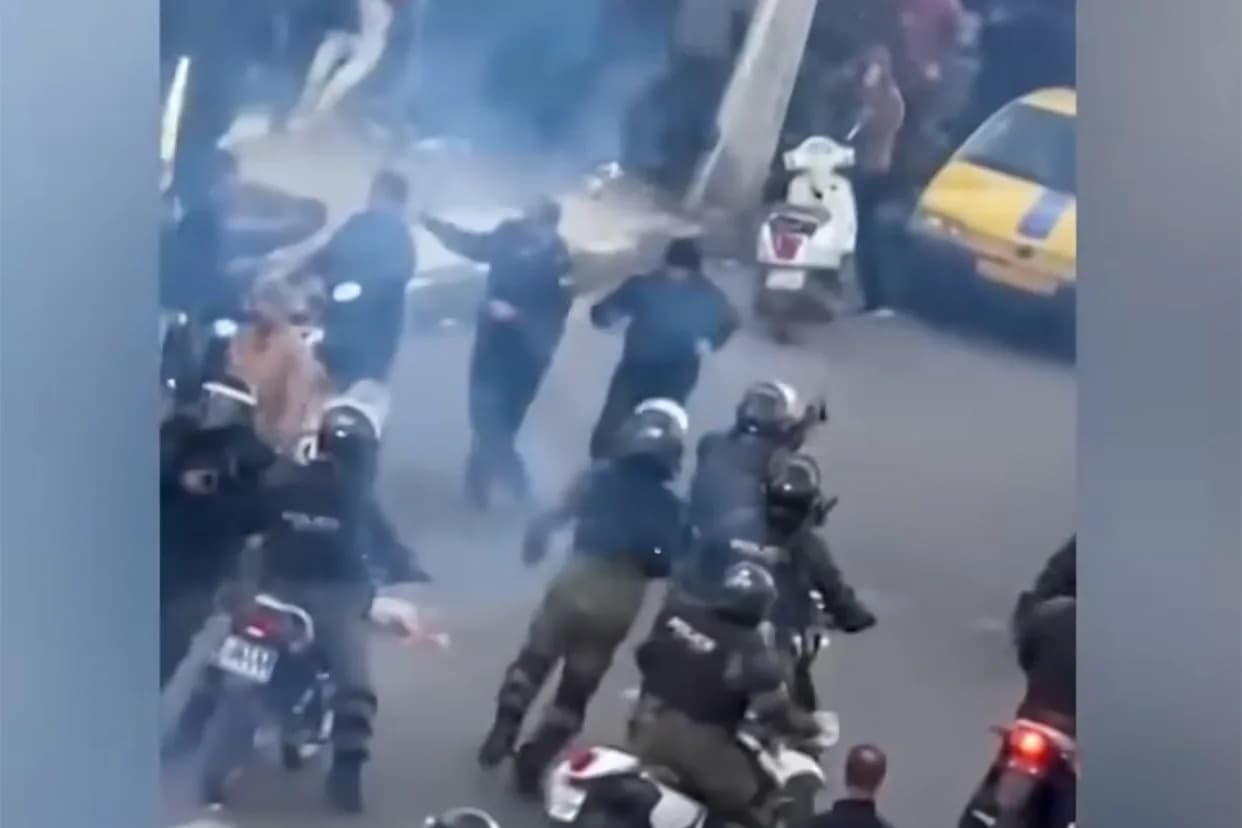
Hospitals in Iran are increasingly losing their status as safe havens amid a widening crackdown on anti‑government protests, rights groups and international health agencies say. Activists allege that security forces have fired directly into crowds—often using birdshot that can leave metal pellets lodged in bodies—and later searched medical facilities for people with protest‑related injuries.
Raids, Arrests and Pressure on Medical Staff
Multiple human rights organisations report that security forces have entered hospitals and informal shelters to identify and arrest wounded demonstrators. The World Health Organization (WHO) has said that wounded protesters and at least five doctors have been detained while receiving or providing care. Amnesty International and the Center for Human Rights in Iran (CHRI) have documented cases in which medical staff were reportedly ordered to notify authorities about patients with gunshot or shotgun‑pellet wounds.
“Health personnel and medical facilities in Iran are being impacted by the recent insecurity and prevented from delivering their essential services,” WHO Director‑General Tedros Adhanom Ghebreyesus said, citing reports of detained health workers.
Documented Cases
Norway‑based Iran Human Rights (IHR) documented the case of Sajad Rahimi, 36, from Qeshm, who was critically wounded after security forces opened fire on a protest in Fars province on January 9. Fearing further violence, his friends initially avoided taking him straight to hospital; Rahimi later died from a deep gunshot wound and severe bleeding. A treating physician told his family that had he reached the hospital ten minutes earlier, he “probably would have survived,” IHR reported.
The Norway‑based Hengaw group highlighted another case: 12‑year‑old Taher Malekshahi from Qorveh, who reportedly lost one eye and sustained severe damage to the other after being shot in the face with pellet ammunition. Hengaw said authorities pressured the family to claim the boy had been hurt by “terrorists” in exchange for official recognition as a war‑disabled victim.
Official Response and International Concern
In apparent response to the allegations, Iran’s health ministry publicly urged anyone injured in the protests to seek hospital care. "Our advice to the public is that if they suffer any kind of injury, they should not try to treat it at home, and they should not worry about going to medical centres," the ministry said in a statement broadcast on state television.
International medical bodies, including the World Medical Association, have also expressed alarm. The WMA said it had received reports of arrests of injured protesters in provinces including Isfahan and Chaharmahal‑and‑Bakhtiari, and that hospital staff were reportedly instructed to report patients with gunshot injuries to security authorities—failing which staff could face prosecution or reprisals.
Implications
Rights groups warn that raids on medical facilities and pressure on families and health workers have a chilling effect: injured people may avoid seeking necessary medical care, volunteer responders may withdraw, and the broader health system’s ability to provide impartial care could be undermined. International agencies say such actions, if confirmed, would violate medical ethics and international humanitarian and human rights standards.
Help us improve.