Quick Summary: Federal appeals courts and the Supreme Court have repeatedly paused or overturned district-court limits on aggressive federal immigration enforcement in cities including Minneapolis, Chicago and locations in California. Recent action by the 8th Circuit suspended parts of Judge Katherine Menendez’s injunction on Operation Metro Surge. Legal experts point to differences in how district and appellate judges approach these disputes and note that Trump-era judicial appointments have influenced several appellate outcomes.
How Appeals Courts — Often With Trump-Appointed Judges — Have Undone Limits On Federal Immigration Enforcement
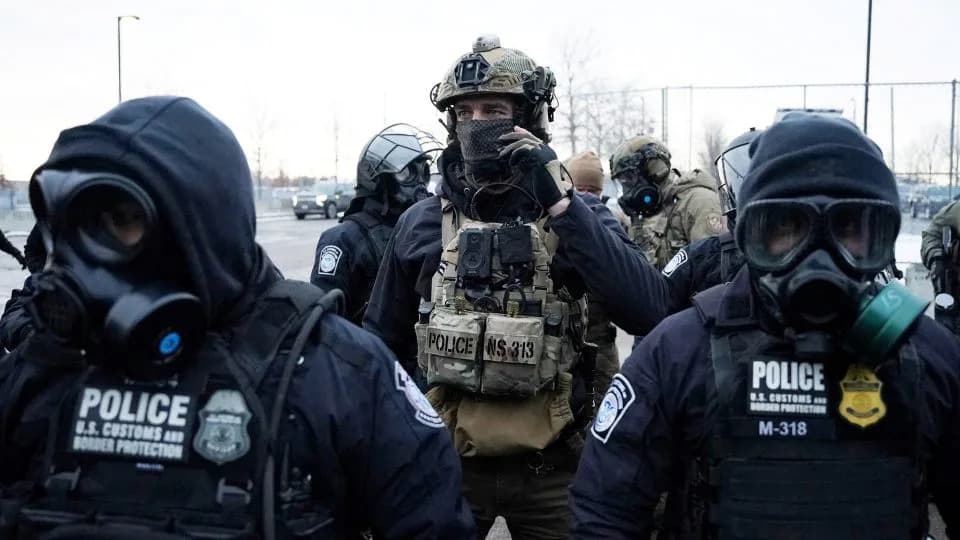
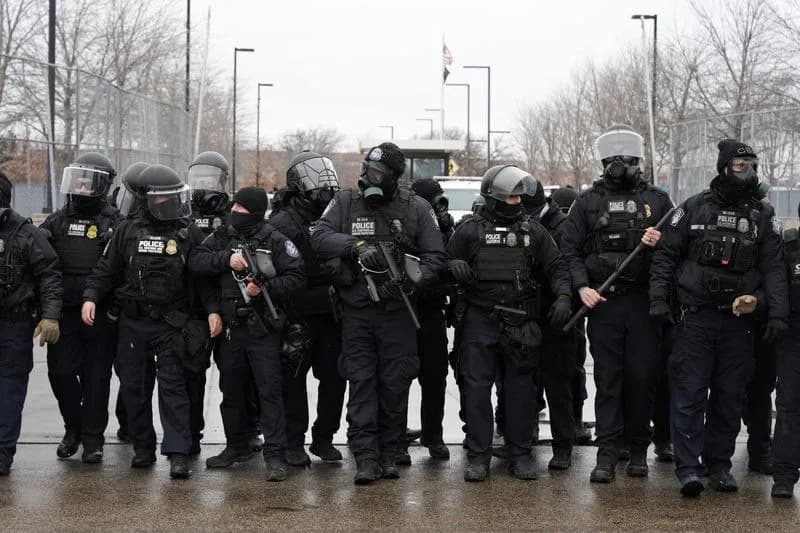
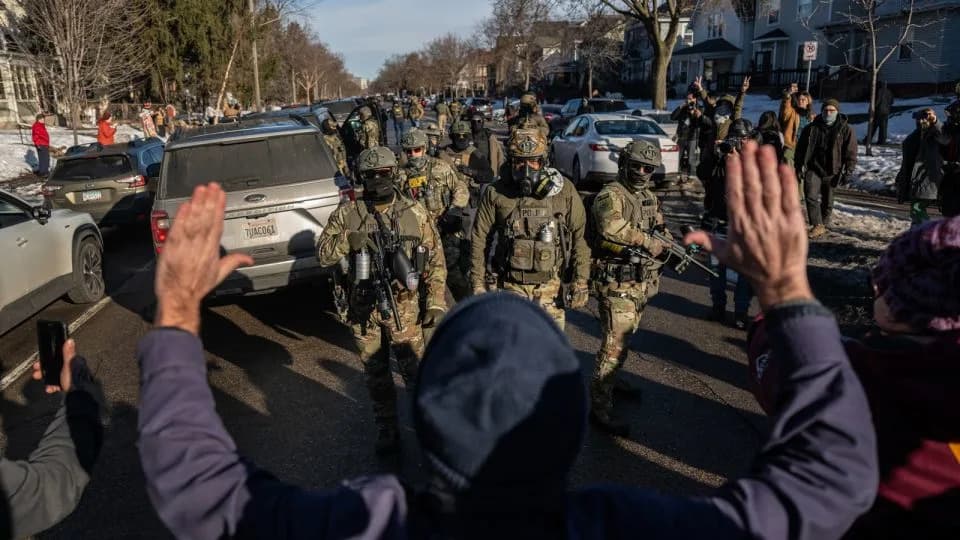
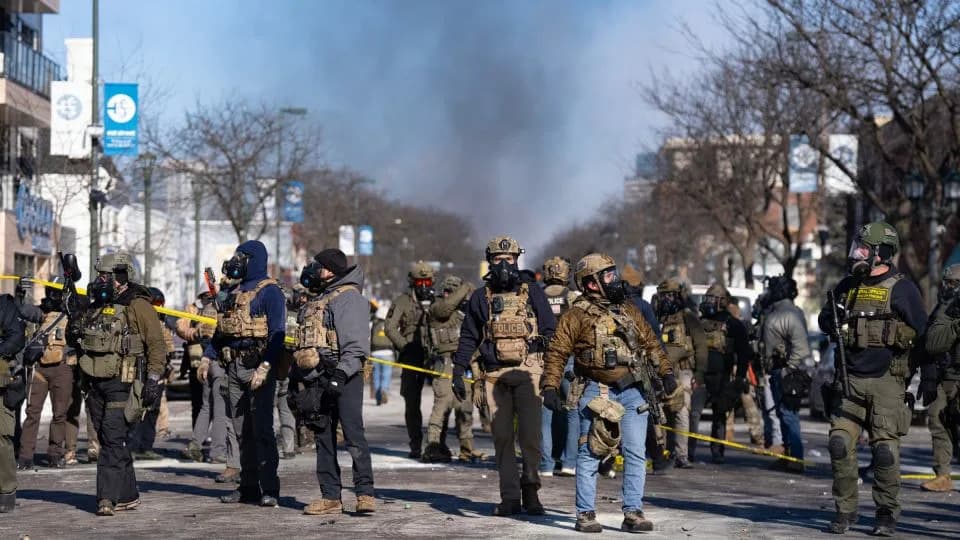
Law enforcement officials stand guard, in front of the Bishop Henry Whipple Federal Building, during a protest more than a week after an ICE agent fatally shot Renee Nicole Good, in Minneapolis, Minnesota, on January 17. - Seth Herald/Reuters
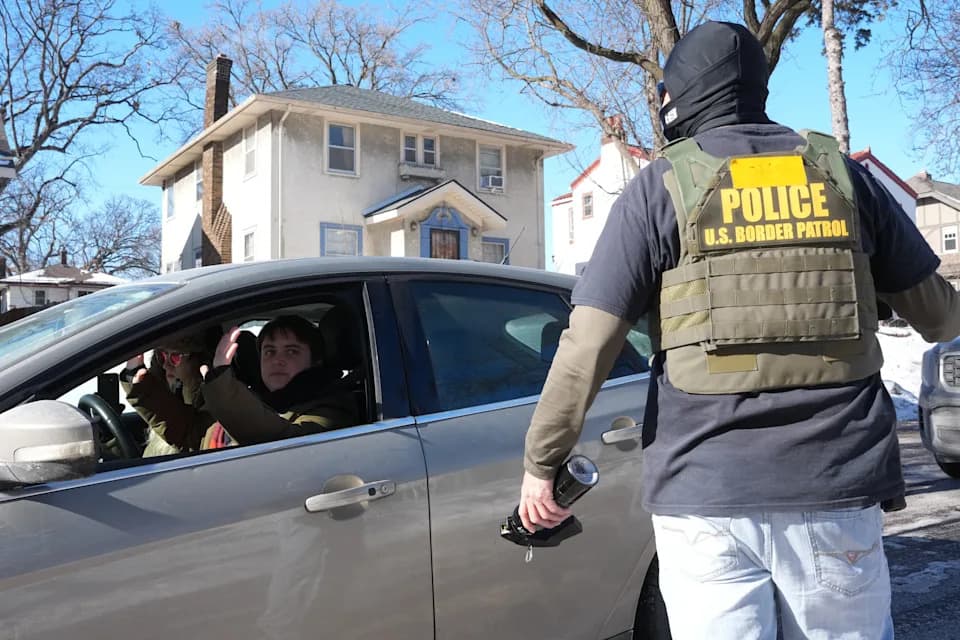
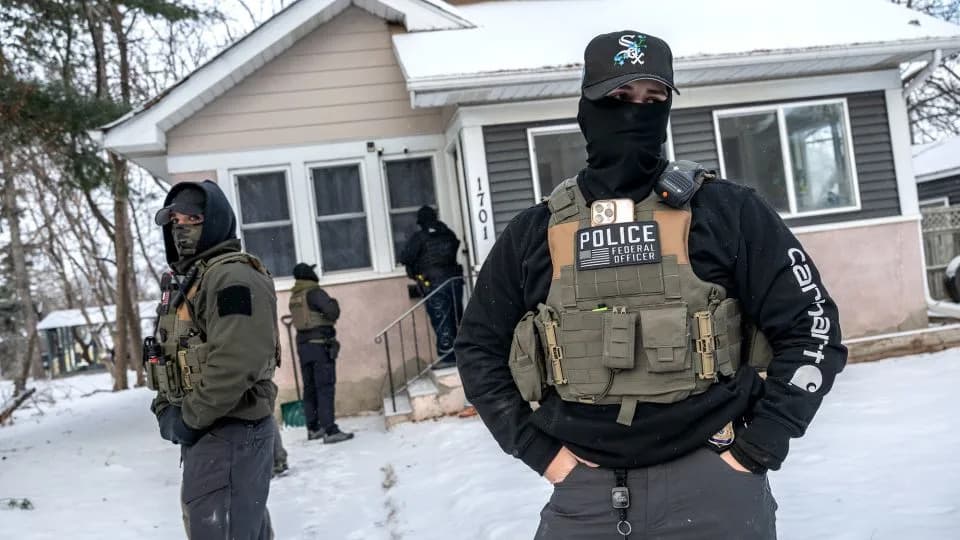
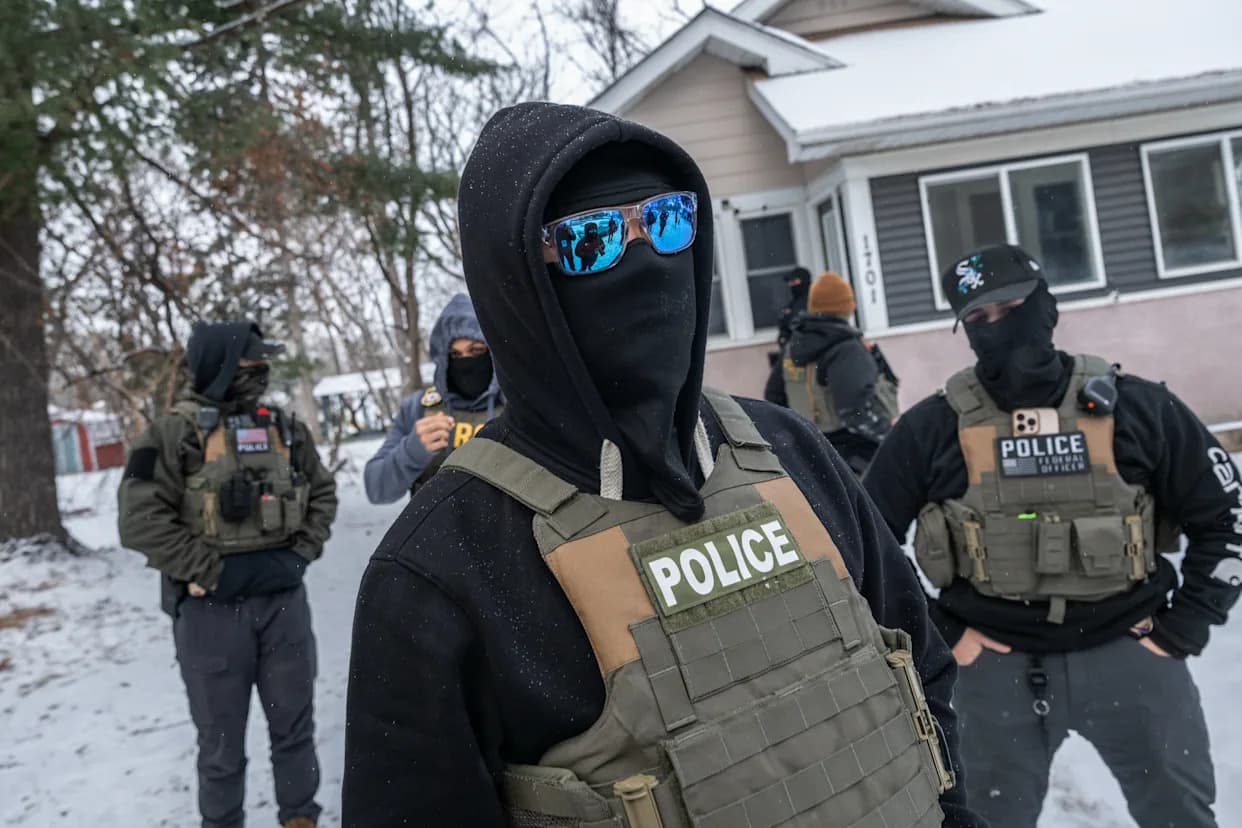
As federal immigration enforcement operations moved into major U.S. cities, several district judges tried to impose limits on how agents may act. In multiple instances, however, those district-court orders were paused, narrowed or overturned by federal appeals courts and the Supreme Court — sometimes by panels that included judges appointed by former President Donald Trump.
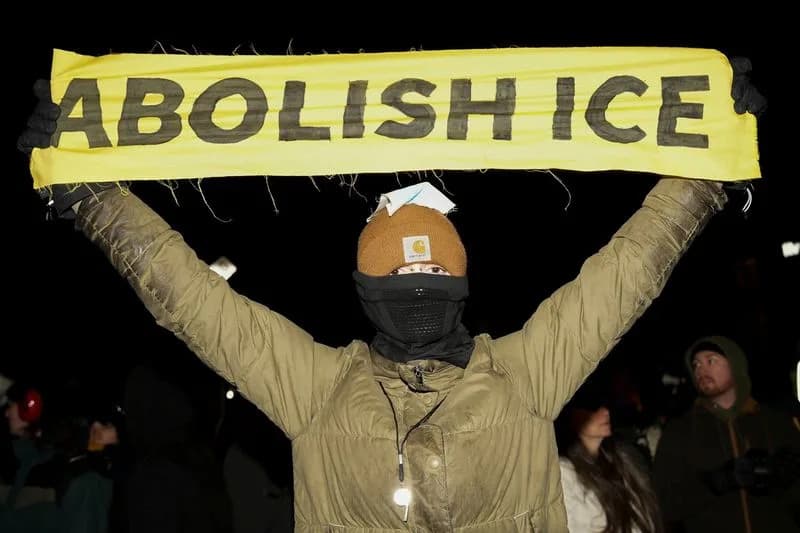
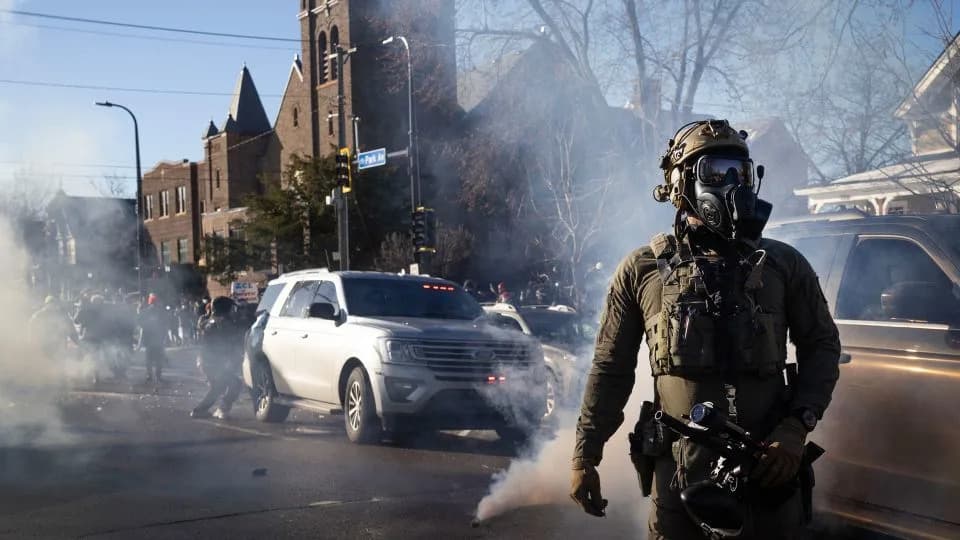
Most recently, a three-judge panel of the 8th U.S. Circuit Court of Appeals put portions of U.S. District Judge Katherine Menendez’s injunction on hold. Menendez’s order had imposed strict guardrails on how agents could respond to protesters opposed to Operation Metro Surge in Minneapolis, which critics say contributed to tense confrontations and was linked to the fatal shooting of two U.S. citizens by federal officers. The appeals court concluded Menendez’s preliminary injunction was too vague and overbroad to remain in effect for now. Judges David Stras (a Trump appointee) and Bobby Shepherd (a George W. Bush appointee) voted to pause the order; Raymond Gruender (also a Bush appointee) partially dissented, saying he would have preserved limits on the use of pepper spray and other nonlethal munitions against peaceful demonstrators.
These appellate reversals reflect a common procedural dynamic: initial victories at the district level are often subject to rapid review and reversal on appeal. But the pattern also underscores a deeper debate over federal power, separation of powers and how courts balance public-safety claims against civil liberties.
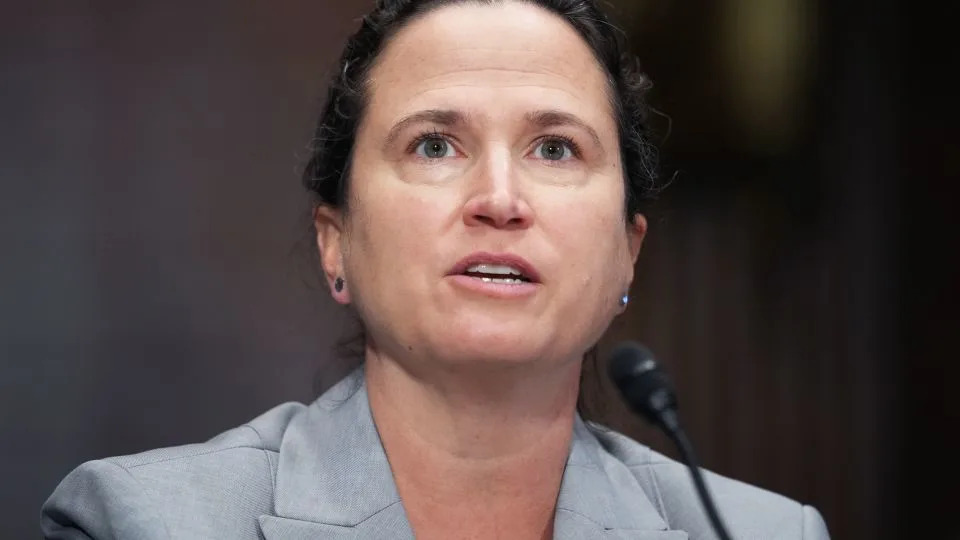
Katherine Marie Menendez, nominee to be U.S. District Judge for the District of Minnesota, testifies during a Senate Judiciary Committee confirmation hearing in Dirksen Building on November 3, 2021. - Tom Williams/CQ-Roll Call, Inc/Getty Images
From Chicago To California: Reversed Limits
In Chicago, U.S. District Judge Sara Ellis — an Obama appointee — issued emergency and preliminary orders last year restricting federal agents’ use of tear gas, pepper balls and certain physical tactics, and she required periodic reporting to the court. The 7th U.S. Circuit Court of Appeals, in expedited rulings, determined at different points that some of Ellis’s directives improperly intruded on executive-branch personnel decisions and were overly prescriptive. Panels that included Trump appointees Michael Brennan and Michael Scudder, and Reagan-nominee Frank Easterbrook, narrowed or vacated aspects of Ellis’s orders.
And in California, the Supreme Court lifted a district-court order that had limited immigration stops based on factors such as apparent ethnicity, language or presence at particular locations, like farms or bus stops. Justice Brett Kavanaugh wrote a concurrence explaining that the combination of those factors can, in his view, amount to reasonable suspicion of unlawful presence — a view that critics say facilitates broad, roving enforcement tactics.
Why Appellate Courts Often Rule Differently
Legal analysts say part of the difference stems from institutional perspectives: district judges often see themselves as problem-solvers responding to immediate on-the-ground emergencies, while appellate judges approach cases as legal questions that require weighing precedent and doctrine. Steve Vladeck, a CNN Supreme Court analyst and law professor, observed that circuit courts can be more removed from the urgency of a local situation and more focused on broader legal principles.
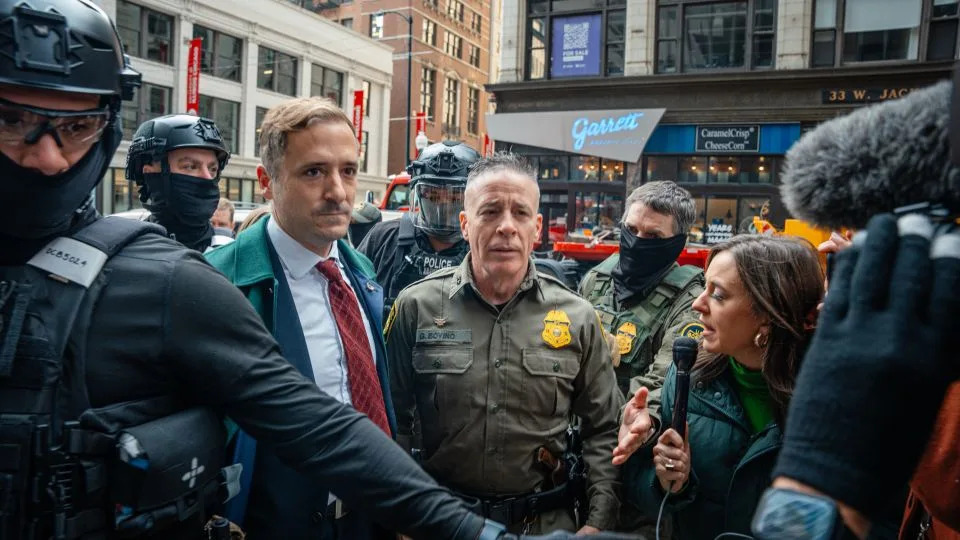
US Border Patrol commander Gregory Bovino pushes through a crowd of media and protesters as he enters the Dirksen Federal Building on October 28, 2025, in Chicago, Illinois. - Jamie Kelter Davis/Getty Images
Political dynamics play a role too. With a Republican-controlled Senate during his first term, President Trump succeeded in appointing a substantial number of conservative judges to the federal appeals courts — a shift Senate Republican leader Mitch McConnell said would have a lasting effect. Several of those appointees have participated in rulings that sided with the government in cases challenging aggressive enforcement tactics.
Where This Leaves District Judges And Communities
Judges like Menendez and Ellis have expressed caution about overstepping the proper role of a district court. Menendez warned that "not all crises have a fix from a district court" and noted that any injunction she issued would likely be appealed. The back-and-forth between district and appellate courts leaves communities and local officials uncertain about both immediate protections and longer-term legal remedies.
From the government’s perspective, officials say appellate decisions protect law enforcement’s ability to address crime and uphold public safety. From critics’ perspective, those reversals can weaken accountability and limit judicial oversight of aggressive enforcement tactics.
The litigation is ongoing. As Operation Metro Surge and similar operations continue to draw protests and legal challenges, the interplay between district courts, circuit courts and the Supreme Court will determine which limits — if any — survive the appeals process.
Help us improve.