President Trump has publicly threatened force if Iran executes or violently suppresses protesters, and reports—difficult to independently verify due to an internet blackout—suggest heavy casualties. Supporters argue strikes could protect demonstrators and exploit Iranian vulnerabilities; critics warn they could strengthen hardliners, spark wider conflict, or fail to create safe conditions on the ground. Policymakers must answer whether military action would genuinely help protesters, or instead worsen repression and regional instability.
What Trump Should Ask Before Ordering Strikes On Iran
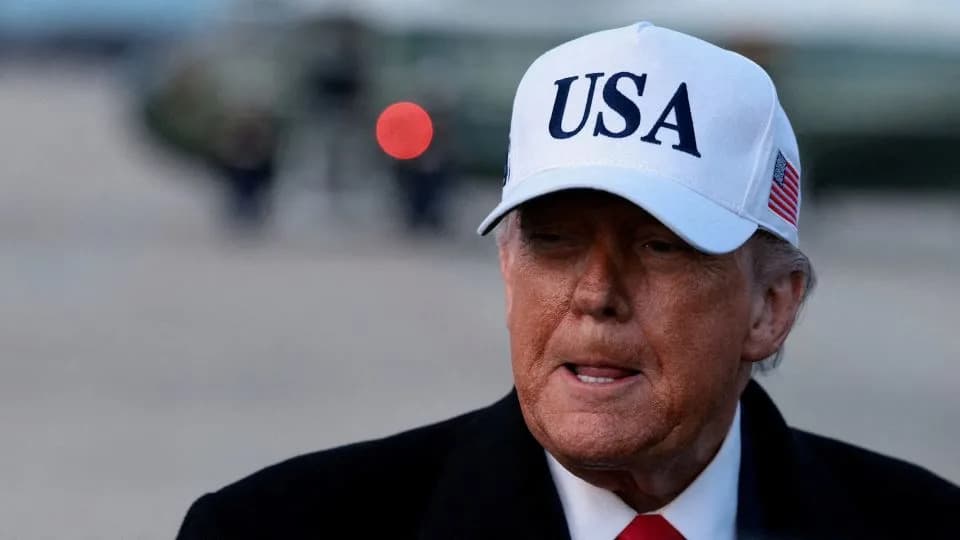
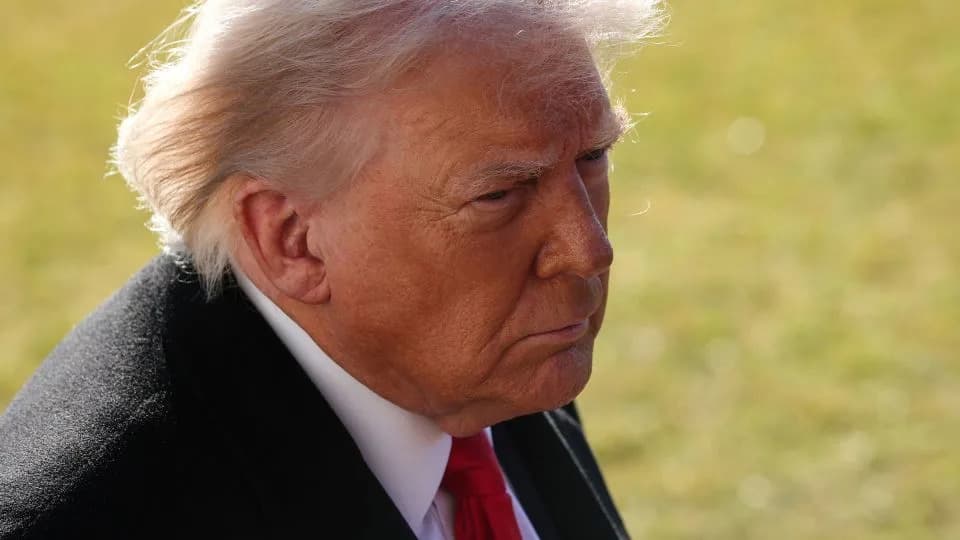
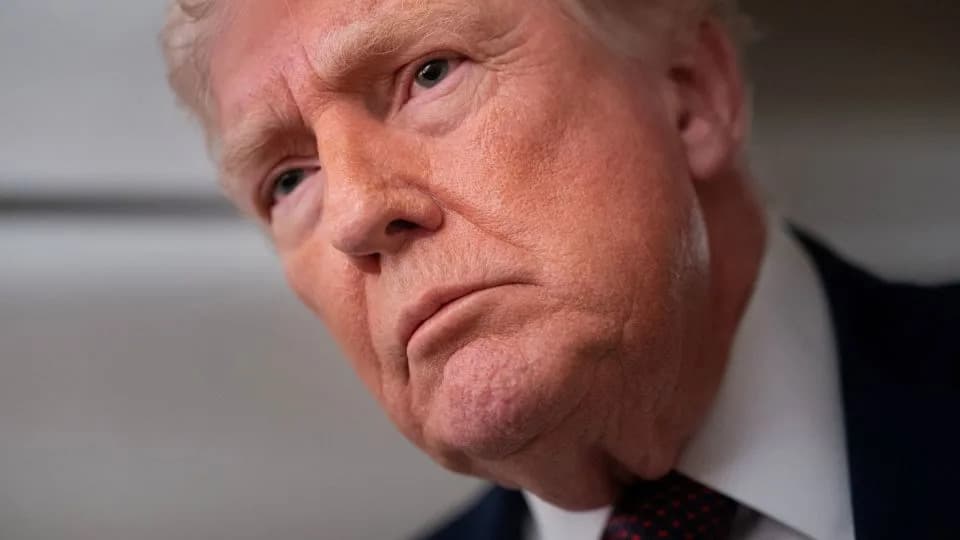
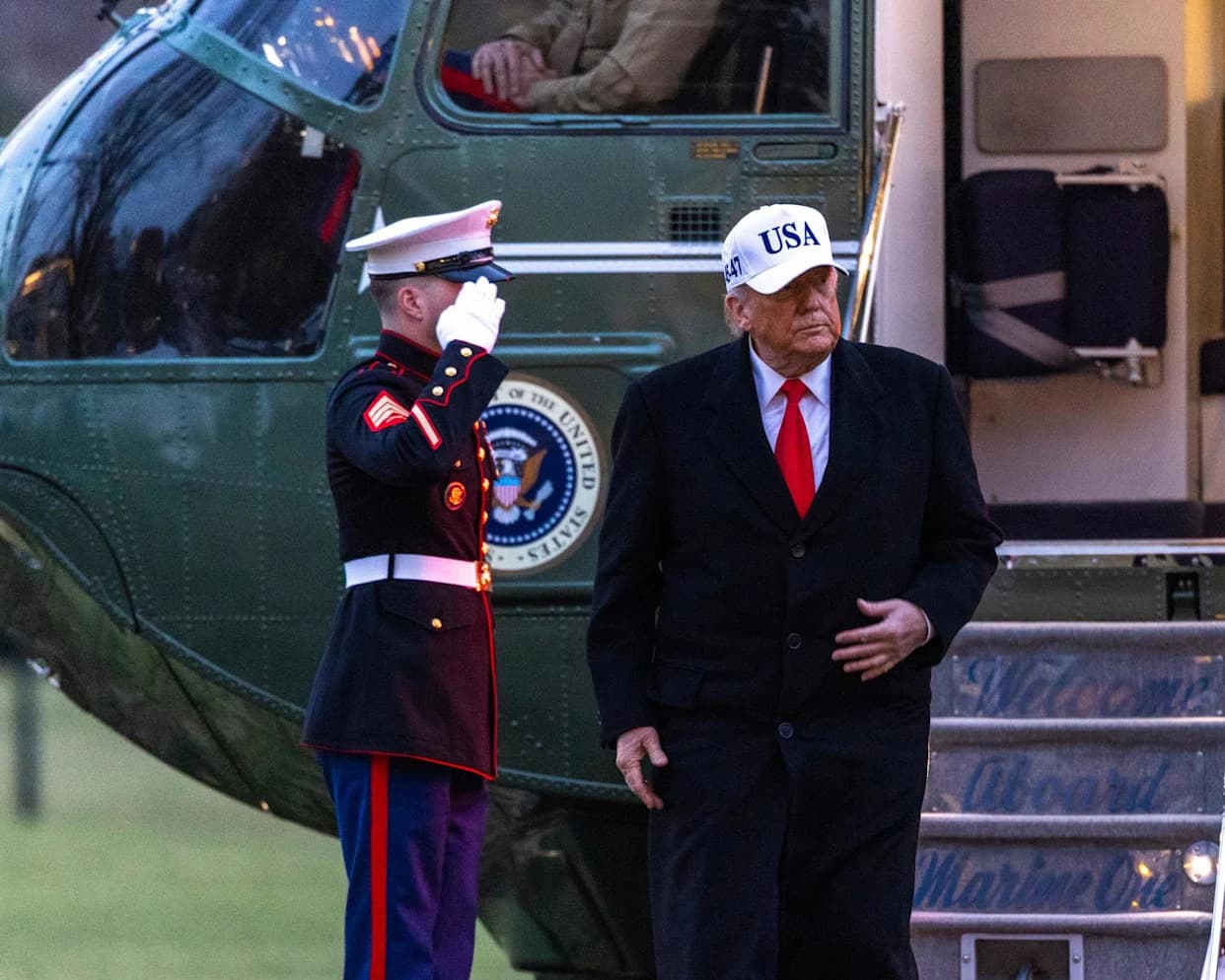
President Donald Trump speaks to reporters at Joint Base Andrews, Maryland, on January 13, 2026. - Evelyn Hockstein/Reuters
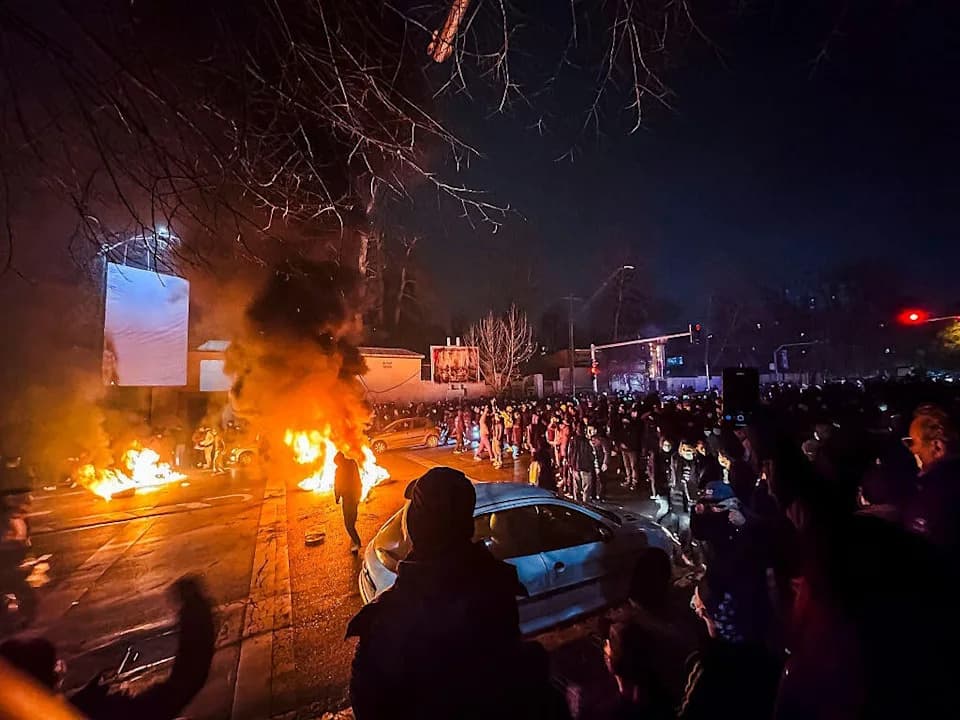
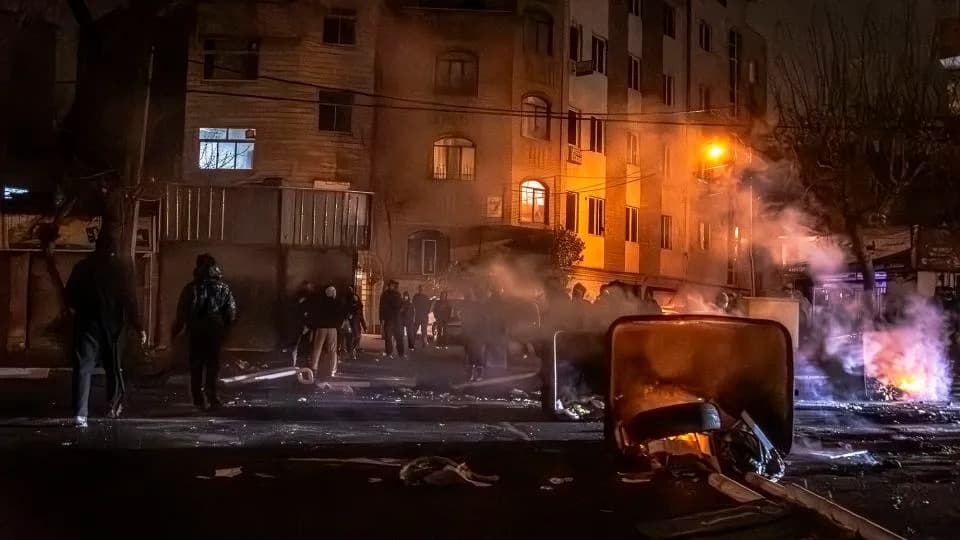
President Donald Trump is publicly weighing stronger measures against Iran as widespread protests and reports of a severe crackdown escalate. With an ongoing internet blackout hampering independent verification, some sources report as many as 2,400 dead—figures that remain difficult to confirm.
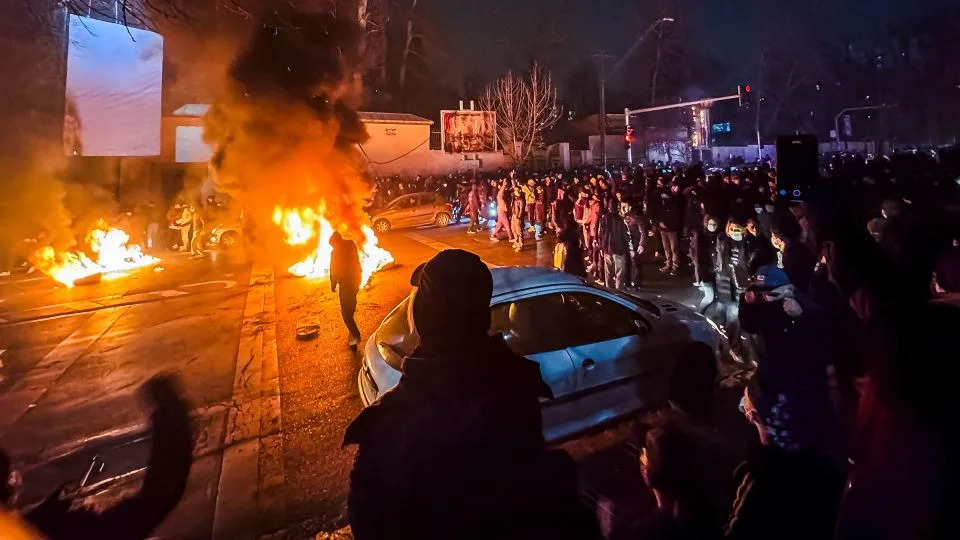
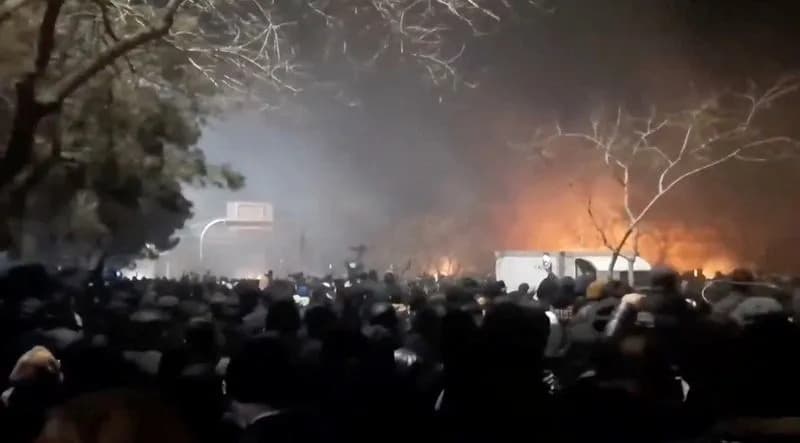
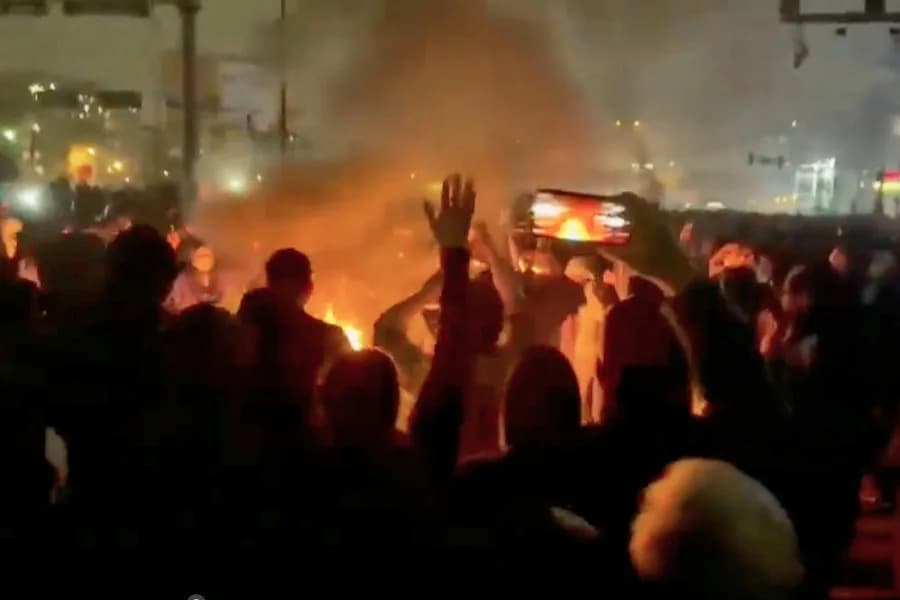
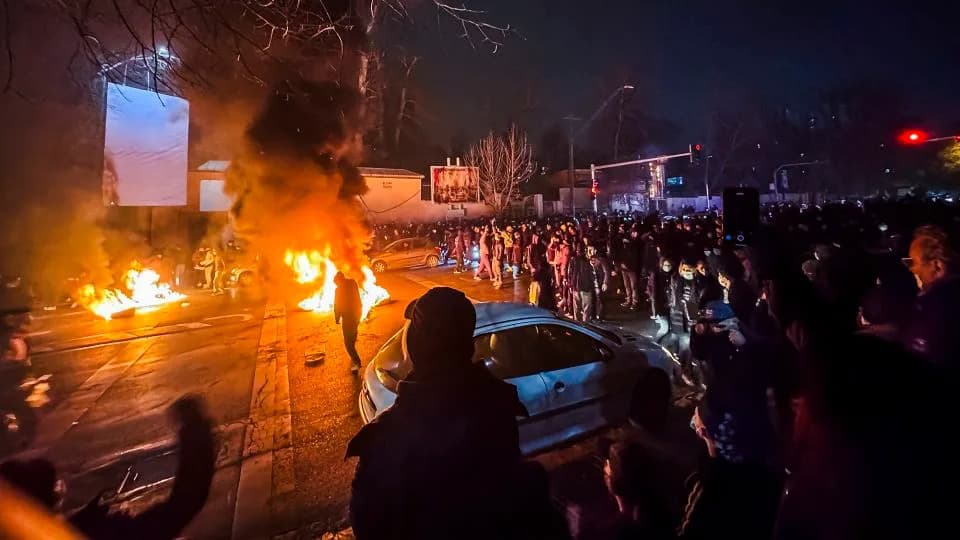
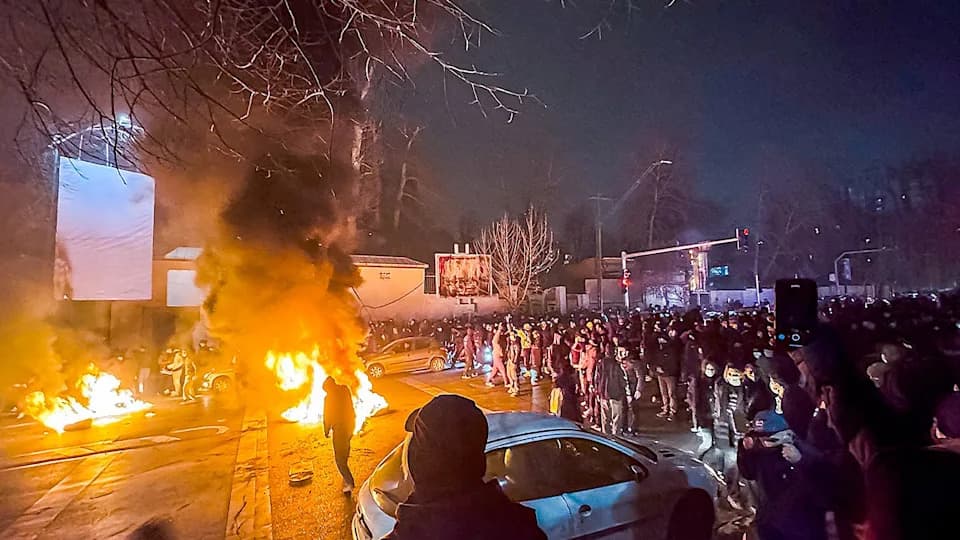
Iranians gather while blocking a street during a protest in Tehran, Iran on January 9, 2026. - MAHSA/Middle East Images/AFP/Getty Images
Context And Stakes
Mr. Trump has repeatedly warned Iran that the United States could respond if protesters are executed or violently suppressed. Those public threats have raised expectations among demonstrators and prompted debate inside Washington about whether and how the United States should act.
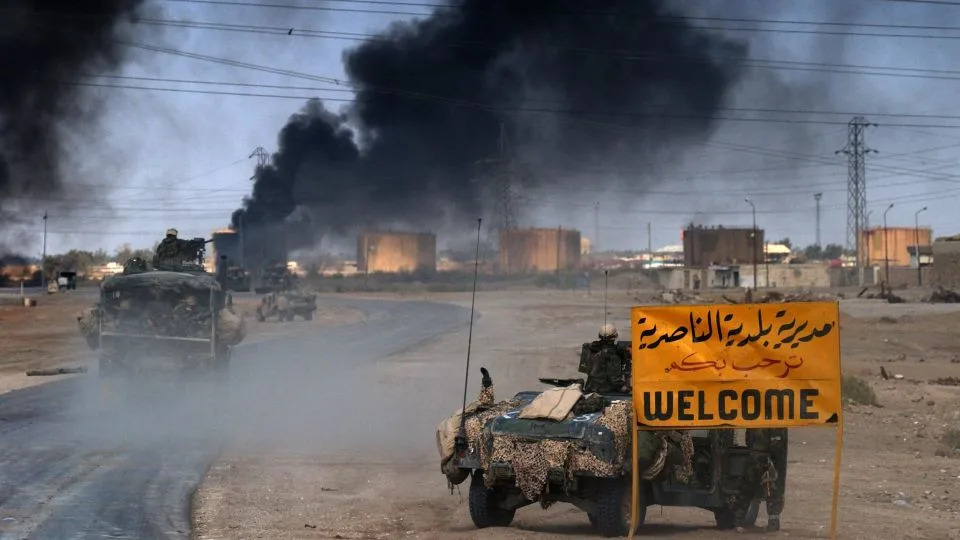
US Marines from the 2nd Battalion 8th regiment enter in the southern Iraqi city of Nasiriyah, where allied troops found stuborn resistance in their northbound advance torwards the Iraqi capital Baghdad, on March 23, 2003. - Eric Feferberg/AFP/Getty Images
"The president told the Iranian people that help is on the way. And therefore, I think it’s incumbent on the president to take some action here."
— Leon Panetta, former secretary of defense and CIA director
Supporters of intervention point to Iran’s internal stresses—economic shortages, an aging supreme leader and internal succession uncertainty, and reported losses among senior operatives in recent regional clashes—as reasons Tehran may be vulnerable now. Critics warn that outside strikes could harden the regime, empower hardliners, or produce wider regional instability.
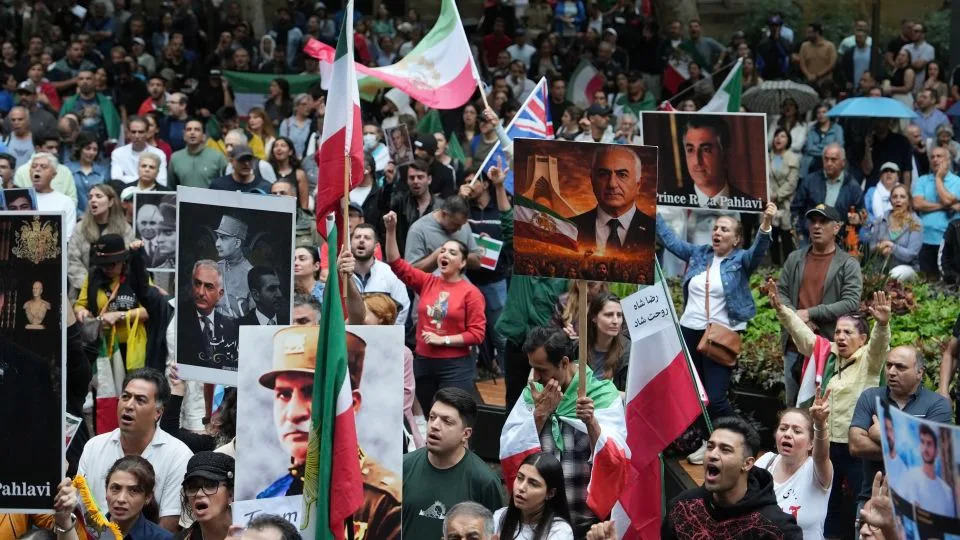
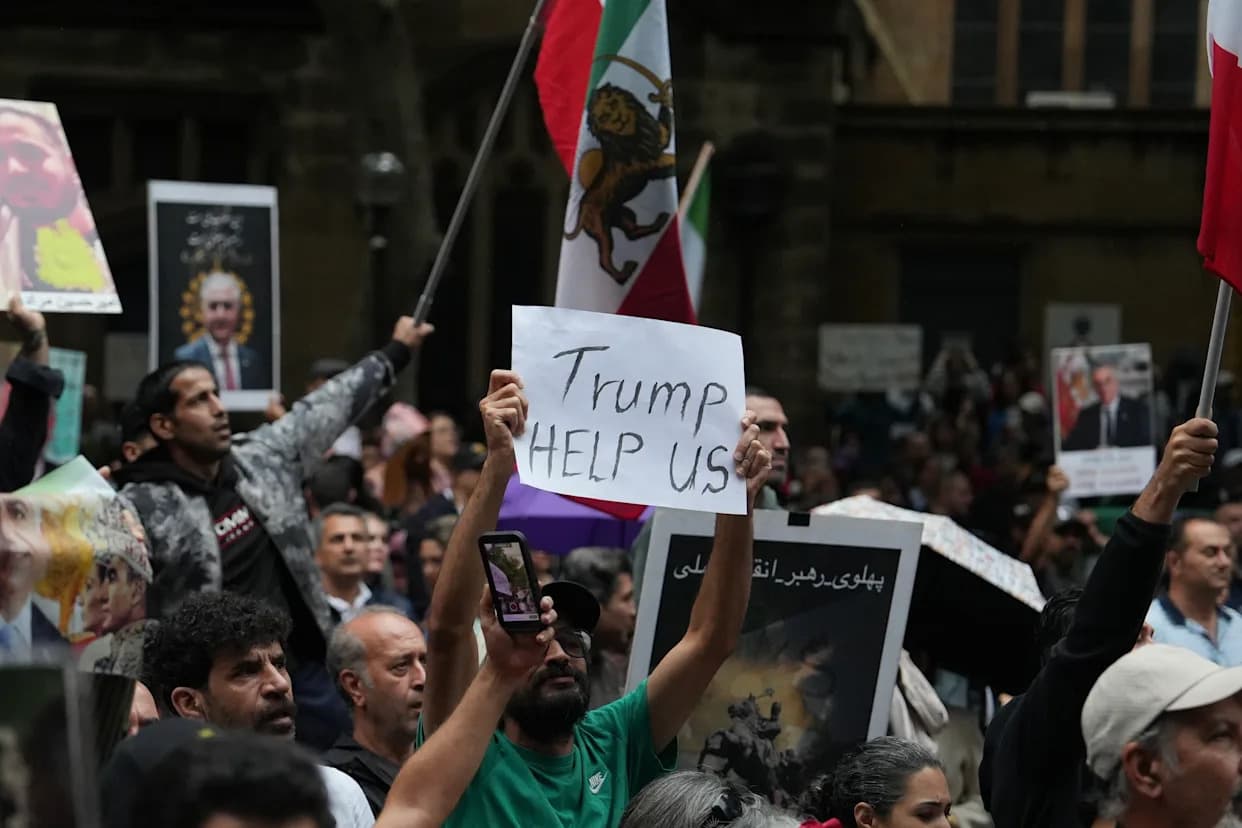
Hundreds of people take part in a protest against the Iranian government and call for regime change in Sydney, Australia, on January 11, 2026. - Norvik Alaverdian/NurPhoto/Getty Images
Practical Limits And Risks
Several practical and political constraints complicate any decision:
- Credibility vs. Escalation: Symbolic strikes may fail to protect civilians but still risk escalation; decisive strikes carry much larger consequences.
- Uncertain Effectiveness: Air strikes or cyberattacks may degrade regime capabilities but are unlikely to create a safe zone for protesters on the ground.
- Limited Local Alternatives: Exiled figures such as Reza Pahlavi have greater visibility, but no clear, cohesive domestic leadership ready to govern is evident.
- U.S. Military Capacity And Commitments: Naval and air assets are distributed globally; the nearest carrier strike group reported earlier is the USS Abraham Lincoln in the South China Sea, not the Persian Gulf.
Lessons From History
Past interventions—from Vietnam to Iraq, Afghanistan and Libya—show that well-intentioned strikes can produce unexpected consequences. Many former officials cite President Obama’s caution after Syria’s 2013 chemical-weapons use as a formative example of how red lines affect credibility, for better or worse. Any administration must weigh whether the long-term risks of military action outweigh the immediate humanitarian impulses.
Key Questions For Policymakers
- Would strikes realistically increase protesters’ safety or advance a credible transition strategy?
- Could strikes provoke harsher repression, fuel nationalist backlashes, or empower less desirable actors?
- What are the objectives, exit plans and measures of success for any use of force?
- Are nonmilitary options—diplomatic pressure, targeted sanctions, information operations, and cyber measures—sufficient or preferable?
President Trump has signaled a preference for bold action, and some allies urge decisive measures. Yet the record suggests that force is not a simple or risk-free tool for promoting democracy. Policymakers should be guided by clear objectives, realistic assessments of outcomes, and contingency planning for unintended consequences.
As events unfold under limited visibility, Washington faces a stark choice: act in a way that may or may not help those on the streets, or exercise restraint and risk accusations of abandoning civilians who believed promises of support. Both options carry significant moral and strategic weight.
Help us improve.