Four Arab states — Saudi Arabia, Qatar, Oman and Egypt — conducted an intensive 48‑hour diplomatic effort with Washington and Tehran to avert a threatened U.S. strike after Tehran's forceful response to protests. The Gulf officials warned that any U.S. military action or Iranian retaliation could have wide security and economic repercussions across the region. The diplomacy aimed to cool rhetoric, prevent wider instability and could potentially pave the way for renewed talks on Iran's nuclear programme.
Four Gulf States Press US And Iran To Avoid Escalation, Citing Regional Risks

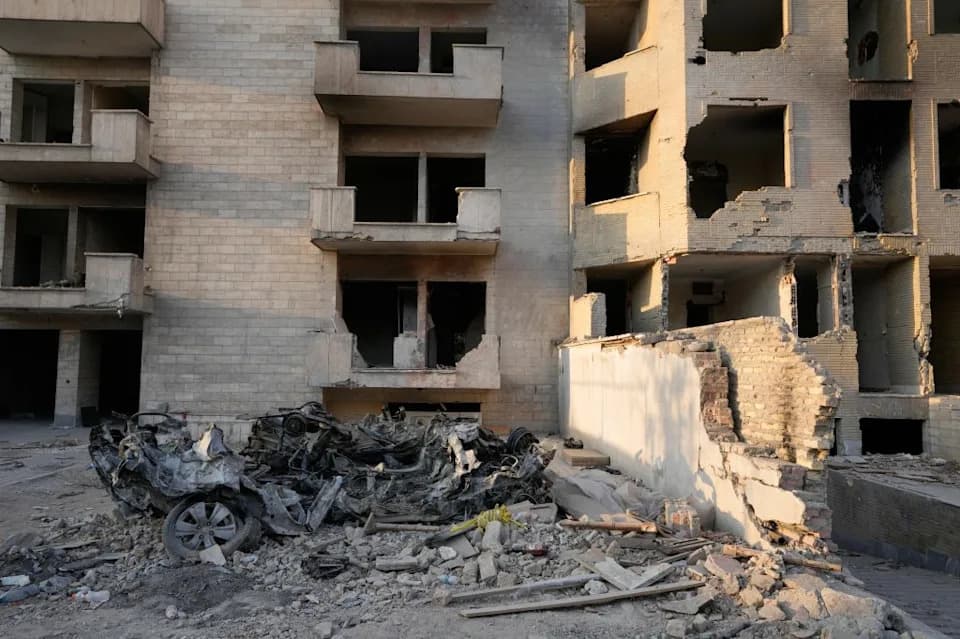
A burnt car lies on the road following unrest sparked by dire economic conditions, in a place given as Tehran, Iran, January 10, 2026, in this screengrab from Iran's state media broadcast footage. IRIB via WANA(West Asia News Agency) via REUTERS
DUBAI, Jan 15 (Reuters) — Saudi Arabia, Qatar, Oman and Egypt launched an intensive, 48‑hour diplomatic push this week with both Washington and Tehran to head off a threatened U.S. strike on Iran following Tehran's use of force against protesters, a Gulf official said.
The official, who spoke on condition of anonymity because of the sensitivity of the matter, said the four countries warned U.S. leaders that any military action would carry broad security and economic repercussions across the region — consequences that ultimately would affect the United States itself. At the same time, they told Iranian authorities that any retaliation against U.S. facilities in the Gulf would damage Tehran's ties with other regional governments.
Diplomatic Aim: De‑Escalation
According to the official, the diplomacy focused on cooling inflammatory rhetoric and preventing military steps that could trigger wider regional instability. The effort, they said, could also open the door to renewed talks on broader disputes, including Iran's nuclear programme.
Requests for comment were not immediately answered by Saudi Arabia's International Media Office, Qatar's Foreign Ministry, Oman's Information Ministry or a spokesperson for Egypt's Foreign Ministry. The United Arab Emirates' Foreign Ministry — which the official said was not part of the push — also did not immediately reply to a request about any related talks.
The Wall Street Journal reported this week that Saudi Arabia, Qatar and Oman had lobbied Washington against a strike.
Regional Context
Oman and Qatar have a history of mediating disputes between Iran and Western states, while Saudi Arabia and Egypt have long had more strained relations with the Islamic Republic. After decades of rivalry that fuelled conflicts and political disputes across the Middle East, Iran and Saudi Arabia agreed a detente in 2023, with Riyadh signaling a shift toward prioritising economic objectives.
Gulf states are particularly worried that U.S. military installations on their territory could be drawn into any Iranian retaliation and that critical energy infrastructure underpinning the regional economy might also be targeted — potentially deepening regional and global economic fallout.
Saudi Arabia and Qatar have maintained close ties with the Trump administration, and both Qatar and Egypt were involved with the U.S. in mediation efforts related to the Israel‑Hamas war in Gaza.
(Reporting by Maha El Dahan and Andrew Mills; additional reporting by Timour Azhari in Riyadh and Nafisa Eltahir in Cairo; Writing by Angus McDowall; Editing by Hugh Lawson)
Help us improve.